A clean office is not simply a nicer place to walk into on Monday morning. It affects how staff feel at their desks, how confidently clients view your business and how easily your workplace runs day-to-day. Spiffi office cleaning is designed around that practical reality: consistent cleaning standards, clear communication and flexible service that works around your operations.
For Adelaide businesses, the right office cleaning plan should remove a regular task from the to-do list without creating new disruption. That means trained, vetted cleaners arriving as scheduled, using suitable products and equipment, and paying attention to the details people notice most.
What professional office cleaning should achieve
Office cleaning has a visible purpose and a hygiene purpose. Reception desks, glass entryways, meeting rooms and kitchen benches shape first impressions. Meanwhile, high-touch points such as door handles, lift buttons, shared equipment and bathroom fixtures need regular attention to help maintain a healthier environment for everyone using the space.
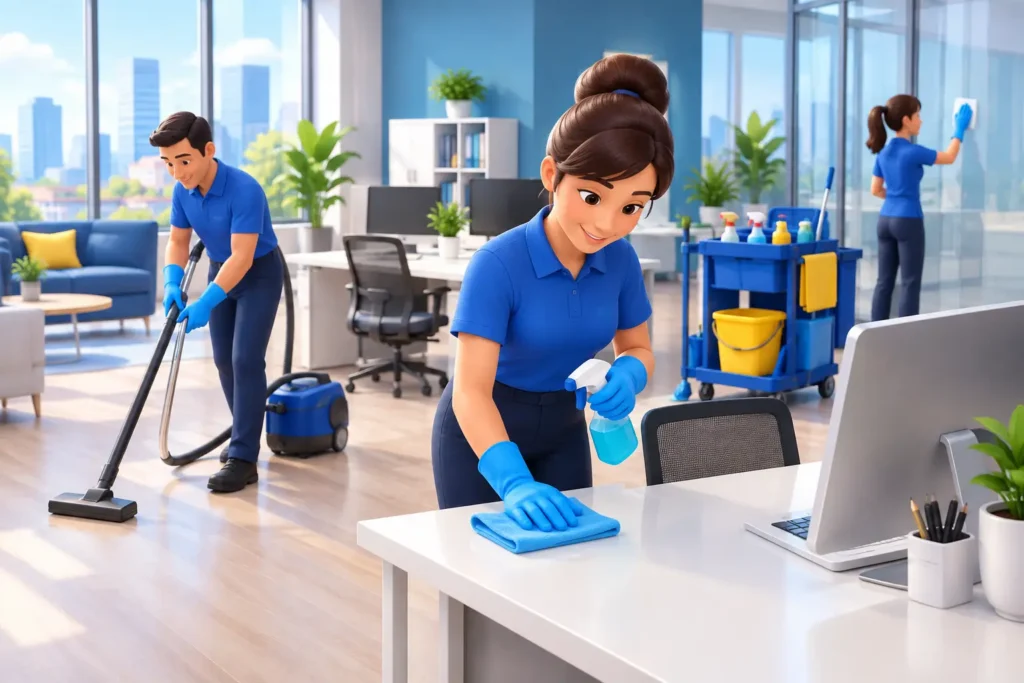
A professional service should do more than empty bins and run a vacuum through the main walkway. It should provide a repeatable standard across the areas your team and visitors rely on, including workstations, floors, washrooms, kitchens, breakout spaces and shared meeting rooms. The result is an office that looks cared for, smells fresh and remains ready for work.
The right scope depends on your premises. A small professional office may need a reliable after-hours clean two or three times a week, while a high-traffic workplace may require daily cleaning and regular daytime touch-ups. Clinics, schools, gyms and client-facing businesses usually need more frequent attention because hygiene expectations are higher and surfaces are used more heavily.
Spiffi office cleaning built around your schedule
Cleaning should support your working day, not interrupt it. Some businesses prefer cleaners after close of business so staff return to a refreshed space each morning. Others need early-morning service before doors open, or carefully scheduled daytime cleaning for bathrooms, kitchens and busy shared areas.
A good office cleaning arrangement begins with understanding how the site operates. The number of staff, visitor traffic, floor types, kitchen use, washroom facilities and building access all influence the cleaning schedule. There is no benefit in paying for a one-size-fits-all package that misses your actual priorities.
Spiffi Cleaning provides flexible office cleaning for one-off, routine and tailored requirements. Whether you manage a compact office suite, a larger workplace with multiple common areas or a commercial site with specific cleaning needs, the focus is on an organised service plan and dependable results.
Core tasks that keep an office presentable
Regular office cleaning generally covers the work that protects presentation and hygiene between deeper services. This often includes vacuuming and mopping floors, removing rubbish, cleaning and restocking washrooms, wiping kitchen surfaces, sanitising touchpoints and tidying common areas.
Desks can be cleaned according to your workplace policy. In offices where staff keep confidential paperwork or personal items on their workstations, cleaners may focus on accessible surfaces and communal equipment. In hot-desking environments, more frequent desk sanitisation can be useful, particularly when workspaces are shared throughout the day.
Kitchen cleaning deserves particular care. Crumbs, spills, old food and neglected microwave interiors can quickly make a staff kitchen feel unhygienic. Regular attention to benches, sinks, appliance exteriors, tables and rubbish areas helps prevent unpleasant odours and makes the space more enjoyable for everyone.
The details visitors notice first
Clients may not comment on a polished glass door or a spotless reception counter, but they notice when those areas are neglected. Smudged entry glass, dusty skirting boards, overflowing bins and marked floors can undermine the professional image your business has worked to build.
Meeting rooms are another key area. A clean table, orderly chairs, clear glass surfaces and fresh air create a calmer setting for discussions. For offices that host clients, interviews or supplier meetings, these details are part of the customer experience, not an optional extra.
How often should an office be cleaned?
The best frequency is based on use, not just square metres. A quiet office with six people may stay in good order with a twice-weekly service. A busy office with staff, deliveries and client visits every day may need daily cleaning to maintain the same standard.
Consider the following practical factors when setting your schedule:
- Staff numbers and whether people regularly hot-desk
- Foot traffic from clients, contractors and delivery drivers
- The number and use of kitchens, bathrooms and breakout areas
- Carpeted versus hard flooring, especially at entry points
- Industry expectations for hygiene, privacy and presentation
Seasonal changes matter too. Wet weather can bring more dirt and moisture through entrances, while winter illness periods may make frequent high-touchpoint cleaning more valuable. A flexible provider can adjust the plan when your workplace becomes busier, hosts an event or requires an additional service.
Why consistency matters more than a quick clean
A single impressive clean is useful before an inspection, event or important visit. For most workplaces, though, consistency is what delivers real value. Staff should know the washrooms will be properly maintained, rubbish will be removed and shared spaces will be ready to use without having to chase a contractor.
Consistency comes from clear expectations, suitable checklists and accountable service. It also relies on cleaners having the time, equipment and training to complete the agreed work properly. The lowest quote is not always the best value if it leads to missed tasks, rushed results or frequent changes in cleaning staff.
Reliable cleaning also helps facility managers and office managers protect their own time. Instead of dealing with recurring complaints about supplies, dirty floors or kitchen mess, they can rely on a structured service and raise any changes through a clear point of contact.
Choosing an office cleaner with confidence
Trust is central when cleaners work in your premises, often outside normal business hours. Look for a provider that is transparent about its scope of work, employs trained and police-checked staff, and communicates clearly about access, scheduling and any site-specific requirements.
It is also worth asking how quality issues are handled. No service provider gets every detail right every time, particularly in busy commercial environments. What matters is whether concerns are taken seriously and resolved promptly. A satisfaction guarantee and free re-clean policy provide useful reassurance when standards are not met.
Eco-friendly products can be another consideration, especially for businesses seeking to reduce harsh chemical use or support internal sustainability goals. The right products need to be effective as well as considered. Floors, glass, bathroom surfaces and food preparation areas all require suitable cleaning methods rather than a single product used everywhere.
Start with a clear site brief
The strongest cleaning relationships begin with a detailed brief. Identify your non-negotiables, such as washroom standards, kitchen cleaning, secure access procedures or client-facing areas. Mention any sensitive spaces, restricted rooms, particular flooring or preferred cleaning times from the outset.
It also helps to agree on consumables. Some businesses supply their own bin liners, hand soap, paper towels and toilet paper, while others prefer these to be managed as part of the service. Clear responsibility avoids last-minute shortages and keeps the workplace running smoothly.
A clean, well-maintained office sends a simple message to staff and visitors: this is a professional place where people are respected. With a cleaning plan that suits your premises and a team you can rely on, that standard becomes one less thing you need to think about.