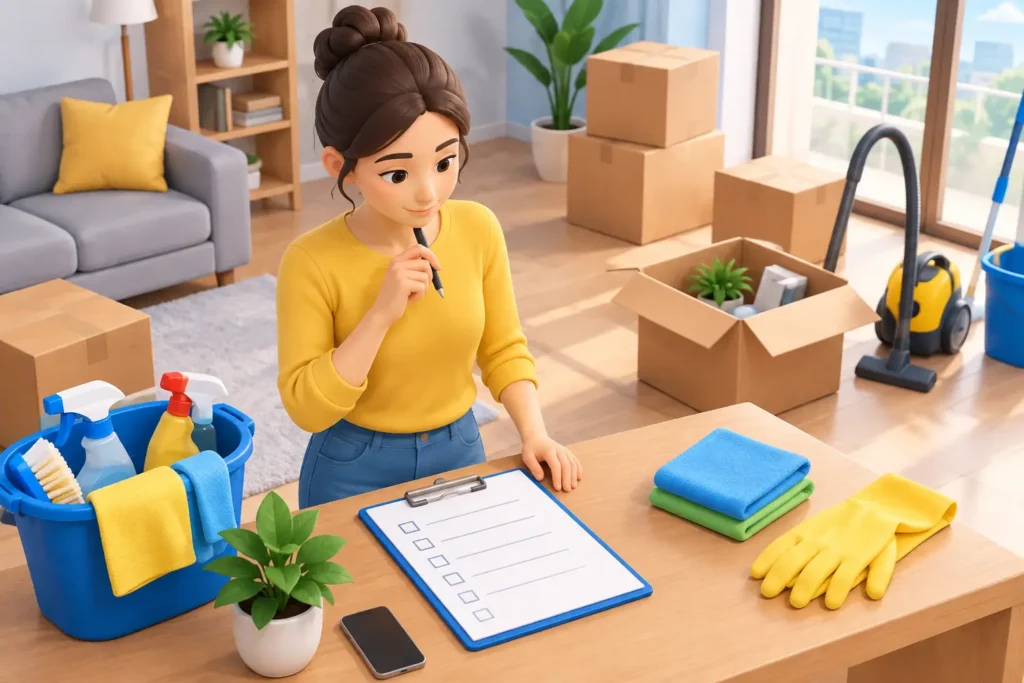
The last week in a rental can turn into a pile-up of boxes, address changes, removalists and an inspection date that arrives faster than expected. Knowing how to organise move-out cleaning early gives you control over the process, protects time for the jobs only you can do, and helps present the property in the condition your agreement requires.
Move-out cleaning is not quite the same as a weekly clean. The goal is to remove the signs of everyday living from areas that are easily missed when you are still packing: oven grease, shower screen build-up, skirting boards, window tracks and the dust behind furniture. A clear plan is usually more useful than an all-day cleaning sprint.
Start with the exit condition report
Before booking a cleaner or buying supplies, find your original entry condition report, lease agreement and any exit-cleaning instructions from the property manager. These documents set the benchmark. Your responsibility is generally to return the property in a reasonably clean condition, allowing for fair wear and tear, but the detail matters.
Compare each room with your entry photos where possible. Note existing marks, chipped paint, worn carpet or ageing fixtures so they are not mistaken for new damage. If something needs repair rather than cleaning, such as a damaged blind or hole in a wall, arrange that separately. Cleaning cannot correct maintenance issues, and leaving them until inspection day can complicate the handover.
If the property has a pool, outdoor entertaining area, balcony, garage or garden obligations, check these too. Requirements vary between leases, so avoid assuming that a standard internal clean covers every area.
Build a move-out timeline around access
The best time to clean is after the property is empty, but before keys are returned. Work backwards from your final inspection or key handover and leave a buffer if you can. A practical approach is to have removals completed one or two days beforehand, then clean the empty home the day before handover.
Book services as soon as your move date is reasonably certain. Professional move-out cleaners, carpet cleaners and rubbish removal providers can have limited availability at month-end, on Fridays and during peak moving periods. Confirm whether the cleaner needs power and water available, and do not arrange final utility disconnection until the work is complete.
Also check access. Let the cleaning team know about parking, apartment loading zones, lift bookings, security codes, pets, stairs and any difficult-to-reach areas. In Adelaide, parking restrictions and apartment access can add unexpected delays, particularly in busier inner-city locations. Clear information at the start makes the appointment more efficient.
Decide what to clean yourself and what to book
There is no single right answer. A smaller, well-maintained unit may be manageable if you have time, equipment and confidence with detailed cleaning. A larger house, a property with built-up grease or mould, or a move involving work and family commitments may be better handled by a professional team.
Think beyond the advertised price. A low quote that does not include the oven, internal windows, wall spot cleaning or detailed bathroom work may leave you finishing the job yourself. Ask for a clear scope that identifies what is included, what is excluded and whether a re-clean is available if an agreed cleaning issue is identified after inspection.
Some tasks often need separate specialists. Carpet cleaning may be requested under the lease, especially where there were pets, although the requirement should be checked against your agreement and the property’s condition. Pest treatment, pressure cleaning, blind cleaning and exterior window cleaning can also sit outside a standard move-out clean. Booking these early keeps the final days from becoming a scheduling puzzle.
How to organise move-out cleaning room by room
Clean from high to low and from the back of the property towards the exit. This reduces the chance of tracking dust or dirt across finished floors. Pack and remove belongings first, then photograph each empty room before cleaning begins. Those photos can be useful if there is a question about condition later.
Kitchen: allow more time than you expect
The kitchen is often the most detailed part of a move-out clean. Empty cupboards and drawers, remove shelf liners, and wipe interiors as well as handles and exterior surfaces. Pull the fridge and freestanding appliances out where it is safe to do so, then clean the floor and wall area behind them.
Pay close attention to the oven, cooktop, rangehood filters, splashback and sink. These are high-visibility areas at inspection. Defrost the freezer early, with towels ready for melting ice, and leave the fridge switched off with doors slightly open only once it has been cleaned and dried. Avoid using harsh products on delicate stone, timber or stainless-steel surfaces without checking the manufacturer’s advice.
Bathrooms and laundry: tackle build-up first
Bathroom results depend on dwell time. Apply an appropriate product to shower screens, tiles, taps and toilet surfaces, then clean another area while it works. This is more effective than repeated hard scrubbing and reduces the risk of damaging finishes.
Remove hair from drains, wipe inside vanity cupboards and clean mirrors without leaving streaks. In the laundry, check the lint filter, laundry tub, taps, splashback and the space around the washing machine. If mould is present, treat it carefully and identify any underlying ventilation or leak issue. Severe or recurring mould may need advice from the property manager rather than a quick cosmetic clean.
Living areas and bedrooms: focus on edges and touchpoints
Once furniture is gone, the hidden dust becomes obvious. Vacuum carpet edges, wipe skirting boards, remove cobwebs, clean light switches and spot-clean marks on walls only where appropriate. Over-wetting painted walls can create patches, so test a discreet section first and use a gentle approach.
Open wardrobes, cupboards and drawers. Wipe shelves, rails and runners, then vacuum inside before closing them. Clean window sills and tracks, but keep expectations realistic with older windows where stains or weathering may not lift. Fair wear and tear is different from dirt, and forcing a result can cause damage.
Floors, windows and outdoor areas: finish last
Vacuum thoroughly before mopping hard floors, including under removable mats and along edges. Use the correct product for timber, laminate, tile or vinyl flooring. Excess water can damage some surfaces and leaves a poor finish.
Clean internal glass, window tracks and door frames where included in your plan. Outside, remove rubbish, sweep balconies and patios, and check the letterbox, storage shed, clothesline and garage. Green waste, personal items and broken furniture should be removed rather than left for the next occupant or property manager.
Keep a simple handover record
On the final day, do one slow walkthrough with your exit report in hand. Turn on lights, open cupboards and stand back from mirrors and glass to spot streaks. Check that all rubbish bins are emptied in line with collection arrangements, appliances are off, keys and remotes are accounted for, and no cleaning products have been left behind.
Take dated photos and short videos after the clean, including the oven, bathrooms, floors, inside cupboards and outdoor areas. Save receipts or invoices for any booked services. This is not about expecting a dispute. It is about having a clear record of the condition and work completed should questions arise.
Choose professional help with clarity
When time is tight, professional support can turn a disruptive move into a structured handover. Look for trained, police-checked cleaners, transparent quoting, suitable equipment and a clearly explained satisfaction process. A provider should ask useful questions about the size of the property, number of bathrooms, condition of the oven, carpet needs, access and any extras rather than offering a vague one-price promise.
Spiffi Cleaning can help Adelaide tenants and property owners coordinate detailed move-out cleaning around their schedule, with clear communication from booking through to completion. The right service should reduce your workload, not add another task to manage.
Leave yourself enough time for a final walkthrough after the cleaners finish. That quiet half-hour, with the property empty and the checklist in hand, is often what turns a rushed departure into a confident handover.