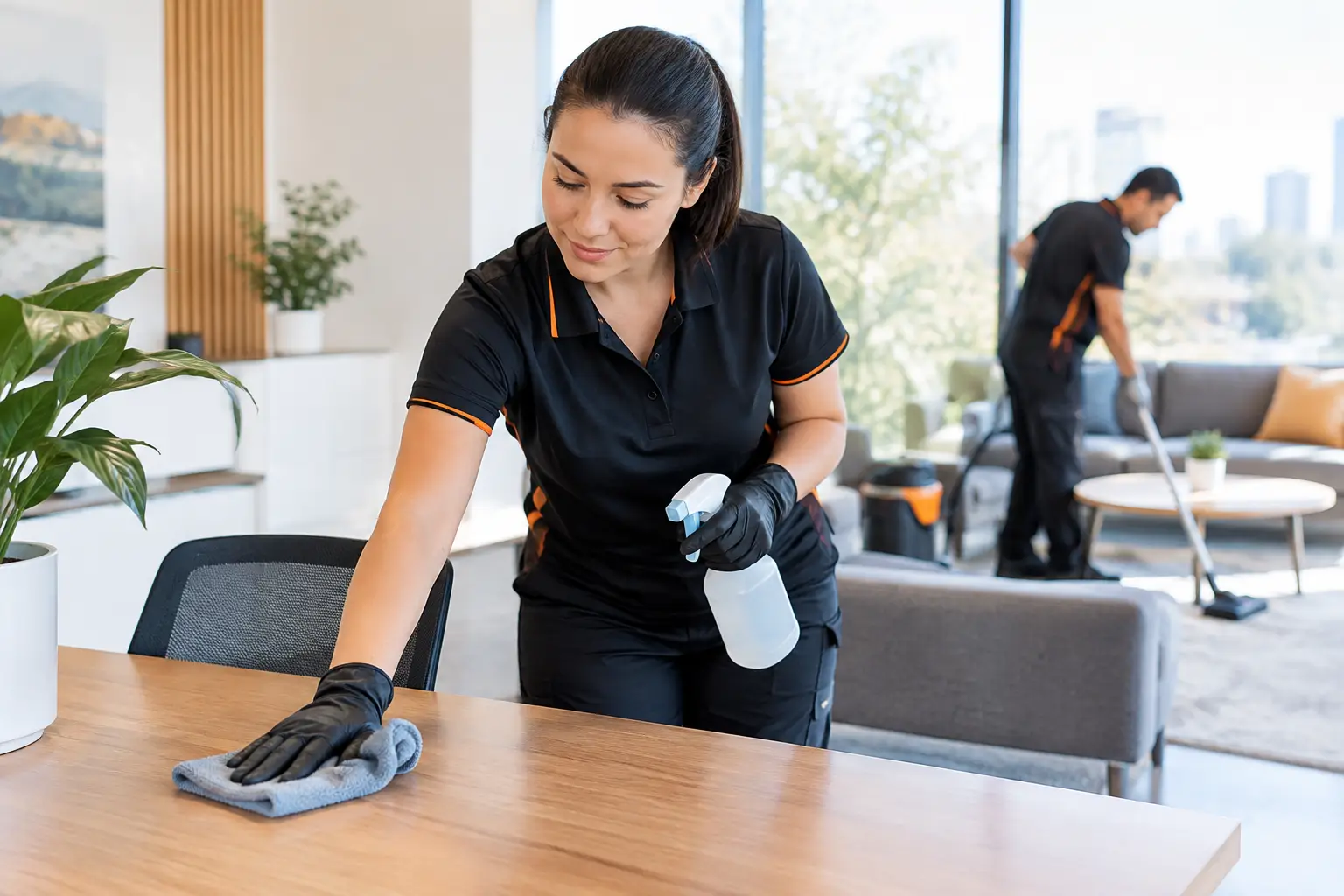
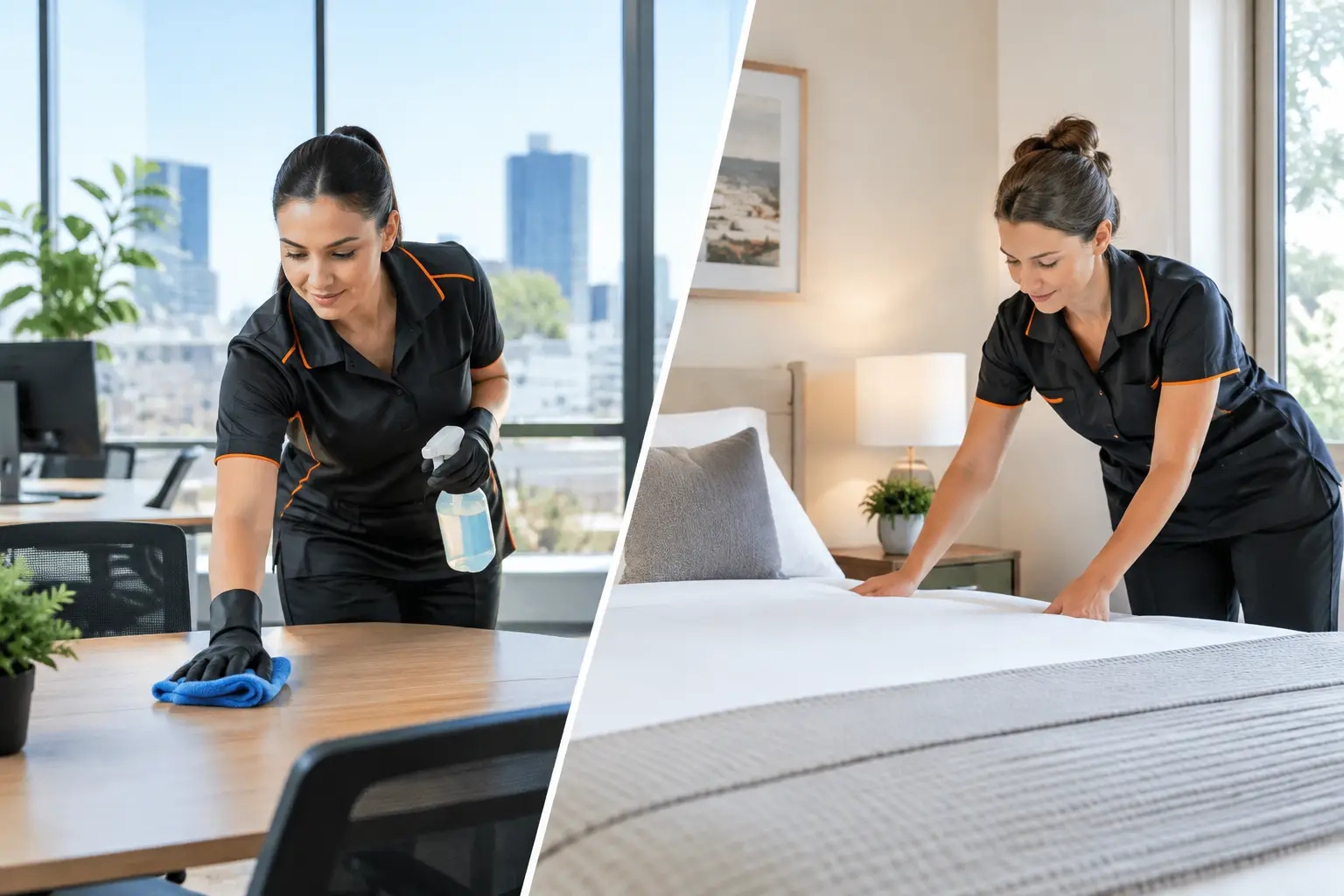
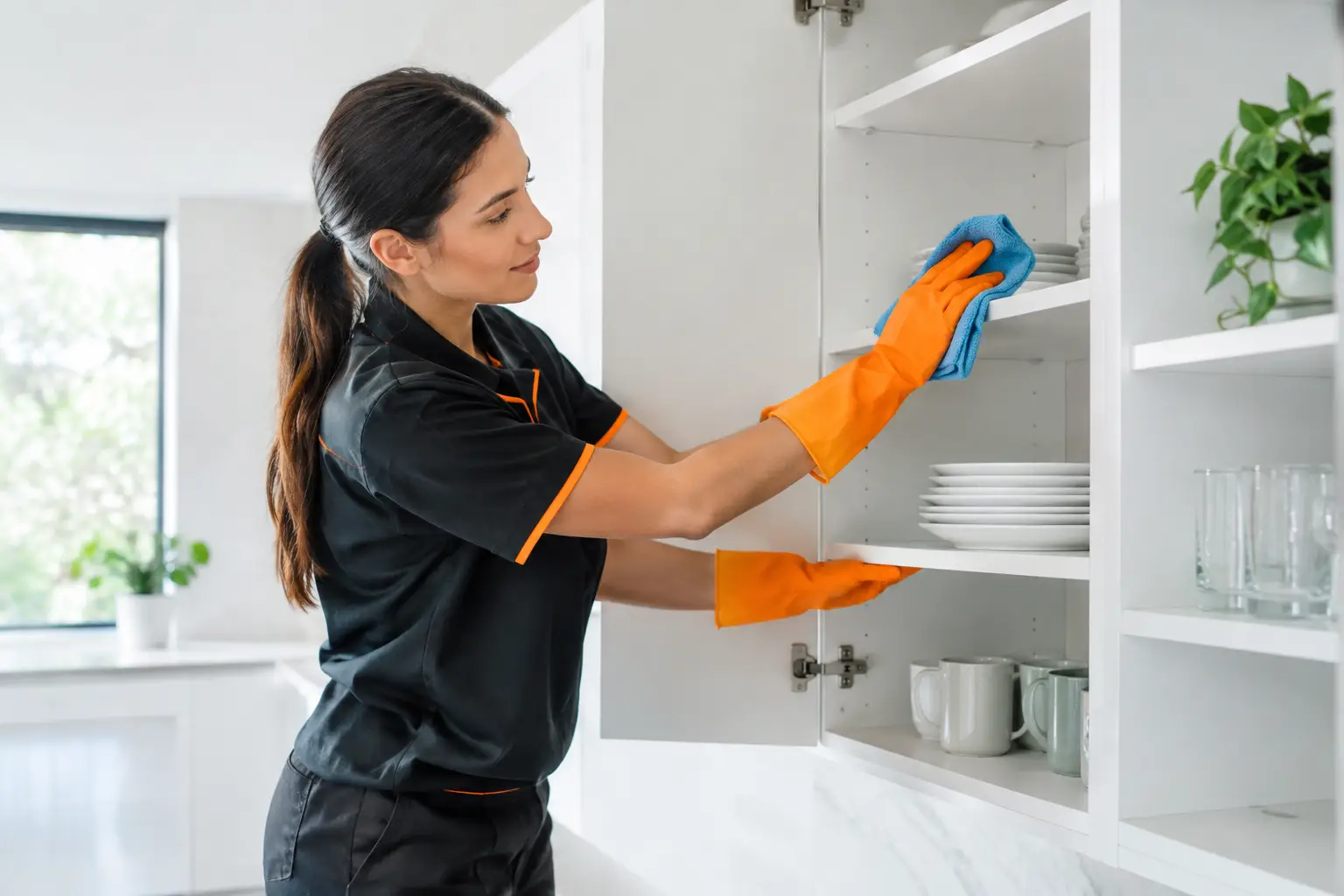
A marked lift mirror, overflowing bin room or dusty entrance can change how residents and visitors see an entire building. Trusted strata cleaners prevent these small issues from becoming regular complaints, hygiene risks or expensive maintenance problems. For committees and strata managers, the right cleaning partner brings order to a job that is highly visible, ongoing and rarely forgiving when standards slip.
Strata cleaning is not simply a matter of mopping a foyer once a week. It involves managing shared spaces used by different people, at different times, with different expectations. The cleaner needs a clear scope, dependable staff, appropriate products and a process for reporting anything that needs attention beyond cleaning.
Why trusted strata cleaners matter
Common areas are the first impression of an apartment complex, townhouse community or mixed-use property. They are also the spaces where dirt, moisture and rubbish build up fastest. Entrances, lifts, stairwells, corridors, laundry rooms, car parks and bin areas can quickly look neglected without a consistent routine.
A professional service protects more than appearance. Regular cleaning helps reduce slip hazards from wet floors, limits odours around waste areas and supports better hygiene on frequently touched surfaces. It can also help preserve finishes such as tiles, glass, stainless steel, painted walls and floor coverings, which may reduce the need for premature restoration or replacement.
For a strata committee, trust is equally practical. You need to know who is entering the property, when they will arrive and whether the agreed work has been completed. Vague communication and rotating, unvetted cleaners create uncertainty that residents notice. A reliable provider gives you a defined point of contact, trained and police-checked staff, and a clear way to raise concerns before they grow into recurring issues.
What a reliable strata cleaning scope should cover
No two strata properties have the same needs. A small block with one stairwell requires a different schedule from a large apartment building with lifts, underground parking and a busy waste room. The right scope starts with the property itself, not a one-size-fits-all package.
High-traffic shared areas
Entrances, foyers, lift interiors, stairwells and corridors usually need the closest attention. These areas often include glass, mirrors, handrails, intercom panels, skirting boards and hard floors. A quality clean covers the details residents see at eye level, not just the floor beneath their feet.
High-touch points deserve particular focus. Lift buttons, door handles, handrails and shared switches can be cleaned and disinfected as required, especially in buildings with high resident turnover or vulnerable occupants. The correct approach depends on the surface and the product used. Overuse of harsh chemicals can damage finishes, while an unsuitable product may leave residue or fail to meet hygiene expectations.
Bin rooms and external areas
Bin rooms are one of the most common sources of strata complaints. Even where rubbish collection is regular, spills, leaking bags and incorrect disposal can cause odours, pests and stained surfaces. Cleaning should include floor washing, wiping accessible surfaces, managing loose rubbish and reporting issues such as damaged bins or persistent illegal dumping.
External paths, entryways and car parks also need a planned approach. Sweeping may be enough between scheduled deep cleans, while pressure cleaning can be useful for built-up grime, mould or slippery surfaces. It should be used carefully, however, particularly near doors, gardens, drains and painted surfaces. More pressure is not always better.
Periodic detail work
Some work does not need to happen every visit, but still affects how well the property is maintained. Internal window cleaning, cobweb removal, spot cleaning walls, detailing lifts and pressure washing are often scheduled monthly, quarterly or as needed. Setting these tasks out in advance avoids the assumption that they are included in a standard visit when they are not.
Signs you have chosen the right cleaning partner
A dependable strata cleaner does not make you chase updates. They arrive within the agreed service window, follow the documented scope and communicate promptly if access, safety or maintenance issues affect the job. Consistency matters more than a strong first clean followed by a gradual drop in care.
Transparent quoting is another useful test. The quote should identify the areas to be cleaned, visit frequency and any periodic services, rather than relying on broad promises. If the building changes – for example, after renovations, a major resident move-in period or a waste-room incident – you should be able to request additional work with clear pricing and no confusion.
Look for a provider that uses suitable commercial equipment and eco-friendly products where appropriate. Eco-friendly should not mean ineffective. It means choosing products and methods that balance cleaning performance, occupant comfort and environmental impact, while following safe handling procedures.
Insurance, staff training and quality control also matter. Strata cleaning often takes place around residents, visitors, vehicles and shared assets. A professional team understands safe work practices, uses warning signs where needed and knows when to report rather than ignore a hazard.
Questions to ask before appointing strata cleaners
Before comparing prices, ask how the provider will assess your site. A walkthrough is valuable because it identifies access points, vulnerable surfaces, water availability, rubbish arrangements and areas that need special attention. It also gives the cleaner a realistic basis for quoting.
Ask who will perform the work and how staff are vetted. A local team with trained, police-checked cleaners offers greater reassurance in residential properties than an arrangement where workers change without notice. It is reasonable to ask about supervision, replacement staff and what happens if a scheduled cleaner is unavailable.
You should also clarify how quality is checked. Some properties benefit from inspection checklists or regular reviews with the strata manager. Others need a simple contact process and fast response when an issue is reported. The best arrangement depends on the size of the site and the level of committee involvement, but there should always be accountability.
Finally, ask what happens if the result is not up to standard. A satisfaction guarantee and free re-clean policy provide a practical safety net, provided the provider responds quickly and takes ownership of the issue.
Building a cleaning schedule that works
Frequency should reflect use, not guesswork. A quiet townhouse complex may only need common-area cleaning weekly or fortnightly. A building with lifts, short-stay residents, pets, frequent deliveries or a busy bin room may need multiple visits each week. Seasonal conditions matter too. Wet weather can increase dirt and moisture at entrances, while warmer periods can make bin-room odours more noticeable.
It is worth separating routine tasks from periodic tasks. Routine work keeps the property presentable week to week. Periodic work tackles the build-up that routine cleaning cannot fully address, such as detailed glass cleaning, high dusting and pressure washing. This approach gives the committee better control of costs while protecting the condition of the building.
Access arrangements should be considered early. Cleaners may need keys, fobs, garage access or a secure place to store approved supplies. Clear instructions reduce missed visits and avoid the inconvenience of asking residents to provide access at short notice.
A cleaner property is easier to manage
When common areas are consistently clean, strata managers spend less time responding to avoidable complaints and committees can focus on broader property decisions. Residents feel more confident that their shared fees are being used well, while visitors see a property that is cared for from the moment they enter.
For Adelaide properties that need a dependable, detail-focused service, Spiffi Cleaning can provide clear quoting, flexible scheduling and a standard of care built around the shared spaces people rely on every day. The best strata cleaning arrangement is not the one that demands constant follow-up. It is the one that quietly keeps the property looking cared for, visit after visit.