A cleaner arriving with a few cloths but no vacuum, products or plan can turn a time-saving booking into another task for you to manage. So, do cleaners bring supplies? In most professional arrangements, yes. However, what is included can vary by service type, site requirements and the condition of the property. Knowing what to expect before the booking helps avoid delays and ensures the result meets the standard you need.
For homes, offices, rental properties and specialised workplaces, the best approach is simple: confirm what your cleaning provider supplies, flag any products or equipment you want them to use, and make access arrangements before the team arrives.
Do cleaners bring supplies for standard services?
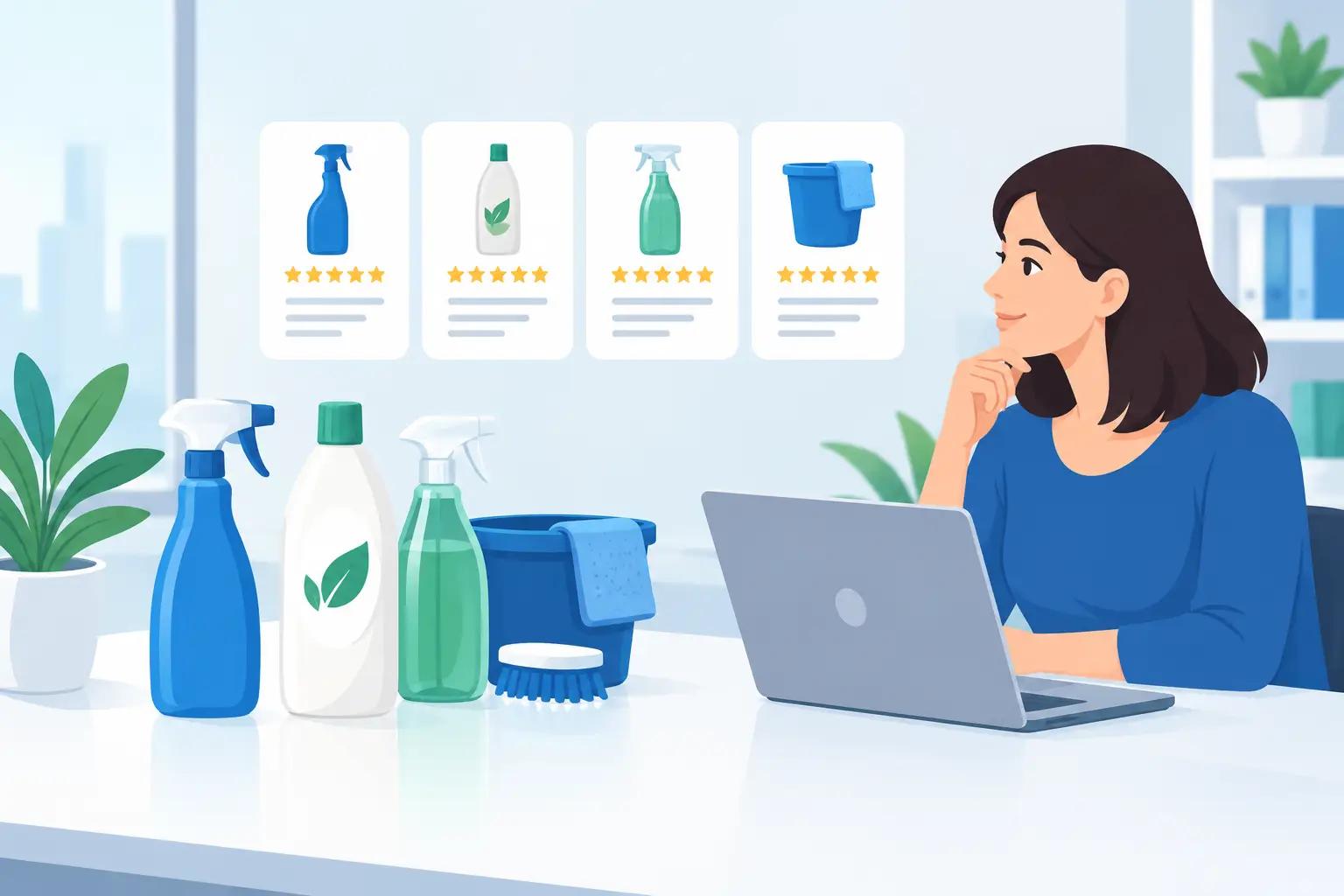
Professional cleaners generally bring the core products and equipment needed for routine work. This commonly includes cleaning cloths, mops, buckets, disinfectant, bathroom and kitchen cleaners, glass cleaner, dusting tools, gloves and vacuum equipment. A trained team should also know which products suit different surfaces, rather than using one harsh chemical across the whole property.
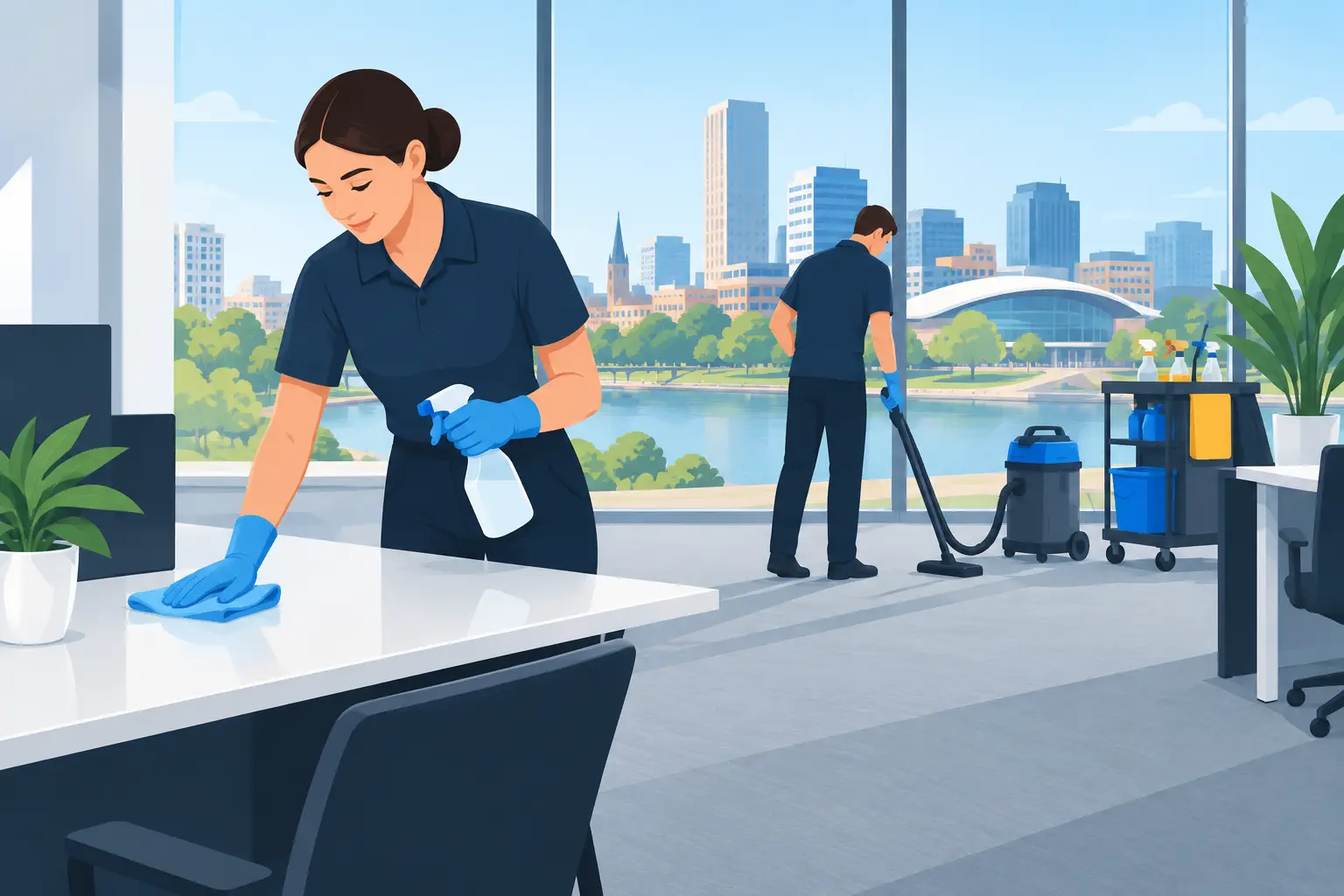
For a standard house clean, those supplies are usually enough to clean bathrooms, kitchens, floors, living areas and commonly used touchpoints. In an office, they support regular desk-area cleaning, washroom hygiene, rubbish removal, floor care and presentation of shared spaces.
That said, “supplies included” does not always mean every item is included without exception. Heavy-duty work, specialist stains, high windows, carpet extraction and post-construction dust can require different machinery or products. A clear quote should outline the scope so you know whether these are included, available as an add-on, or need to be discussed before the appointment.
What a professional cleaner should normally provide
The equipment a cleaner brings matters as much as the cleaning products. A quality service is not just about leaving a pleasant scent behind. It is about using appropriate tools, preventing cross-contamination and achieving a consistent finish.
For example, separate cloths and mop heads should be used for bathrooms, kitchens and general surfaces. Microfibre cloths can lift dust effectively without excessive product use, while a well-maintained vacuum is essential for removing dirt from rugs, hard floors and edges. Commercial sites may also need colour-coded equipment, safety signage and approved disinfectants.
Eco-friendly products are a worthwhile option for many homes and workplaces, particularly where children, pets, staff or clients are regularly on site. They still need to be selected carefully. “Natural” does not automatically mean suitable for every stone bench, timber floor or medical setting. Professional cleaners should follow product directions and match products to the surface and hygiene requirement.
At Spiffi Cleaning, trained cleaners arrive prepared with premium equipment and suitable cleaning products for the agreed service. This reduces the need for clients to source last-minute supplies and supports a reliable, consistent result.
When you may need to provide your own products
There are situations where it makes sense for the client to supply a particular product. This is not a sign that the cleaner is unprepared. It can be the safest and most practical choice.
If you have a preferred brand due to allergies, asthma, fragrance sensitivity or a household member’s medical needs, let the cleaning company know before the service. The team can confirm whether they can use it safely and whether it is suitable for the task. This is especially relevant for homes with newborns, pets or people sensitive to strong scents.
You may also wish to provide a specific product for a delicate surface. Natural stone, oiled timber, speciality appliances, antique furniture and certain painted finishes can be damaged by unsuitable chemicals. If the manufacturer recommends a particular cleaner, leave it out with clear instructions or advise the team in advance.
For commercial premises, site-approved products may be mandatory. Medical clinics, aged care facilities, food preparation areas and schools can have infection-control, safety data sheet or procurement requirements. In these settings, the cleaning provider and facility manager should agree on products, dilution procedures and storage before regular work begins.
Special cleaning jobs often need specialised supplies
Routine cleaning and deep cleaning are not the same job. A deep clean may involve soap-scum removal, built-up grease treatment, detailed skirting-board work, internal cupboards, grout attention or intensive bathroom descaling. It takes more time, and it may require stronger products and purpose-built tools.
End-of-lease cleaning is another common example. Tenants and property managers often need a property presented to inspection standard, with attention to ovens, rangehoods, bathrooms, floors, windows and fixtures. If carpet steam cleaning, blind cleaning, wall spot treatment or external window access is required, these items should be identified at quotation stage.
Post-renovation and post-construction cleaning require even greater care. Fine dust can settle in vents, tracks, cupboards and behind fixtures, while paint, silicone, grout haze or adhesive residue may need controlled removal. The wrong method can scratch glass, mark new flooring or damage freshly installed surfaces. A professional team should assess the site and bring equipment suited to construction dust and finishing work, not treat it like a weekly tidy-up.
What to confirm before your cleaner arrives
A brief conversation before the booking removes most uncertainty. Ask whether products, vacuum equipment, mop systems and rubbish bags are included. If you have a preference for fragrance-free or eco-friendly products, mention it when requesting a quote rather than on the day.
It is also useful to explain the type of flooring, any fragile items, pets on the premises and areas that need special attention. For an office or commercial site, share practical details such as access procedures, alarm requirements, parking, lift access, waste disposal arrangements and whether cleaning will occur during or outside business hours.
If you expect a particular outcome, be specific. “Please clean the bathroom” can mean a quick refresh to one person and detailed grout, shower-screen and vanity work to another. A clear scope helps the cleaner allocate the right time, equipment and products. It also gives you a fair basis for assessing the completed work.
Preparing the space helps cleaners work efficiently
Cleaners are there to clean, not sort through private paperwork, decide where belongings belong or move heavy furniture without prior approval. A little preparation allows more of the booked time to go towards the result you want.
Before the appointment, put away valuables, confidential documents and loose items from floors, benches and desks. Make sure there is access to power and water, and advise where parking is available. For homes, secure pets if they may be anxious around unfamiliar people or equipment. For businesses, nominate a contact person who can answer questions if needed.
You do not need to pre-clean. In fact, that defeats much of the purpose of booking a service. Simply clearing access to the areas you want cleaned gives the team room to work safely and thoroughly.
Supplies are only part of a dependable clean
Bringing products and equipment is the baseline. The real difference comes from how they are used: correct product selection, hygienic work practices, attention to detail and a team that arrives when promised. This matters whether you are preparing a rental for handover, keeping an Adelaide office presentable or making sure a busy household has one less job to carry.
When booking, choose clarity over assumptions. Confirm the supplies, explain the space and communicate any non-negotiables. That small amount of planning gives your cleaner the best chance to deliver the sparkle you expect, every time.