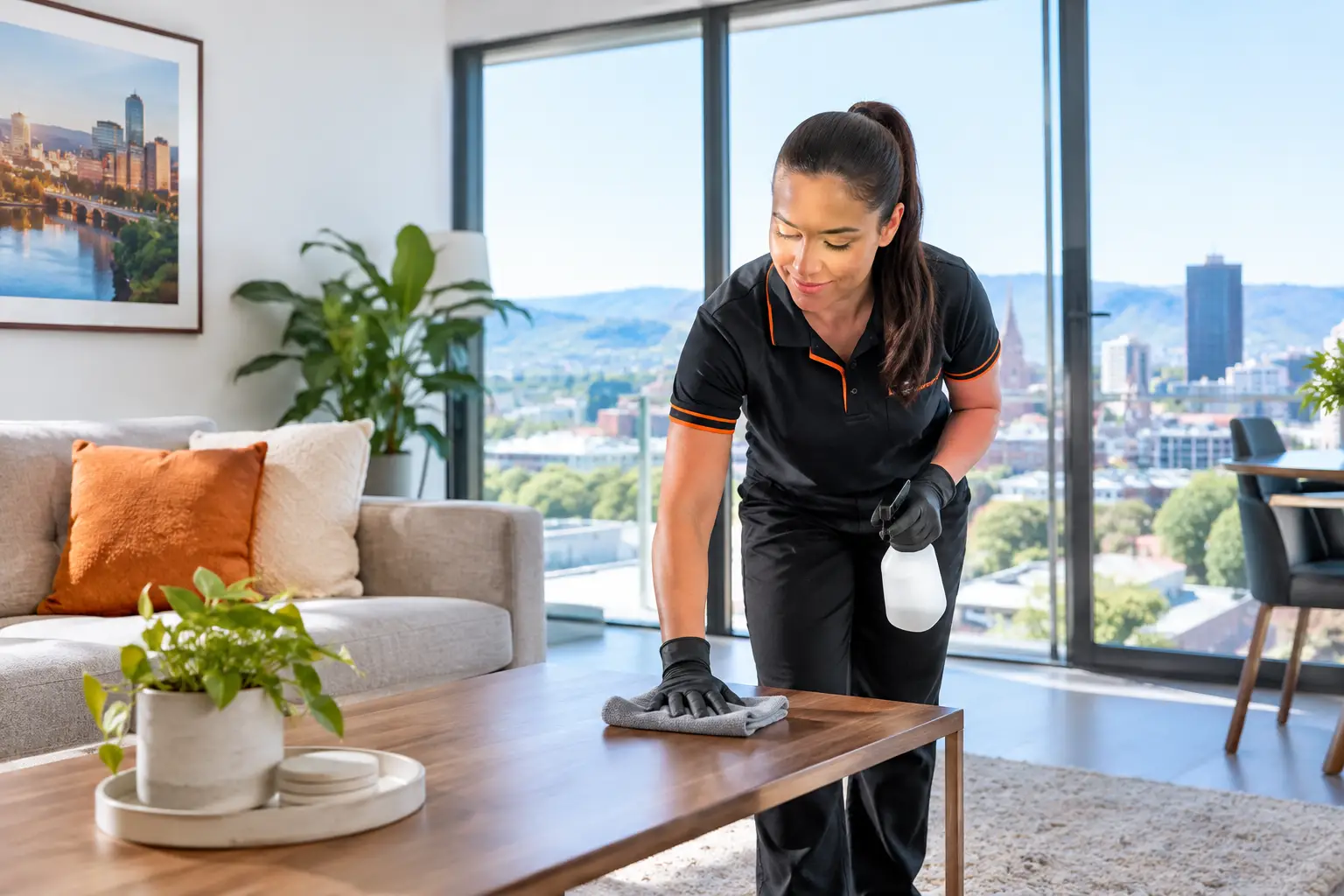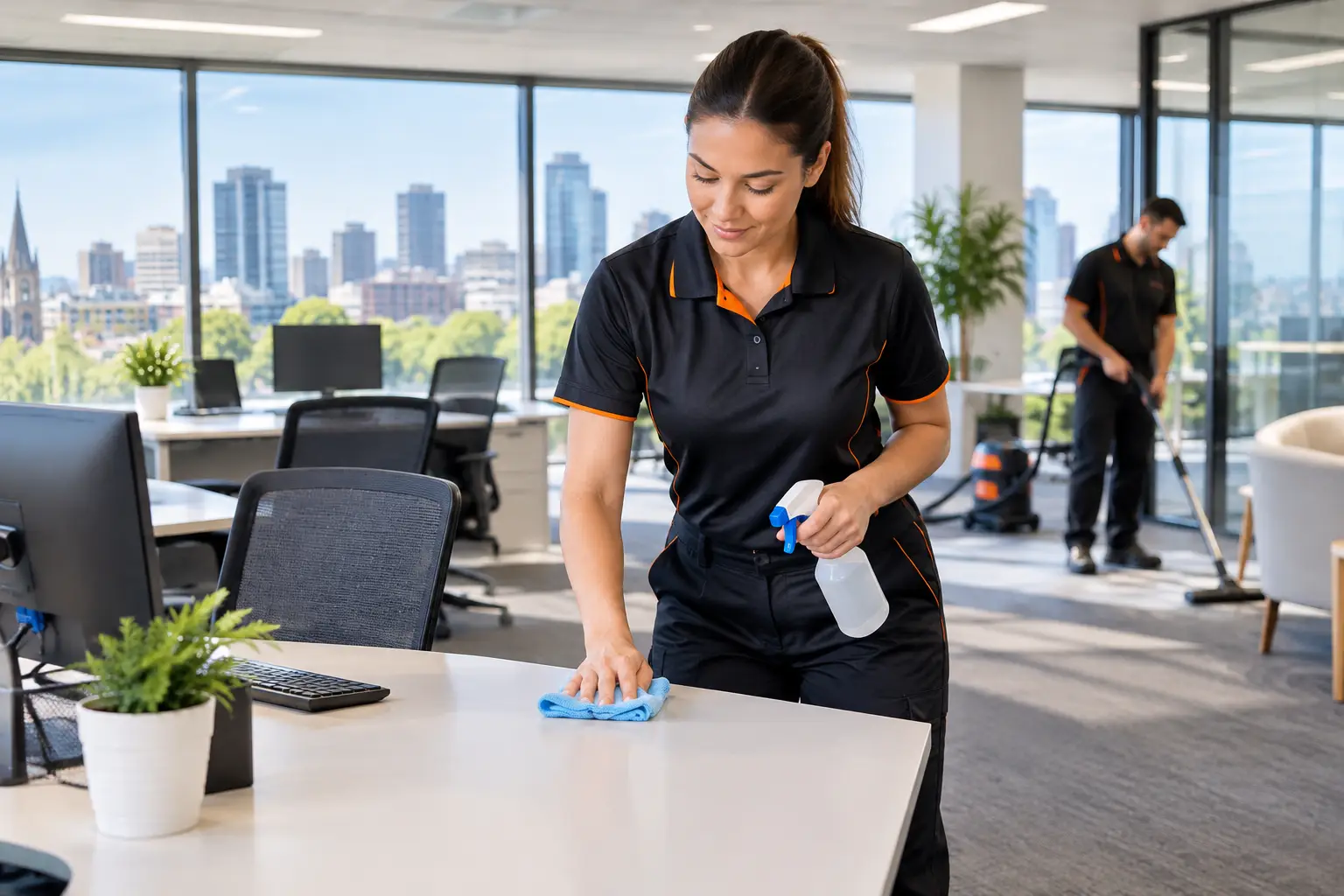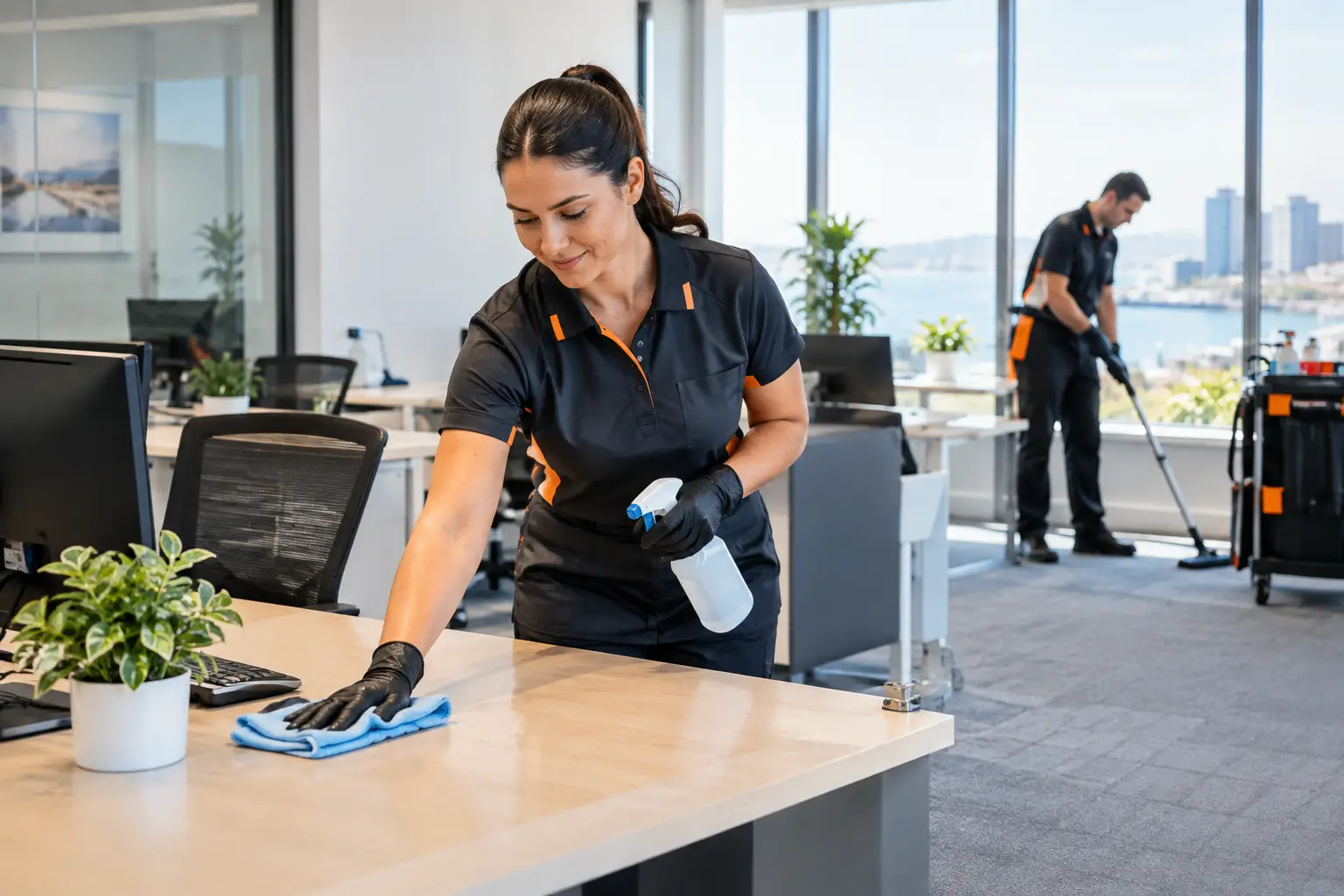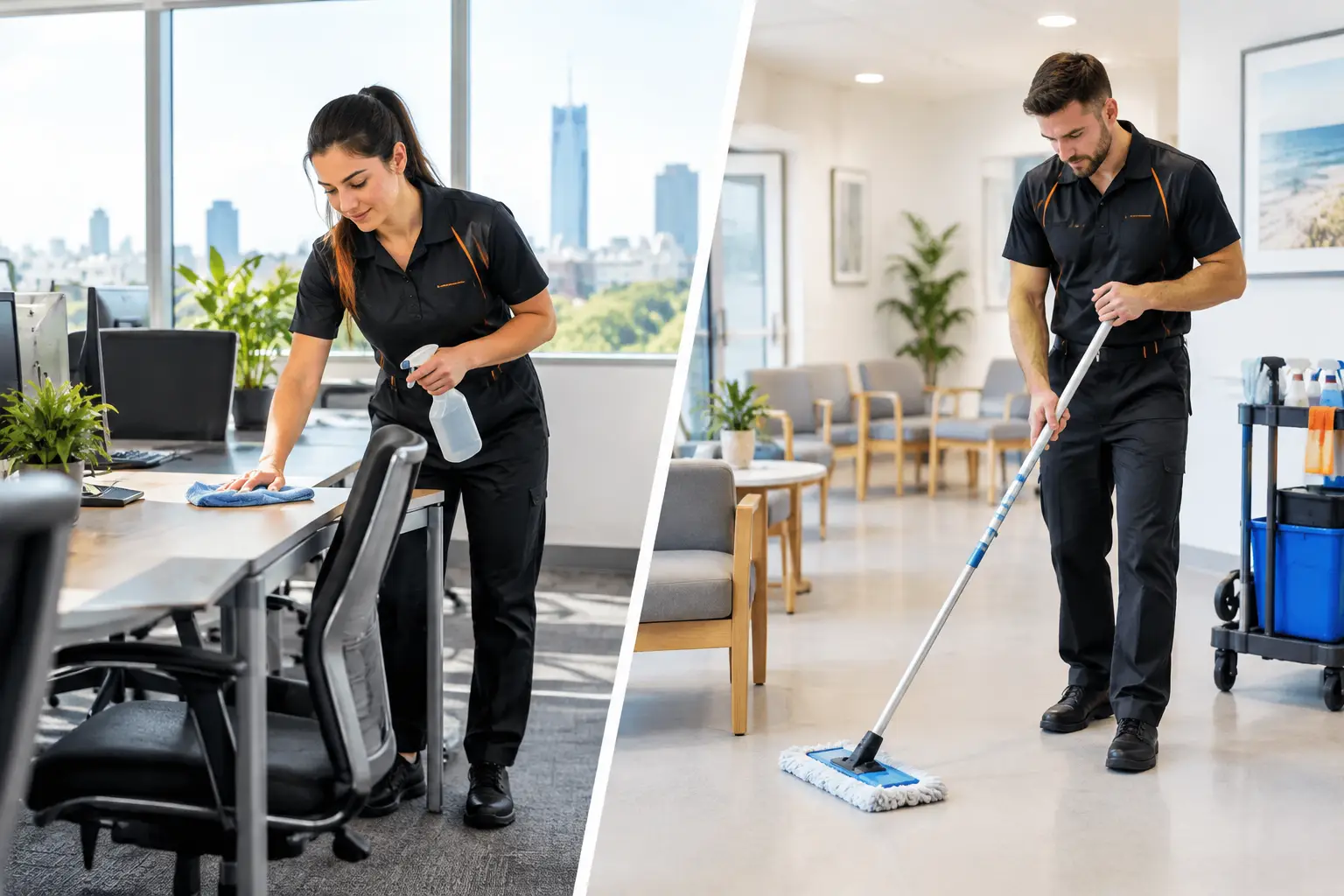
The reception counter may look clean at 5 pm, but that does not tell you whether the door handles, payment terminal, shared pens and waiting-room chairs have been cleaned in the right order with the right product. A good guide to infection control cleaning is about more than a tidy workplace. It gives staff, patients and visitors confidence that the areas they touch every day are being managed carefully and consistently.
For Adelaide offices, clinics and other shared workplaces, infection control cleaning needs to fit around real operations. The cleaner must work around appointments, confidential paperwork, staff movements and secure access, often after hours. The goal is practical: reduce contamination risks, keep the premises presentable and avoid adding another task to an already busy manager’s list.
What infection control cleaning actually involves
Infection control cleaning is a planned approach to cleaning shared environments in a way that reduces the spread of germs through surfaces, hands, equipment and waste. It combines routine cleaning, targeted disinfection and sensible work practices.
The distinction between cleaning and disinfecting matters. Cleaning removes visible soil, dust and organic material. Disinfecting uses an appropriate product to reduce germs on a surface. If a bench is visibly dirty, disinfectant applied straight over the top may not work as intended. The surface should be cleaned first, then disinfected according to the product directions.
This does not mean every surface needs heavy disinfectant treatment every day. A carpeted meeting room, for example, needs regular vacuuming and spot cleaning, while a shared kitchen bench needs more frequent attention. The right routine depends on how the space is used, who uses it and how often hands contact each surface.
Start with the areas people touch most
High-touch points are where a routine can make the biggest difference. These are the surfaces touched repeatedly by different people throughout the day, often without anyone noticing.
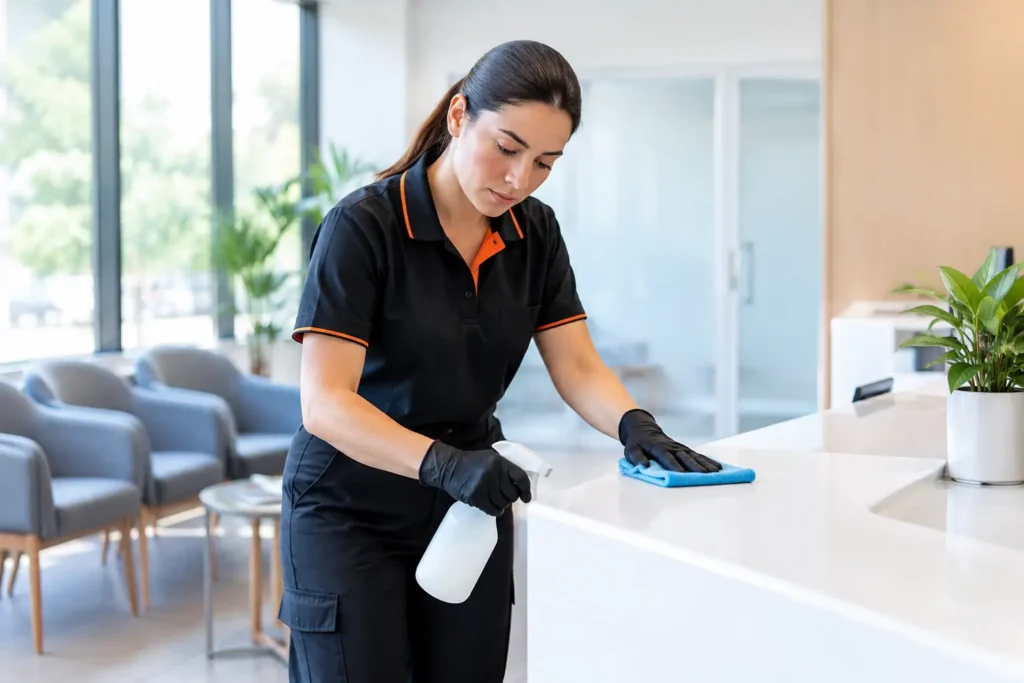
In an office, that commonly includes entry doors, lift buttons, desk phones, keyboards in shared workstations, light switches, printer controls, kitchen taps, fridge handles and bathroom fittings. In a medical centre, the list may also include reception counters, EFTPOS terminals, treatment room handles, waiting-area armrests and patient bathroom surfaces.
Frequency should reflect traffic, not habit. A quiet back-office door may only need attention in the standard nightly clean. A busy reception desk or patient toilet may need cleaning between scheduled services, particularly during periods of increased illness in the community. This is where a flexible cleaning plan is more useful than a one-size-fits-all checklist.
Divide the premises into practical zones
A clear zoning plan prevents missed areas and helps cleaners work methodically. Most workplaces can be separated into public zones, staff-only zones, bathrooms, kitchens or tea rooms, and clinical or treatment areas where relevant.
Public areas need to look clean at all times and receive attention to high-touch points. Staff areas need consistent cleaning too, especially shared kitchens and desks. Bathrooms require their own equipment and process to prevent cross-contamination. Clinical spaces may have site-specific instructions based on the services provided, materials used and practice policies.
Colour-coded cloths and mop heads are a simple control that makes a real difference. Equipment used in bathrooms should never move to desks, kitchen benches or reception counters. Cleaners also need a clear order of work: start with cleaner, lower-risk areas and finish with bathrooms or other higher-risk areas.
Choose products based on the surface and task
The strongest product is not automatically the best choice. Some disinfectants can damage finishes, leave residue, trigger sensitivities or be unsuitable for certain equipment. Reception screens, touchscreens, medical furniture, stainless steel, timber finishes and stone benches may all require different care.
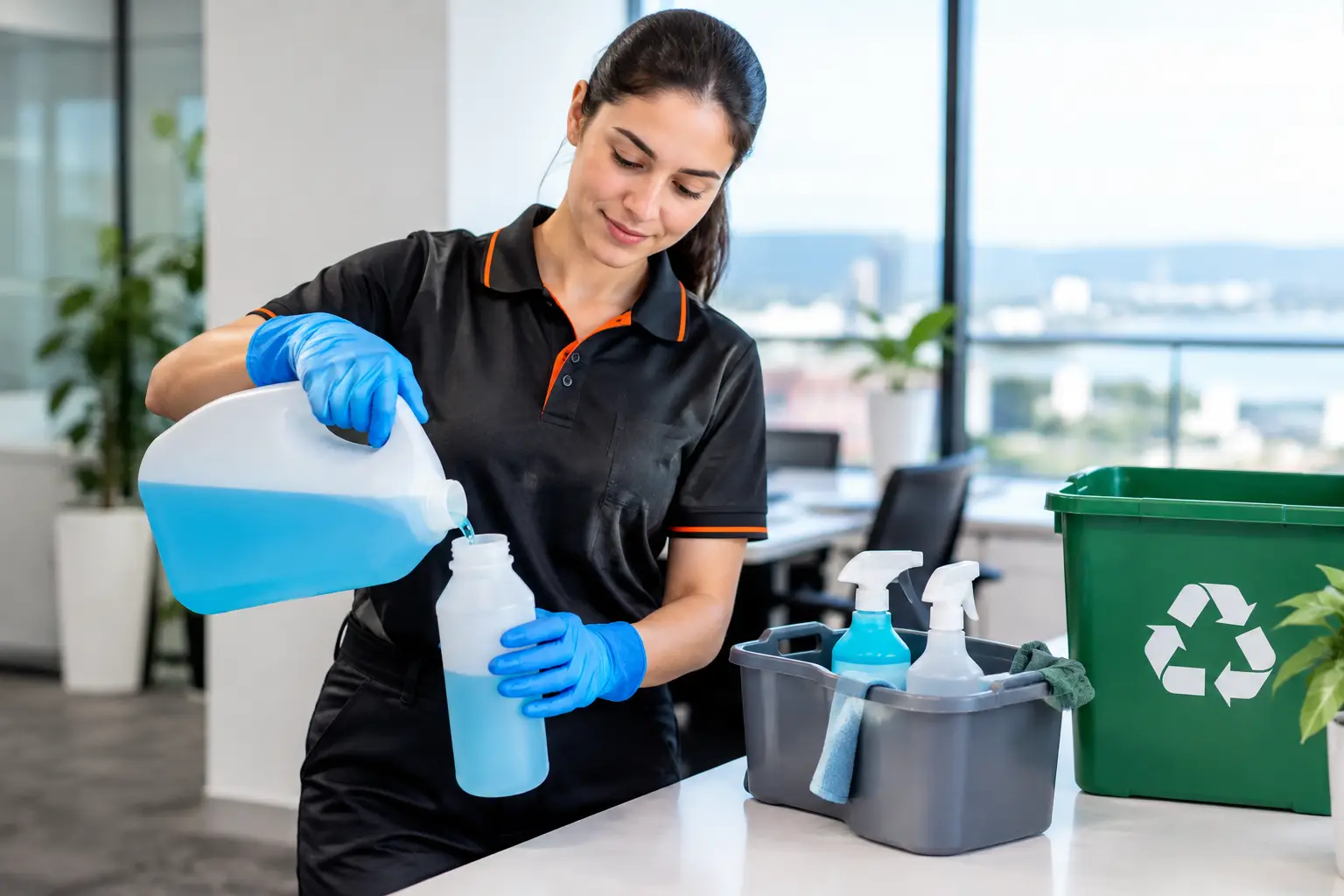
Read product labels and follow the stated dilution, application method and contact time. Contact time is the period a surface must remain wet for the disinfectant to work as directed. Wiping it dry too quickly can undermine the process, even when the correct product has been used.
Eco-friendly products can be part of an infection control plan, provided they are suitable for the task and used correctly. For routine cleaning, lower-impact products can reduce harsh odours and residue in busy workplaces. For targeted disinfection, select a product appropriate to the surface and the level of risk. It depends on the setting, so it is worth documenting approved products rather than leaving the decision to guesswork.
Build a guide to infection control cleaning around real workflows
A workable plan assigns responsibilities, timing and standards. It should not sit in a folder untouched while staff improvise around it. A practice manager, office manager or facility manager should be able to see what is cleaned, when it is cleaned and who checks the result.
For recurring commercial cleaning, a written scope is a useful starting point. It should identify daily tasks, periodic tasks and any high-priority areas. Daily work may include bathrooms, bins, vacuuming, kitchen surfaces and high-touch points. Weekly or monthly work might cover detailed dusting, interior glass, skirting boards, upholstery spot checks or deep cleaning of overlooked corners.
Cleaning contractors need accurate site information as well. That includes access arrangements, alarm procedures, keyholder contacts, areas that must remain locked, waste requirements and any rooms that should not be entered without approval. In a clinic, it may also include instructions for treatment rooms, confidential material and items that require special handling.
Keep hand hygiene visible and easy
Surface cleaning is only one part of infection control. Hand hygiene supports every other measure, particularly in shared workplaces where people move between rooms and touch common equipment.
Make handwashing facilities easy to find and keep them stocked with soap, paper towel and bins that are emptied regularly. Hand sanitiser can be helpful near entrances, reception points and shared spaces, but it should not replace access to proper handwashing where that is needed. Cleaners can help by maintaining these areas, but staff also need to report empty dispensers or faults promptly.
Manage waste and spills without shortcuts
General rubbish removal should be routine, but waste from a medical or clinical setting may require separate procedures. Follow your workplace policy and applicable requirements for any material that could present a health risk. A cleaner should never be expected to make a judgement call without clear instructions and suitable training.
Spills need a simple escalation process. For an ordinary drink spill, the response may be straightforward. For body-fluid spills or broken contaminated items, the area may need to be isolated, cleaned using the correct personal protective equipment and managed under the site’s documented procedure. The key is preparation. Staff should know who to notify and cleaners should have the correct supplies available.
Check the quality, not just the attendance
A cleaner turning up on time is essential, but it is not the full measure of quality. Regular checks catch small problems before they become a pattern: a neglected basin edge, smudged glass at the entrance, a missed bin behind a desk or a dispenser running low.
Walk through the site at different times of day. Look at high-touch surfaces under normal lighting, check bathrooms after busy periods and ask staff whether any areas are repeatedly missed. Feedback works best when it is specific. “The kitchen needs more attention” is less useful than “Please clean the microwave handle, tap base and cupboard pulls during each service.”
A reliable cleaning partner should communicate changes, report maintenance issues and respond when priorities shift. At Spiffi Cleaning, that detail-led approach helps Adelaide workplaces maintain consistent standards without disrupting staff, patients or visitors.
Train for consistency and protect the people doing the work
Infection control cleaning relies on the person carrying out the task. Written procedures are useful, but training, supervision and appropriate equipment are what turn them into consistent results. Cleaners need to understand product directions, cross-contamination controls, safe handling, security expectations and what to do when something is outside the normal scope.
Personal protective equipment should match the task. Gloves are not a substitute for hand hygiene, and wearing the same gloves across multiple rooms can spread contamination rather than prevent it. Gloves should be changed when moving between tasks or zones, and hands should be cleaned after removal.
For business owners and managers, the best plan is one people can follow on a busy Tuesday, not just one that reads well on paper. Set clear priorities, review them when your workplace changes and choose cleaning support that treats the small details as part of the job. That is how a clean workplace becomes easier to trust each day.