The difference between a clinic that looks clean and one that is hygienically ready for patients is what happens between appointments, at closing time and when a spill occurs. This clinic sanitation workflow example shows how a practical routine can give staff clear responsibilities, reduce missed touchpoints and support a consistently professional environment.
For Adelaide clinics, the right workflow is not simply a long cleaning checklist. It is a repeatable sequence built around the way people actually move through the premises: from reception and waiting areas to consult rooms, treatment spaces, amenities and waste collection points. The result should be clean, orderly rooms without interrupting patient care.
Start with zones, risk and responsibility
Every clinic has different traffic patterns and infection-control requirements. A physiotherapy practice, dental surgery, GP clinic and cosmetic treatment provider may all need professional cleaning support, but the surfaces, waste streams and between-patient processes are not identical. Your workflow should always align with the clinic’s infection prevention policies, manufacturer directions for equipment and any applicable regulatory requirements.
The most reliable starting point is to divide the premises into zones. Low-risk spaces include offices and some staff areas. Shared public spaces include reception, waiting rooms and amenities. Clinical spaces include consult rooms and treatment areas, while higher-risk zones may include procedure rooms or areas handling clinical waste.
Assigning ownership matters as much as defining the work. Clinical staff may need to clean and disinfect specific equipment between patients, while a trained cleaning team manages floors, amenities, shared touchpoints and scheduled deep cleaning. When responsibilities overlap without being documented, essential jobs are easily assumed to be someone else’s task.
Clinic sanitation workflow example: from opening to close
A good workflow follows the daily rhythm of the clinic rather than leaving all cleaning until the end of the day. The following example can be adapted to suit appointment volume, room turnover and the services provided.
Before opening: prepare the space
The first task is a visual and hygiene check before patients arrive. Reception counters, door handles, seating and payment terminals should be free of dust, smudges and rubbish. Amenities need toilet paper, hand soap, paper towels or hand-drying facilities, and sanitary bins checked according to the clinic’s arrangements.
In treatment and consult rooms, staff should confirm that required supplies are stocked, clean linen is available where relevant and waste receptacles are correctly lined. Floors should be inspected for obvious debris or spills. This opening check is also the right time to identify maintenance issues, such as a leaking tap, damaged dispenser or loose flooring, before they affect the patient experience or create a safety risk.
Between appointments: reset the patient zone
Between-patient work is where a clinic sanitation workflow succeeds or fails. It must be brief enough to fit real appointment times but thorough enough to address the areas a patient and clinician have just used.
The process generally starts by removing used disposable items and segregating waste in line with the clinic’s procedures. Next, clean any visible soil from the treatment surface, chair, bench or equipment exterior. Apply the approved disinfectant where required, using the dilution, contact time and compatibility instructions provided by the product manufacturer. Wiping a surface dry immediately may mean the disinfectant has not had enough time to work.
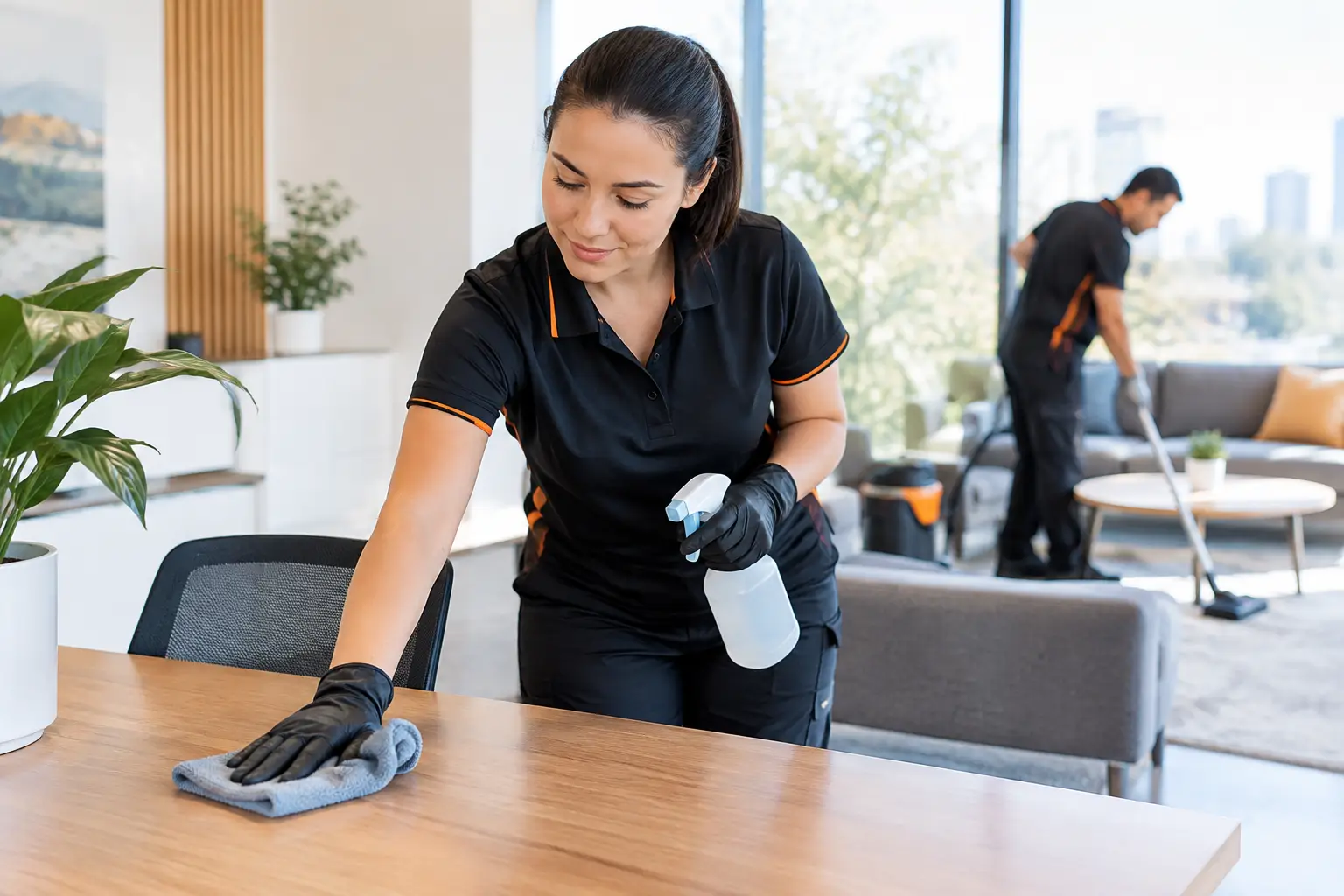
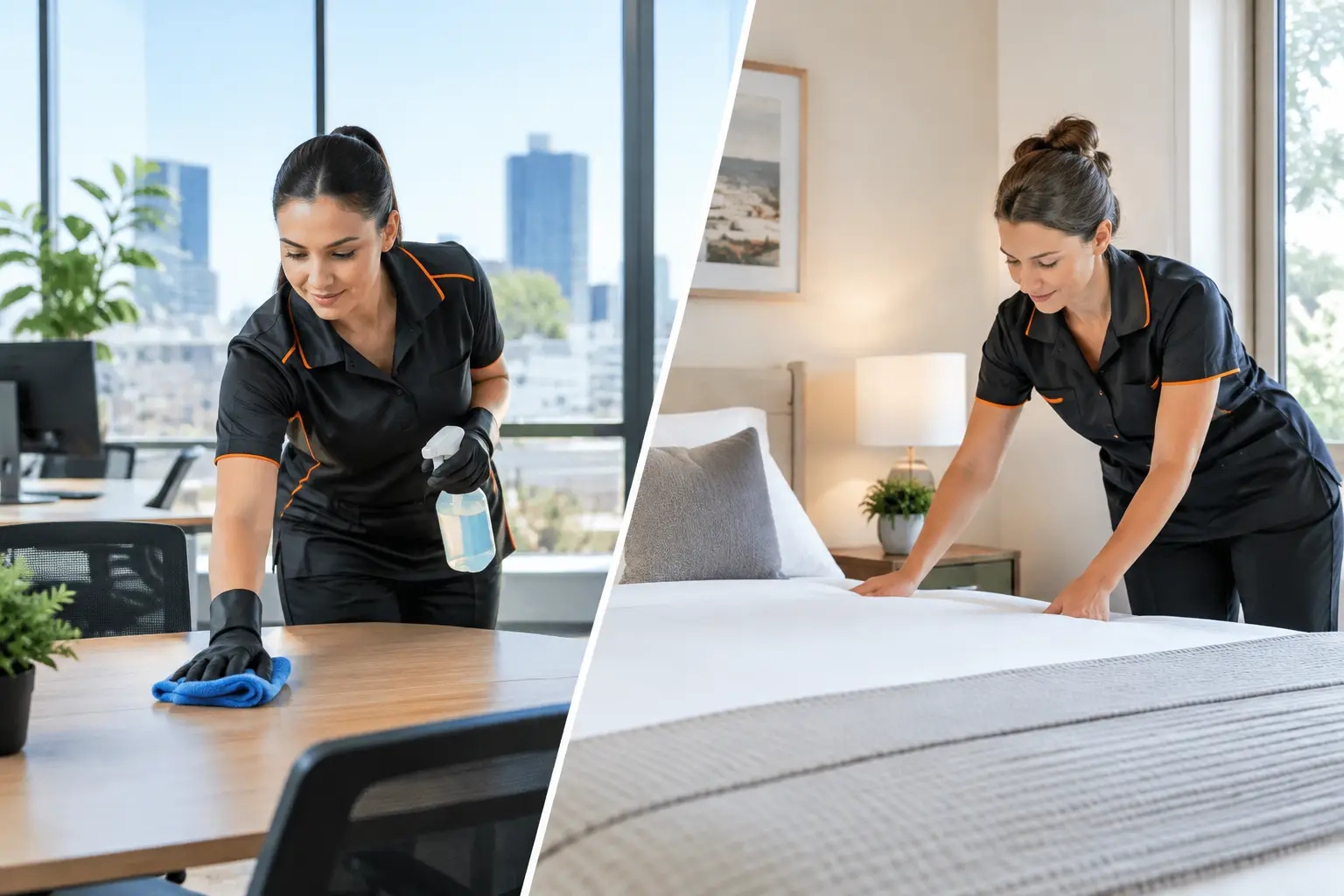
Frequently handled items deserve special attention. Depending on the room, this can include door handles, light switches, chair arms, examination couches, taps, keyboards, pens, call buttons and touchscreen devices. Avoid using a single cloth across multiple rooms or zones. Colour-coded, freshly laundered microfibre cloths help prevent cross-contamination and make it easier for staff to follow the system correctly.
The final step is to restore the room. Replace consumables, straighten seating or linen as needed and check that the room looks calm and ready for the next patient. Presentation is not separate from hygiene. A tidy, prepared room reassures patients that the clinic is organised and attentive.
During the day: maintain shared areas
Reception and waiting areas receive constant contact from patients, visitors and staff. These spaces need scheduled attention throughout the day, especially during busy periods. High-touch surfaces should be cleaned at a frequency based on traffic, while visibly soiled areas should be addressed immediately.
A practical midday round can include wiping counters and reception screens, disinfecting shared touchpoints as required by clinic policy, emptying rubbish before bins overflow, spot-cleaning glass and tidying seating. Amenities should also be checked and refreshed. If the clinic sees high patient numbers, more frequent checks may be necessary. A low-volume specialist clinic may require fewer rounds, but the standard should remain the same.
Spills should never wait for the next scheduled clean. Staff need a simple escalation process: isolate the area where necessary, use appropriate personal protective equipment, follow the clinic’s spill response procedure and record the incident if required. The correct response depends on the material involved, so general cleaning methods should not be used for situations that require a specific clinical protocol.
At close: complete the daily clean
After the last patient, the cleaner or allocated team can work through a more comprehensive close-down routine. Start in cleaner areas and move towards higher-risk or dirtier zones, using separate equipment for amenities and clinical spaces. This prevents contaminants being carried back into reception or treatment rooms.
Daily close-down work commonly includes vacuuming or mopping floors with suitable products, cleaning and disinfecting shared surfaces, sanitising amenities, removing rubbish and replacing liners. Benches, sinks, mirrors, door frames and skirting areas should be checked rather than treated as occasional extras. Small details quickly affect how clean a clinic feels.
Cleaning equipment must be cleaned, stored and maintained properly after use. Mop heads and cloths should be laundered or disposed of according to their intended use, chemical bottles labelled, and equipment kept in a clean storage area. Reusing dirty tools can undo the value of an otherwise careful service.
Build weekly and periodic tasks into the plan
Daily routines keep the clinic presentable and hygienic. They do not replace the detailed work that protects the condition of the premises over time. A weekly or fortnightly schedule can cover tasks that need more time, such as detailed vacuuming around furniture, cleaning internal glass, wiping vents and ledges, treating marks on walls, and cleaning behind movable items.
Periodic work may include machine floor cleaning, upholstery cleaning, high dusting, window cleaning and a deeper clean of storage rooms. The right frequency depends on the layout, floor type, foot traffic and services delivered. For example, a carpeted waiting room may need more frequent attention during wet Adelaide winters, while a hard-floor treatment area may benefit from regular machine cleaning to protect both appearance and slip resistance.
Use a simple record, not a complicated binder
A sanitation workflow only becomes dependable when it can be checked. A concise sign-off sheet or digital log is usually enough. Record the date, time, area completed, staff member or cleaning provider, and any issues requiring follow-up. This gives the practice manager visibility without creating unnecessary paperwork.
For recurring commercial cleaning, clear communication is equally valuable. If a room is unavailable, an event changes foot traffic or a spill needs urgent attention, the cleaning team should know who to contact and how quickly a decision can be made. Reliable service is built on these small operational details.
Common gaps that weaken clinic cleaning standards
Many clinics have a cleaning routine, but the routine may not match the real risks of the premises. The most common problem is relying on a nightly clean alone. By closing time, high-touch surfaces may have been used by dozens of people, and an overflowing waiting-room bin can affect patients long before the cleaner arrives.
Another gap is confusing cleaning with disinfecting. Cleaning removes dirt and organic material. Disinfection is a separate step used where the clinic’s procedures require it. Product selection, contact time and safe use all matter, particularly around sensitive equipment and patient-facing surfaces.
Finally, avoid treating cleaning staff as an afterthought. Professional cleaners need a site induction, access to approved products and equipment, clear room priorities and a defined reporting process. Police-checked, trained staff and consistent quality checks give clinic managers greater confidence that the work will be completed properly, even when schedules change.
A well-designed workflow gives patients a cleaner first impression, gives staff a clearer routine and gives managers fewer loose ends to chase. Whether cleaning is managed in-house or supported by a specialist provider such as Spiffi Cleaning, the best system is the one your team can follow confidently every day.