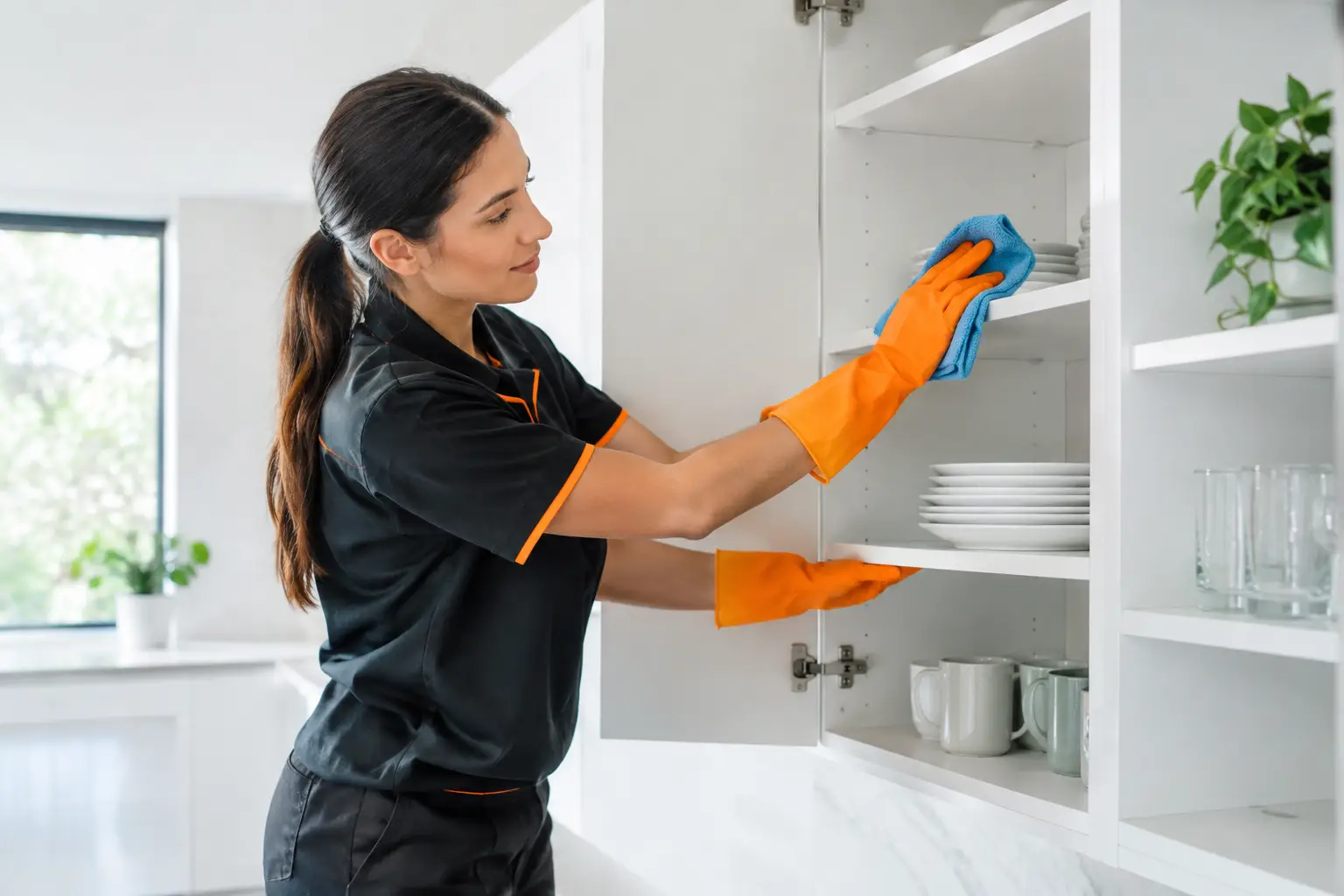
A customer may not comment on a dusty shelf or a marked glass door, but they will notice it. In retail, cleanliness influences whether people feel comfortable browsing, trying products and returning to your store. Knowing how to improve retail cleanliness is therefore not just about presentation. It is about protecting your brand, reducing hygiene risks and giving your team a workplace they can take pride in.
The challenge is that retail spaces get dirty while business is happening. Foot traffic tracks in grit, fitting rooms become untidy, fingerprints build up on displays and spills need attention before they turn into a slip hazard. A once-a-day clean is necessary, but it is rarely enough on its own. The best results come from a clear routine that separates immediate tasks from deeper, scheduled work.
Start with the customer journey
Walk through your store as if you were visiting for the first time. Begin outside, move through the entrance, browse the main aisles, use the change rooms or service counter, then visit the toilets if customers can access them. This simple exercise reveals the surfaces shoppers see and touch most often.
The entrance sets expectations before a customer has viewed a single product. Keep glass doors free of handprints, sweep or vacuum entry mats, remove cobwebs around signage and make sure the footpath immediately outside is presentable. During wet weather, place clean, secure mats where they can capture moisture without creating a trip point. In Adelaide’s dry conditions, dust and grit can accumulate quickly near doorways, so entrances often need more attention than managers expect.
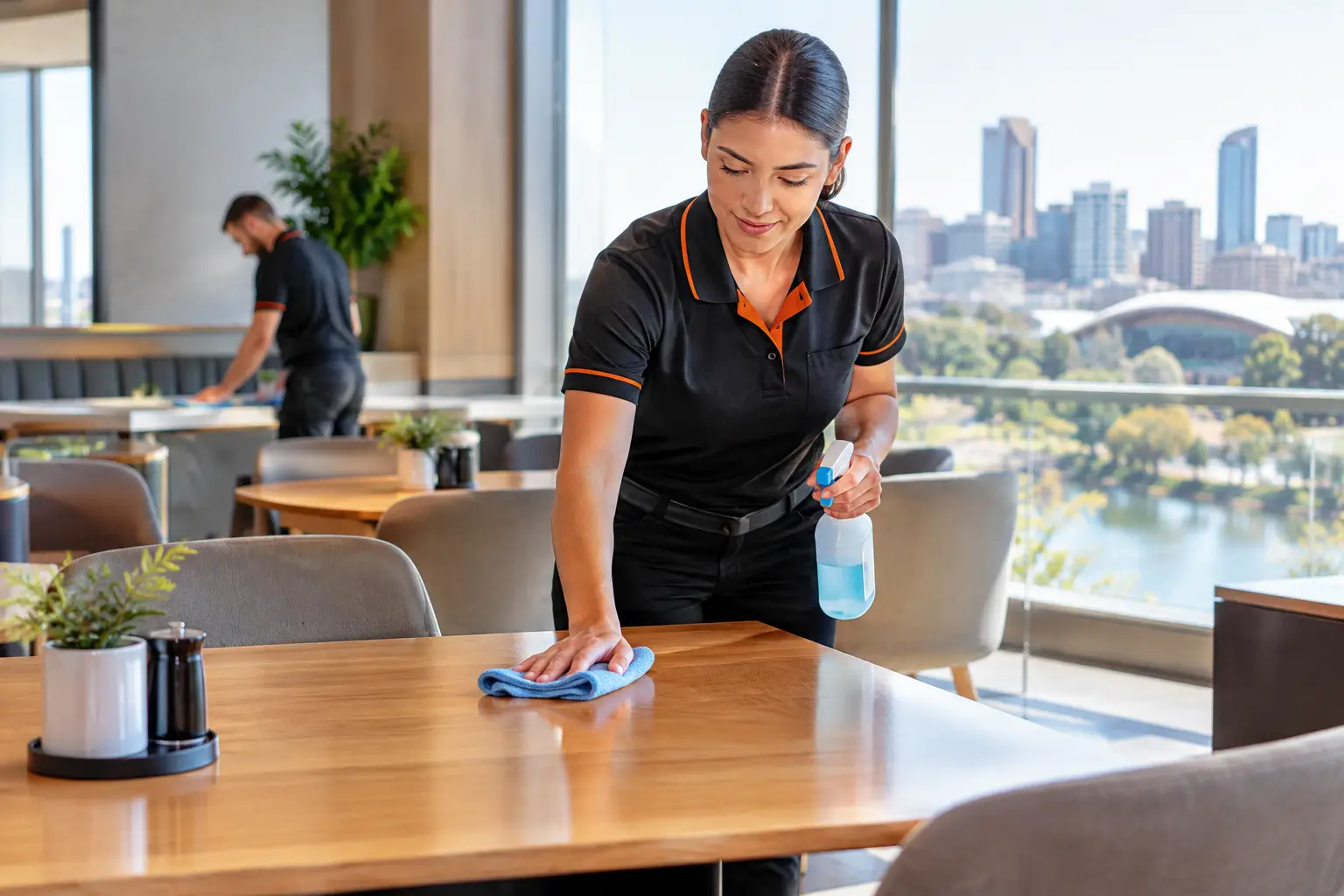
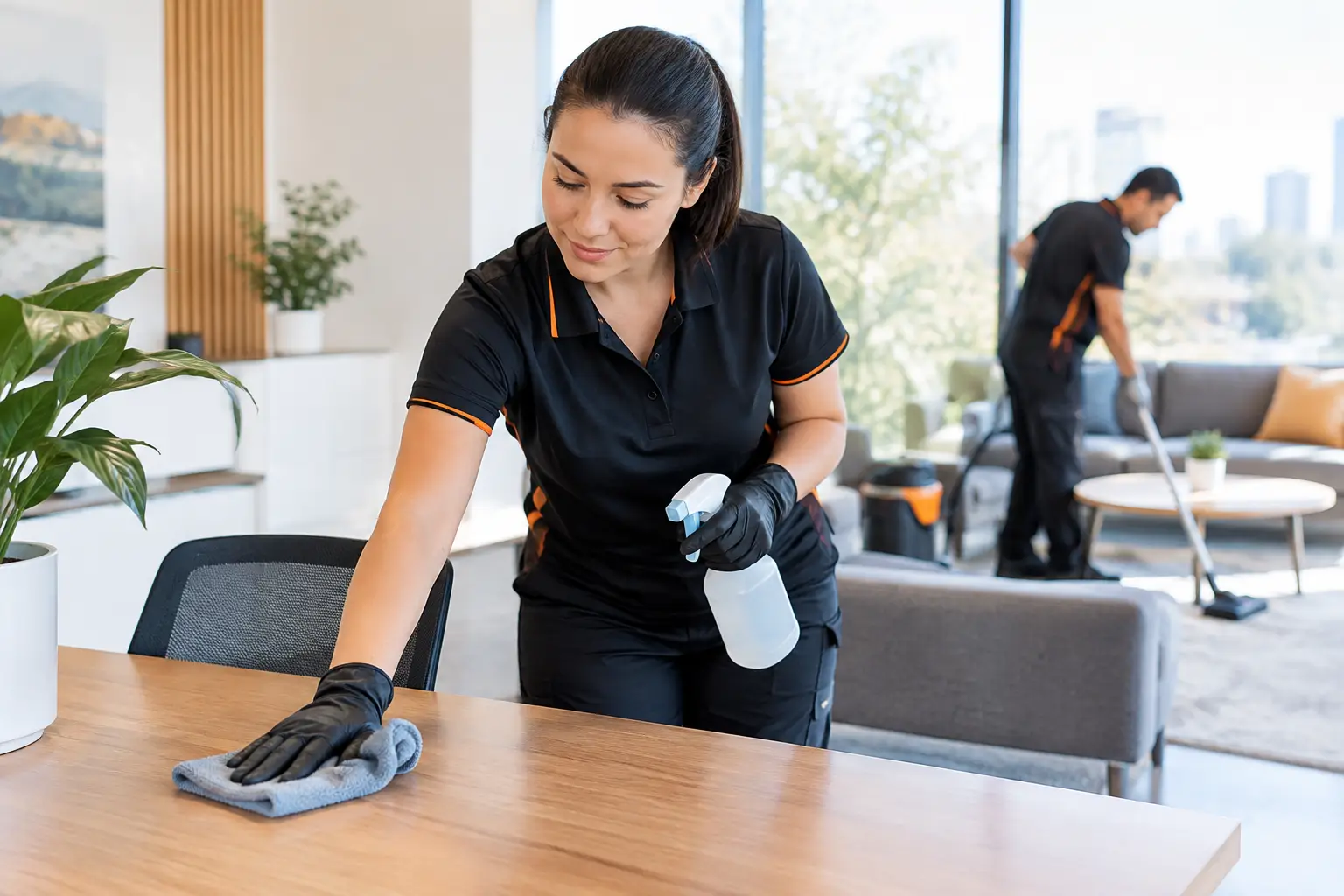
Inside, focus first on high-contact and high-visibility areas. Countertops, EFTPOS terminals, door handles, basket handles, trolley grips, mirrors, display tables and fitting-room hooks all affect the shopper’s impression. Cleaning these areas regularly also helps limit the transfer of germs during busy trading periods.
Build a retail cleaning schedule that works in trading hours
A detailed schedule removes guesswork. Staff should know what needs to be checked, how often it is checked and who is responsible. The aim is not to make retail workers spend their whole shift cleaning. It is to make small, timely tasks part of the operating rhythm, while deeper cleaning is handled at quieter times or by a professional cleaning team.
Opening checks should prepare the store for its first customers. Floors need to be free of visible debris, counters wiped, bins emptied, bathrooms checked and glass polished where needed. A quick scan of shelves and displays can also identify dust, product leakage or damaged packaging before customers see it.
During trade, use short reset checks. The right frequency depends on your foot traffic, store layout and product range. A quiet boutique may only need hourly attention to touchpoints and fitting rooms, while a busy supermarket, pharmacy or shopping-centre store may need checks every 20 to 30 minutes. Keep cleaning supplies accessible to authorised staff, but stored neatly and away from food, merchandise and customer areas.
Closing is the time for more thorough work. This may include vacuuming or mopping floors, disinfecting high-touch points, wiping down fixtures, cleaning staff areas and restocking bathroom consumables. Rather than relying on memory, use a sign-off checklist. It creates accountability and makes recurring issues easier to spot.
Match the task to the surface
Not every surface needs the same product or method. Using a harsh chemical on the wrong finish can dull display cabinetry, damage flooring or leave streaks on glass. Colour-coded cloths and mop heads help prevent cross-contamination between bathrooms, food areas, floors and general surfaces.
Follow product directions, particularly for disinfectants. A surface may need to remain wet for a stated contact time before it is wiped or allowed to air dry. Spraying and immediately removing a product can leave an area looking clean without delivering the hygiene result you intended.
Put floors and bathrooms at the centre of the plan
Customers judge floors instinctively. Scuff marks, litter, sticky patches and dusty corners make a space feel neglected, even if your displays are perfectly arranged. Floors also carry the greatest safety risk, especially around entrances, cool rooms, fitting rooms and service counters.
Choose a floor-care routine suited to the material. Hard floors generally need regular sweeping or vacuuming before mopping, because grit can scratch surfaces when it is dragged across them. Carpets benefit from frequent vacuuming and planned deep cleaning to remove embedded soil and maintain their appearance. If your retail site has polished concrete, timber-look vinyl or specialist tiles, confirm that the cleaning products are appropriate for the finish.
Bathrooms require a separate, documented standard. They should be checked for odour, toilet paper, soap, hand-drying supplies, clean basins, mirrors and dry floors. A bathroom can look acceptable from the doorway while still failing on the details customers notice up close. Regular checks matter more than one intensive clean at the end of the day.
Make stock areas part of the standard
Back-of-house spaces are easy to overlook because customers do not see them directly. Yet a cluttered storeroom slows staff down, increases trip hazards and makes pest control more difficult. Dusty stock, overflowing cardboard and poorly managed rubbish can also affect the condition of products before they reach the shop floor.
Create clear zones for incoming deliveries, stock awaiting shelving, returns, cleaning supplies and rubbish. Keep emergency exits, electrical panels and walkways unobstructed at all times. Flatten cardboard promptly and arrange regular rubbish collection if packaging volume is high. For retailers handling food, cosmetics or health-related products, follow the applicable hygiene and storage requirements for your category.
Staff rooms deserve the same care. A clean kitchenette, fridge, microwave and locker area supports staff wellbeing and reduces the chance that food spills or odours carry into customer-facing spaces. When the team sees a consistent standard behind the scenes, they are more likely to maintain it on the floor.
Train staff without making cleaning an afterthought
The most effective retail cleaning routine is practical enough to follow on a busy Saturday. Show staff where equipment is stored, which products are safe for each surface and what to do when a spill occurs. Training should cover safe manual handling, wet-floor signage, chemical storage and when to escalate a problem rather than attempting to fix it alone.
Give staff permission to act quickly. If someone notices a spill, a messy fitting room or a full bin, the expectation should be clear: make it safe, clean it if appropriate, or notify the person responsible straight away. Delays are where a small issue becomes a safety incident or a poor customer experience.
It also helps to appoint a shift leader to complete quick visual checks. This is not about blaming people for a missed mark on a window. It is about catching problems early and keeping standards consistent across different shifts.
Use professional cleaning for the work that needs more time
Internal routines are ideal for daily resets, but they have limits. Deep floor cleaning, high dusting, window cleaning, detailed bathroom sanitation and after-hours full-site cleans often need specialised equipment, trained staff and enough uninterrupted time to do the job properly.
The right service frequency depends on your store. A small, low-traffic retailer may benefit from weekly professional cleaning plus daily staff checks. A busy retail site, medical retailer or food-adjacent business may require several scheduled visits each week. Consider trading hours, customer numbers, floor type, tenancy requirements and whether cleaning can be completed after closing.
A professional provider should offer clear scopes of work, dependable scheduling and a way to report concerns. At Spiffi Cleaning, trained and police-checked staff can support Adelaide retailers with tailored commercial cleaning that fits around trading hours, including regular, detailed and one-off cleaning needs.
Review standards when the store gets busier
A cleaning plan should change when the business changes. Review it before seasonal sales, product launches, school holidays, centre-wide events or major promotional periods. More customers usually mean more frequent bathroom checks, entryway maintenance and fitting-room resets.
Pay attention to recurring feedback from staff and customers. If floors look marked by mid-afternoon, your schedule may need an additional clean rather than more effort at closing. If fingerprints keep appearing on glass displays, place a quick polish into the midday routine. Small adjustments make standards easier to maintain than an unrealistic checklist.
The goal is a store that feels cared for at every point in the day, not only in the first ten minutes after opening. When cleaning is planned around how people actually shop and work, customers can focus on your products, staff can work more confidently and your retail space stays ready for the next person through the door.