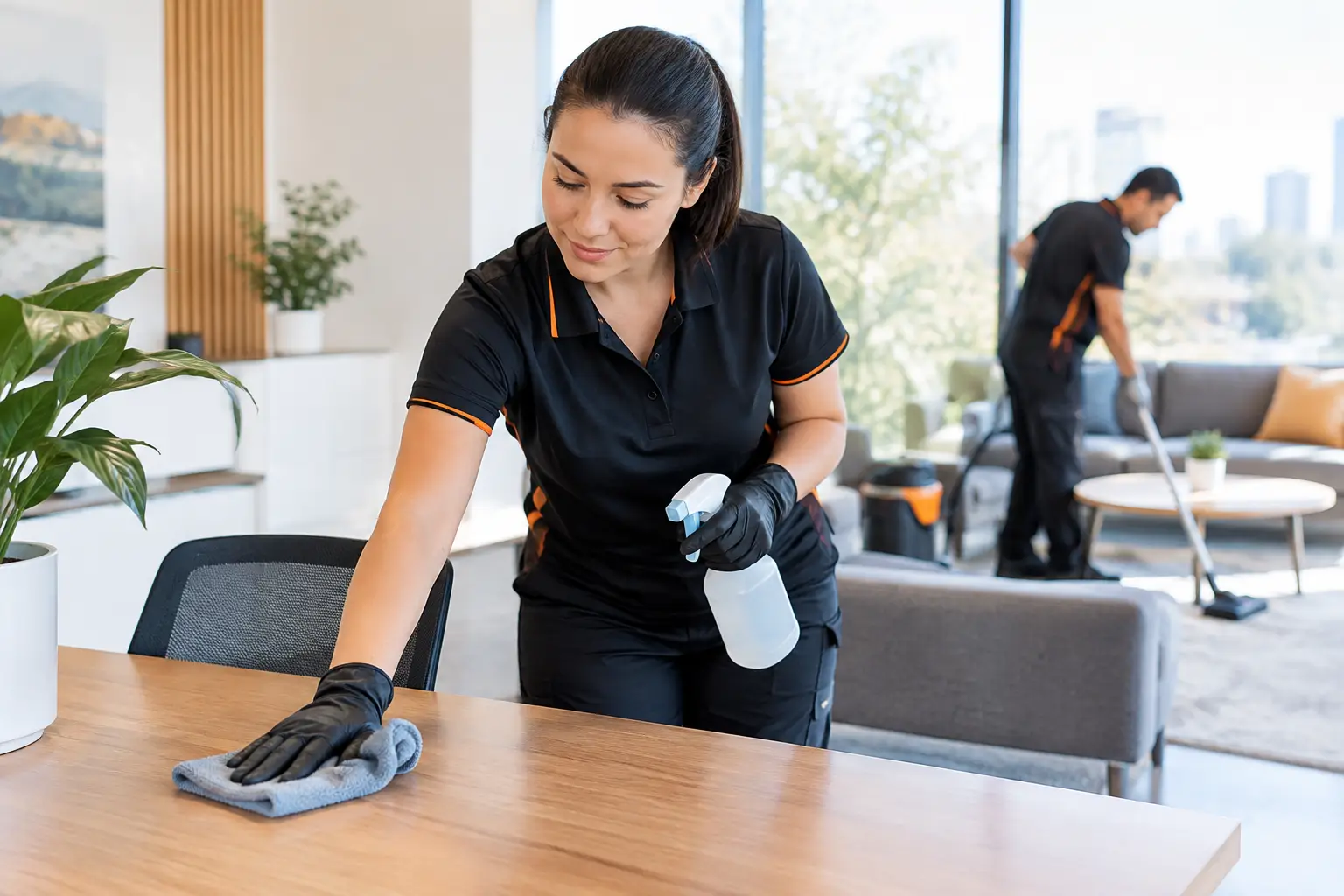
A cupboard door can look clean from across the room while its handles feel sticky, the top edge holds dust, and crumbs collect inside. Professional cleaners clean cupboards as part of maintaining a workplace or home that feels properly cared for, not just quickly tidied. The method matters because cupboards come in different materials, sit near food or clinical supplies, and are touched more often than many people realise.
For Adelaide offices, medical centres and busy homes, cupboard cleaning is usually a small task with a noticeable result. Clean, mark-free doors lift the look of a kitchenette, reception area, treatment room or bathroom. More importantly, regular attention stops grime building up until it needs heavy scrubbing or causes damage to the finish.
How cleaners clean cupboards in workplaces
A reliable clean starts with checking what the cupboards are made from and how they are used. Laminated cabinetry, painted timber, melamine, stainless steel and natural timber all need a slightly different approach. A cleaner should not use the same product or amount of moisture on every surface.
In an office kitchen, the focus is often fingerprints, cooking residue, tea and coffee splashes, and crumbs around handles and hinges. In a clinic, cupboards may hold consumables or equipment, so the cleaner needs to follow the agreed cleaning scope and avoid disturbing stock. In a home, the job may include cupboard fronts every visit, with internal shelves cleaned on a rotating deep-clean schedule.
The aim is simple: remove visible dirt, reduce the buildup that makes surfaces feel grimy, and leave cupboards dry and presentable for the people using them next.
Start with a quick condition check
Before cleaning, a professional looks for loose hinges, peeling laminate, water damage, chipped paint and heavy grease. These details affect the products and pressure that can be used safely.
For example, a greasy kitchenette cupboard near a microwave may need a mild degreasing solution, while a dusty filing cupboard may only need a microfibre wipe. If moisture has lifted the edge of laminate, soaking the area can make the problem worse. A good cleaner reports noticeable damage rather than trying to scrub it away.
This is one reason consistency matters. When the same cleaning provider understands your site, they are more likely to notice when a cupboard has changed from normal wear to a maintenance issue.
Remove loose dust and crumbs first
Dry soil should come off before any damp wiping begins. This may mean using a clean, dry microfibre cloth along door tops, inside corners, shelf edges and around handles. In kitchen cupboards, crumbs and loose debris are removed carefully so they are not smeared into the surface.
The often-missed areas are the ones that make cupboards feel neglected: the narrow rail above a door, the underside of handles, the groove around a panel and the ledge beside hinges. They do not always show up in a quick visual check, but staff and visitors notice them when they open a cupboard or make a coffee.
Use the right cleaner, not the strongest one
More product is not always better. Harsh chemicals can dull painted doors, damage timber coatings and leave residue that attracts fresh dust. Professional cleaners generally use a suitable diluted cleaning solution and clean microfibre cloths, changing cloths as needed rather than spreading grease from one area to another.
For areas where hygiene is a priority, cleaning and disinfecting are separate steps. Soil must be removed before a disinfectant can work as intended. The appropriate product, contact time and process will depend on the room, the surface and your site’s cleaning requirements. In a medical setting, this should always align with the practice’s agreed procedures.
Cupboard fronts are wiped from top to bottom, with care taken around joins and edges. Handles, pulls and frequently touched touchpoints are cleaned thoroughly. On shiny finishes, the final wipe is usually dry or lightly buffed to prevent streaks.
Keep water away from vulnerable edges
Too much water is one of the quickest ways to spoil cabinetry. It can seep into particleboard, cause swelling around edges or leave marks on timber. This is why an experienced cleaner uses a damp cloth rather than a dripping one and dries the surface after cleaning where needed.
The same care applies to internal shelves. If a cupboard has been emptied for a deep clean, shelves are wiped, dried and only then restocked. Items should be returned in an orderly way, but cleaners should not guess where clinical stock, confidential files or specialised supplies belong. Clear instructions from the site manager prevent disruption.
What is included inside cupboards?
It depends on the cleaning agreement. Exterior cupboard doors, handles and visible edges are often included in regular office, clinic and house cleaning because they are high-touch surfaces. Internal cupboards are more commonly included in periodic deep cleaning, move-out cleans, post-renovation work or a specific request.
Inside a kitchen cupboard, cleaning may involve removing crumbs, wiping shelves and dealing with minor spills. It does not necessarily mean emptying every cupboard at every service. That approach can take time, interrupt staff and create a risk of moving items that should stay organised.
For a medical centre, internal cleaning needs even clearer boundaries. Cupboards holding patient-related materials, medications or clinical supplies should only be cleaned in line with the practice’s directions. The practical solution is to identify which cupboards can be cleaned routinely, which need staff to empty them first, and which are excluded.
At home, interior cupboard cleaning is especially useful before a rental handover, after a renovation, when moving in, or when a pantry has had a spill or pest issue. For routine house cleaning, it is usually more sensible to prioritise frequently used cupboards and rotate the rest.
A practical cupboard-cleaning schedule
The right frequency is based on traffic and use rather than a fixed rule. A low-use office storage cupboard may only need a detailed clean occasionally. Kitchen cupboards near staff lunch areas may need more regular attention, particularly handles and door fronts.
In clinics, reception and staff kitchen cabinetry can receive a lot of daily contact. Regular cleaning helps maintain a professional presentation for patients while keeping the day-to-day workload off the practice team. In homes, cupboard fronts near the cooktop, bin or kettle tend to need attention sooner than bedroom storage.
A sensible recurring plan usually covers external surfaces and handles as part of standard cleaning, then adds internal shelves and detailed edges on an agreed rotation. If the site has an upcoming inspection, staff event, tenant changeover or deep clean booked, cupboard interiors can be added where they will make the biggest difference.
Common mistakes that leave cupboards looking worse
The biggest mistake is wiping every cupboard with the same dirty cloth. Grease from the kitchen can transfer to other surfaces, and dust can leave streaks on darker cabinetry. Fresh cloths and a clear cleaning order keep the result consistent.
Another common issue is spraying cleaner directly onto the door. Excess product can run into hinges, joints and vulnerable edges. Applying product to the cloth first gives better control and reduces unnecessary moisture.
Finally, cupboards are sometimes cleaned only at eye level. Door tops, bottom edges, kickboards and handle undersides are easily missed. These are small details, but they are exactly what separate a quick wipe-down from a properly maintained space.
When to ask for a deeper cupboard clean
If cupboard doors feel tacky after normal wiping, there is visible grease near food preparation areas, or internal shelves have spills and debris, it is time for a more detailed clean. The same applies after building work, a move, a tenant changeover or a long period without regular cleaning.
Let your cleaner know what you need cleaned and what must not be touched. A clear scope protects your belongings, avoids delays and means the team can arrive with the right products and equipment. For busy workplaces, after-hours cleaning can also allow cupboard interiors and kitchen areas to be addressed without getting in the way of staff or patients.
Spiffi Cleaning approaches cupboards as part of the bigger picture: clean details, clear communication and a workplace or home that is ready for the next day. A quick conversation about your high-use areas is often all it takes to turn a missed task into one less thing to manage.