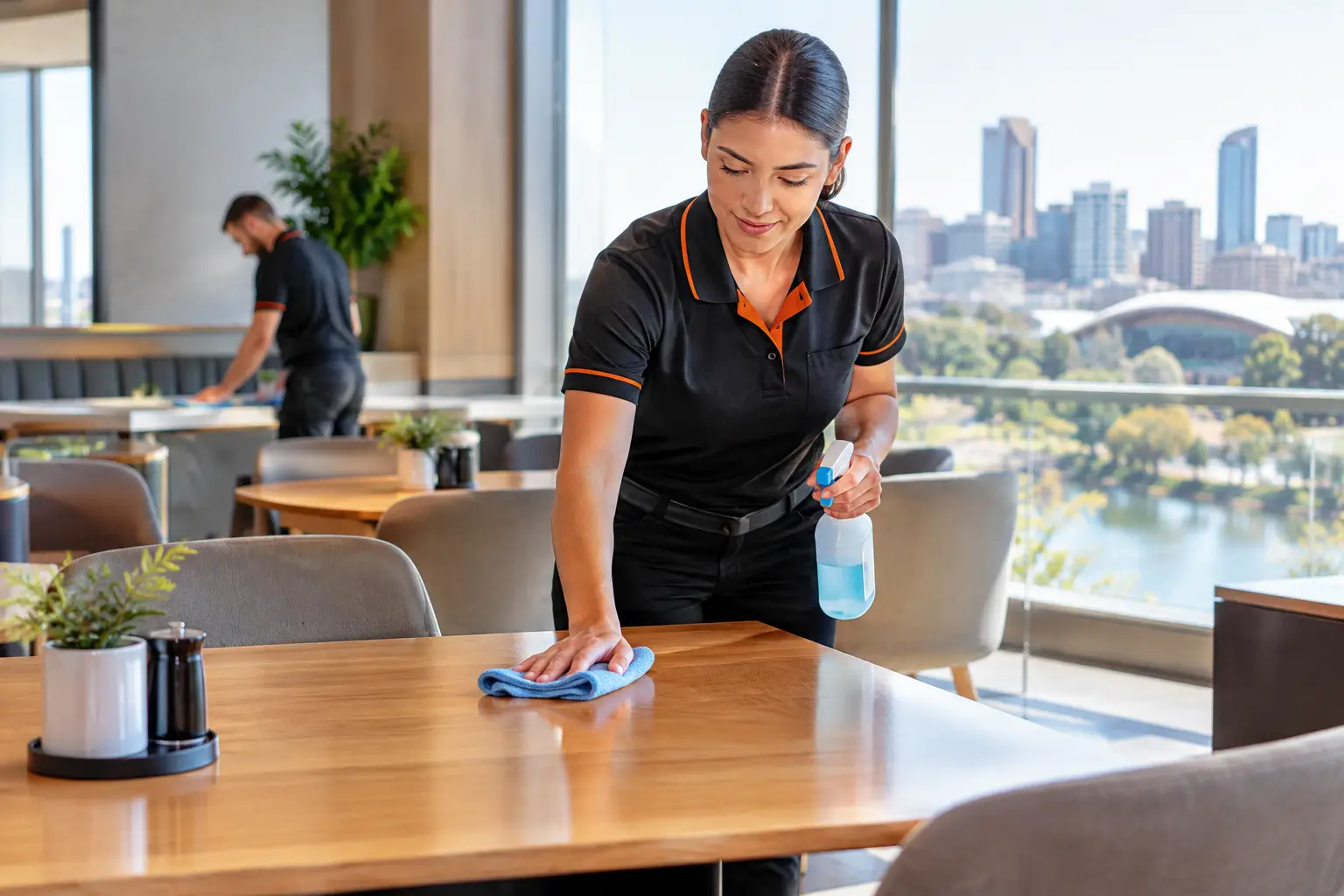
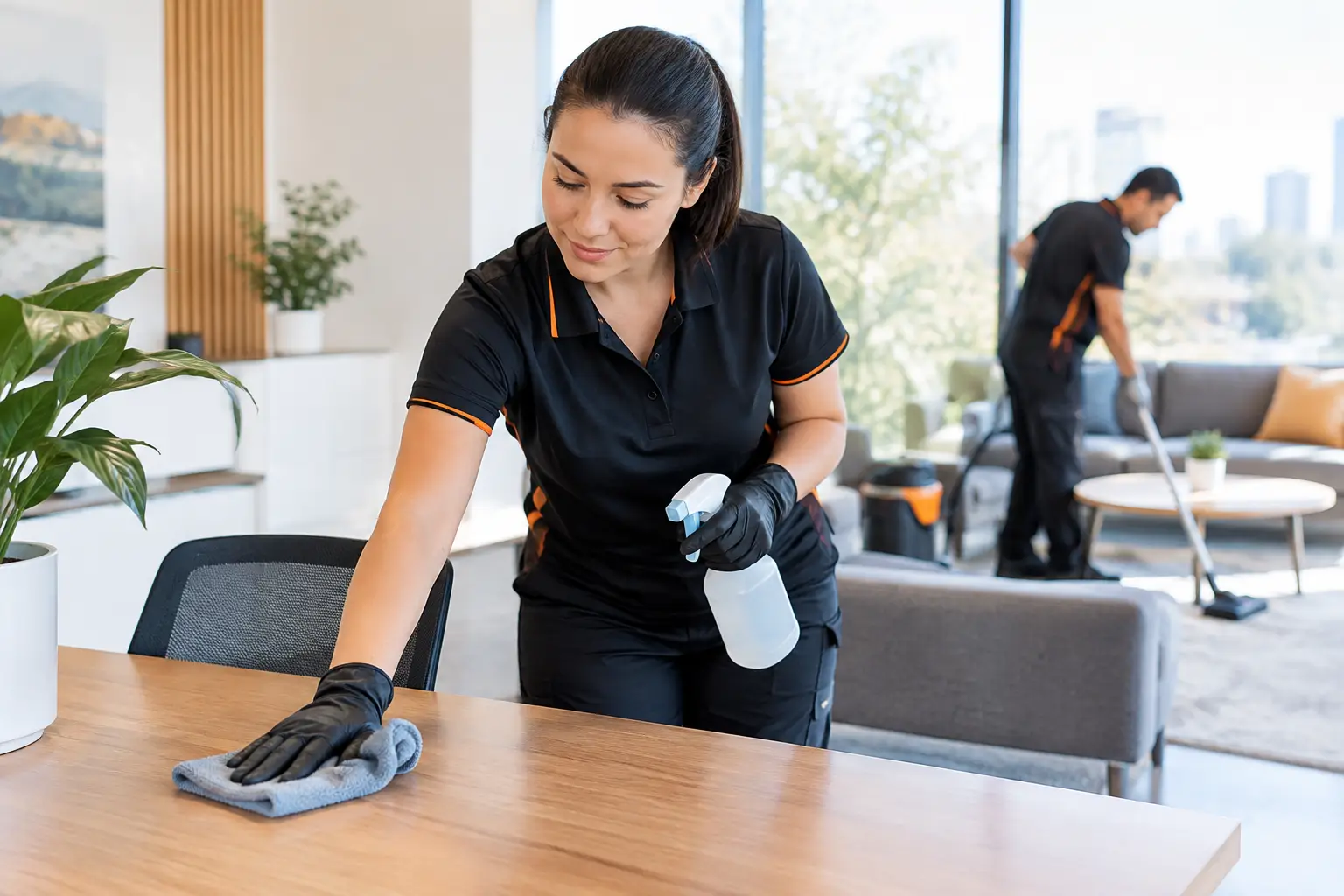
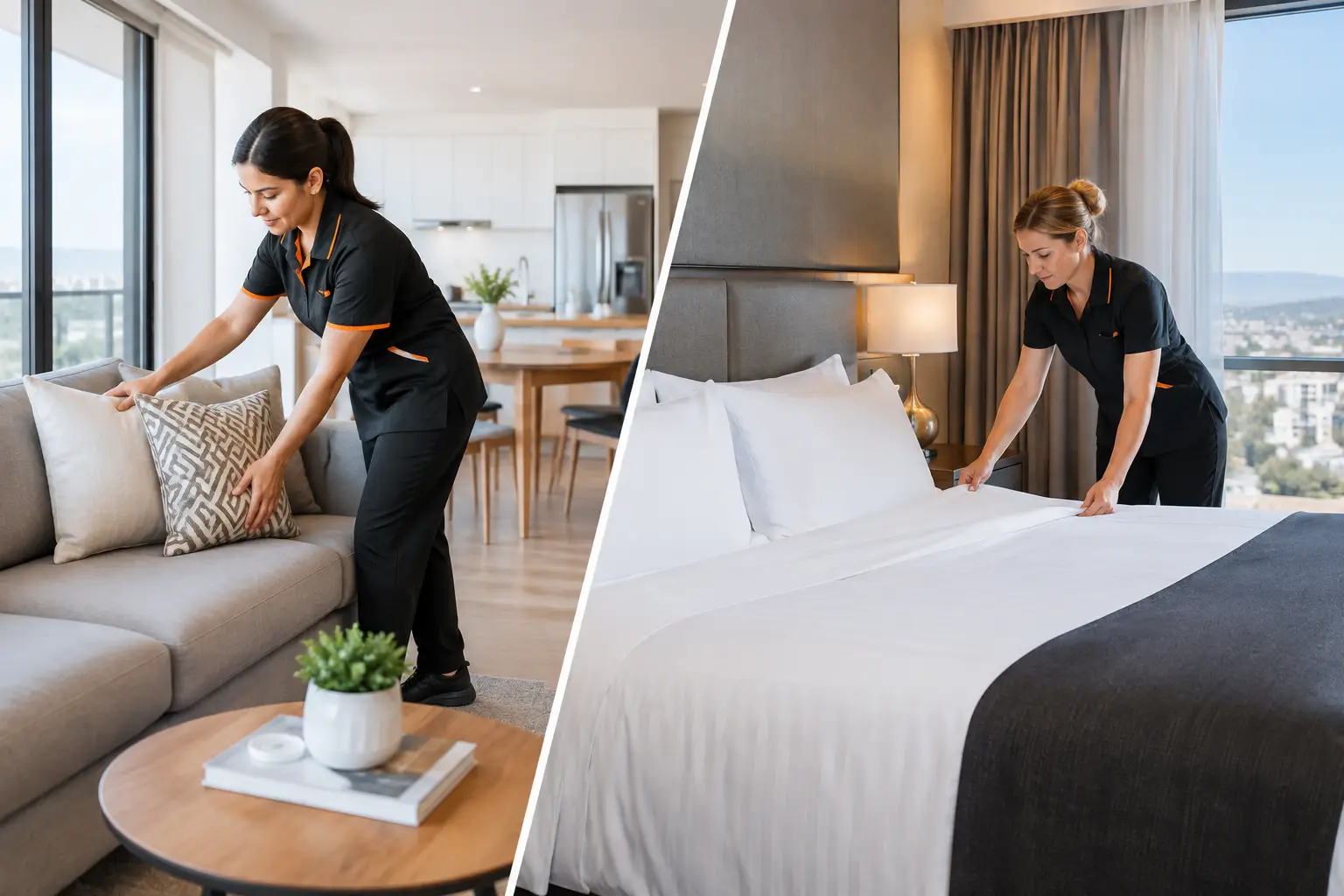
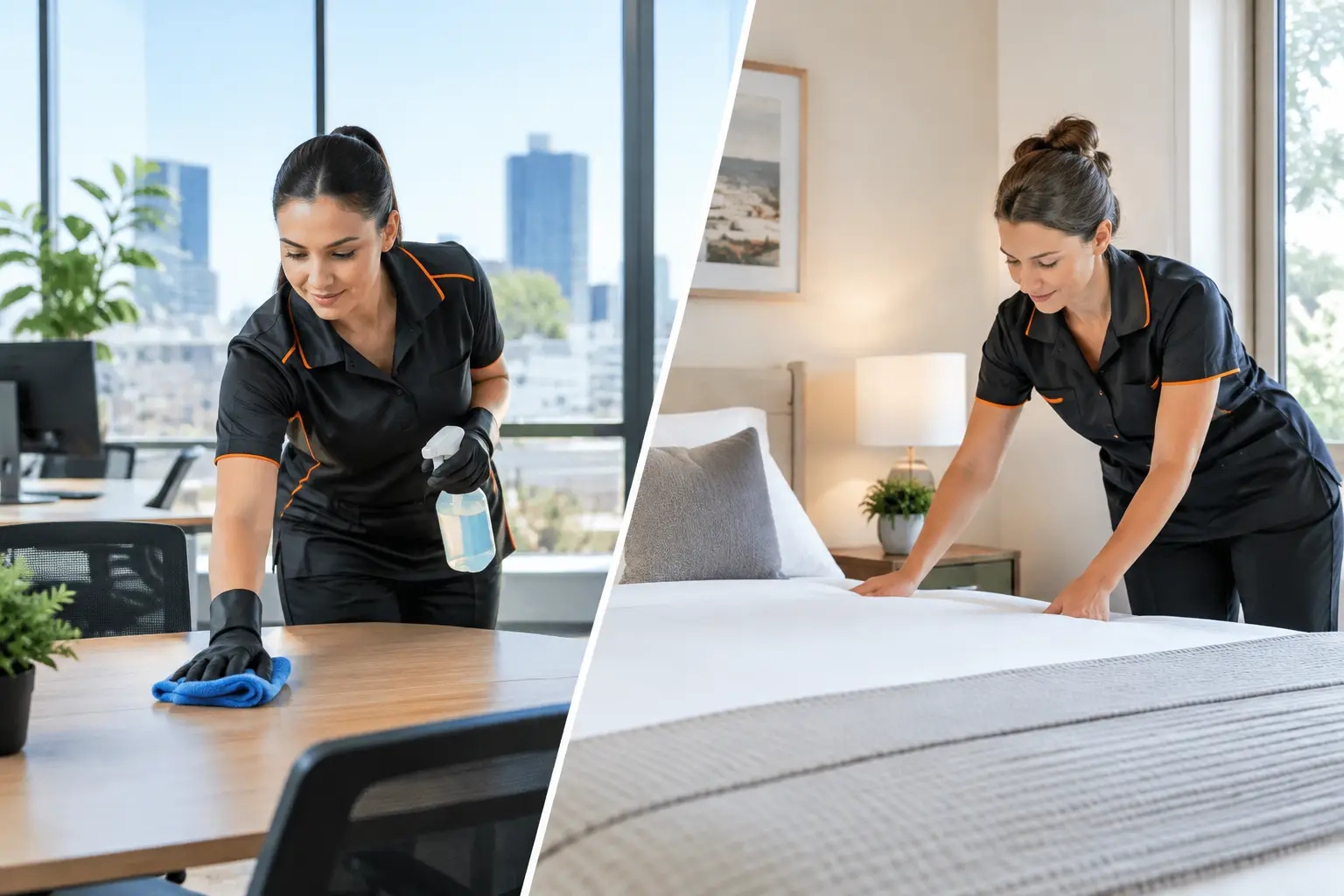
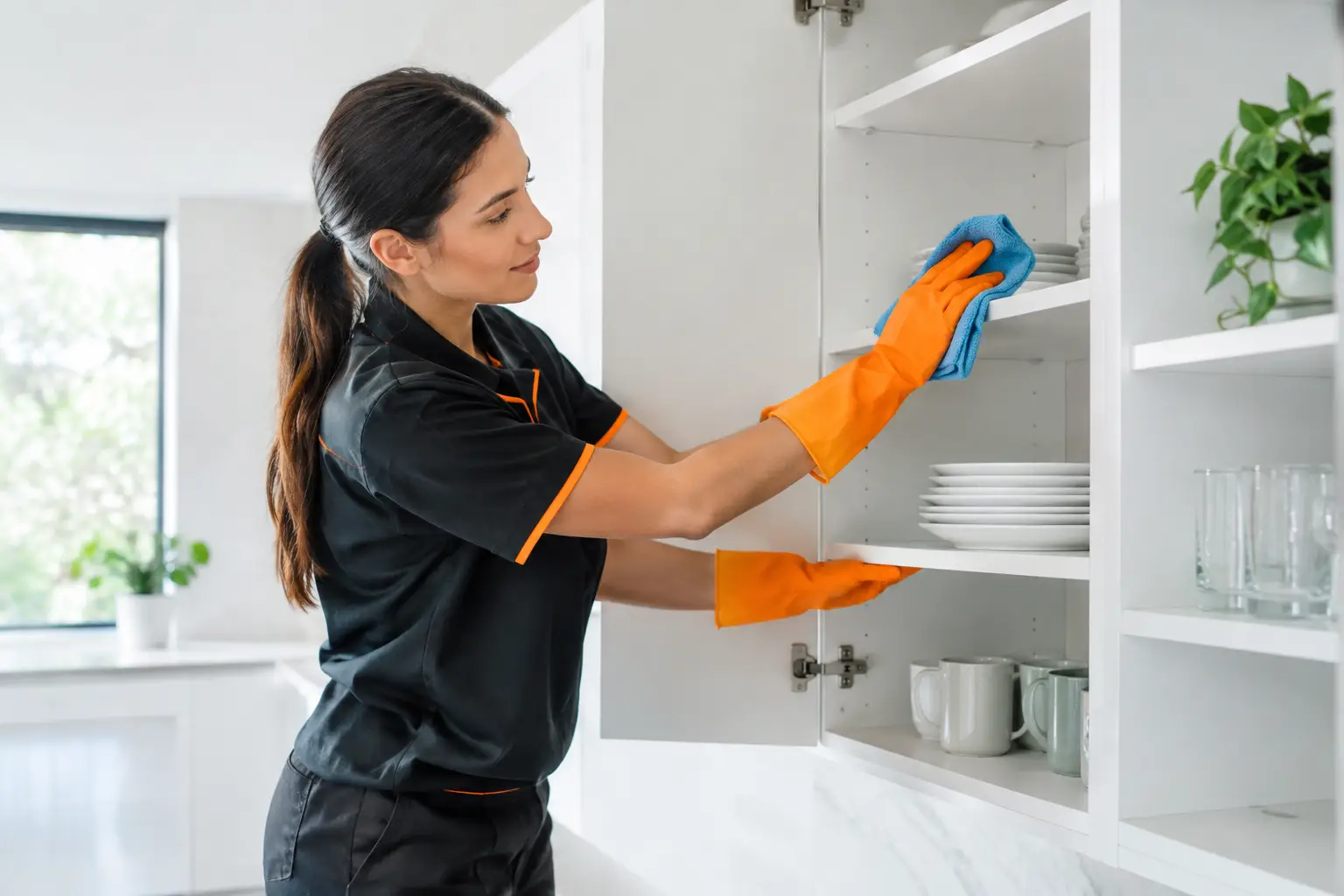
A guest may overlook a small styling choice, but they will remember a greasy cooktop, hair in the shower drain or a bin that was not emptied. Airbnb cleanliness ratings are shaped by those close-up moments. For hosts, a consistently clean property is not simply part of the turnover routine. It directly affects guest confidence, reviews, repeat bookings and the way a listing competes with similar stays.
A high rating does not require a display-home look at every check-in. It does require reliable standards, careful inspection and a cleaning process that works even when turnover times are tight. The key is understanding what guests notice first, what makes them question the overall hygiene of a property and where a professional cleaner can remove risk.
Why Airbnb cleanliness ratings carry so much weight
Guests form an opinion within minutes of entering a property. They notice the smell of the room, the condition of the entry, the bathroom and the kitchen before they have unpacked their bags. If these areas feel fresh and well cared for, guests are more likely to see minor signs of normal wear as reasonable. If they find dust, crumbs or marks, they may start looking for other problems.
Cleanliness also has a strong emotional effect. A holiday rental is temporary, but guests still expect to feel comfortable putting food on the bench, using the bathroom and sleeping in the bed. Visible dirt can make a guest feel that the property has not been properly prepared for them, even if the rest of the home is tidy.
This is why a single poor cleanliness review can have an outsized effect. Potential guests often read recent reviews to decide whether a listing looks as good in person as it does in photos. A pattern of comments about dust, linen, odours or bathrooms can create doubt before a host has the chance to explain.
What guests notice in an Airbnb clean
Most guests do not assess a property with a formal checklist, but their expectations are remarkably consistent. They look for evidence that the previous guest has fully left the space and that the property has been reset with care.
The bathroom is the trust test
Bathrooms are often where guests make their quickest judgement about hygiene. A clean toilet, polished taps, an unmarked mirror and a dry, fresh-smelling shower create immediate reassurance. On the other hand, soap residue on glass, hair around drains, dusty exhaust fans or water marks on fittings can make the entire room feel neglected.
Do not focus only on surfaces at eye level. Check behind the bathroom door, around the toilet base, inside vanity drawers and along tile edges. These are the areas guests tend to notice when they settle in and start using the room.
Kitchens need to feel ready to use
A kitchen can look neat while still failing a cleanliness check. Guests open the fridge, microwave and cutlery drawer. They run a hand across the bench, use the kettle and inspect the crockery before preparing a meal. Grease on a rangehood, crumbs in cupboards or food residue in the oven can quickly lead to a negative comment.
The standard should be simple: a guest should be able to make a meal without first deciding they need to wash the cookware or wipe the bench. Empty the fridge, clean appliance handles, check the dishwasher filter and make sure rubbish and recycling have been removed. These details support both hygiene and presentation.
Bedrooms reveal whether the turnover was thorough
Fresh linen matters, but it is not the entire job. Guests notice hair on pillows, dust on bedside tables, marks on lampshades and items left under the bed. They also notice whether the room feels aired out rather than shut up between bookings.
Use clean, fully dried linen and inspect it under good light before making the bed. A beautifully made bed with a stray hair or stained pillow protector can undo the positive impression it is meant to create. If pillows, doonas or mattress protectors are showing age or staining, replacement is often more cost-effective than risking a complaint.
Floors, touchpoints and odours shape the overall impression
Floor edges, skirting boards, light switches, door handles, remotes and window tracks are easy to miss during a rushed turnover. Yet they are high-contact or highly visible areas. Dusty corners suggest the clean was superficial, while sticky handles or fingerprints on glass make a space feel used rather than prepared.
Odour needs the same attention. Strong fragrances do not necessarily signal cleanliness and can be unpleasant for sensitive guests. A neutral, fresh result is usually best. If there is a lingering cooking smell, dampness or pet odour, identify and treat the source rather than masking it with air freshener.
Build a repeatable cleaning standard
The most reliable way to protect Airbnb cleanliness ratings is to remove guesswork. A host, co-host or cleaner should follow the same room-by-room process every time, then complete a final inspection before the guest arrives.
Start with a reset. Remove rubbish, used linen, forgotten items and opened food. Then clean from high to low, working through dusting, surfaces, bathrooms, kitchens and floors in a consistent order. Finish with restocking, bed-making and a presentation check. This sequence reduces the chance of cleaning a surface only to dirty it again later.
For busy properties, photographs can provide useful quality control. A quick set of timestamped images of the made beds, bathrooms, kitchen and living area helps confirm the condition of the property before check-in. They are also helpful if a guest raises a concern after arrival.
A practical turnover checklist should include more than standard cleaning. It should cover linen counts, towel presentation, consumables, working lights, remote controls, Wi-Fi information and visible maintenance issues. A blown globe or empty hand soap dispenser is not a cleaning failure, but guests experience the property as one complete stay.
Common mistakes that lower cleanliness scores
The biggest risk is treating every turnover as a quick tidy rather than a full reset. A property may appear acceptable at a glance but still contain crumbs in drawers, hair in bathrooms or marks on mirrors. Guests are not comparing the home with how it looked when the last guest left. They are comparing it with the standard they expect on arrival.
Another mistake is saving deep-clean tasks for an undefined future date. Ovens, rangehoods, grout, window tracks, upholstery and under-furniture areas gradually affect the overall appearance of a property. Schedule these jobs routinely, based on booking volume and property use, rather than waiting until a review mentions them.
Finally, do not overlook communication. If an unavoidable issue occurs, such as a last-minute maintenance problem or delayed linen delivery, let the guest know early and provide a clear solution. Honest, prompt communication will not replace a proper clean, but it can prevent frustration from becoming a harsh review.
When professional Airbnb cleaning makes sense
Professional support is particularly valuable when turnover windows are short, bookings are frequent or the property is managed from a distance. A trained cleaning team brings consistency, equipment and a defined process that can be difficult to maintain when cleaning is squeezed around other work or family commitments.
It also creates clearer accountability. Rather than hoping a cleaner has covered every room, hosts can work from an agreed scope that includes bathrooms, kitchens, linen changes, touchpoints, floors and final presentation. For Adelaide hosts, Spiffi Cleaning can provide detail-focused Airbnb and rental cleaning designed to leave properties ready for the next arrival.
Professional cleaning is not a substitute for property maintenance. Worn silicone, damaged blinds, stained furniture and unreliable appliances can still affect a guest’s experience. However, regular professional cleans make those issues easier to spot early, before they become part of a public review.
A better standard starts before check-in
The strongest Airbnb cleanliness ratings are earned through ordinary details completed properly, every time. A clean bathroom, crisp bed, clear kitchen bench and fresh-smelling room tell guests that their stay matters before a host sends a single message.
Set a standard that can hold up on busy weekends, back-to-back bookings and the occasional last-minute change. When guests walk into a property that feels genuinely prepared for them, cleanliness stops being a concern and becomes one of the quiet reasons they are happy to recommend the stay.