A property inspection can make a clean home feel suddenly unfinished. A faint mark on a shower screen, dust on the skirting boards or crumbs under the toaster can stand out when an agent is walking room to room. The best cleaning tasks before inspection are not about making your home look untouched. They are about showing that it is cared for, hygienic and being maintained responsibly.
For a routine inspection, focus on presentation and the areas a property manager can see easily. For a final inspection, the standard is higher and should reflect the condition recorded on your entry report, allowing for fair wear and tear. Knowing which inspection you are preparing for keeps the job manageable and helps you spend time where it counts.
Start with the areas that shape first impressions
Before tackling details, remove visual clutter. Put away washing, paperwork, shoes, children’s toys and pet items where practical. This is not because a home needs to look staged, but because clear surfaces and open floors make cleanliness easier to see.
Then air out the property. Open windows for a short time if weather permits, particularly after cooking or showering. Empty indoor rubbish bins, wipe the bin lid and replace liners. Lingering odours can create a stronger impression than a little dust, so deal with the source rather than relying on heavy fragrance.
Walk through the home from the front door as though you are seeing it for the first time. Notice fingerprints around light switches, dust collected near entryways, marks on internal doors and cobwebs in corners. These small jobs are quick to correct and make the entire property feel better maintained.
Best cleaning tasks before inspection: room-by-room priorities
Kitchen: clean the working surfaces, not just the benchtop
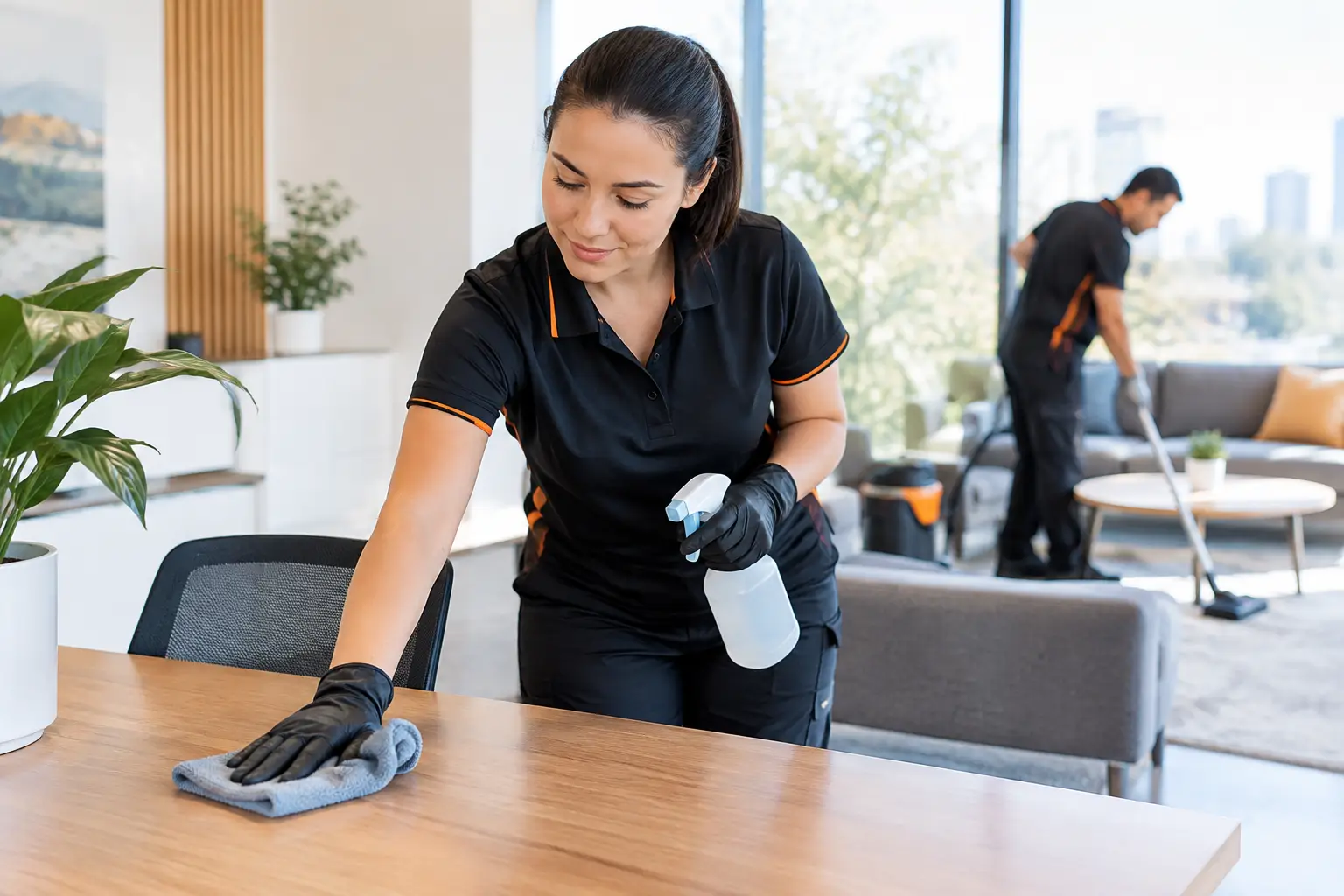
The kitchen is usually one of the closest-looked-at rooms because grease and food residue build up fast. Clear and wipe benchtops, clean the sink and tapware, and dry them with a clean cloth to avoid water spots. Pay attention to the splashback, cupboard handles and the front of appliances, where fingerprints are easy to miss.
Check the cooktop closely. Remove crumbs, wipe around burner rings or induction edges, and clean the rangehood exterior. If there is visible grease on the filter, follow the manufacturer’s care instructions before washing it. Avoid harsh abrasives on delicate surfaces, as scratches can be more noticeable than the original residue.
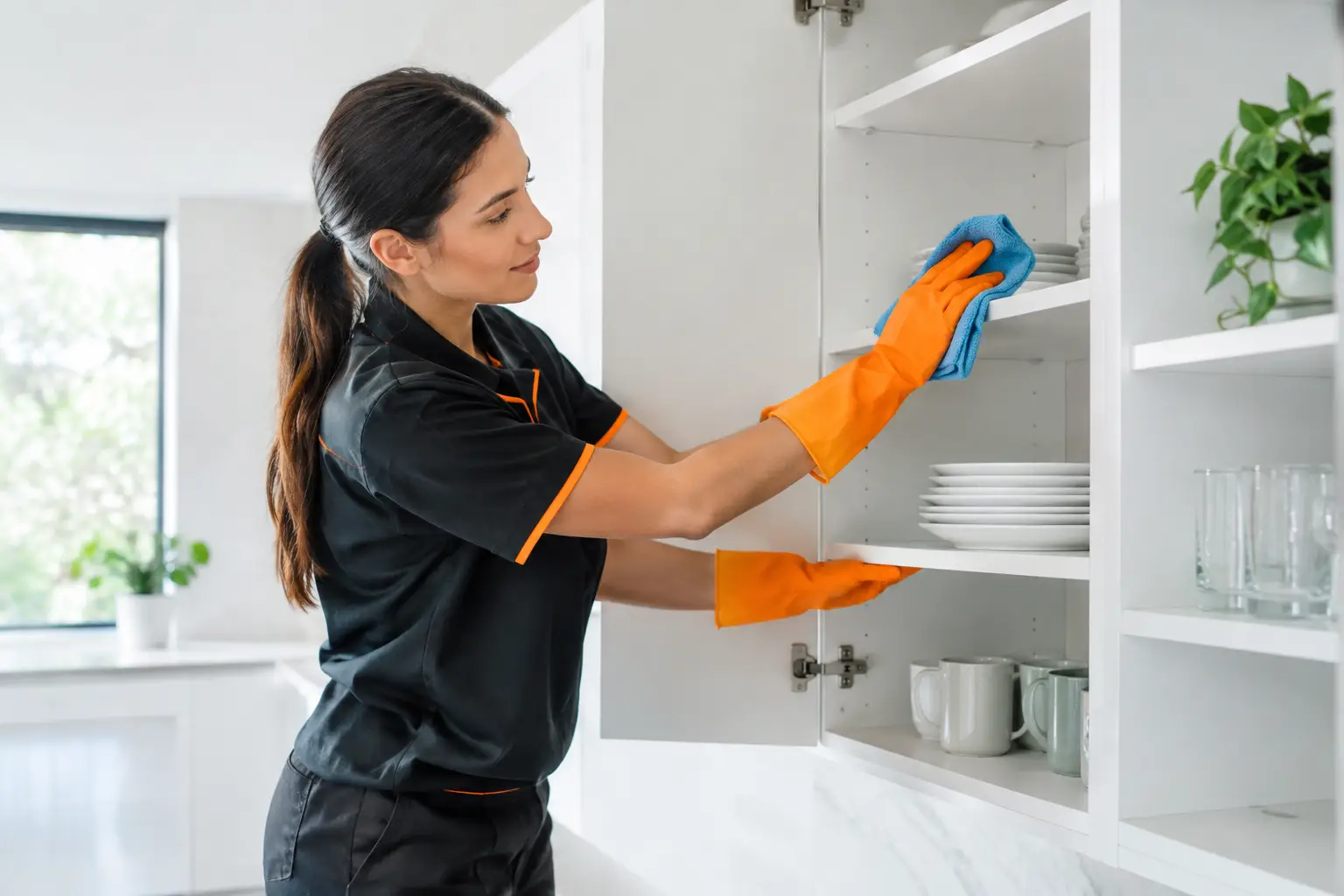
Finish by wiping the microwave inside and out, checking the fridge seals for spills, and mopping the floor edges. You do not generally need to reorganise every cupboard for a routine inspection, but an obviously dirty pantry shelf or sticky drawer should be cleaned.
Bathroom: focus on soap scum, mould and ventilation
Bathrooms need a different approach because they show water marks quickly. Clean the toilet thoroughly, including the base, seat hinges, flush button and nearby wall or floor areas. Wash the basin, vanity and tapware, then polish the mirror with a streak-free finish.
The shower deserves extra time. Treat soap scum on glass, rinse tiles well and dry the screen where possible. Clear hair from the drain cover and wipe the shower rail, mixer and soap holders. If mould has appeared around silicone, use an appropriate mould treatment carefully and ventilate the room. Do not paint over it or use products that could damage grout, seals or fixtures.
A clean exhaust fan cover and an open window after showers can also help show that moisture is being managed. If persistent mould, a leak or damaged sealant is present, photograph it and report it to the property manager rather than attempting a makeshift repair.
Living areas and bedrooms: remove dust from overlooked edges
Vacuuming the middle of the carpet is not enough when preparing for an inspection. Use the vacuum nozzle along skirting boards, under lounges and beds, around door tracks and in corners. If hard floors are marked, sweep first and mop with a product suited to the surface. Too much water on timber-look flooring can leave streaks or cause damage.
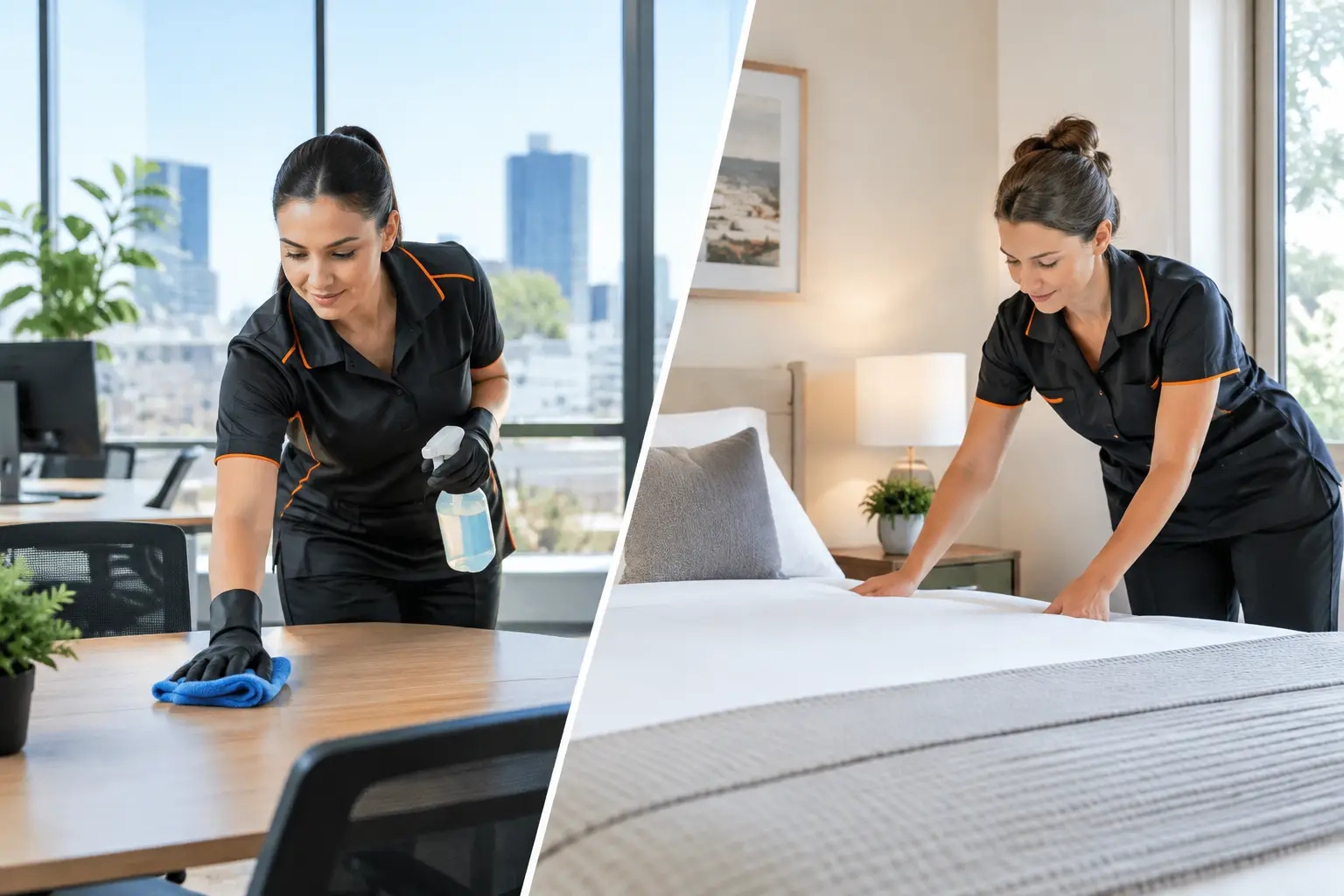
Dust windowsills, ceiling fan blades, blinds and accessible vents. Wipe light switches and door handles, especially in high-traffic spaces. Straighten cushions, make beds and remove anything stored where it may block access to wardrobes, walls or windows.
Walls are a judgement call. A light scuff may lift with a gentle wipe, but scrubbing aggressively can remove paint and create a larger issue. Test any cleaner in a discreet spot first. For substantial marks, take clear photos and seek advice if you are unsure whether they are ordinary wear or damage.
Laundry, entry and outdoor areas: do not leave them until last
The laundry often collects dust, lint and cleaning-product spills. Wipe the trough, taps and machine exterior, clear the lint filter, and sweep or vacuum behind appliances if accessible. Check around the hot-water service or under the sink for signs of a leak.
At the entry, sweep the porch, shake out the doormat and remove cobwebs around the doorway. For homes with a courtyard, balcony or garden, remove rubbish, pick up pet waste, sweep paths and make sure drains are not covered by leaves. Routine garden care may be part of a tenancy agreement, but avoid major pruning or chemical treatments unless you know they are your responsibility.
Do not overlook windows, tracks and high-touch points
Clean windows can lift the appearance of a home, but they are not always the highest priority if time is limited. Start with the inside glass, frames and tracks that are visible during the inspection. Vacuum loose dirt from tracks before wiping them, otherwise you will create muddy residue.
Give high-touch points a final pass: switches, door handles, remote controls, cupboard pulls and the front of the fridge. These details signal regular care because they are where daily use is most obvious.
If you have pets, vacuum fur from upholstery and flooring, wash bedding, and check outdoor areas carefully. Neutralising odours is useful, but a clean litter tray, washed pet bedding and fresh air will achieve more than scented sprays.
Use a realistic order of work
Cleaning in the wrong sequence creates repeat work. Begin with decluttering and dry tasks such as dusting, then clean bathrooms and kitchen surfaces, followed by floors. Leave the toilet, bin emptying and final floor vacuum until close to the inspection or just before you leave the property.
A practical final check should cover these points:
- Benchtops, sinks, cooktop and appliance fronts are free of visible residue.
- Toilets, showers, basins and mirrors are clean and dry.
- Floors, skirting boards and corners are free from dust, hair and crumbs.
- Rubbish has been removed and the home has been aired out.
- Doors, switches, windowsills and handles have been wiped.
- Outdoor entry points, balconies and courtyards are presentable.
Take a few dated photos once the work is complete, especially if you have reported maintenance concerns. Photos are useful records, not a substitute for communication. If an issue was present before your tenancy or needs professional repair, let the property manager know in writing.
When professional help is worth arranging
A professional clean can be especially helpful when time is short, the property is large, or grime has built up in bathrooms, kitchens or on windows. It can also take pressure off busy households before a final inspection, move or work deadline. At Spiffi Cleaning, trained, police-checked cleaners can focus on the detail work that is easy to miss, with flexible booking support for Adelaide homes.
The right level of service depends on the inspection. A routine visit may only need a targeted refresh, while an end-of-lease clean often requires deeper work across appliances, internal glass, floors and wet areas. Be clear about the inspection type, the property condition and any specific agent feedback so the scope matches the job.
A well-prepared home does more than look clean for half an hour. It makes everyday living more comfortable, helps small maintenance issues surface early, and gives you the confidence to open the door when the property manager arrives.