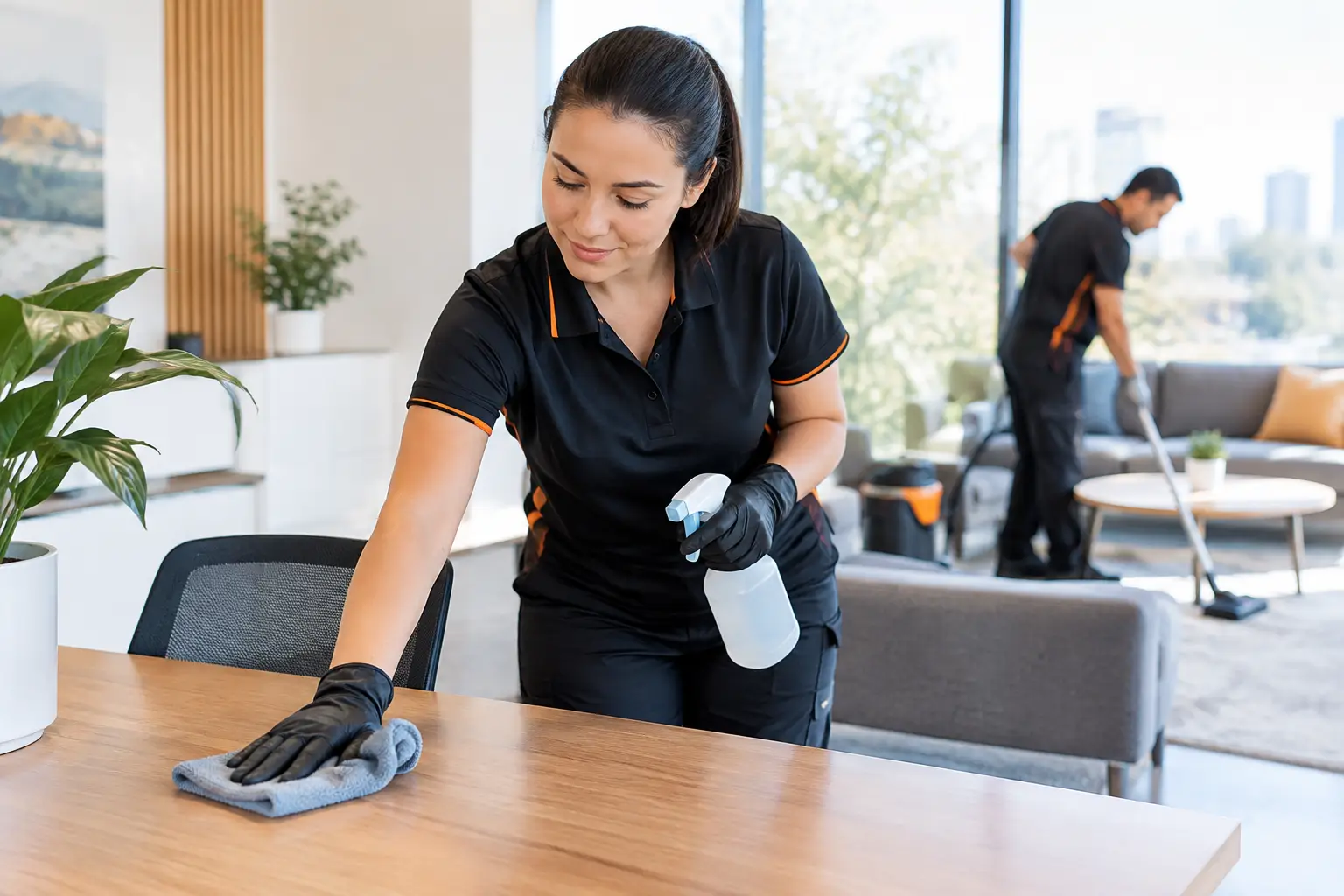
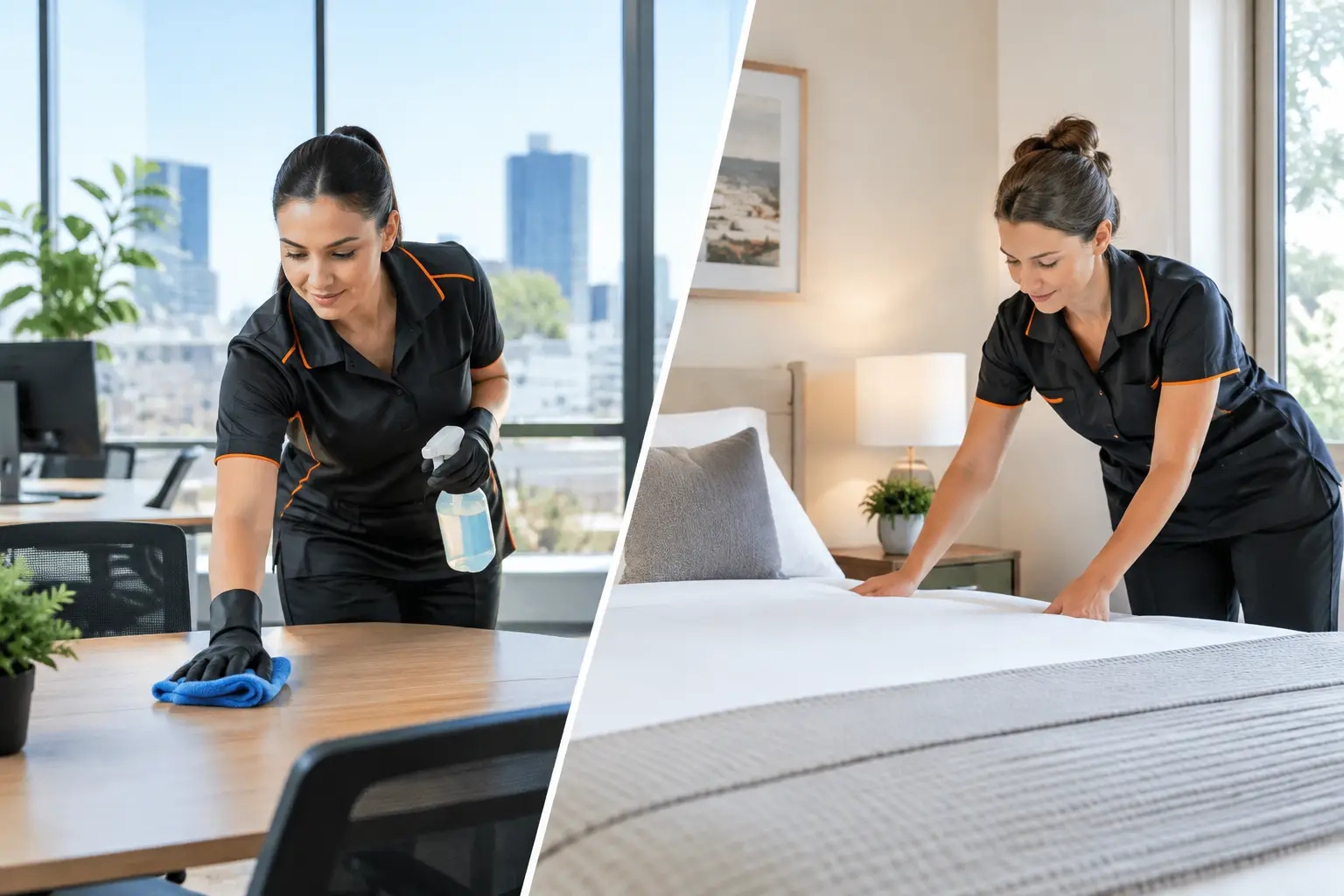
A clean space should not depend on who arrives, how busy the day is or whether a small detail is easy to miss. That is why cleaners use checklists: they turn a promised standard into a repeatable process. For a family home, that may mean remembering the skirting boards and splashback. For an office, it means high-touch points are not overlooked between busy workdays.
Professional cleaning is not simply about working quickly through a room. It involves following an agreed scope, using suitable products, managing hygiene risks and leaving the property ready for the people who use it next. A clear checklist supports that work from the first room to the final quality check.
Why cleaners use checklists on every job
A checklist creates consistency. This matters when cleaning is recurring, when several team members work across a site, or when a client expects the same presentation every visit. Without a documented routine, even an experienced cleaner may naturally focus on the most visible areas first and leave less obvious tasks for another time.
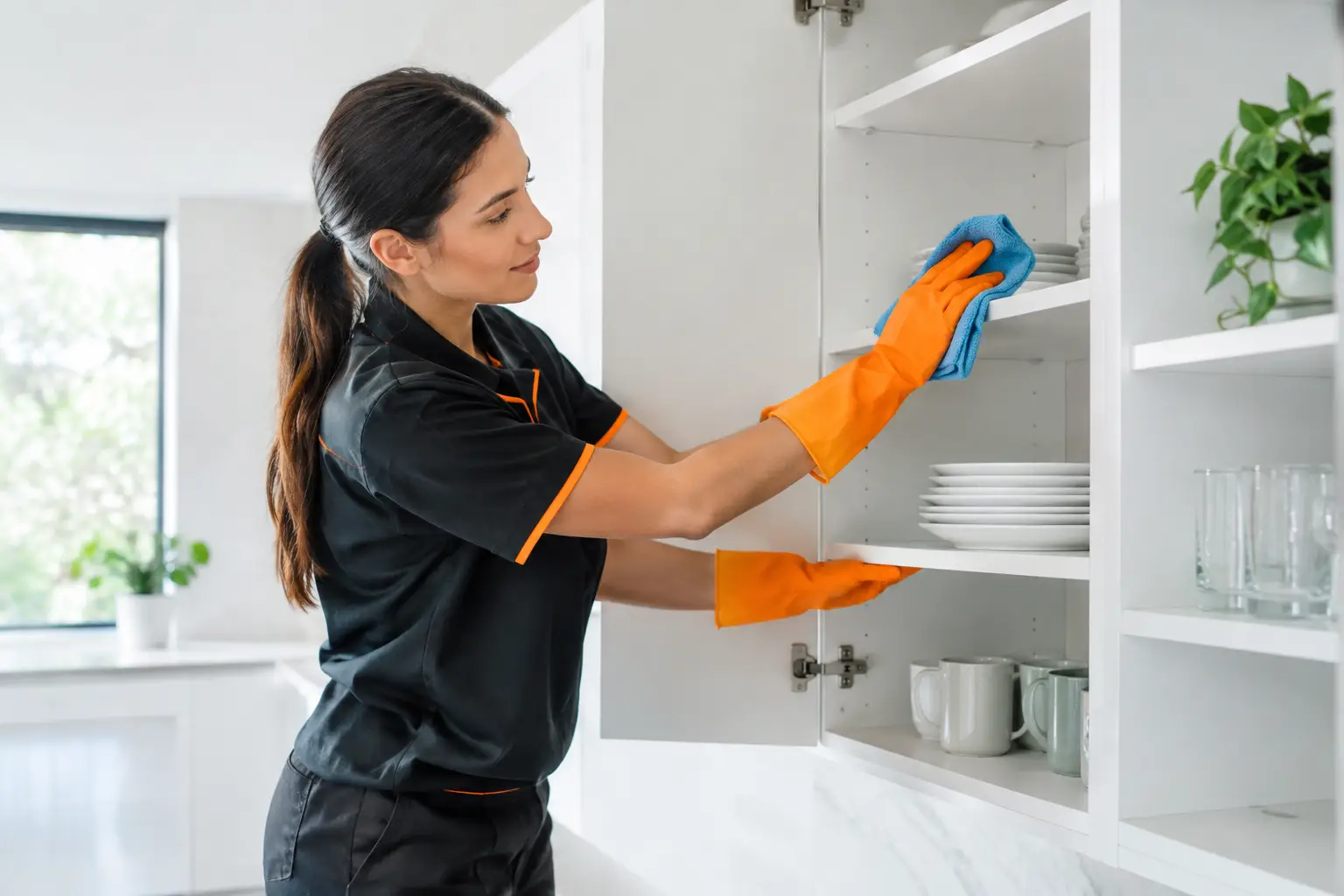
For example, a kitchen can look tidy while cupboard handles, light switches, bin lids and the edge behind the tap have received little attention. In a commercial setting, those omissions can affect both hygiene and the impression made on staff, customers or visitors. Checklists make the expected tasks visible before they become a problem.
They also clarify what is included. A standard house clean, a detailed deep clean, an end-of-lease clean and a post-construction clean all require different levels of work. Listing the tasks helps align the service with the quote and gives customers confidence about what will be completed.
Consistent cleaning standards, room by room
The biggest benefit of a checklist is that it gives each room a defined finish. Rather than relying on memory, cleaners can follow a practical sequence that covers the surfaces, fittings and touchpoints appropriate to that area.
In bathrooms, this might include disinfecting toilets, cleaning basins and taps, polishing mirrors, wiping cabinet fronts, removing soap residue from shower screens and mopping floors. In kitchens, the focus may include benchtops, appliance exteriors, sinks, splashbacks, cupboard fronts, handles and rubbish areas. The tasks are simple, but the quality lies in completing them properly every time.
For offices and shared facilities, a checklist can distinguish between daily tasks and periodic work. Emptying bins, wiping desks where agreed, cleaning amenities and vacuuming may happen frequently. Interior glass, detailed dusting, high ledges or carpet spot treatment may be scheduled less often. This structure avoids the common issue of routine cleaning crowding out the detailed work that keeps a site looking well maintained.
Checklists support, rather than replace, judgement
A checklist is not a substitute for a trained cleaner noticing what the property needs. If a spill requires immediate attention, a glass panel is visibly marked, or a high-traffic entry needs extra care after wet weather, professional judgement comes first.
The best checklists leave room for those observations. They provide a dependable baseline while allowing cleaners to respond to the condition of the space. A lightly used home may need less attention in one room and more in another. An Airbnb changeover may require a sharper focus on presentation, linen areas and guest-facing details. The task list guides the service, but it should never make the service mechanical.
Better hygiene through a clear cleaning order
Cleaning well is as much about process as it is about effort. Checklists help teams follow a sensible order, generally moving from cleaner areas to dirtier ones and from high surfaces to lower surfaces. This reduces the chance of spreading soil or contaminants onto areas that have already been cleaned.
Colour-coded cloths, separate equipment for bathrooms and kitchens, and correct product use are often built into the cleaning process. These practices are particularly valuable in medical clinics, aged care environments, gyms and shared offices, where hygiene expectations are higher and many people touch the same surfaces throughout the day.
A checklist can also highlight high-touch areas that need regular attention, such as door handles, switches, railings, lift buttons, shared keyboards and reception counters. These items are easy to miss because they are small, yet they have an outsized impact on how clean and cared for a workplace feels.
Product instructions still matter. Not every surface can be treated with the same chemical or tool. Natural stone, timber, delicate finishes and specialised equipment may require a specific approach. A professional checklist should point cleaners towards the correct method, rather than encouraging a one-product solution for everything.
Clear accountability for clients and cleaning teams
When a property manager is preparing a rental for new tenants, or an office manager is responsible for a workplace, vague assurances are rarely enough. They need to know the agreed work has been completed and that any issues have been identified early.
Checklists create accountability because they make expectations measurable. If a task is part of the service, it can be checked. If access is restricted, a maintenance problem is found, or an item needs client approval before work proceeds, this can be recorded and communicated. That is far more useful than discovering a missed area after staff arrive or guests check in.
This is especially helpful for recurring commercial cleaning. A facilities manager may not inspect every room after every service, but a structured system provides a reliable point of reference. It also makes handovers easier when team members change, preventing site knowledge from being lost.
For residential customers, accountability is often about peace of mind. You should not have to leave work wondering whether the cleaner remembered the bathroom, the floors or the bins. A detailed process gives the team a shared standard and gives the customer a clearer basis for feedback.
Checklists make quality checks more effective
The final walk-through is where a good clean becomes a dependable one. A cleaner can use the checklist to review completed work before leaving, looking for streaks on glass, missed dust on ledges, marks around taps, full rubbish bins or corners that need another pass with the vacuum.
This step is valuable because people naturally become less observant after repeating a task for several hours. A quick, deliberate review resets attention. It is also the right time to make sure the space is left safely, with equipment removed, floors dry where possible and access secured according to the client’s instructions.
At Spiffi Cleaning, structured cleaning processes help our trained, police-checked team deliver the consistent finish clients expect, whether we are preparing a home, office, clinic or rental property. The goal is not to add paperwork for its own sake. It is to make quality visible in the work.
What a useful professional cleaning checklist includes
The right checklist depends on the property and the service booked. A one-off deep clean will be more detailed than a regular maintenance visit, while a move-out clean may include areas that are not usually covered during weekly cleaning. Still, an effective checklist usually addresses five practical questions:
- Which rooms and areas are included in the service?
- Which surfaces, fittings and high-touch points need attention?
- What products and equipment are suitable for the site?
- Are there site-specific instructions, access requirements or safety considerations?
- What needs to be checked or reported before the team leaves?
The detail needs to be useful, not excessive. A checklist with dozens of vague items can slow a team down without improving the result. One that is too brief can leave too much open to interpretation. The right balance is clear enough to protect standards and flexible enough to reflect the actual condition of the property.
When the checklist needs to change
No two properties are identical. A busy Adelaide office near the CBD may need more frequent attention to entryways and shared amenities. A family home with pets may require additional vacuuming and upholstery care. A newly renovated property can have fine dust in places that a normal clean would not cover, while an end-of-lease service may need close attention to ovens, internal cupboards and fixtures required for the handover.
That is why a professional cleaner should review the scope before starting, particularly for one-off or specialist jobs. Photos, an on-site assessment or a clear discussion about priorities can prevent surprises and ensure enough time is allocated. Checklists work best when they are tailored to the service, rather than copied blindly from one property to the next.
A checklist may seem like a small operational detail, but it protects the things customers care about most: a cleaner space, predictable results and fewer loose ends to manage. When the service is structured from start to finish, you can walk back into your home or workplace knowing the details have had their proper attention.