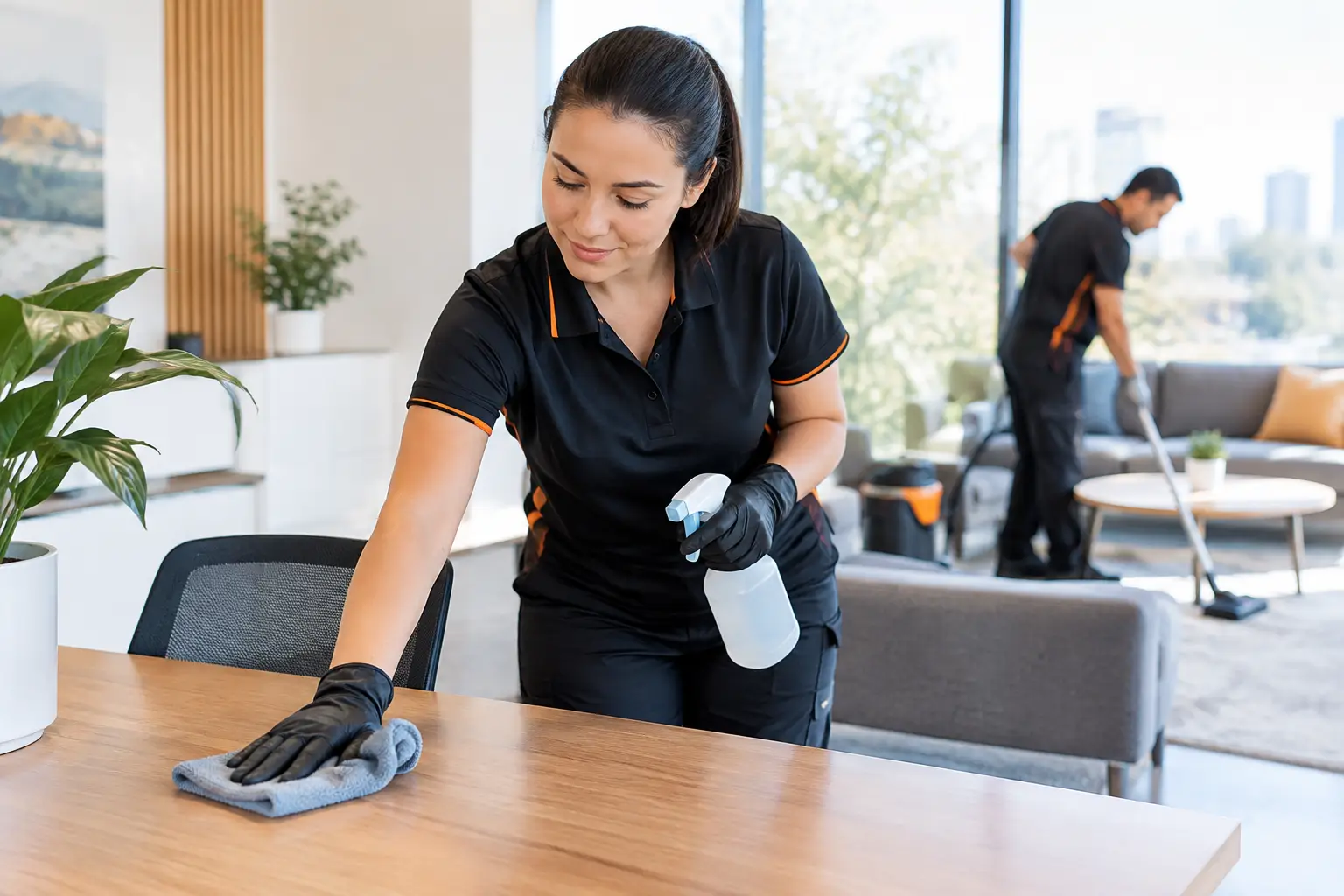
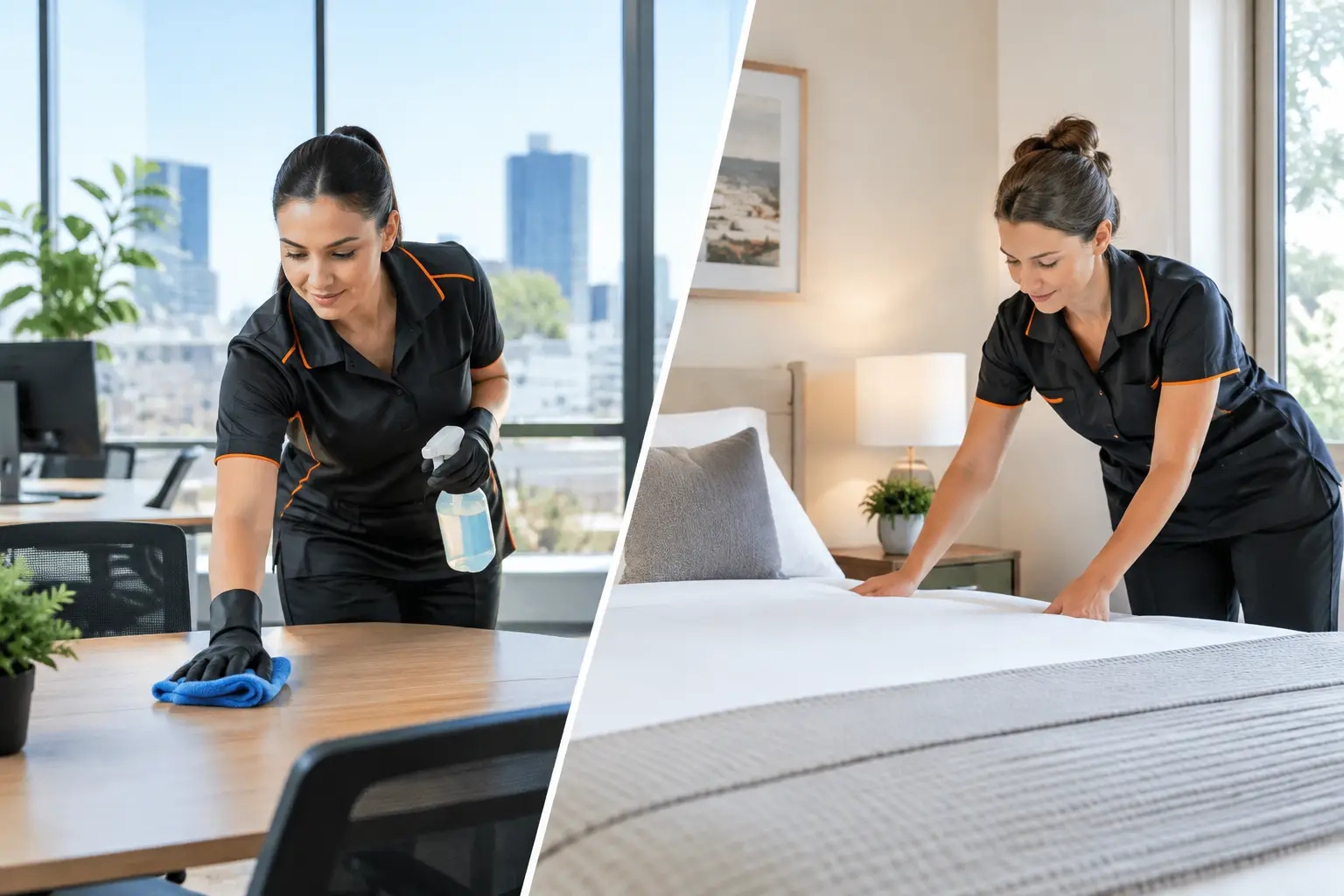
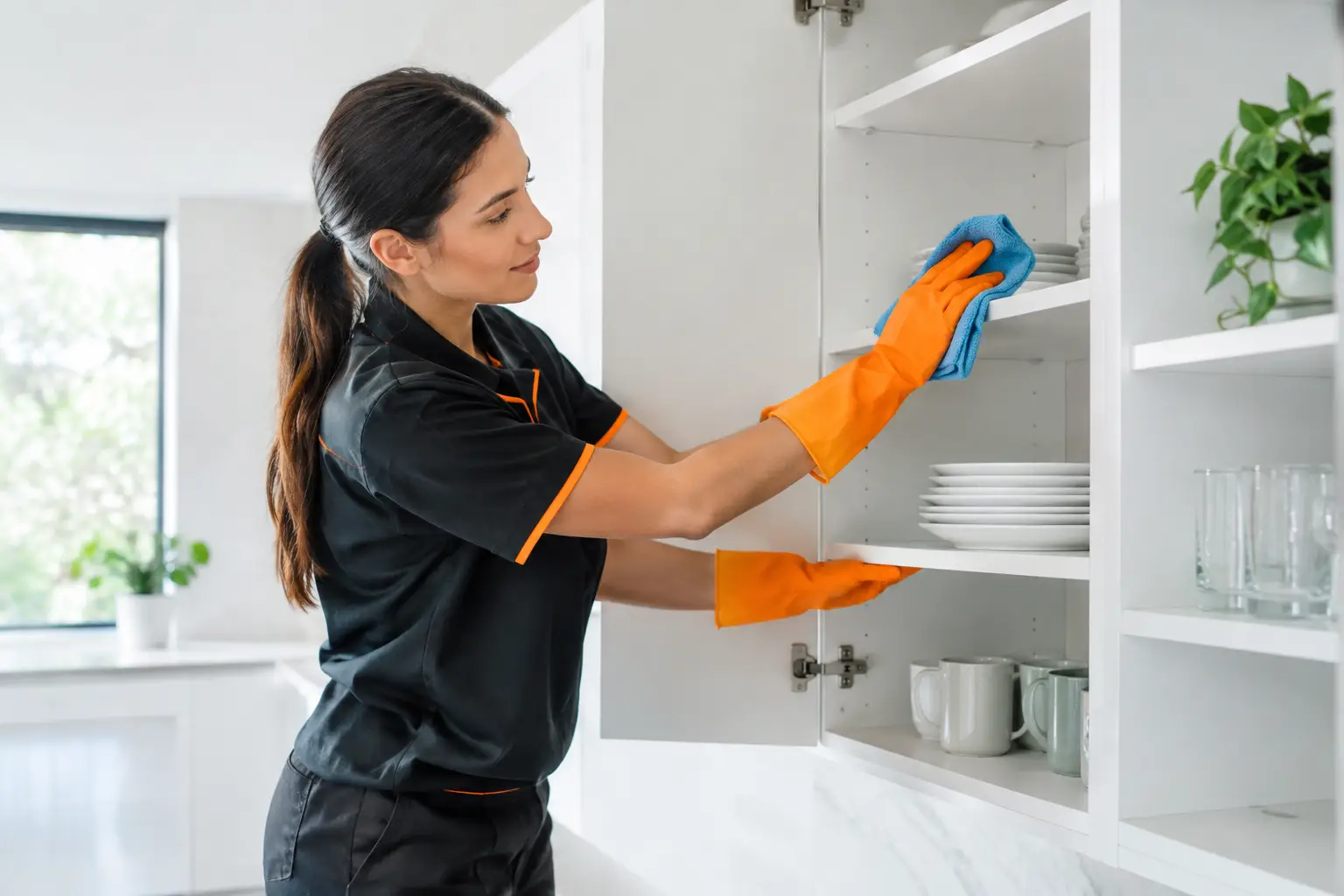
A cleaner may be working around your family home, valuable equipment, client records or a busy workplace. That is why cleaning insurance should be part of the decision before anyone starts the job, not a question raised after something goes wrong. It is a practical safeguard for the people, premises and belongings involved, and a strong sign that a cleaning provider takes its responsibilities seriously.
The lowest quote can be tempting, particularly for a one-off clean or a tight operating budget. But a professional cleaner’s price should reflect more than labour and products. It should also reflect trained staff, safe work practices, clear accountability and appropriate insurance cover.
What cleaning insurance is designed to cover
Cleaning insurance is not one single policy with the same terms for every business. It is a group of covers that can help protect a cleaning company and its clients when an accident, injury, loss or claim occurs in connection with the work.
For a household, this may be as straightforward as a cleaner accidentally damaging a glass splashback, knocking over an expensive lamp or causing a slip hazard while mopping an entryway. For a business, the stakes can be higher. A cleaning team may work around staff, visitors, machinery, keys, sensitive areas and after-hours access arrangements. In medical, aged care and education settings, the cleaning provider also needs disciplined procedures that support the site’s hygiene and safety requirements.
The precise cover needed depends on the work. A regular office clean has different risks from post-construction cleaning, high internal windows or a detailed end-of-lease clean. This is why it is reasonable to ask a provider what insurance they hold and whether it is appropriate for the service you are booking.
Public liability insurance
Public liability is usually the first type of insurance clients ask about. It can respond if a third party is injured or their property is damaged because of the cleaning business’s activities. For example, it may be relevant if a visitor slips on a wet floor that has not been safely managed, or if cleaning equipment damages a client’s flooring.
A policy does not remove the need for care. Professional cleaners should still use warning signs, follow product directions, manage cords and equipment safely, and keep walkways as clear as possible. Insurance sits behind these everyday controls. It is there for the unexpected, not as a substitute for good practice.
Workers compensation insurance
If a cleaning business employs staff, workers compensation is another essential consideration. Cleaning is physical work. It can involve lifting, repetitive movements, wet areas, chemicals, ladders and early or late shifts. Appropriate workers compensation arrangements help protect workers if they are injured at work.
For clients, this matters because it shows the provider recognises its obligations to the people delivering the service. It also helps distinguish an established cleaning operation from an informal arrangement where responsibilities may be unclear.
Other cover that may be relevant
Depending on the type of cleaning work, a provider may also hold other policies or protections. These can include:
- commercial vehicle cover for teams travelling between sites with equipment and supplies
- cover for tools, machinery and portable equipment used on client premises
- professional indemnity cover where a business provides advice or specialised services that create professional liability risks
- cyber and data protection measures where client details, access instructions or booking information are stored digitally.
Not every policy will be relevant to every clean. The key question is whether the business understands the risks of its services and has arrangements that match them.
Why insurance matters in homes and rental properties
Inviting a cleaner into your home requires trust. You may be leaving access instructions, sharing entry codes, or arranging a service while you are at work. Insurance cannot create trust by itself, but it adds an important layer of reassurance alongside police-checked staff, clear communication and consistent service standards.
It is especially relevant for move-out and end-of-lease cleaning. These jobs often involve ovens, bathrooms, windows, skirting boards and other areas where there is potential for accidental damage if work is rushed or unsuitable products are used. A professional provider should assess the scope, use appropriate equipment and identify any pre-existing damage or limitations early.
For Airbnb hosts and property managers, there is another reason to check. Quick turnarounds matter, but so does accountability. A cleaner who is properly insured, scheduled clearly and able to document concerns can help reduce the disruption caused by an issue between guest stays. If a stain, breakage or maintenance concern is found, prompt reporting is often just as valuable as the clean itself.
What commercial clients should confirm
For office managers, facility operators and business owners, cleaning insurance should be considered alongside site safety, security and service consistency. A contractor may be cleaning while staff are present, after hours, or in spaces accessed by customers and contractors. Each arrangement creates different responsibilities.
Ask how the cleaning company manages access, keys, alarms and restricted areas. Confirm whether staff are trained for the environment, particularly where infection control, food preparation, vulnerable people or confidential information are involved. Insurance is one part of risk management, but it works best when supported by practical systems.
A reliable cleaning provider should also be comfortable working within your site requirements. That may include signing in, using approved products, displaying wet-floor signage, following a building induction or reporting hazards. If the scope includes specialist tasks such as post-construction cleaning, high windows or industrial areas, ask whether the team has the right equipment, training and cover for that work.
How to check cleaning insurance before booking
You do not need to become an insurance expert to make a sensible choice. Start with a direct question: are you insured for the work being quoted? A professional business should answer clearly and without hesitation.
If the job is significant, ongoing or being completed at a commercial site, ask for a current certificate of currency. This document generally confirms the policy type, insurer, policy period and level of cover. Check that the business name matches the company you are engaging and that the policy is current on the date of service. If your organisation has specific contract requirements, provide them before the work is scheduled rather than assuming standard cover will meet them.
It is also worth asking what happens if there is an incident. Who should be contacted? How will damage be documented? What information will the provider need? A clear process is reassuring because it shows the business has considered more than the ideal outcome.
Avoid relying only on vague statements such as “fully covered” or “don’t worry, we’ve never had a problem”. Good service is built on prevention, yet accidents can still happen. Clear evidence and straightforward communication are more useful than broad promises.
Insurance is only one sign of a dependable cleaner
A suitably insured cleaning company is a smarter choice, but insurance should not be the only factor. Consider the full service standard: are team members vetted and trained? Is the quote transparent? Are products suitable for the surfaces and environment? Is there a clear quality process if something is missed?
For recurring commercial cleaning, consistency is particularly important. You need to know who is responsible, what is included, how issues are escalated and whether the provider can adapt as your site changes. For residential clients, the essentials are often reliability, respectful staff, clear arrival windows and the confidence that the job will be completed to the agreed standard.
At Spiffi Cleaning, dependable service means pairing trained, police-checked staff and quality-controlled cleaning with clear communication from booking through to completion. That approach helps clients feel looked after, whether they are preparing a rental property, maintaining a workplace or arranging a detailed one-off clean.
Before booking your next cleaner, take a moment to ask about cover, credentials and how the team manages the unexpected. The right provider should leave you with a cleaner space and the peace of mind that comes from knowing the work is being handled professionally.