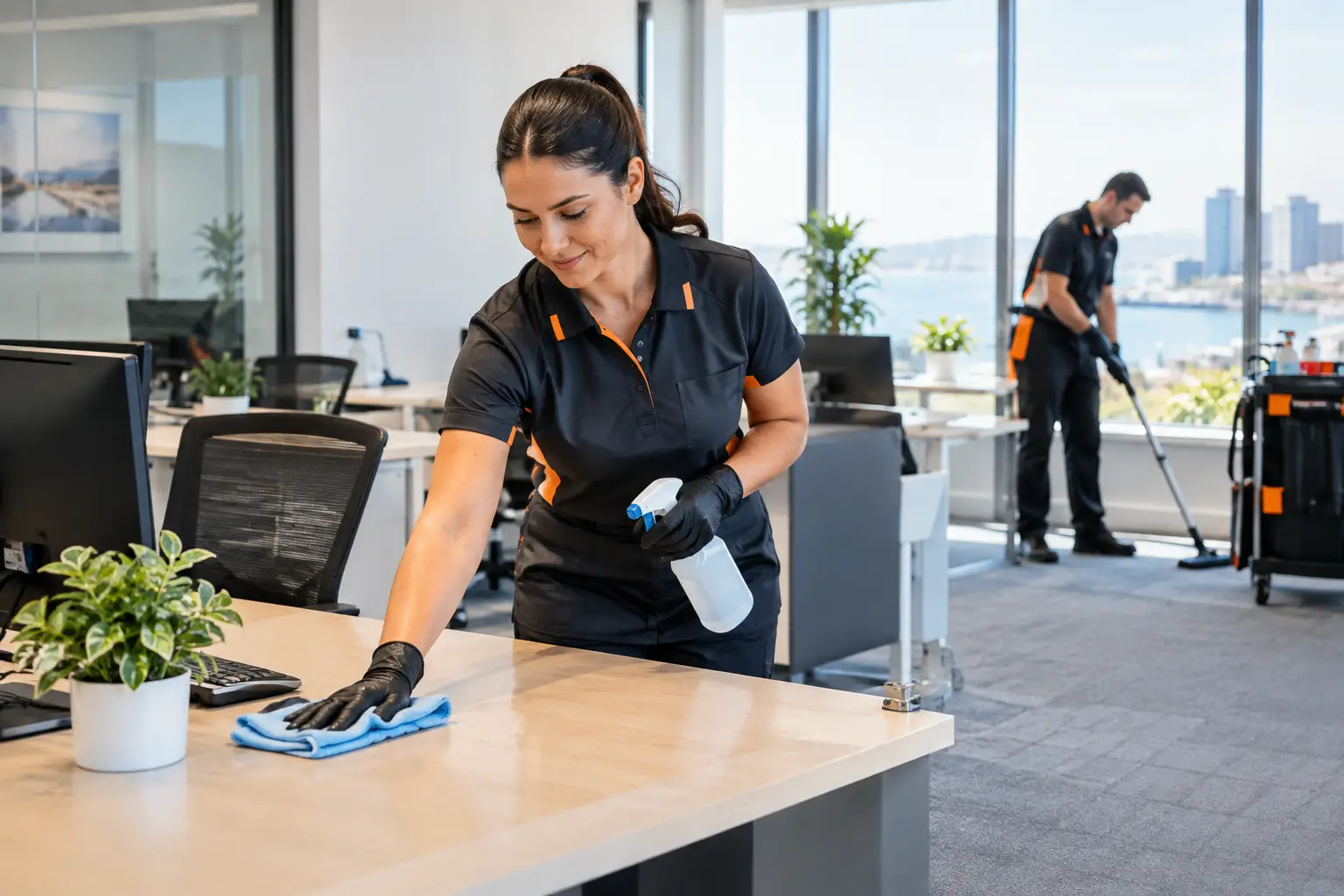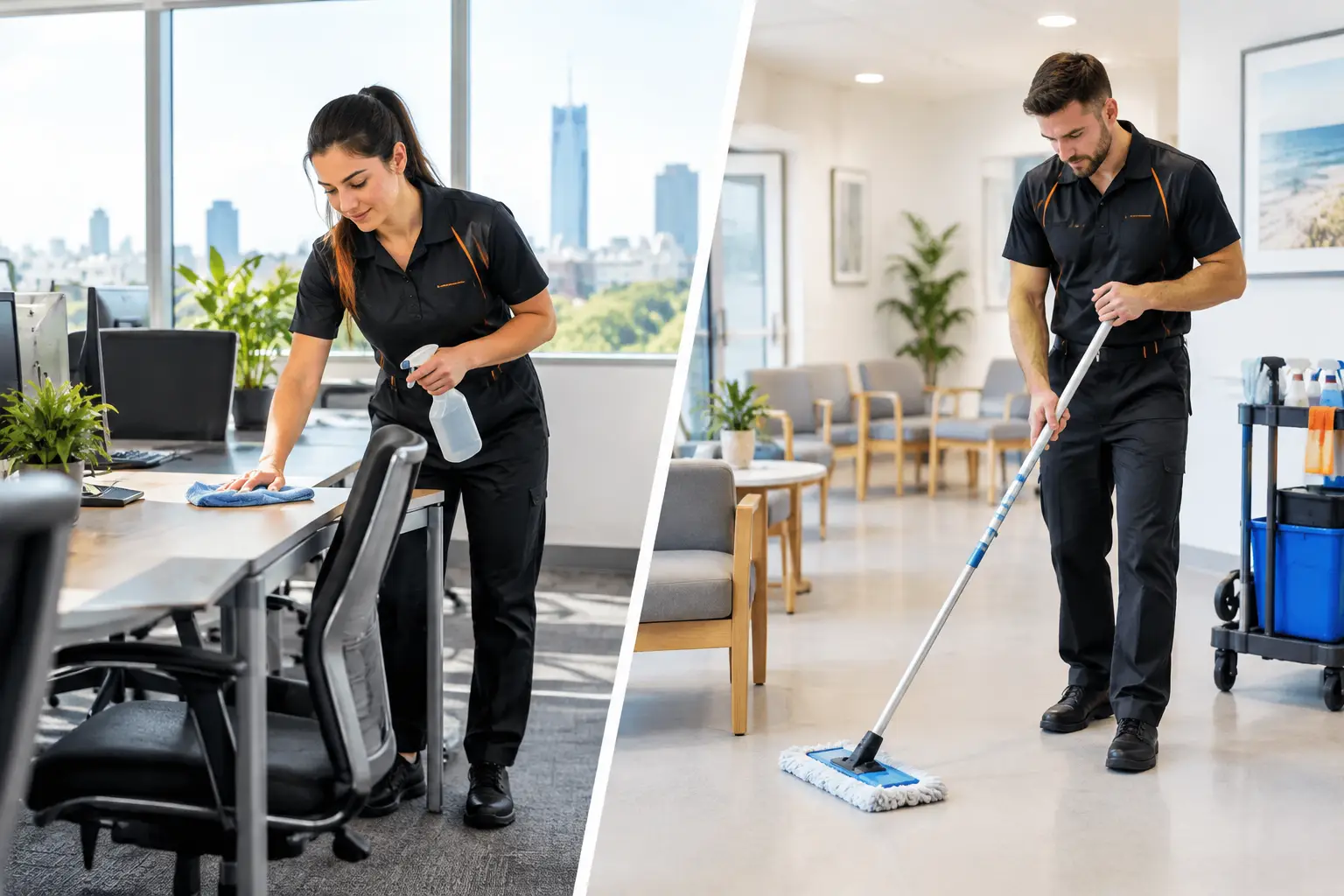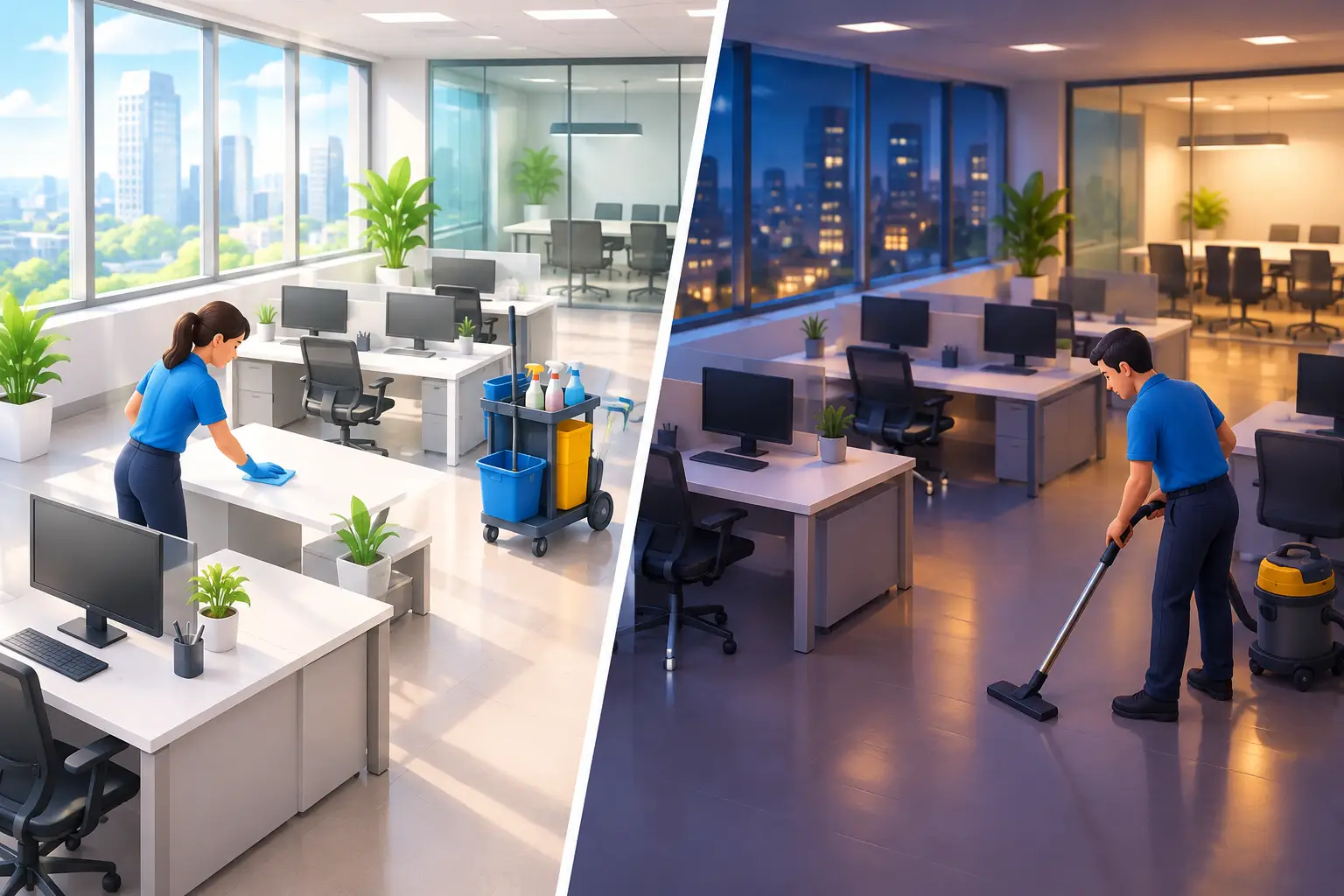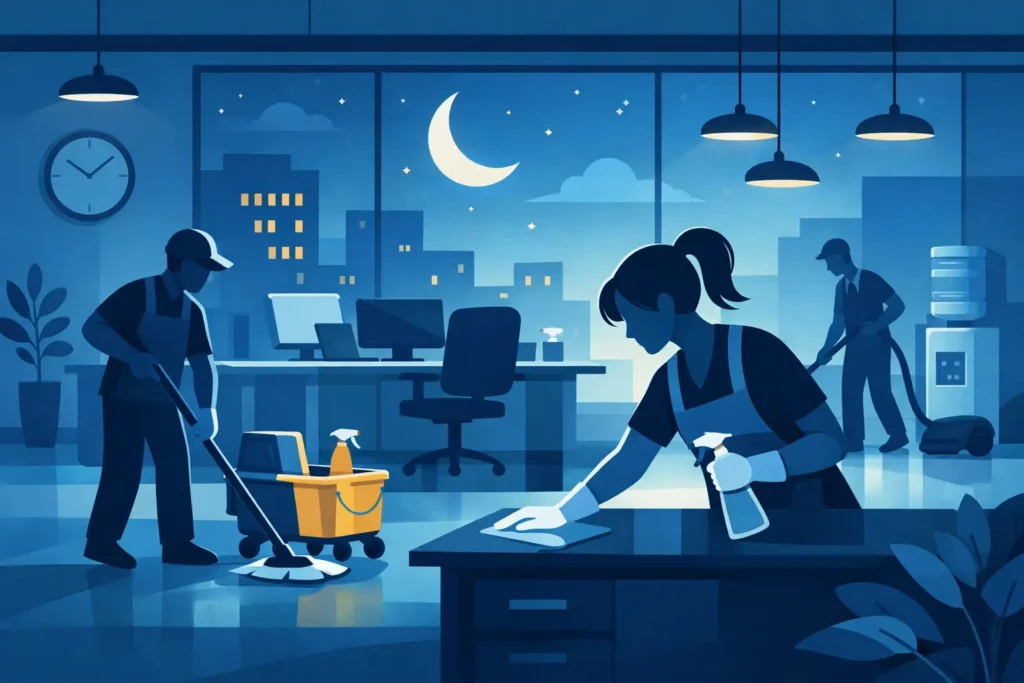
The desks are finally clear, the last staff member has switched off the lights, and tomorrow’s working day can begin with a clean slate. For many businesses, that timing is not a luxury – it is what keeps cleaning from interrupting customers, staff and daily operations. So, can cleaners work after hours? Yes. After-hours cleaning is a common and practical arrangement for offices, clinics, retail spaces, hospitality venues and some homes, provided the work is planned safely and delivered by a trustworthy team.
The right schedule depends on the property, the type of clean, who needs access, and the level of security or hygiene required. A reliable cleaning provider will not simply arrive after closing time. They will agree on clear access procedures, a scope of work and communication arrangements that protect your premises as well as your peace of mind.
Can cleaners work after hours safely?
They can, and in many settings they should. Cleaning when a site is empty reduces disruption. Office staff are not stepping around vacuums during meetings, customers are not waiting for floors to dry, and cleaners can give high-touch areas the attention they need without working around a busy environment.
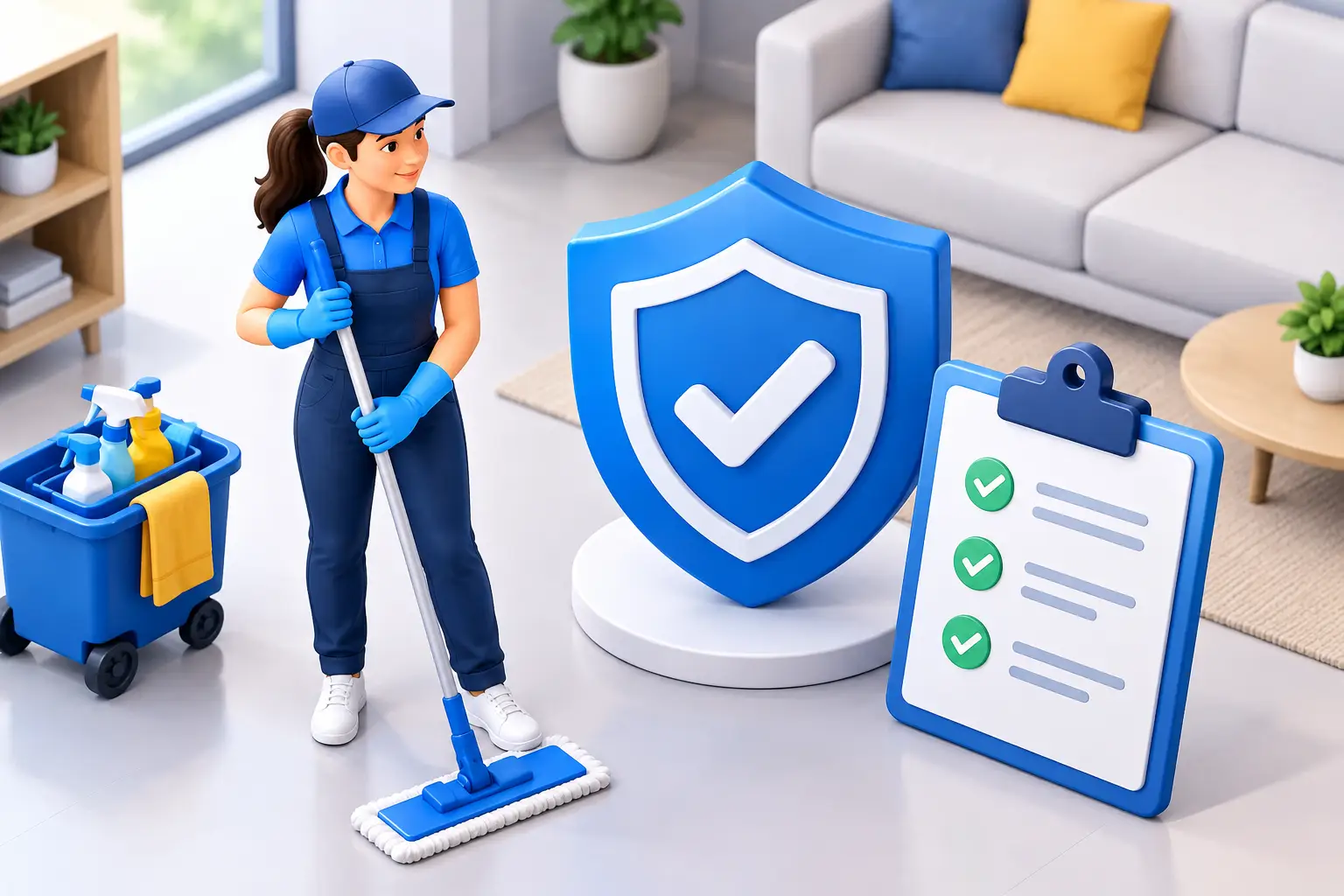
Safety and trust are the foundations of the arrangement. After-hours cleaners may be working with keys, alarm codes, swipe cards or lockboxes while no client representative is present. That makes professional screening, training and accountability essential. Choose a provider that uses vetted, police-checked staff, has appropriate insurance, and can explain exactly who will attend your site.
A clear access plan should cover how cleaners enter and leave, which areas they may access, where keys or passes are stored, and what happens if an alarm is triggered. For larger sites, it may also include sign-in procedures, restricted zones and a nominated contact for urgent questions. These details may seem small, but they prevent most after-hours problems before they start.
Why after-hours cleaning works for businesses
Commercial premises are often at their busiest precisely when they need to look their best. A retail shop needs clean glass and presentable floors before customers arrive. A gym needs sanitised amenities between peak periods. An office needs tidy workspaces without staff losing time to cleaning activity.
After-hours service gives cleaners room to work efficiently. Tasks such as vacuuming, mopping, rubbish removal, detailed bathroom cleaning and disinfecting shared touchpoints can be completed without stopping and starting around people. The result is generally a more consistent clean and less impact on your operation.
For businesses that run late or open early, after hours does not always mean the middle of the night. It may mean an early morning clean before doors open, a late-evening service after the final shift, or cleaning completed in a quiet gap between trading periods. The best window is one that allows enough time for quality work, drying and a final site check.
There is a cost consideration. Evening, overnight, weekend or public holiday scheduling can sometimes affect pricing, particularly where access is more complex or staff must work outside standard hours. However, many operators find the gain in productivity, presentation and customer experience makes it worthwhile. Transparent quoting matters here, so you know what is included before work begins.
Offices and corporate spaces
Offices are among the most straightforward candidates for after-hours cleaning. Staff can leave their desks, meeting rooms and kitchens ready for service, while cleaners restore shared areas for the next morning. A well-planned schedule can include daily rubbish removal and bathroom cleaning, with periodic detail work such as internal glass, upholstery, high dusting or deep carpet cleaning.
Confidentiality needs extra care. Cleaners should follow instructions for paperwork left on desks, secure areas, server rooms and personal belongings. Businesses handling sensitive client information should make sure their provider understands those boundaries from day one.
Medical, aged care and regulated settings
After-hours cleaning can be valuable for medical clinics and other hygiene-sensitive spaces, but the requirements are more specific. Cleaning must work around infection-control procedures, clinical waste arrangements, approved products and areas that may remain in use after normal reception hours.
A provider needs to understand the difference between general cleaning and the specialised processes required for a healthcare environment. Timing should never compromise safe access, patient care or the cleaning standards expected in a regulated setting. In some cases, a combination of daytime touchpoint cleaning and after-hours detailed cleaning is the better solution.
Hospitality, retail and shared facilities
Restaurants, venues, retail sites and gyms often need cleaning finished before the public returns. Floors, amenities, windows and entry areas have a direct effect on how customers view the business. After-hours cleaning helps maintain that standard without putting staff or guests in the middle of the process.
For venues with late trade, the handover is especially important. Cleaners need confirmation that guests have left, cash-handling procedures are complete, and any spills or damage have been reported. Good communication makes the service predictable even when trading hours change.
After-hours cleaning at home: when it makes sense
Residential after-hours cleaning is possible, although it is usually arranged for early evening rather than very late at night. It can suit busy households where adults are home only after work, or tenants who need help preparing for an inspection while juggling a move.
The trade-off is convenience versus quiet and privacy. Vacuuming, equipment movement and bathroom cleaning can create some noise, while children, pets or neighbours may be settling for the evening. A cleaner will also need someone available to provide access unless a secure entry arrangement has been agreed in advance.
If you prefer not to be home, use the same safeguards you would expect for a commercial property. Confirm who is attending, provide only the access required, store valuables and personal documents securely, and leave clear instructions about pets, parking, rooms that are off-limits and any delicate surfaces. A professional team will respect those boundaries.
How to set up an after-hours clean properly
A strong arrangement begins before the first visit. Explain your operational hours, preferred service window and any days when the property cannot be accessed. Be specific about the result you need. For example, an office may require daily presentation cleaning, while an end-of-lease property may need a detailed one-off clean with extra focus on kitchens, bathrooms, windows and built-up grime.
Walk through the scope with the provider. It should identify the rooms or zones to be cleaned, the frequency, included tasks, exclusions and any add-ons such as consumables, window cleaning or carpet work. This avoids assumptions, particularly when cleaners are attending outside your operating hours and there is no one on site to answer questions.
Then establish a simple reporting process. Many clients prefer a message after completion, especially for vacant properties or sites cleaned overnight. The report can confirm attendance, note maintenance issues such as a leaking tap or damaged fitting, and flag supplies that need replenishing. This creates accountability without requiring you to stay up waiting for a call.
Consider these practical points before confirming the booking:
- Access: keys, codes, swipe cards, parking arrangements and alarm instructions should be current and documented.
- Security: define restricted rooms, key return procedures and the contact person for an emergency.
- Site conditions: advise of trip hazards, wet areas, broken fixtures, pets, construction work or any hazards cleaners may encounter.
- Expectations: agree on the cleaning checklist, completion time and how quality concerns will be handled.
These are not unnecessary formalities. They allow the cleaning team to arrive prepared, work safely and leave your space secure.
What to look for in an after-hours cleaning provider
Price matters, but it should not be the only deciding factor when a team is entering your premises outside business hours. Look for a provider that is open about its process, staff screening and quality controls. You should be able to get a clear quote, understand the service schedule and know how to raise an issue if something is missed.
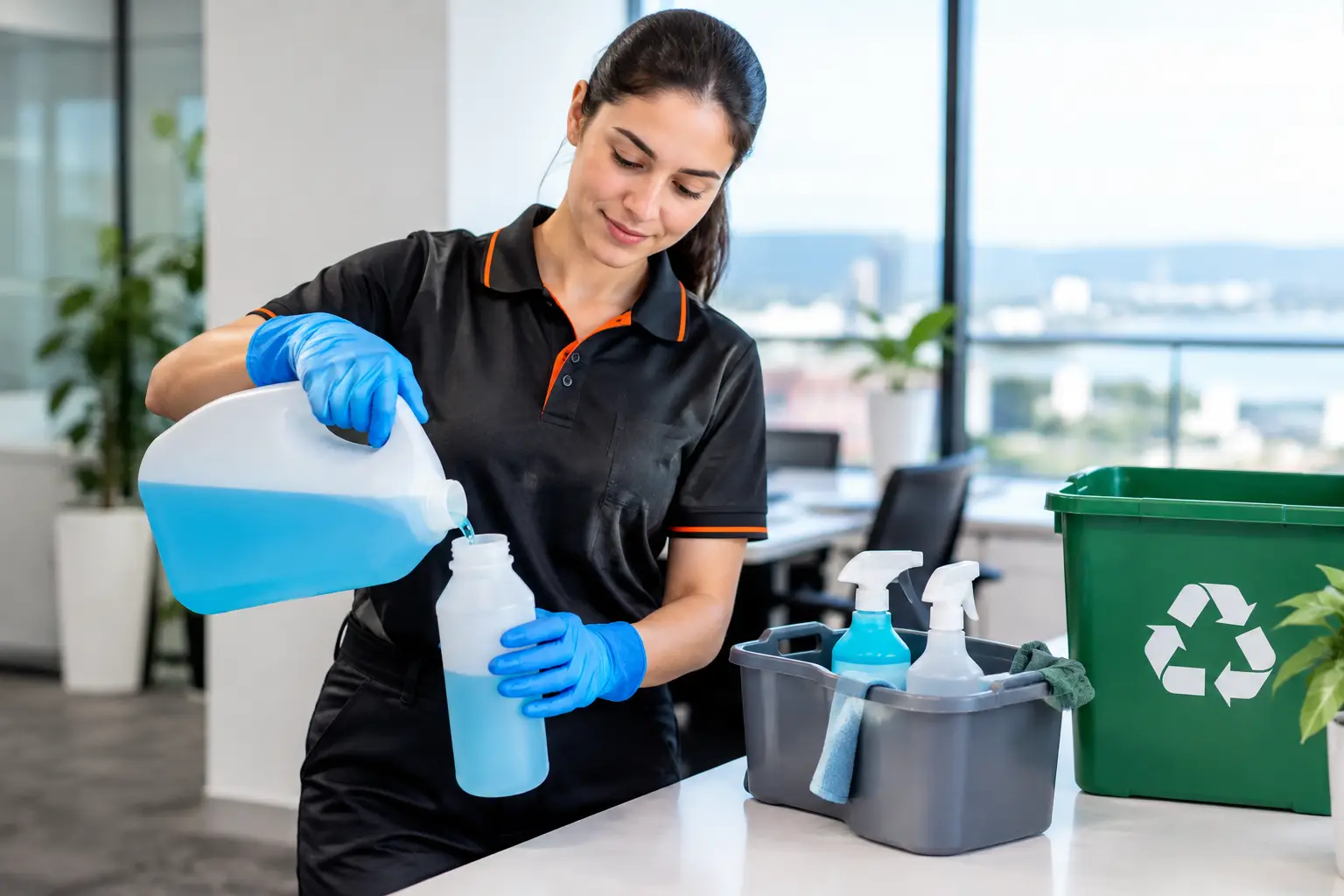
Consistency is equally valuable. A provider with structured processes is more likely to follow access instructions, use the right products for the surface, complete the agreed checklist and notify you if something is not right. Eco-friendly products and quality equipment are worthwhile too, but they work best alongside trained people who know how to use them correctly.
Spiffi Cleaning supports Adelaide homes and workplaces with flexible scheduling, trained police-checked staff and a satisfaction guarantee, including free re-cleans where required. That kind of accountability is particularly valuable when cleaning takes place after you have gone home.
After-hours cleaning should make your day easier, not create another task to manage. With clear access, the right scope and a trusted team, you can return to a space that feels clean, orderly and ready for whatever is next.