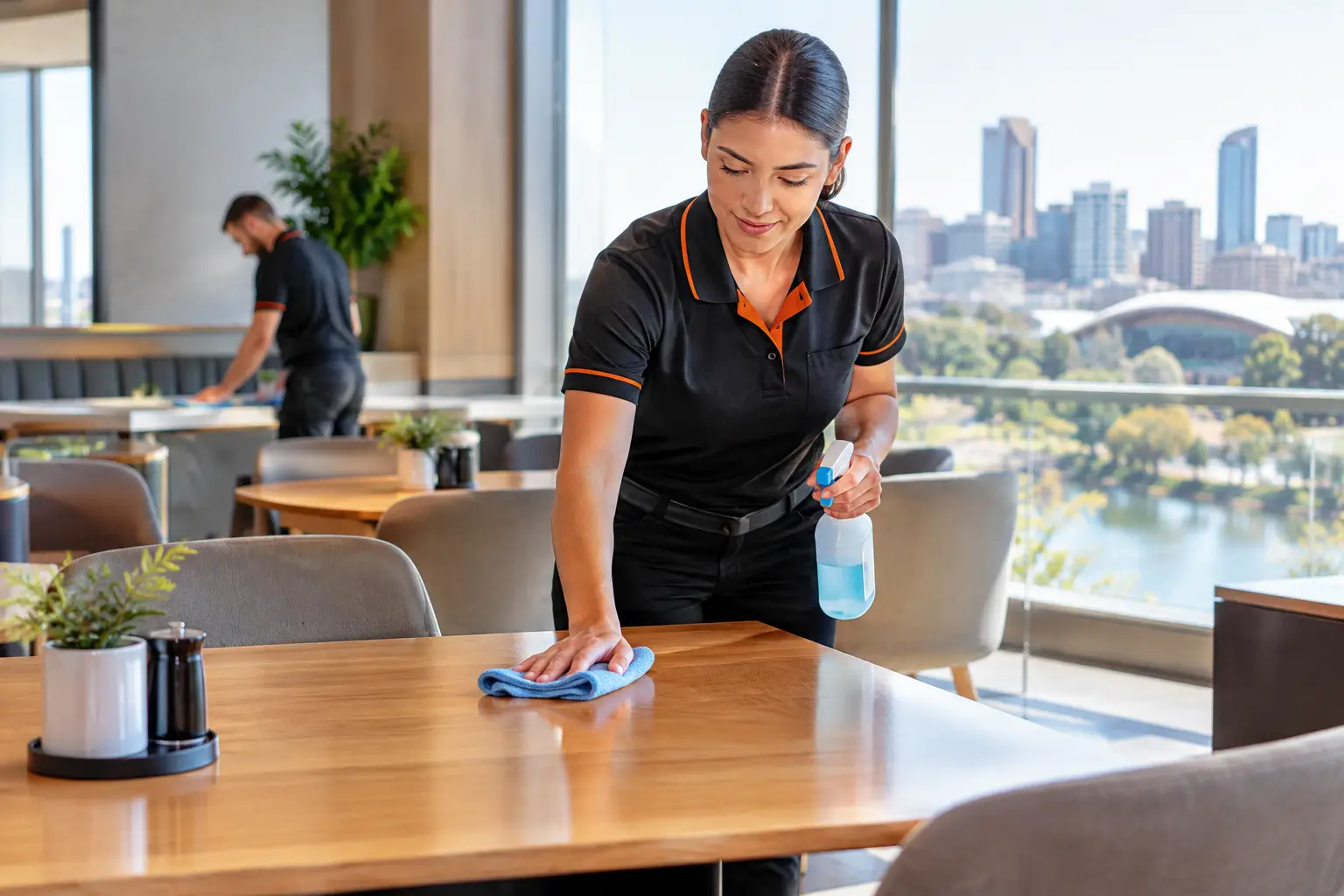
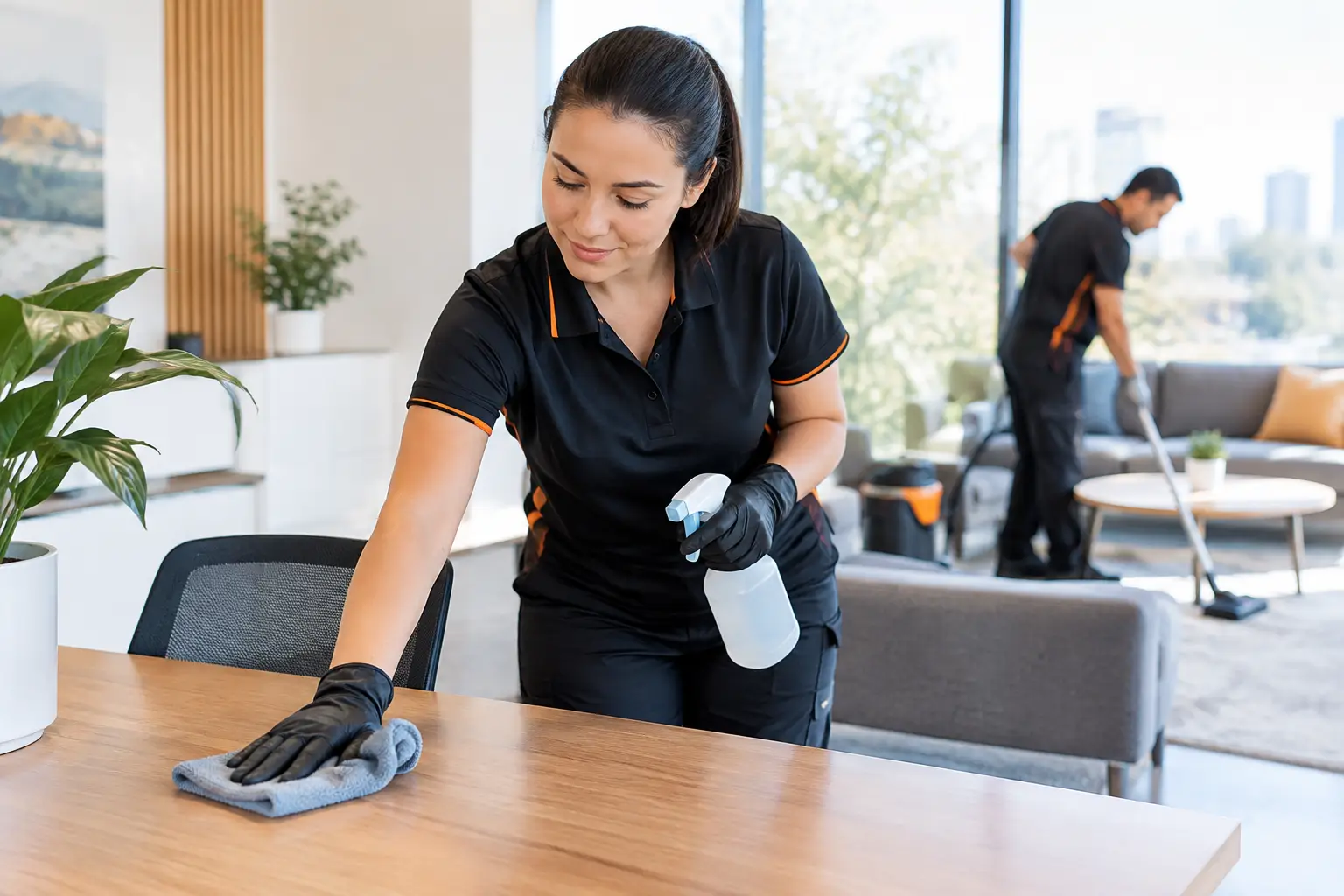
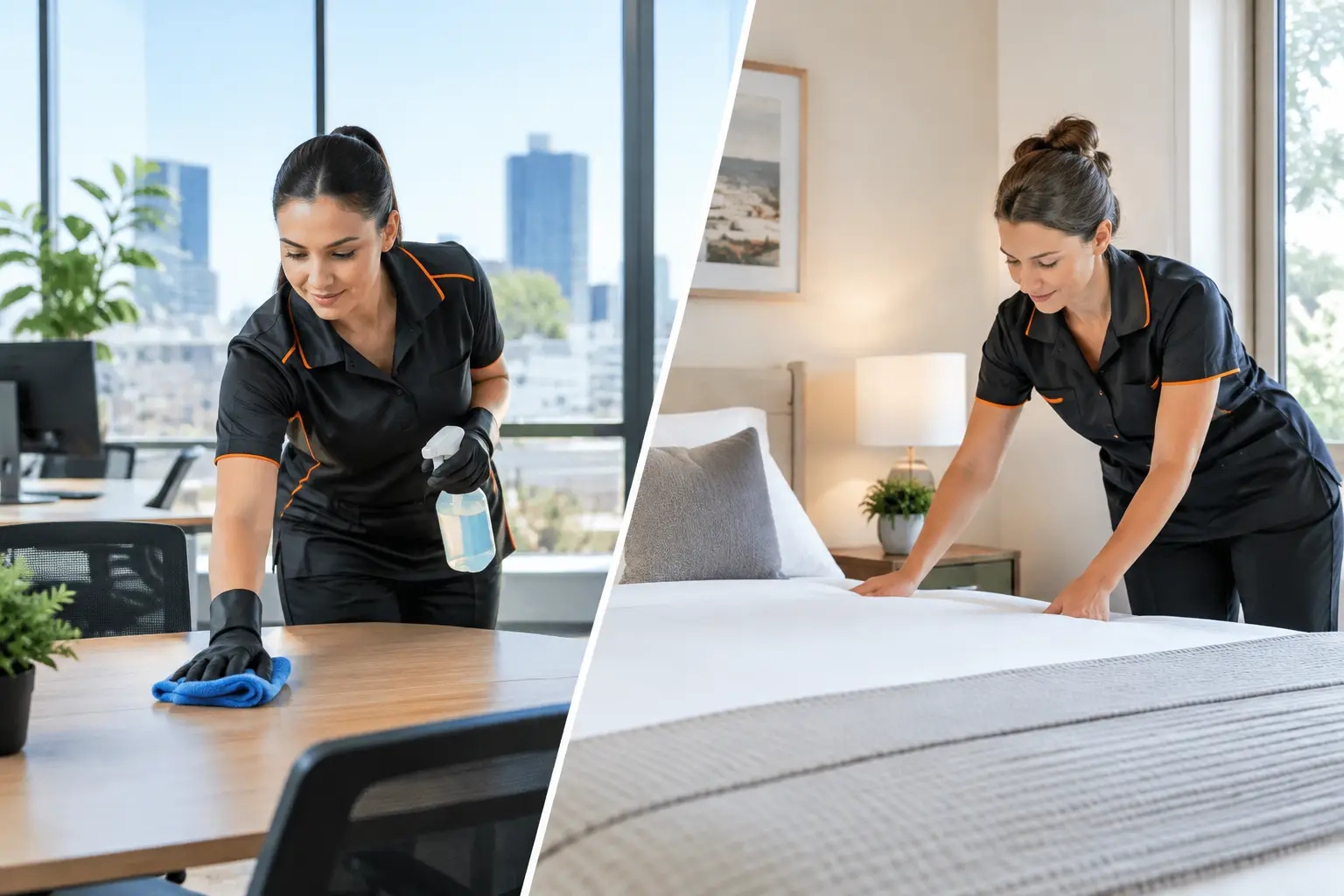
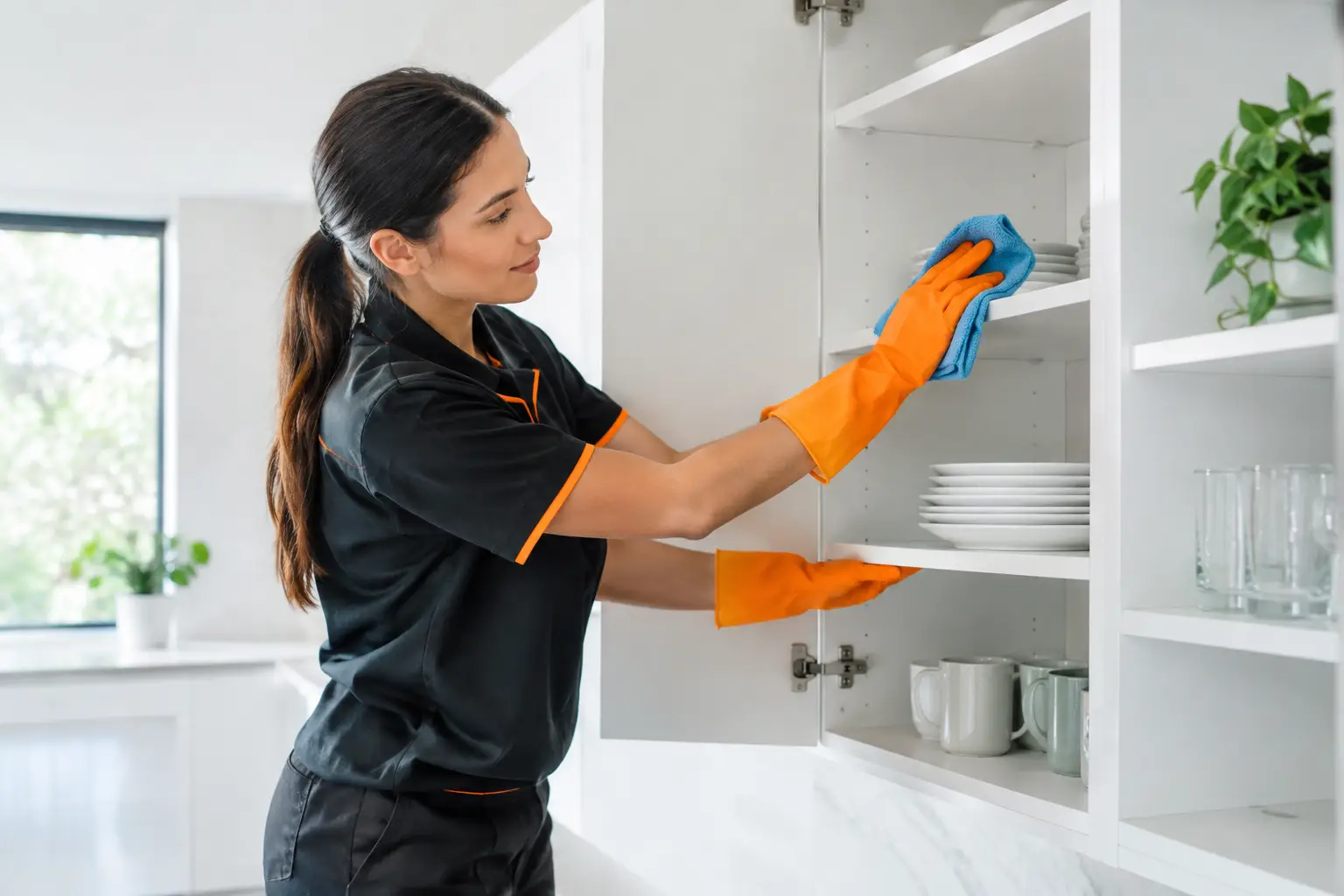
The state of your workplace is noticed before the first meeting starts. A dusty reception desk, overflowing rubbish bins or marked glass can quietly undermine confidence in your business. Consistent office cleaning keeps those details under control, giving staff a healthier place to work and visitors a professional first impression.
For Adelaide businesses, the right cleaning arrangement is not simply about finding someone to vacuum after hours. It is about setting a clear standard, protecting high-touch areas and knowing the job will be completed properly every time. Whether you manage a small suite, a busy corporate floor or a shared workspace, a tailored plan makes cleaning one less operational concern.
Why office cleaning matters beyond appearance
A clean office looks organised, but its value reaches further. Desks, kitchen benches, bathroom fixtures, lift buttons and meeting-room tables are used by multiple people each day. Without regular cleaning and disinfecting, these surfaces can quickly collect grime and germs.
A well-maintained workplace also supports morale. Staff should not have to start their day wiping down a shared kitchen or wondering whether the bathroom has been serviced. When common areas are clean, stocked and pleasant to use, people can focus on their work rather than the state of the office.
Presentation matters to clients, suppliers and prospective employees too. Visitors may not comment on fresh floors or streak-free glass, but they notice when a workplace feels cared for. That sense of order can reinforce the professionalism your team brings to every interaction.
There is also a practical asset-protection benefit. Regular attention to flooring, upholstery, glass and high-use fixtures can reduce the build-up that causes premature wear. Replacing damaged carpet or restoring neglected hard floors costs far more than maintaining them properly along the way.
What a professional office cleaning plan should cover
No two offices operate in exactly the same way. A quiet consulting office may need a detailed weekly clean, while a high-traffic workplace with shared amenities may require cleaning several times a week or every day. The scope should reflect your staff numbers, visitor traffic, office layout and the type of work being done on site.
A reliable routine generally covers the visible areas people use every day. Reception areas, workstations, meeting rooms, kitchens, bathrooms, corridors and entry points all need clear attention. Rubbish removal, vacuuming, mopping, dusting and sanitising should be scheduled at a frequency that prevents problems rather than reacting to them.
High-touch surfaces deserve particular focus. Door handles, light switches, shared mobiles, tapware, appliance handles and meeting-room controls are easy to miss during a rushed clean. A professional cleaner works from a checklist and understands that these small details are central to workplace hygiene.
Your plan may also include periodic services that do not need to happen every visit. Window cleaning, detailed kitchen cleans, carpet steam cleaning, upholstery cleaning and hard-floor care can be booked on a planned cycle. This approach keeps the office consistently presentable without paying for unnecessary tasks at every service.
A practical scope for shared spaces
In busy offices, shared spaces usually create the quickest visible decline. Kitchenettes and bathrooms need close attention because they affect staff comfort and hygiene more than almost any other area. Meeting rooms matter because they are often where clients form their first impression of the business.
A strong cleaning scope should make responsibilities clear. It should specify what happens at each visit, which areas receive deeper attention on a rotating basis and what consumables, if any, are replenished. Clear expectations prevent the familiar frustration of assuming a task was included when it was not.
How often should your office be cleaned?
The honest answer is that it depends. A five-person office that rarely receives visitors may be well served by a weekly clean, supported by staff keeping their own desks tidy. A larger workplace with daily client appointments, shared lunch facilities and multiple bathrooms will usually need more frequent service.
Consider the number of people using the space, the volume of client traffic, the number of shared amenities and the industry you work in. Offices connected to healthcare, education, hospitality or fitness may have stricter hygiene expectations than a low-traffic administrative workplace. End-of-day cleaning is often ideal for active offices, while early-morning service can suit businesses that need everything fresh before doors open.
It is worth reviewing the schedule after the first few weeks. If bins are full before the next service, bathroom supplies are running low or kitchen surfaces look tired midweek, the frequency may need adjusting. A flexible provider should be able to scale the plan as your office changes.
Choosing an office cleaning provider you can trust
Handing over access to your workplace requires confidence. Price matters, but the cheapest quote can become costly if cleaners are unreliable, standards vary or the scope is unclear. Look for a provider that is upfront about what is included and can explain how quality is checked.
The following points are especially useful when comparing professional cleaners:
- Trained, police-checked staff who can be trusted around offices, equipment and confidential workspaces.
- Clear, transparent quoting that defines the cleaning tasks, schedule and any extra services.
- Appropriate equipment and eco-friendly products that are effective without leaving harsh odours behind.
- Responsive communication, including a straightforward process for feedback, changes and re-cleans if required.
Insurance and workplace procedures also matter. A professional team should know how to work safely around cables, electronics, access-controlled areas and occupied workspaces. They should arrive prepared rather than relying on office staff to provide basic supplies or instructions each visit.
Consistency is often the deciding factor. A cleaning company may deliver a strong first clean, but ongoing quality is what protects your workplace presentation. Ask how cleaners follow site-specific instructions, how issues are recorded and who you contact if something needs immediate attention.
Small habits that make cleaning more effective
Professional cleaning delivers the best results when the office has simple day-to-day routines in place. This does not mean asking staff to take on the cleaner’s job. It means making the space easier to maintain between scheduled visits.
Encourage staff to clear food from the fridge on a set day, wash personal dishes after use and keep walkways free of boxes or loose items. A clear desk policy can help with privacy and also allows cleaners to clean work surfaces without moving confidential papers. Designating a place for deliveries, recycling and printer supplies prevents clutter from spreading through shared areas.
Facility managers should also report spills, damaged fixtures or pest concerns promptly rather than waiting for the next regular service. A small issue dealt with early is usually simpler and less disruptive than a problem that has been allowed to build up.
When your office needs a deeper clean
Routine cleaning maintains a standard. Deep cleaning restores areas that receive less frequent attention, such as skirting boards, behind furniture, internal glass, detailed bathroom grout and build-up around kitchen appliances. It can be particularly useful after an office move, renovation, seasonal illness outbreaks or a period of heavy use.
A deep clean is not always required on a fixed monthly schedule. Its timing depends on the condition of the workplace and the level of daily traffic. However, booking one periodically can prevent gradual grime from becoming part of the office environment.
For businesses preparing for an inspection, hosting an important event or welcoming a new team, a detailed clean can make a meaningful difference quickly. The aim is not to make the office look artificially perfect. It is to ensure every area feels clean, safe and ready for people to use.
Spiffi Cleaning provides Adelaide businesses with flexible office cleaning built around practical schedules, clear communication and dependable standards. With trained, police-checked staff, quality equipment and a satisfaction guarantee, the focus stays where it should be: on a workplace your team and visitors can feel good about.
A clean office should be the quiet part of a well-run business – consistently handled, easy to arrange and never something your team has to chase.