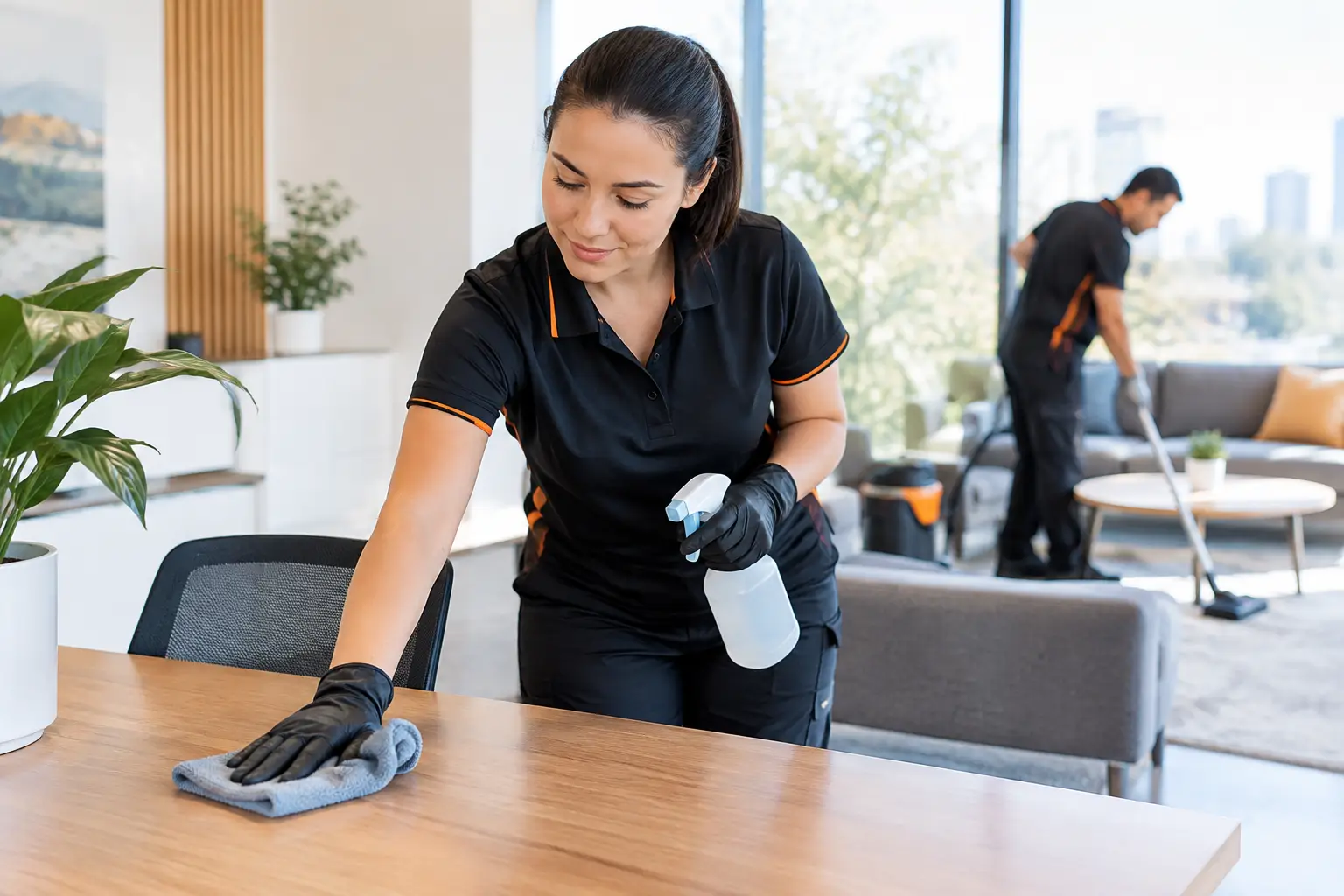
A guest checks out at 10 am, the next booking arrives at 3 pm, and a late departure message lands on your mobile. That narrow window is where hosting standards are either protected or compromised. Knowing how to manage Airbnb turnovers comes down to building a repeatable process that keeps the property clean, stocked, inspected and ready to welcome every guest on time.
A good turnover is not simply a quick clean. It is a quality-control process that protects your ratings, reduces guest complaints and helps your property feel consistently cared for. Whether you manage one Adelaide apartment or several short-stay properties, the goal is the same: every arriving guest should walk into a space that feels fresh, organised and genuinely guest-ready.
Start With a Realistic Turnover Window
Your check-out and check-in times set the pace for everything that follows. A five-hour window may look generous until you account for stripping beds, washing linen, cleaning bathrooms and kitchens, checking appliances, restocking supplies, reporting damage and resolving unexpected issues.
Avoid scheduling back-to-back stays with no margin if your property needs a deep reset or you rely on laundry that cannot be completed on site. Where possible, allow enough time for the cleaner to work properly rather than rushing through visible surfaces. A rushed turnover is often where dust under furniture, hair in bathrooms, low supplies and missed maintenance issues slip through.
It also helps to set clear expectations with guests before arrival and departure. Send check-out instructions the day before they leave, including the departure time, rubbish directions and any simple requirements such as placing used towels in the bathroom. The aim is not to make guests do the cleaning, but to avoid unnecessary delays when the turnover team arrives.
Build a Repeatable Airbnb Turnover Checklist
Memory is not a reliable operating system, particularly when different people clean, inspect or communicate with guests. A detailed checklist gives every turnover the same standard, whether it is a quiet weekday changeover or a busy long-weekend booking.
Your checklist should cover cleaning, presentation, stock levels and property condition. Each room needs its own set of checks. In the bathroom, this means disinfecting high-touch points, removing hair, polishing mirrors, replenishing toilet paper and checking drains. In the kitchen, it includes cleaning appliances, emptying the fridge, checking crockery and wiping inside drawers where crumbs can collect.
Bedrooms deserve more than fresh linen. Check under the bed, look for marks on walls or bedding, test bedside lamps and make sure pillows and throws are arranged consistently. In living areas, reset cushions, remove rubbish, clean remotes and ensure the Wi-Fi information is easy to find.
A strong final check should include at least these essential items:
- All used linen and towels removed and replaced with clean, dry sets
- Rubbish bins emptied, relined and taken to the correct collection point
- Floors vacuumed and mopped, including edges and high-traffic areas
- Bathrooms sanitised, dry and free from hair, marks or lingering odours
- Kitchen surfaces, sinks, appliances and dishes cleaned and put away
- Lights, air conditioning, locks, remotes and smoke alarms checked where appropriate
The checklist should be practical, not overly complicated. If it is too long to use during a busy turnaround, it will be ignored. Focus on the details guests notice first and the issues that can affect safety, comfort or your next review.
Make Linen and Laundry a Separate System
Linen is one of the most common turnover bottlenecks. A property may be spotless, but it cannot be released for check-in if the sheets are still wet or there are not enough clean towels.
Keep at least three complete linen sets per bed where possible. One set is in use, one is being washed and one is ready to go. This gives you breathing room when a guest stains a sheet, the washing machine breaks down or a same-day booking comes in. For high-occupancy properties, additional towel sets can prevent laundry from becoming a daily emergency.
Store clean linen in sealed, labelled containers or a dedicated cupboard. This protects it from dust and makes it easy for cleaners to find the right sizes without opening every cupboard. Inspect linen as it is stripped, not when the next guest has already arrived. Stains, tears and worn towels should be removed from rotation promptly.
Some hosts prefer to manage laundry themselves to reduce costs. Others use a professional linen service or assign it to a cleaning provider. The right choice depends on booking volume, available storage and whether you can reliably complete laundry within the turnover window. Reliability usually matters more than saving a small amount per changeover.
Restock Before Guests Notice What Is Missing
Guests rarely mention hand soap, tea bags or toilet paper when everything is available. They do notice when essentials run out on the first night. A simple par-level system prevents this problem.
Set a minimum quantity for each consumable item, then restock it whenever supplies drop below that level. For example, you may decide every new booking starts with two toilet rolls per bathroom, dishwashing liquid, bin liners, hand soap, tea, coffee and basic cleaning supplies. If your listing promises items such as body wash, cooking oil or laundry detergent, they need to be checked at every turnover as well.
Keep a locked owner cupboard with clearly labelled backup stock. Avoid leaving excessive supplies accessible to guests, as this can create waste and make stock levels harder to control. Review usage over time. A family-friendly home, for example, will usually need more towels, bin liners and dishwashing supplies than a one-bedroom business-stay apartment.
Inspect for Damage, Safety and Maintenance Issues
Cleaning staff are often the first people to spot a broken lamp, damaged blind, stained carpet or missing remote. Give them a clear process for reporting issues immediately, ideally with photos and a short written note. Waiting until the next booking has checked in can turn a small repair into a poor guest experience.
Between stays, inspect locks, keys or key safes, smoke alarms, fans, air conditioning, hot water, kitchen appliances and Wi-Fi equipment. You do not need to run a full property inspection every time, but the essentials should be checked consistently. A quick test of lights, remotes and taps can prevent the most common arrival-day complaints.
Be fair and evidence-based if you need to make a damage claim. Take date-stamped photos before and after each booking, keep an inventory of valuable items and document existing wear. This protects you while ensuring normal use is not treated as guest damage.
Create Clear Handover Communication
Turnovers become harder when information is scattered across text messages, booking platforms and personal notes. Use one shared system for booking dates, cleaning times, access details, special guest requests, maintenance tasks and completion status.
Your cleaner or property manager should know the departure and arrival time, guest numbers, bed configuration, pet stays, early check-in requests and any concerns from the previous guest. In return, they should confirm when the property is complete and report any issue that needs your decision.
Photos taken after the clean can provide useful reassurance, particularly when you manage the property remotely. They are also helpful for checking styling and presentation are consistent. Just keep the process efficient – a few clear images of key rooms and any reported issue are usually enough.
When to Use a Professional Turnover Cleaner
Managing your own turnovers can work for a single property with flexible booking gaps. It becomes more difficult when you have frequent same-day changes, live away from the property or need reliable cover during holidays, illness and peak periods.
A professional Airbnb cleaning service brings structure to the process: trained staff, commercial-grade equipment, clear checklists and a dependable schedule. The key is choosing a provider that understands short-stay standards rather than treating the job like a basic weekly house clean. Ask how they handle linen, restocking, damage reporting, access, quality checks and re-cleans if something is missed.
For Adelaide hosts, Spiffi Cleaning can provide detail-focused Airbnb and rental cleaning support designed to help properties stay presentation-ready between guests. Consistent cleaning helps protect the experience guests remember, not just the room they photograph.
The best turnover system is the one that still works when a guest leaves late, a booking comes in unexpectedly or a small maintenance problem appears. Build in time, keep standards visible and give every task an owner. Guests may never see the work behind a well-managed turnover, but they will feel the difference the moment they open the door.