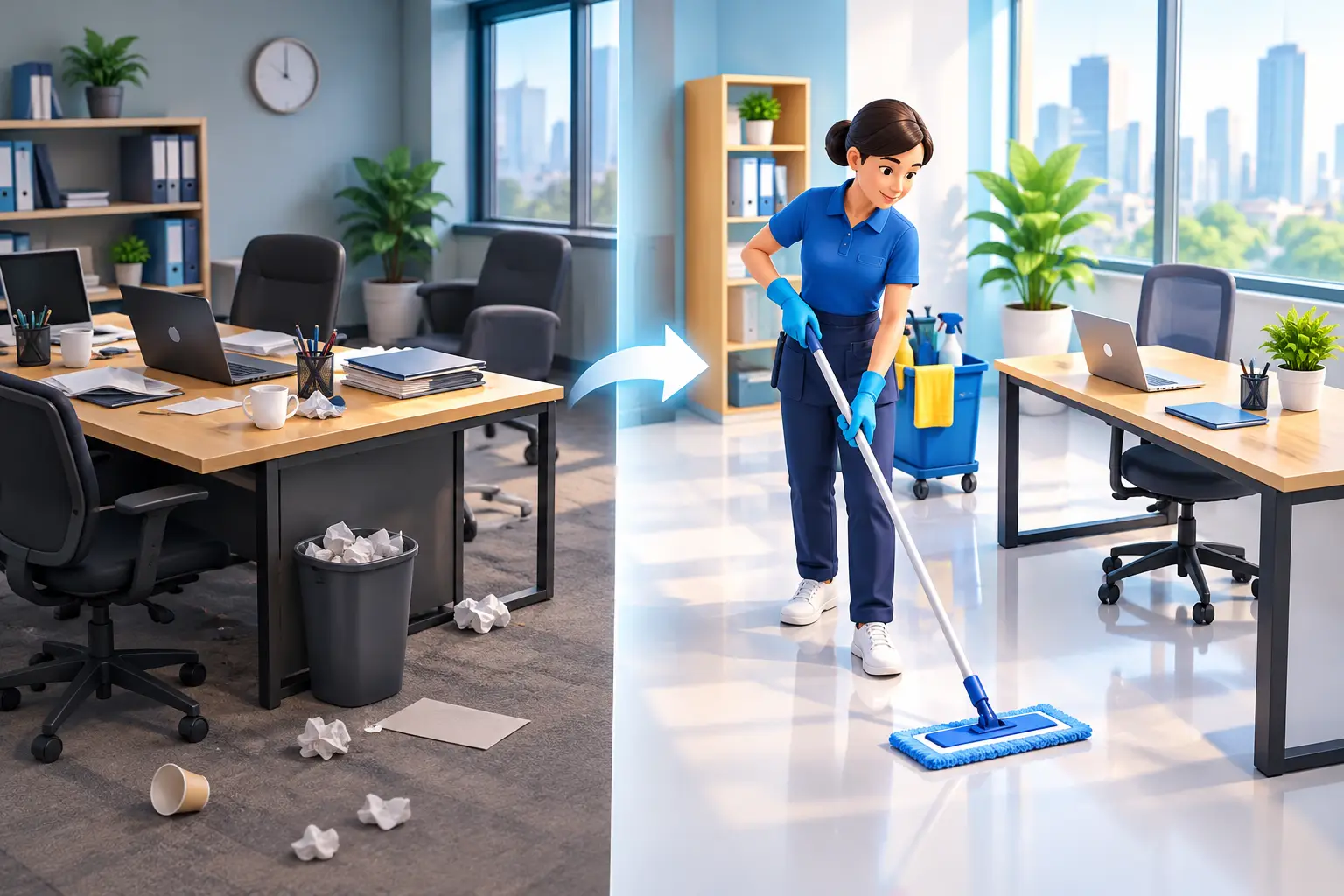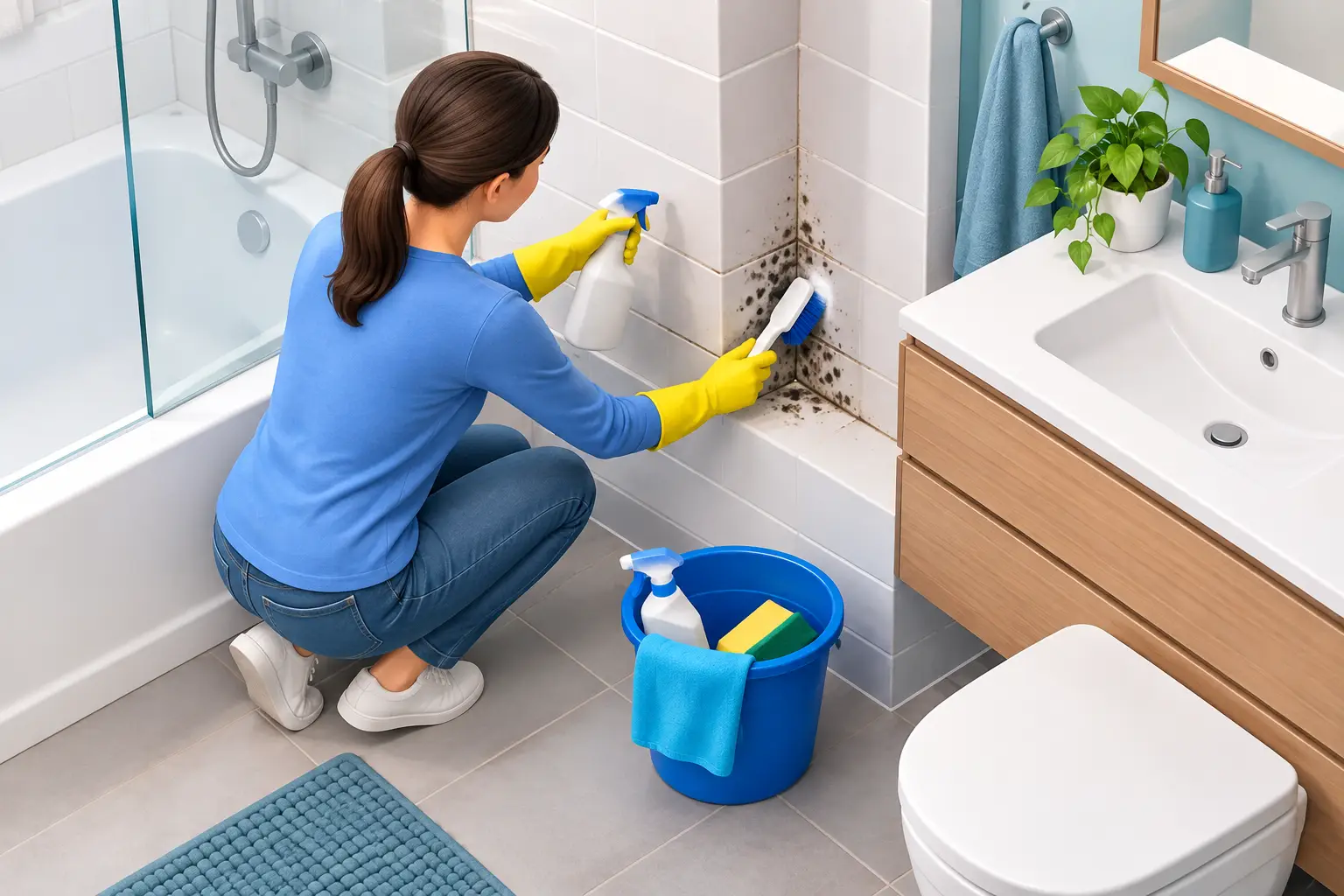
A half-used bottle under every sink may not look like a major cost. Across an office or medical practice, though, over-pouring, expired products and duplicate orders quickly create unnecessary waste. Learning how to reduce cleaning chemical waste helps keep storage areas safer, controls supply spending and supports a consistently clean workplace.
For Adelaide offices and clinics, the aim is not to use less product at the expense of hygiene. It is to use the right product, at the right dilution, in the right place. That takes a clear routine, trained cleaners and enough oversight to spot waste before it becomes a recurring problem.
Why cleaning chemical waste adds up
Chemical waste is rarely caused by one big mistake. More often, it comes from small habits repeated every shift: filling a spray bottle to the top when only a small area needs attention, guessing dilution ratios, opening a new bottle before the old one is finished, or using a heavy-duty chemical where a neutral cleaner would do.
In a busy workplace, this also creates clutter. Storerooms become crowded with unlabelled bottles, partly used concentrates and products nobody is confident using. That makes stock harder to manage and can increase the chance of a cleaner selecting the wrong product for a surface.
Medical centres have an added reason to stay organised. Cleaning products need to be suitable for the task and handled according to the manufacturer’s directions. A stronger mix is not automatically a better clean. It can leave residue, affect certain surfaces and make a process harder to repeat consistently.
Start with a practical chemical inventory
Before changing products or buying new dispensers, find out what is already on site. A simple inventory is often enough to reveal where waste is occurring. Check cleaning cupboards, cleaner trolleys, reception storage and any back-of-house areas where supplies may have been put aside.
Record the product name, purpose, quantity, date opened and expiry or best-before information where provided. Remove products with missing labels from everyday use until they can be correctly identified. This is not just tidying up. It gives staff and cleaners a clear view of what can be used first and what should not be reordered.
Keep the selection tight. Most workplaces do not need multiple products that perform the same job. A practical set may include a general-purpose cleaner, glass cleaner, bathroom cleaner, floor product and task-specific disinfectant where required. The exact mix depends on your premises, finishes and cleaning plan, but fewer approved products usually mean fewer ordering errors.
Use the oldest suitable stock first
Set up shelves so older stock is easy to reach and newer deliveries sit behind it. This first-in, first-out approach is simple, but it prevents a common problem: bottles being pushed to the back until they are no longer suitable for use.
It also helps to keep only reasonable working quantities in each cleaning cupboard. Bulk storage can be useful when managed properly, yet too much stock spread across several locations makes it difficult to know what you have.
Use dilution control to reduce cleaning chemical waste
Concentrated chemicals can be economical and can reduce packaging, but only when they are diluted accurately. Guesswork is one of the biggest sources of unnecessary chemical use. A cleaner who adds an extra splash “just to be safe” may use far more product over a month than expected.
Use clearly marked measuring equipment or a closed-loop dilution system where it suits the site. Refillable bottles should show the product name, intended use, dilution ratio and preparation date. Labels need to remain readable even in damp cleaning areas.
Follow the manufacturer’s instructions for dilution and contact time. If a product needs to remain on a surface for a specified period, applying more chemical does not replace that step. Good technique matters just as much as the product itself.
For smaller sites, pre-measured dosing bottles may be enough. For larger offices, clinics or multi-level premises, a wall-mounted dispensing system can make more sense. It depends on cleaning frequency, staff access and whether one contractor or several people handle the work.
Match the chemical to the task
Using a high-strength product for every surface wastes chemicals and may create avoidable wear on desks, floors, tapware and fittings. A routine wipe of office touchpoints is different from a bathroom clean, and both are different again from a spill response or a clinical-area protocol.
Create a simple task guide for the people doing the cleaning. It should state which product is approved for each area, how it is diluted, the tools required and any surface restrictions. Keep the wording direct. A guide is useful only if it can be followed during a busy shift.
Microfibre cloths and properly maintained equipment can also reduce reliance on chemicals. A clean, colour-coded cloth used with the correct method lifts dust and soil more effectively than a worn cloth soaked with extra product. Cloths should be changed and laundered regularly, not used until they are visibly dirty.
Stop unnecessary decanting and duplicate bottles
Decanting chemicals into unlabelled bottles is a common shortcut with real consequences. It makes products harder to identify, can lead to incorrect use and often results in bottles being thrown out because nobody knows what is inside.
Where refillable bottles are needed, use durable labels and retain the relevant safety information. Do not mix products together unless the manufacturer specifically instructs it. Mixing chemicals can create hazards, damage surfaces and make it impossible to know how the solution should be used.
Give each cleaner or area a controlled number of working bottles. If every cupboard has three versions of the same spray, consumption becomes almost impossible to track. A cleaner trolley should carry what is required for the shift, then be checked and restocked in one central place.
Train for consistency, not just speed
Even a well-organised chemical cupboard will not reduce waste if the cleaning process is unclear. New cleaners should be shown the site-specific routine, including where supplies are kept, which products are approved and how bottles are refilled.
Training should cover practical details: measuring concentrate, reading labels, avoiding cross-contamination between areas and reporting damaged packaging. It should also explain why the process matters. When cleaners understand that correct dosing protects surfaces, improves supply control and supports a professional standard, they are more likely to follow it.
For office managers and practice managers, short check-ins are more useful than waiting for a problem. Ask whether a product is running out too quickly, whether bottles are leaking or whether a particular task requires a different approach. These conversations can identify waste early without disrupting the cleaning schedule.
Measure use without creating more admin
You do not need complex reporting to spot a pattern. Track purchases of core products over a few months and compare them with occupancy, cleaning frequency and any changes to the premises. If chemical use rises sharply without a clear reason, investigate before placing another bulk order.
It may be a training issue, a dispensing problem or a product that is not suited to the task. Sometimes the answer is simply that a cleaner has been tackling an unexpected workload, such as post-construction dust or repeated spills. The point is to understand the reason, not assume someone is doing the wrong thing.
A dependable commercial cleaner should also be able to explain what products are being used, why they are appropriate and how supplies are managed. At Spiffi Cleaning, clear routines and professional equipment help keep office and medical centre cleaning organised, reliable and easier for managers to oversee.
Store and dispose of products responsibly
Keep chemicals in a cool, secure and well-ventilated area, away from food, patient supplies and public access. Leave products in their original containers where possible, with labels intact. Check safety directions for storage requirements and keep incompatible products apart.
When a product is expired, damaged or no longer suitable, do not pour it into a sink or general rubbish bin without checking the disposal instructions. Product labels and local disposal guidance will outline the appropriate method. This is particularly important for concentrated products and larger quantities.
The best result is not an empty chemical cupboard. It is a controlled one: enough of the right supplies to maintain a clean, healthy workplace, with less waste, less clutter and fewer surprises for the people managing it.