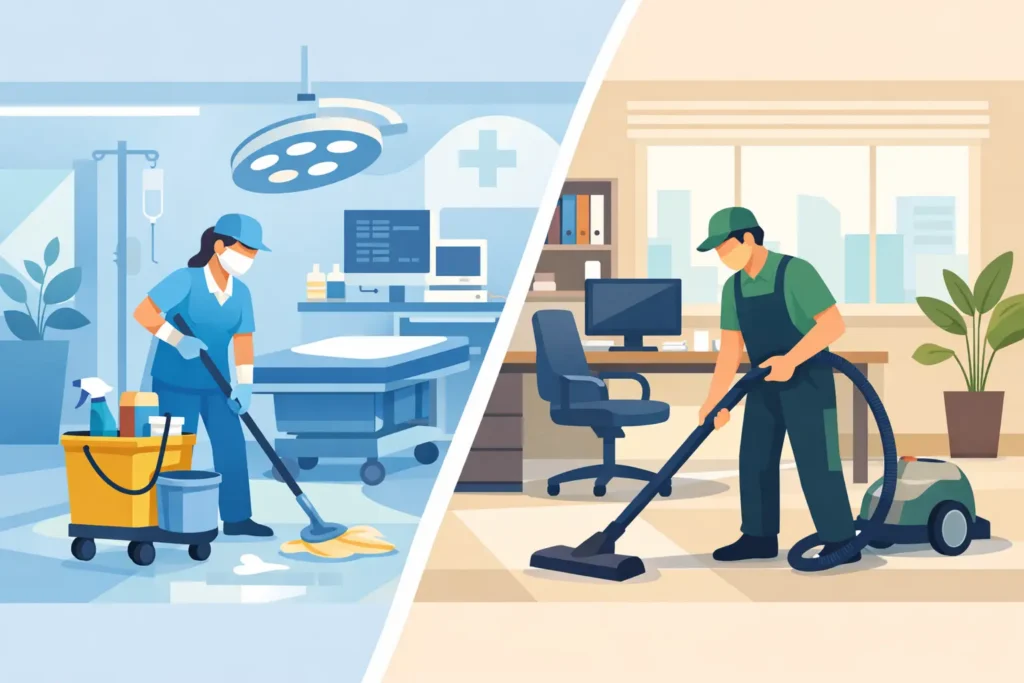
A desk with fingerprints or a bin emptied an hour late can make an office look neglected. In a clinic, the same lapse can create a hygiene concern for patients, practitioners and staff. That is the real difference in clinic cleaning vs office cleaning: both need a clean, professional environment, but clinics require a more controlled approach because people may be unwell, vulnerable or moving through treatment areas all day.
Choosing the right service is not about paying for more cleaning than you need. It is about matching the cleaning plan, products, staff training and schedule to the risks and expectations of your workplace.
Clinic cleaning vs office cleaning: the core difference
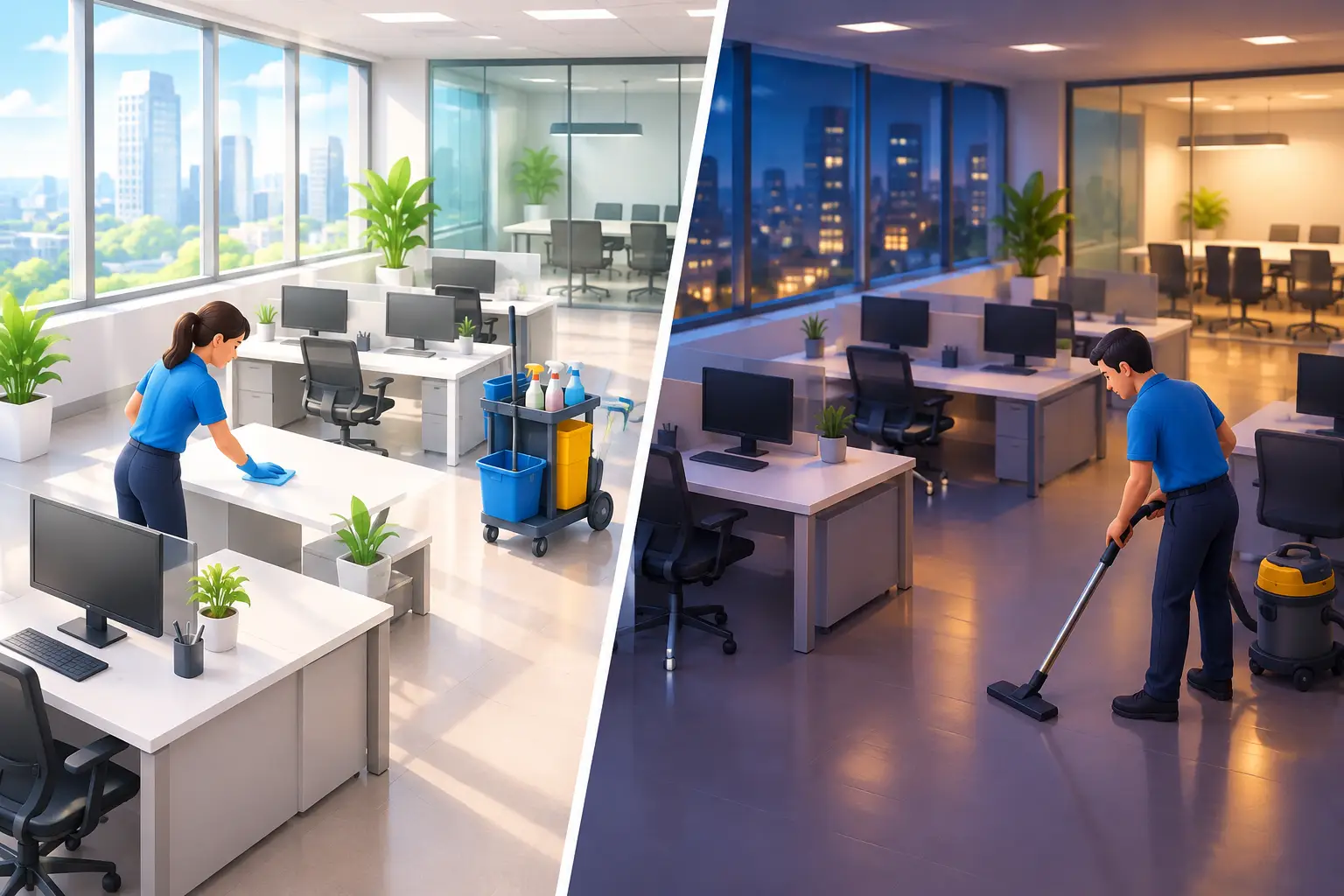
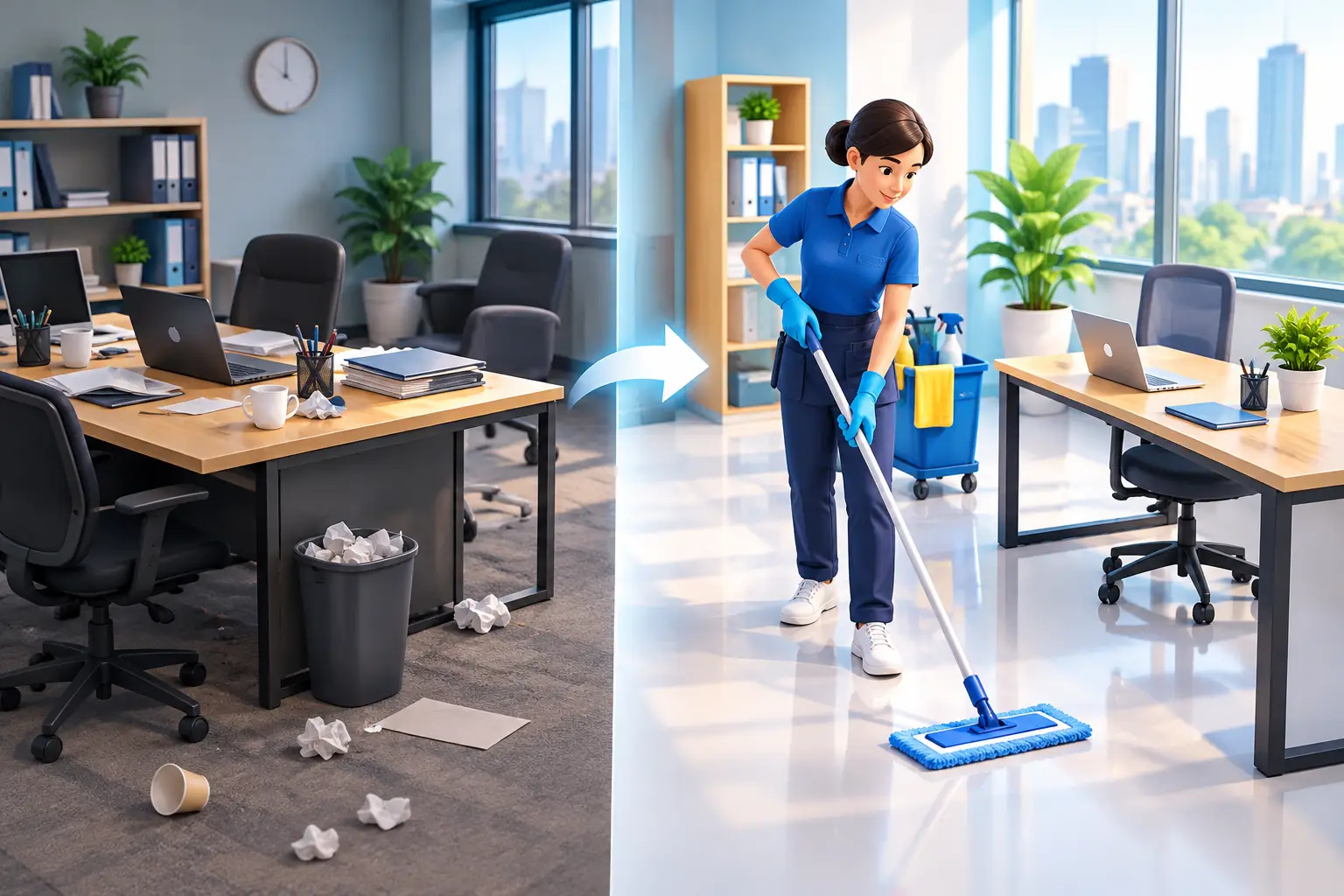
Office cleaning is designed to maintain a tidy, comfortable and presentable workplace. Typical priorities include dust-free workstations, clean kitchens and bathrooms, vacuumed floors, rubbish removal and polished shared areas. These tasks support staff wellbeing, visitor confidence and the everyday operation of the business.
Clinic cleaning has those same presentation standards, but hygiene controls sit at the centre of the service. Waiting rooms, consultation rooms, treatment spaces and amenities can have a higher volume of close contact. Surfaces may be touched by patients with different health conditions, while medical staff need rooms reset quickly and consistently between appointments.
For that reason, clinic cleaning plans usually focus more heavily on high-touch point disinfection, preventing cross-contamination, correct product selection and clear separation between areas. The cleaner is not simply making a room look clean. They are following a repeatable process that supports a safer environment.
Different spaces, different risk levels
An office usually has several broadly similar zones: work areas, meeting rooms, reception, kitchens and toilets. Cleaning can be scheduled around the workday, often after hours, with a routine that stays largely consistent from week to week.
A clinic has more varied spaces. Reception and waiting rooms are public-facing and can become busy quickly. Consultation rooms may need cleaning at set intervals. Treatment rooms, pathology collection areas and staff spaces each have different requirements. Even door handles, EFTPOS terminals, clipboards and armrests deserve closer attention because many people touch them throughout the day.
This does not mean every clinic needs hospital-level cleaning. A small allied health practice has different needs from a dental surgery, GP clinic or specialist treatment centre. The right level depends on the services provided, patient turnover, the surfaces in use and any internal infection-control policies. A professional cleaner should assess the site rather than apply a one-size-fits-all checklist.
High-touch cleaning is more deliberate in clinics
In a standard office, high-touch surfaces are commonly included in the routine, particularly in kitchens and bathrooms. In a clinic, they are a central priority. This includes reception counters, chairs, light switches, door hardware, taps, keyboards where appropriate, call buttons and shared equipment exteriors.
The difference is in the method as much as the frequency. Cleaning needs to move from cleaner areas towards dirtier areas, with fresh cloths or colour-coded equipment used to avoid carrying contaminants from an amenity into a consultation space. Products must be used at the correct dilution and left on surfaces for the required contact time to work effectively.
Rushing through a spray-and-wipe routine may leave a surface looking better, but it does not always deliver the intended hygiene result.
Products and equipment matter more than most people expect
A pleasant-smelling cleaner is not automatically suitable for a medical environment. Clinics need products that are effective for the task, compatible with surfaces and used according to manufacturer instructions. Some surfaces, including certain vinyls, upholstery, screens and medical furniture, can be damaged by overly harsh chemicals or repeated incorrect use.
There is also a practical balance to strike. Eco-conscious products can be an excellent choice for everyday cleaning where they meet the required standard. In higher-risk areas, however, the product and process must align with the clinic’s hygiene protocols. A reliable cleaning provider will not treat “eco-friendly” as a substitute for effective infection-aware cleaning.
Equipment control matters too. Mop heads, cloths and vacuum equipment should be maintained, stored correctly and allocated in a way that prevents contamination between spaces. Colour-coding is a simple but valuable safeguard when staff are trained to use it consistently.
Scheduling affects patient care and business continuity
Office cleaning often works well after business hours, with a larger service completed once or several times a week. Many offices also add daytime touch-ups for busy bathrooms, kitchens or reception areas.
Clinics can need more flexible scheduling. An after-hours clean may cover the main routine, while a daytime cleaner handles waiting room checks, amenity servicing and rapid room resets. Some practices prefer cleaning between appointments or at the end of a session, particularly when rooms turn over frequently.
The best schedule protects both hygiene and operations. Cleaning staff should not disrupt patient consultations, block access to treatment areas or create unnecessary noise during sensitive appointments. At the same time, leaving a heavily used waiting room or bathroom untouched until closing time may not meet the standard patients expect.
For Adelaide clinics with early starts, late sessions or weekend trading, availability matters. A cleaning provider that can adapt the service window is often more valuable than one offering a rigid, low-cost package.
Training and accountability are non-negotiable
A well-run office can usually tolerate a small inconsistency without major consequences. A missed skirting board or dusty blind is frustrating, but it rarely affects the health and safety of the workplace.
In a clinic, consistency is more critical. Cleaners need to understand site rules, privacy expectations, restricted areas and escalation procedures. They should know what to do if they find a spill, sharps container issue, bodily fluid contamination or a damaged surface that could create a risk.
This is why trained, police-checked staff and clear supervision are especially relevant for medical cleaning. Clinic managers should expect a documented scope of work, agreed frequencies, reliable attendance and a simple way to report concerns or request adjustments. A checklist is useful, but it only works when the team has the training and accountability to follow it properly.
Privacy deserves attention too
Cleaning teams often work when the clinic is quiet, which can mean access to reception desks, filing areas and back offices. Patient information may be visible on screens, paperwork or appointment lists. Even where cleaners do not handle records, they need to respect confidentiality and avoid moving documents unnecessarily.
Office cleaners also encounter confidential business material, but clinics have an added responsibility around patient privacy. Secure key handling, clear access arrangements and trustworthy staff help reduce risk. If cleaners work while the practice is open, they should also be professional around patients and understand when to wait for a room to be vacant.
What can clinics learn from office cleaning?
The two services are not completely separate. Strong office-cleaning principles still make a clinic run better: orderly kitchens, clean staff rooms, streak-free glass, fresh amenities and a welcoming reception area all influence how people feel when they enter.
Likewise, offices with high visitor traffic can borrow some clinic-style habits. More frequent disinfection of shared touch points during cold and flu season, better bathroom checks and clearer kitchen cleaning routines can reduce complaints and support staff wellbeing.
The key is not to overcomplicate a low-risk office or under-specify a patient-facing clinic. A financial services office may only need a reliable evening clean and periodic deep cleaning. A busy physiotherapy practice may need daily cleaning with additional attention to treatment beds, shared exercise equipment and patient amenities. A dental clinic will require a more specialised plan again.
Questions to ask before booking a cleaning service
Before accepting a quote, explain how your space is actually used. The number of rooms alone does not tell the whole story. Mention patient or visitor numbers, operating hours, treatment types, peak periods, flooring, touch points and any areas that require restricted access.
Ask how cleaners separate equipment between bathrooms, public spaces and clinical rooms. Confirm which tasks are included at each visit, how often high-touch surfaces are addressed, and who you contact if a standard needs correcting. It is also sensible to ask about staff vetting, insurance, quality checks and the process for reporting issues.
Price matters, but the lowest quote can become expensive if cleaning is inconsistent, staff change constantly or your team spends time chasing missed tasks. A transparent scope makes it easier to compare providers fairly and ensures the service reflects the real needs of your premises.
A clinic should feel calm, clean and cared for from the front door to the final appointment. When the cleaning plan reflects the way your practice operates, patients can focus on their care and your team can get on with theirs.