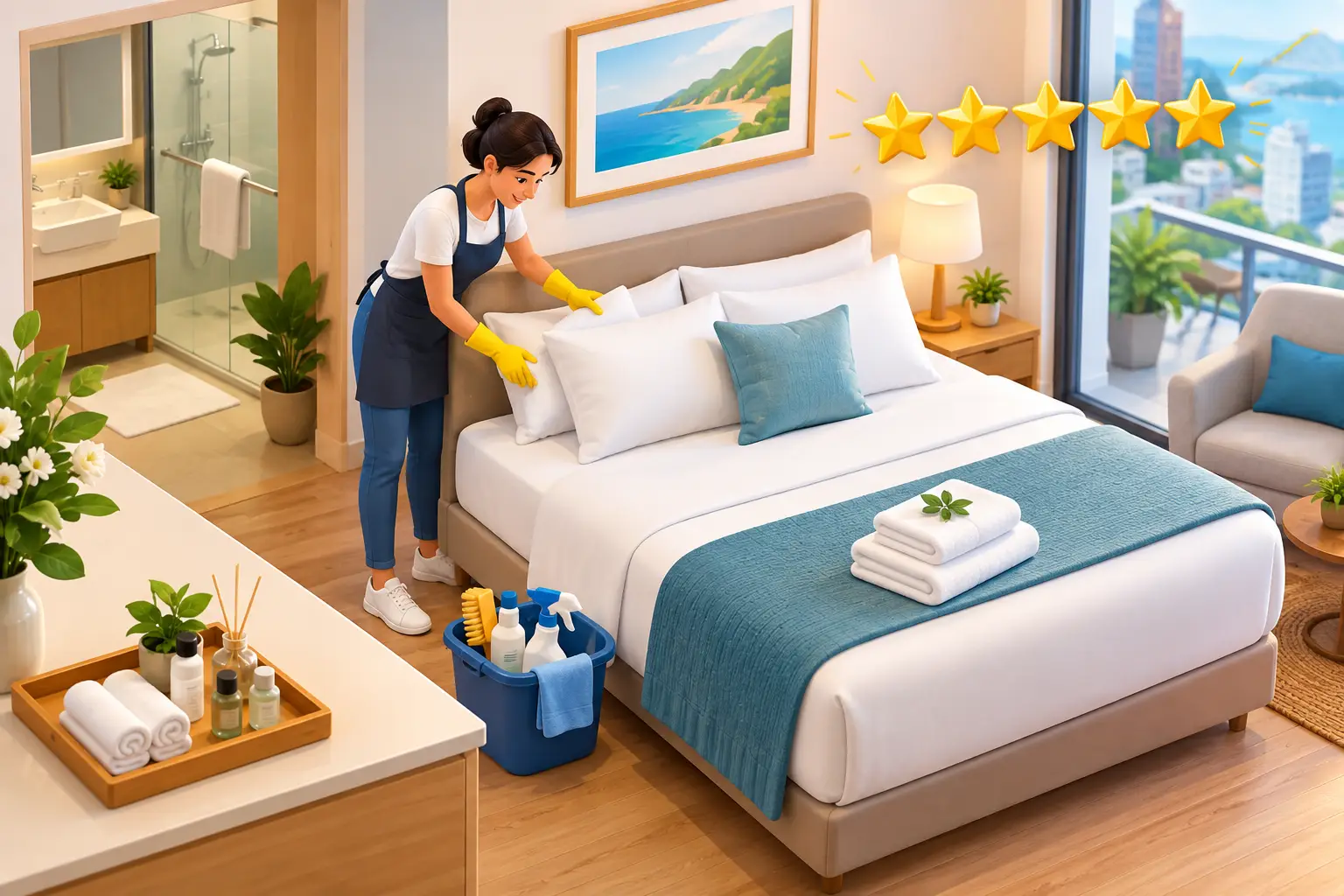
A cleaner arrives at your door, ready to start, and you realise you never asked the basic question: do cleaners bring equipment? In most cases, a professional cleaning service brings the products, tools and machines needed for the agreed job. But the exact answer depends on the type of clean, the scope of work and any site-specific requirements.
For a standard home clean, you should not need to stock a cupboard with sprays, cloths and a vacuum before your booking. For an end-of-lease clean, medical clinic or large office, equipment planning becomes more detailed. Knowing what is included before the appointment avoids delays, protects delicate surfaces and helps your cleaner deliver the result you expect.
Do cleaners bring equipment for standard cleans?
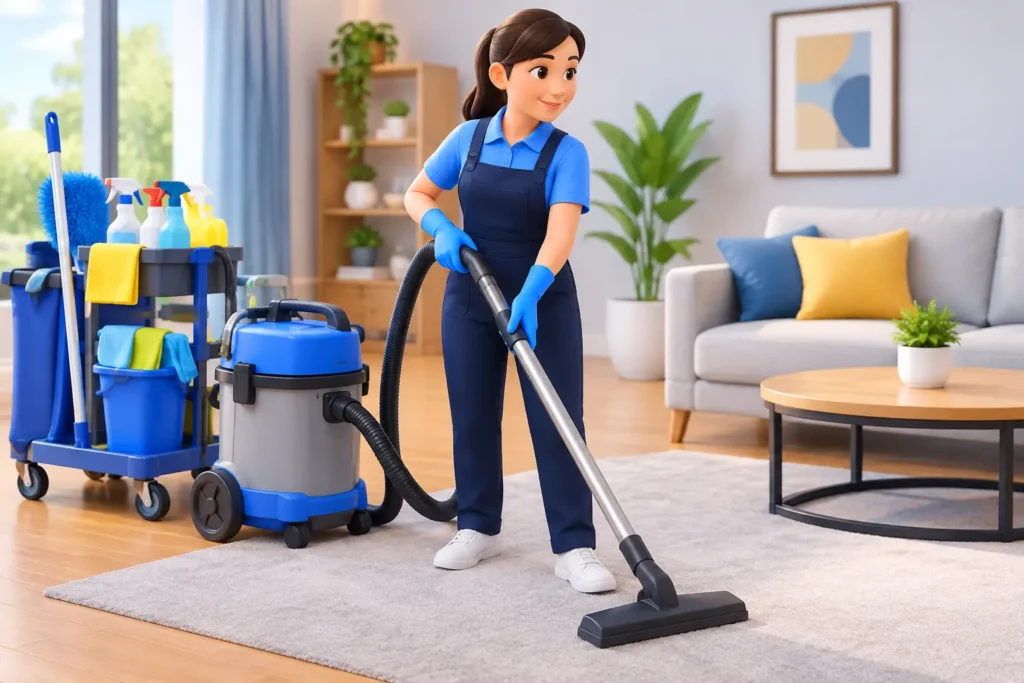
Reputable professional cleaners generally arrive with the everyday equipment required to clean kitchens, bathrooms, living spaces and work areas. This commonly includes microfibre cloths, mops, buckets, vacuum cleaners, dusters, brushes, cleaning sprays, disinfectants and bathroom products.
The benefit is more than convenience. Professional-grade equipment is selected for consistent results and is maintained for regular use. A good cleaner also knows which products suit different surfaces, such as stainless steel, glass, tiles, sealed timber and stone. Using an unsuitable product can leave streaks, dull a finish or damage a surface over time.
At Spiffi Cleaning, trained teams come prepared for the services booked, using quality equipment and eco-friendly products where appropriate. That means less organising for you and a clearer standard from the start.
Still, “equipment included” does not mean every job requires exactly the same kit. A weekly tidy-up in a small unit has very different needs from a detailed post-renovation clean or a commercial site with multiple bathrooms.
What professional cleaners usually supply
For most routine residential and office cleaning appointments, the cleaner will supply the practical essentials. That usually covers vacuuming, mopping, dusting, wiping high-touch areas, cleaning bathrooms and kitchens, and removing ordinary rubbish from internal bins.
Specialised services may involve additional equipment. Window cleaning can require squeegees, extension poles and purified water systems. Carpet cleaning may need an extraction machine. Post-construction cleaning can call for industrial vacuums, fine-dust control products, scrapers and personal protective equipment. Deep cleaning often includes detail brushes and stronger, surface-appropriate degreasers.
The key is that equipment should match the agreed service. If you have requested an oven clean, a cleaner needs the right products and tools to treat built-up grease safely. If your office has hard floors across several levels, the team may need commercial-grade vacuuming and floor-care equipment rather than a domestic vacuum alone.
When you may need to provide something
There are a few reasonable exceptions. Some clients prefer cleaners to use their own products, particularly where a household member has allergies, asthma, fragrance sensitivities or a preferred eco-conscious brand. Others have delicate finishes, such as untreated timber, natural stone or a specific polished surface, and want a manufacturer-approved product used.
If this applies to you, tell the cleaning company before the booking. A vague note left on the bench is not enough when a team needs to plan supplies and allow the right amount of time. Provide products in their original, clearly labelled containers, and let the cleaner know which rooms or surfaces they are for.
You may also need to provide access to basics already on site. Cleaners typically need working power points, running hot and cold water, adequate lighting and safe access to the property. In a large commercial space, this might also mean arranging access cards, lift permissions, a loading area or a secure storage point for equipment.
For some jobs, the service agreement may state that the client supplies consumables. This is common in ongoing commercial cleaning, where a business may want a particular brand of toilet paper, hand soap, paper towel or bin liner. These are supplies used up during the service, rather than the cleaner’s working equipment.
Equipment needs vary by cleaning service
A clear quote should spell out what is included, particularly for detailed or high-stakes work. The following situations deserve a quick conversation before your cleaner arrives.
End-of-lease and move-out cleaning
End-of-lease cleaning is designed around property presentation and lease requirements. Professional cleaners normally bring the tools for bathrooms, kitchens, floors, internal glass and detailed dust removal. However, carpet steam cleaning, exterior windows, wall washing and blind cleaning may be separate services, depending on the property and condition.
If an agent has given you a checklist, share it early. It helps the cleaning team identify whether extra equipment, more time or specialised treatment is needed. It also reduces the risk of assuming an item is included when it is not.
Deep cleaning and post-renovation work
Deep cleaning goes beyond a regular maintenance clean. The team may need scale removers, degreasers, grout brushes, detail tools and more time per room. Post-renovation cleaning adds another layer, as fine building dust travels into tracks, skirting boards, vents and fittings.
For safety, cleaners should know about fresh paint, uncured grout, exposed wiring, sharp offcuts or unstable fixtures before they begin. Construction debris and hazardous materials are not routine household rubbish, and they should not be handled without prior agreement and appropriate controls.
Offices, clinics and shared workplaces
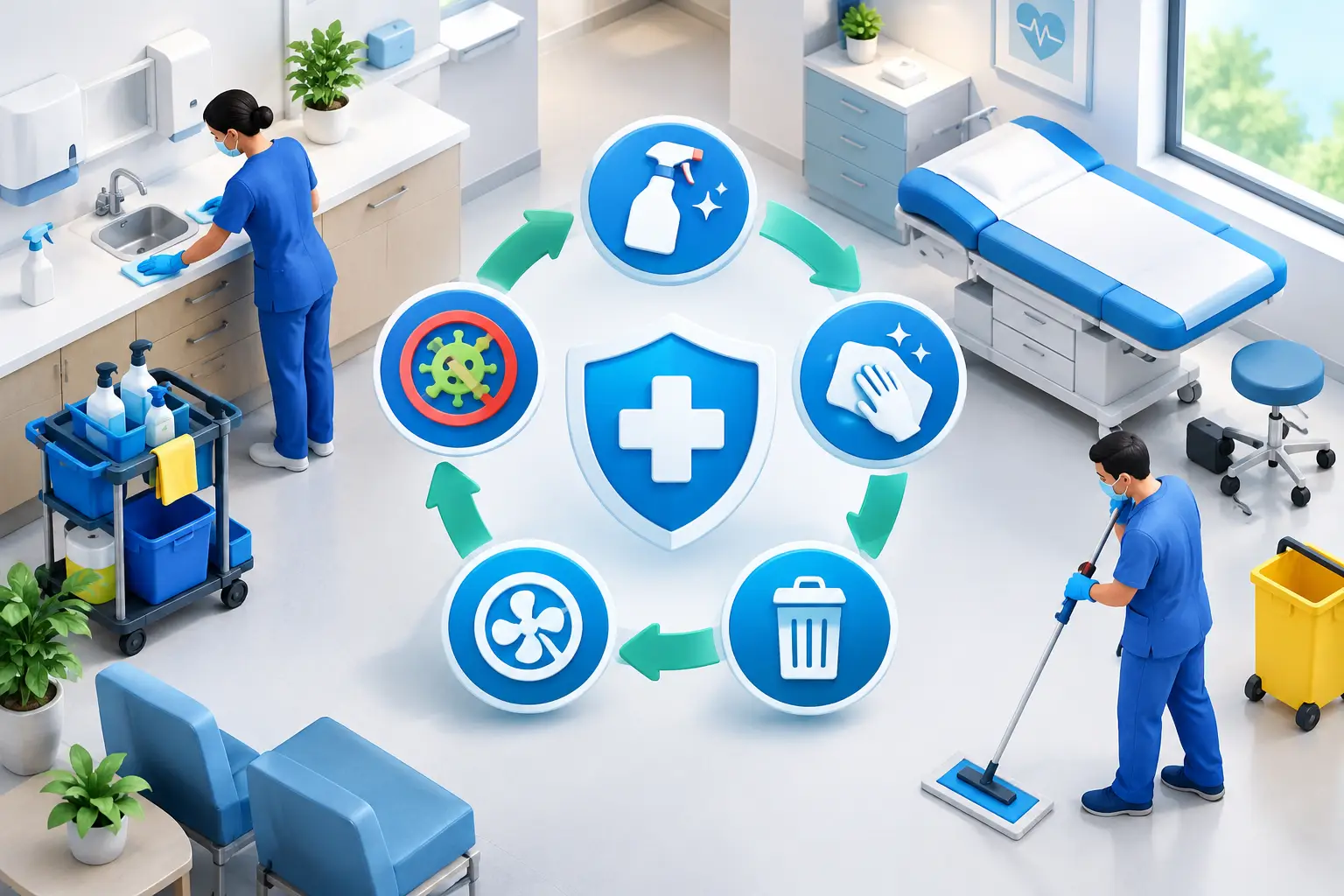
Commercial cleaning equipment must suit the environment and the schedule. An office may need quiet vacuuming after hours, while a clinic may require approved hygiene processes, colour-coded cloths and careful disinfection of high-touch surfaces. A warehouse, gym or hospitality venue can have completely different flooring, access and waste requirements.
For regular commercial services, consistency matters as much as the equipment itself. The team should know where supplies are stored, which areas have priority, how alarms and keys are managed, and what to do if they spot a spill, maintenance issue or low stock.
Windows, carpets and hard floors
These services are often misunderstood because they sound like part of a standard clean. Internal glass may be included, but external high windows can require specialised access equipment. Vacuuming carpet is different from steam cleaning it. Mopping a vinyl floor is different from machine scrubbing or polishing it.
Ask directly whether the quote covers the specific outcome you need. For example, if you need pet odour treatment in carpet or hard-water stain removal from shower glass, mention it when booking. The cleaner can then confirm whether a specialist machine or treatment is appropriate.
How to prepare without doing the cleaner’s job
You do not need to clean before a professional cleaner arrives. That defeats the purpose. A little preparation, though, lets the team spend their time on cleaning rather than searching for access, moving piles of belongings or waiting for instructions.
Before the appointment, secure pets if they are anxious around strangers, clear valuable or fragile items from surfaces you want cleaned, and make sure the cleaner can enter the property. Put away confidential paperwork in offices and remove personal items from bathrooms if you would rather they not be handled.
If there are problem areas, point them out. A note such as “please focus on the shower screen” or “coffee stains near the reception desk” is useful. Be equally clear about areas that are off limits. Practical instructions create better results than assuming a cleaner can read the space exactly as you do.
Questions worth asking before you book
A professional company should be comfortable answering direct questions. Confirm whether equipment and products are included, whether there are extra charges for specialised work, and whether the team can use products you supply. It is also sensible to ask how equipment is cleaned between jobs, especially for health-sensitive settings.
For commercial clients, ask about site induction, insurance, staff screening, key or alarm procedures and quality checks. For households, ask whether the cleaner is trained, police-checked and covered by a satisfaction guarantee. Equipment matters, but the people using it and the systems behind the service matter just as much.
The best cleaning appointment starts with a simple, specific brief. Tell your provider what you need cleaned, what condition it is in, and any access or surface concerns. With the right equipment on hand and clear expectations in place, your cleaner can focus on the part that matters: leaving your home or workplace clean, safe and ready for the day ahead.