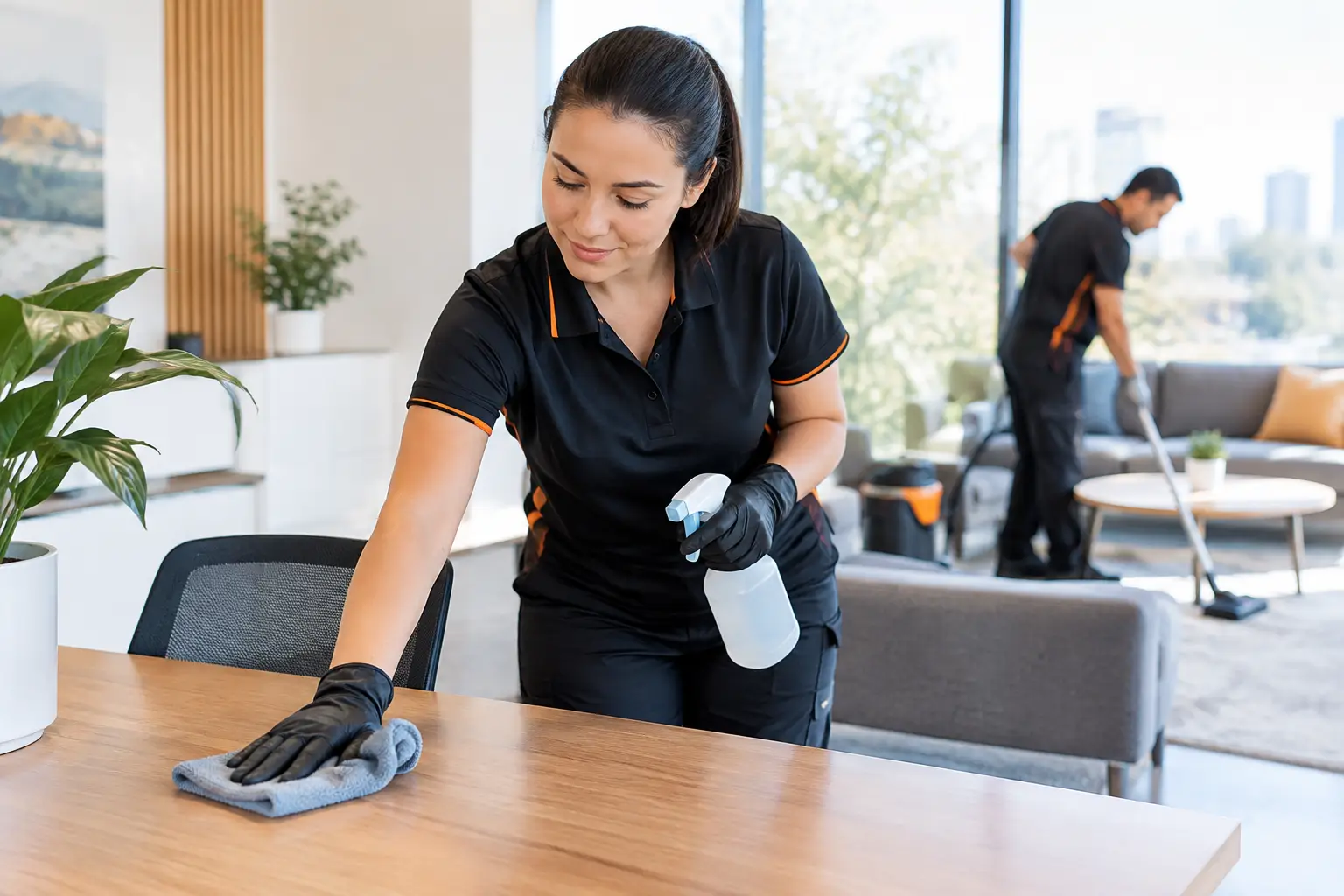
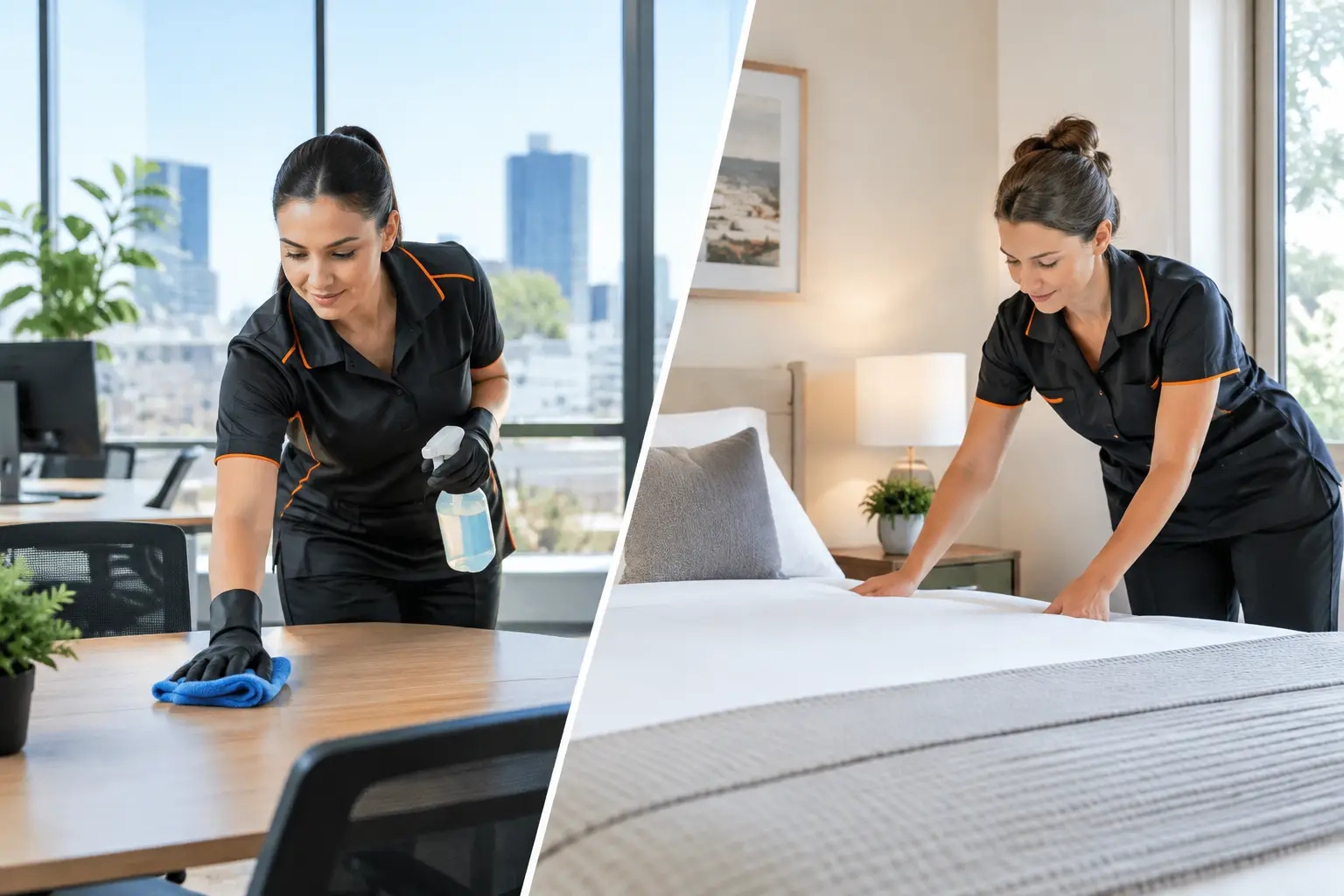
The removalists have taken the sofa, the cupboards are empty, and the keys are nearly ready to return. Then the small details become obvious: grease around the rangehood, marks behind doors, dust along skirting boards and a shower screen that looked cleaner before the last few busy weeks. Tenant handover cleaning is the final reset that helps a rental property look properly cared for when it is time for the final inspection.
For tenants, this clean is about more than a quick tidy. It is an opportunity to meet the reasonable standard set out in the condition report, avoid last-minute disputes and leave the property with confidence. For property managers and landlords, it helps prepare the home for an efficient inspection and the next tenancy.
What tenant handover cleaning should achieve
A handover clean should return the property to a clean, presentable condition that reflects how it was provided at the start of the tenancy, allowing for fair wear and tear. It is not simply a general house clean. The focus is on the detailed areas an inspection is likely to reveal, including fixtures, appliances, wet areas and surfaces that are normally hidden by everyday furniture.
The entry condition report is the best starting point. Read it before cleaning and compare the property room by room. If there were existing chips, stains or worn finishes when you moved in, cleaning will not change them, nor should you try to disguise damage with an unsuitable product. Clear photographs taken at the beginning and end of the tenancy can also be valuable if questions arise later.
A professional clean can support a smooth bond process, but it cannot guarantee a full bond refund. That decision may also depend on rent, repairs, gardening obligations, damage and the condition report. The practical aim is to remove cleaning as a reason for delay or further negotiation.
The areas most often missed at final inspection
Most end-of-lease cleaning issues are not caused by a visibly messy home. They come from overlooked areas that have collected dust, grease, soap residue or grime slowly over time.
Kitchen details make a big difference
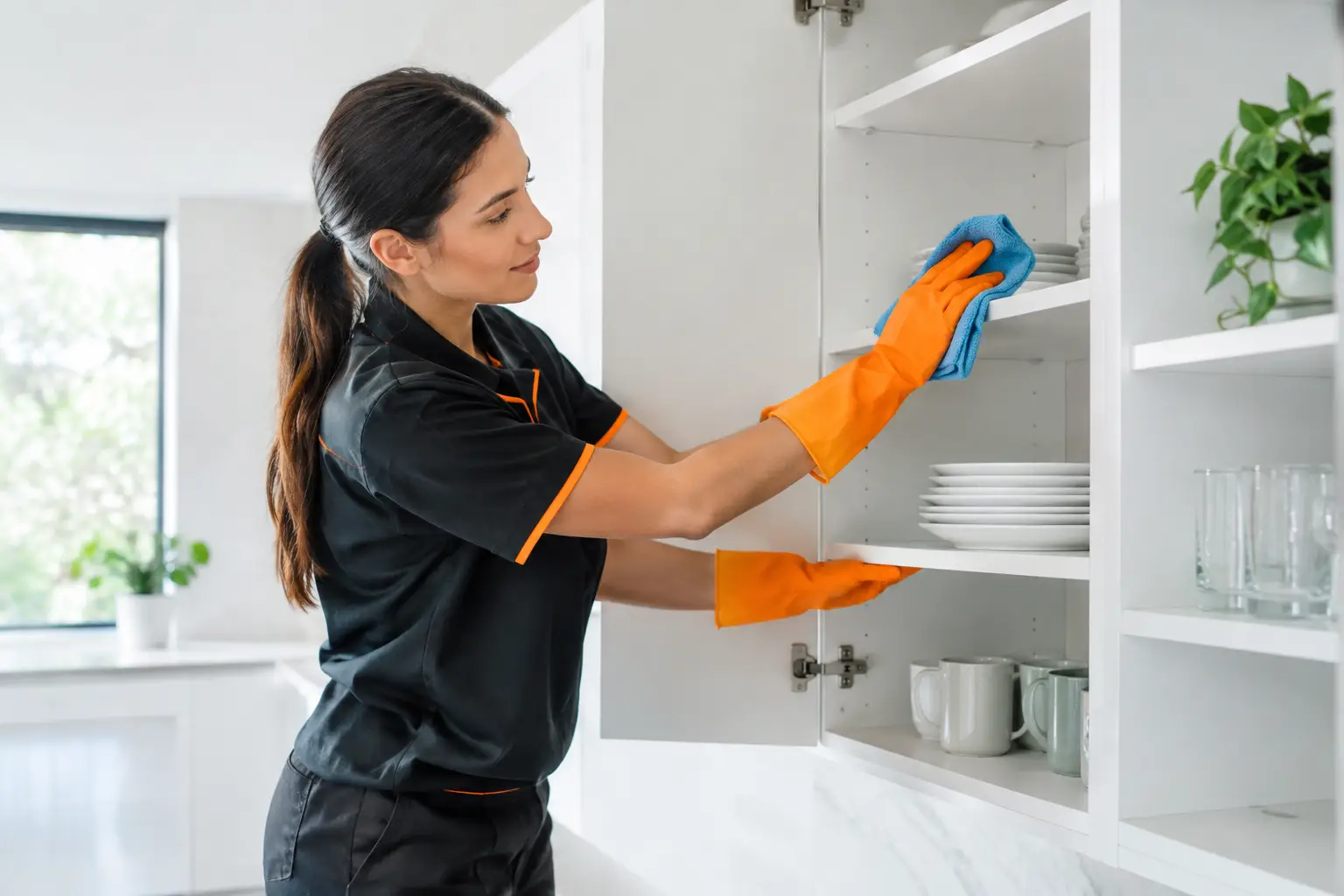
Kitchens need close attention because they combine food preparation, grease and high-touch surfaces. Benchtops, splashbacks, cupboard doors and handles should be wiped clean, but the inspection often goes further. Clean inside empty cupboards and drawers, including crumbs in corners and around runners. Remove rubbish, wipe the pantry shelves and check behind and beneath movable appliances where accessible.
The oven is frequently a deciding factor. Built-up grease on trays, racks, the door glass and interior surfaces can be difficult to remove without the right products and enough time. Rangehood filters, cooktops and the space around burner controls also need attention. Always use products suitable for the appliance finish, particularly on stainless steel and glass, as harsh abrasives can leave permanent scratches.
Bathrooms need more than a surface wipe
A bathroom can appear clean while still showing soap scum, mould or mineral build-up. Shower screens, tiles, taps, drains, vanity cupboards, mirrors and toilet bases all deserve a close check. Pay particular attention to grout lines and silicone edges, where moisture can lead to mould.
Not every mark can be cleaned away. Discoloured grout, deteriorated sealant and age-related wear may require maintenance rather than cleaning. If mould is extensive, recurring or linked to a ventilation issue, report it to the property manager rather than attempting to cover it up. Good cleaning removes surface residue, but it does not repair a building issue.
Walls, doors and high-touch points
Fingerprints, scuff marks and dust build-up often become clear only after furniture has been removed. Wipe light switches, power points, door handles, door frames, skirting boards and window sills. Spot-clean walls carefully using a mild method first. Over-scrubbing painted walls can remove paint or leave an obvious patch, creating a bigger issue than the original mark.
Ceiling fans, air-conditioning vents and light fittings may also be listed on the condition report or noticed during inspection. Turn power off where appropriate and avoid attempting work that is unsafe or outside normal cleaning. A professional cleaner can deal with accessible fittings, but electrical repairs and high-access work require the right trade or equipment.
Floors and windows finish the presentation
Vacuuming is only the first step for many floor types. Hard floors should be cleaned with a product appropriate to timber, vinyl, laminate or tiles. Excess water on timber-look flooring can cause damage, while an unsuitable chemical can leave streaks or dull the finish.
Windows can lift the overall presentation of a vacant property, especially where dust, fingerprints or rain marks are visible. Internal glass, window tracks and flyscreens are commonly included in handover cleaning. External windows, upper-level glass and difficult-access areas may need separate arrangements, depending on safety, building access and the tenancy agreement.
A practical tenant handover cleaning plan
Cleaning a whole property feels less overwhelming when it is planned around the handover date. Start early where possible. Leave the heaviest work, such as the oven and shower, for a time when you can allow cleaning products to dwell safely before wiping them away.
Aim to complete decluttering and rubbish removal before the main clean. Clean from top to bottom in each room so dust does not settle on work already completed. Start with fans, vents and upper surfaces, move to cupboards and fixtures, then finish with floors. Once the property is empty, do a final walk-through in daylight with the condition report in hand.
This final check should cover:
- every cupboard, drawer and wardrobe, including shelves and runners
- oven, cooktop, rangehood, dishwasher and accessible appliance spaces
- showers, baths, toilets, basins, mirrors and exhaust vents
- walls, doors, skirting boards, switches and window tracks
- balconies, patios, garages, bins and any outdoor areas listed in the agreement
Take final photos after cleaning, particularly of the kitchen, bathrooms, floors and any areas that were noted at the start of the tenancy. Keep copies of cleaning invoices and receipts where relevant. These records create a clear trail if the property manager asks for clarification after the inspection.
When a professional clean is the sensible choice
Some tenants prefer to manage the work themselves, particularly in a small property that has been maintained consistently. This can save money, but it requires time, suitable equipment and a careful eye for inspection-level detail. It is also worth considering whether you will be cleaning after a physically demanding move, often on a strict key-return deadline.
A professional service is useful when the property is larger, the clean has been left until the last few days, or problem areas need specialist attention. Ovens, built-up bathroom residue, internal windows and detailed vacuuming can take far longer than expected. Trained cleaners also bring commercial-grade equipment and products selected for different surfaces, reducing the risk of a rushed clean causing damage.
For Adelaide tenants managing a move, Spiffi Cleaning can provide detail-focused handover cleaning with transparent communication, vetted staff and a satisfaction guarantee that includes a free re-clean if an agreed cleaning item is missed. The right service should clearly explain what is included, ask about the property’s condition and work around your key-return timing.
A cleaner exit starts before moving day
The strongest handover clean is rarely a one-day rescue job. Wiping spills promptly, ventilating bathrooms, cleaning the oven occasionally and keeping the entry condition report accessible all reduce the work waiting at the end of a lease. When moving day arrives, a methodical final clean gives you one less thing to chase and lets you return the keys knowing the property has been given proper care.