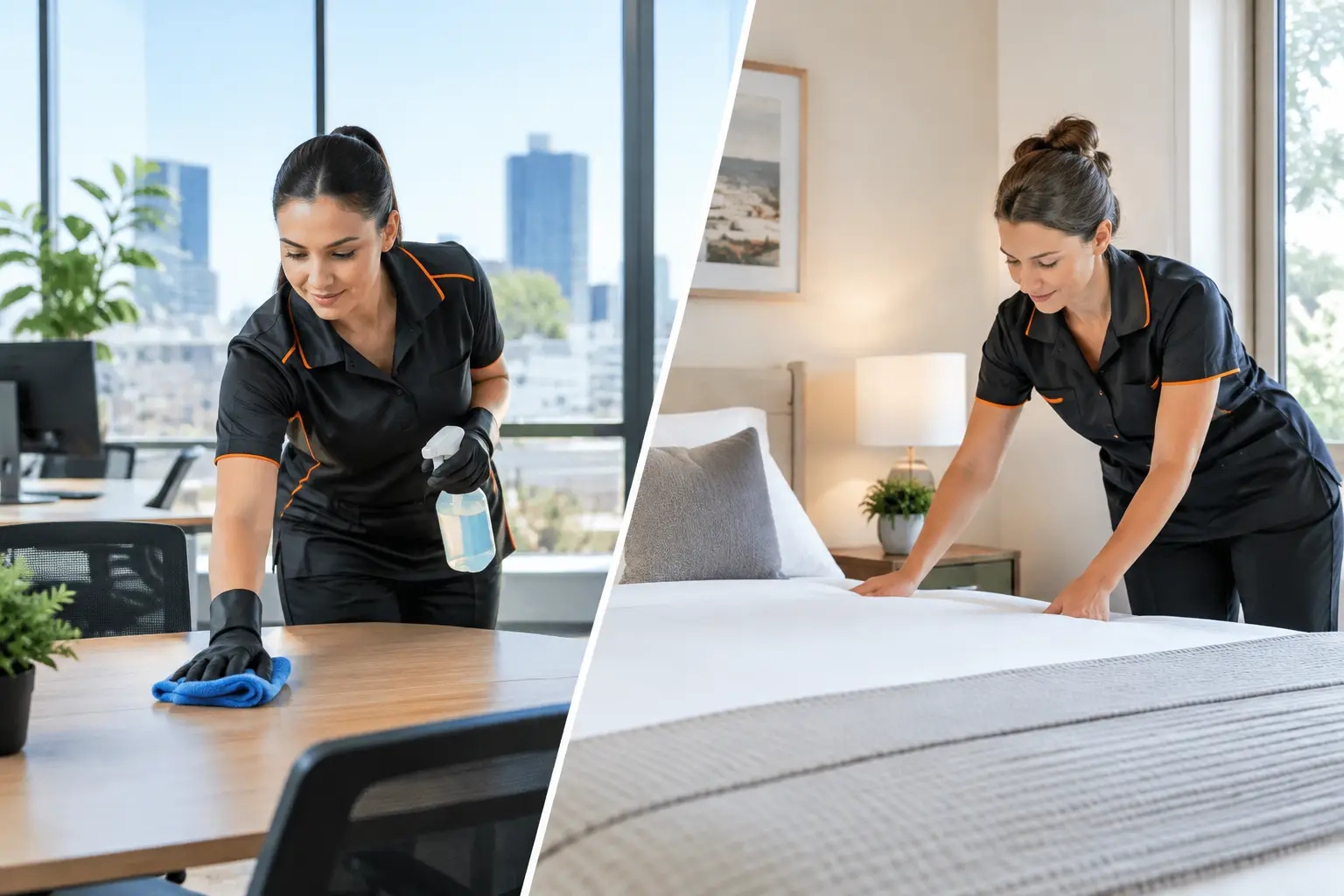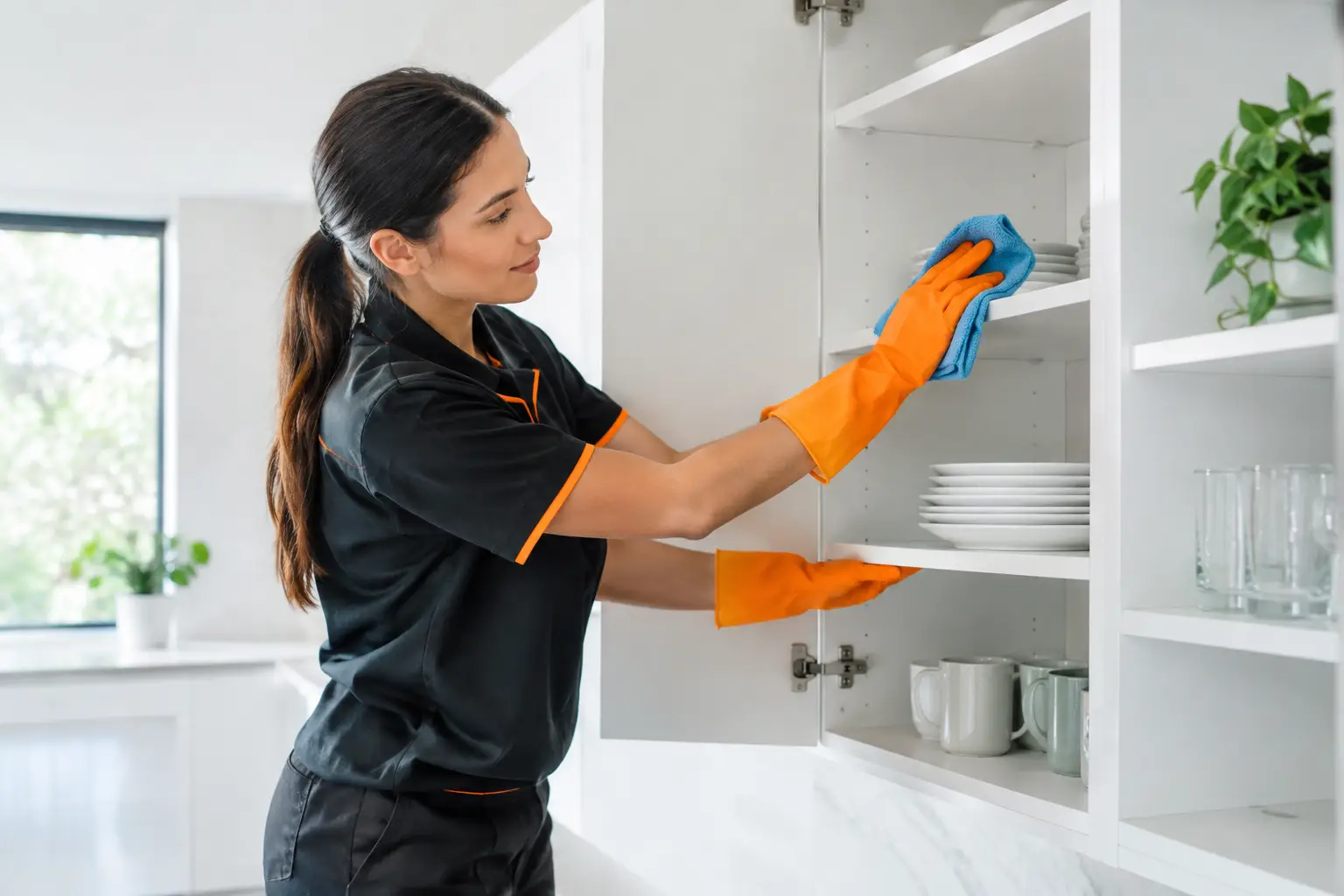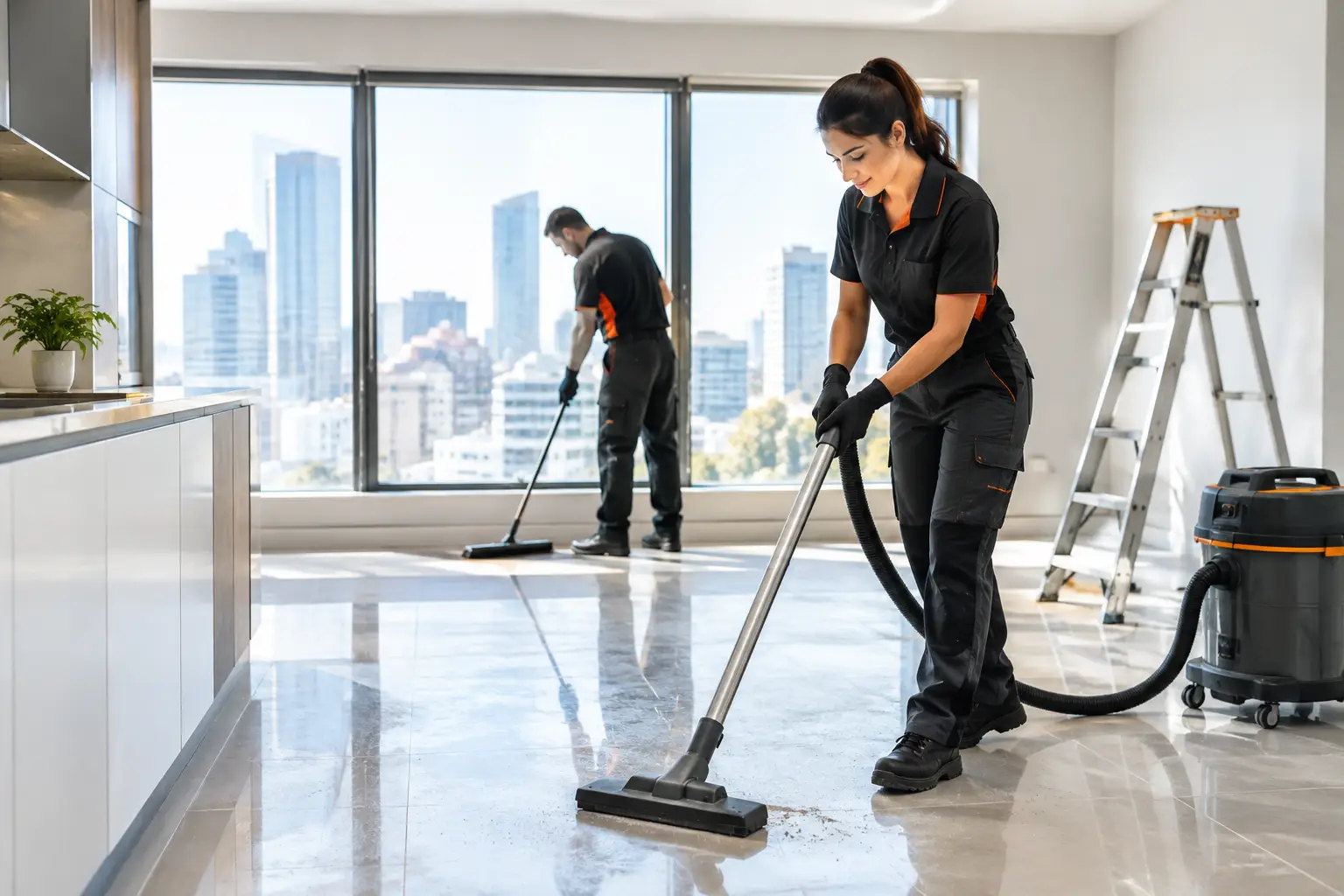
A missed clean before a client visit, an overflowing bin on Monday morning, or a bathroom that falls below hygiene expectations can quickly become more than an inconvenience. Cleaning contracts give businesses a clear, dependable framework for keeping their premises presentable, hygienic and ready for work – without repeatedly chasing schedules, standards or invoices.
For office managers, property managers and facility operators, the right agreement turns cleaning from a recurring task into a managed service. The value is not simply having someone attend the site. It is knowing what will be done, when it will happen, who is responsible and what occurs if the result does not meet expectations.
What a cleaning contract should achieve
A cleaning contract is an agreement between a client and a cleaning provider that sets out the services, frequency, responsibilities, pricing and service standards for ongoing cleaning. It can apply to a small office requiring weekly support, a medical clinic with strict hygiene needs, or a multi-site operation requiring coordinated cleaning across several locations.
The best contracts make day-to-day operations easier. They remove ambiguity around areas such as kitchen cleaning, restroom consumables, rubbish removal, window cleaning and periodic deep cleans. They also give both parties a reliable point of reference when site needs change or an issue needs attention.
A contract should not be a generic checklist copied from another building. A busy Adelaide office, an Airbnb property and a healthcare setting all have different risks, traffic patterns and presentation requirements. The scope needs to reflect how the space is actually used.
The key details to include in cleaning contracts
The most useful agreements are specific enough to protect standards, but flexible enough to accommodate normal business changes. Before signing, check that the contract clearly covers the following areas.
Scope of work and site areas
Start with a practical breakdown of every area that needs cleaning. This may include workstations, meeting rooms, staff kitchens, bathrooms, entryways, lifts, stairwells, storage areas and external glass. It should state what tasks are included in each area rather than relying on vague wording such as “general cleaning”.
For example, a restroom scope might specify cleaning and sanitising toilets, basins, taps, mirrors, floors and high-touch points, as well as restocking agreed consumables. A kitchen scope may cover benches, sinks, appliance exteriors, tables, floors and rubbish removal. That level of detail prevents assumptions on both sides.
Be equally clear about exclusions. Carpet steam cleaning, high windows, upholstery cleaning, pest control and post-construction cleaning may require separate quoting or scheduled add-on services. There is nothing wrong with exclusions when they are transparent from the outset.
Frequency, timing and access
Cleaning frequency should be based on foot traffic, operating hours and the level of hygiene required. A small professional office may only need a weekly clean, while a gym, clinic, hospitality venue or shared workspace may need daily attention.
The contract should set out whether cleaning occurs during business hours, after hours or before opening. It should also explain access arrangements, including keys, alarm codes, building passes and procedures for securing the premises afterwards. For sites with sensitive records, medication, cash handling areas or valuable equipment, access controls are especially important.
Consider whether the schedule allows room for additional support at predictable busy periods. End-of-financial-year activity, seasonal trading, tenant changeovers and events can all create a temporary need for extra cleaning. Agreeing on the process for booking these services makes it easier to respond quickly.
Standards, products and equipment
A contract should explain the expected result, not just the task list. This is particularly important in client-facing premises and regulated environments. Floors should be free of visible debris, touchpoints should be disinfected where required, bins should be emptied, and washrooms should be clean, odour-free and properly stocked according to the agreed service level.
Ask which products and equipment will be used. Eco-friendly products can be a strong choice for many workplaces, but they still need to be suitable for the surfaces and cleaning requirements at the site. Medical and clinic cleaning may require particular disinfectants, procedures and documentation. Stone surfaces, timber floors and specialist equipment may also need specific methods to avoid damage.
A professional provider should supply trained cleaners and commercial-grade equipment appropriate to the job. Where staff are working after hours or have access to private premises, police checks, insurance and clear supervision arrangements provide added peace of mind.
Quality checks and issue resolution
Even with a detailed scope, quality needs to be monitored. The agreement should establish how concerns are reported, who the day-to-day contact is and how quickly the provider will respond. A simple process matters: the client identifies the issue, the provider investigates it and a re-clean or corrective action is organised where needed.
For larger or higher-risk sites, scheduled inspections and documented quality checks can be worthwhile. They help identify small issues before they become recurring frustrations, such as missed touchpoints, inconsistent restroom presentation or supplies running low.
A satisfaction guarantee is useful only when the process behind it is clear. Check whether a provider offers a free re-clean for work that does not meet the agreed standard, and how soon it can be completed. Fast, accountable follow-up is often the difference between a service that looks good on paper and one that supports your operations properly.
Pricing, variations and contract terms
Transparent pricing helps avoid surprise charges. Your agreement should state the regular service cost, GST treatment, invoice frequency and payment terms. If pricing is based on site size, hours, visits or a fixed monthly fee, make sure the method is clear.
It should also explain how variations are handled. If your business adds another floor, extends operating hours or asks for a one-off deep clean, there needs to be a straightforward approval process before extra work begins. This protects your budget while allowing the cleaning plan to grow with your needs.
Pay attention to the contract length, notice period and renewal terms. A longer term can offer price certainty and continuity, but it should not leave you trapped in an arrangement that is no longer right for the site. A reasonable notice period gives both parties time to plan an orderly transition if circumstances change.
Choosing the right contract for your premises
The cheapest quote is not always the lowest-cost option over time. If a provider rushes the work, sends unfamiliar staff each visit or leaves issues unresolved, the hidden cost can show up in staff complaints, poor first impressions, hygiene risks and time spent managing the cleaner.
Instead, assess whether the provider understands your site. A worthwhile quote considers the building layout, visitor numbers, high-use areas, access requirements and any industry-specific obligations. It should feel tailored to the premises, not generated from a standard template with a price attached.
For property managers, consistency across tenancies and common areas may be the priority. For office managers, reliable after-hours service and clean staff amenities can matter most. For medical settings, infection-control procedures, careful waste handling and documented processes may be non-negotiable. The right contract depends on the environment and the consequences of getting cleaning wrong.
When a flexible arrangement makes more sense
Not every cleaning need requires a long-term contract. A move-out clean, post-renovation service, one-off deep clean or short-term Airbnb turnaround may be better handled with a clearly quoted individual booking. This can be the sensible choice when the work is occasional or the scope is difficult to predict.
However, once cleaning becomes regular, a contract generally brings greater control. It establishes recurring attendance, familiar site knowledge and a known standard. It also means you do not have to start from scratch every time the premises need attention.
Spiffi Cleaning works with Adelaide businesses and property operators to build practical service plans around their sites, schedules and hygiene requirements. The focus should always be clear communication, trained staff and results that hold up between visits.
A cleaning contract should make your workplace easier to run, not harder to manage. Choose one that sets clear expectations, allows sensible flexibility and gives you a reliable path to action when standards need to be put right.