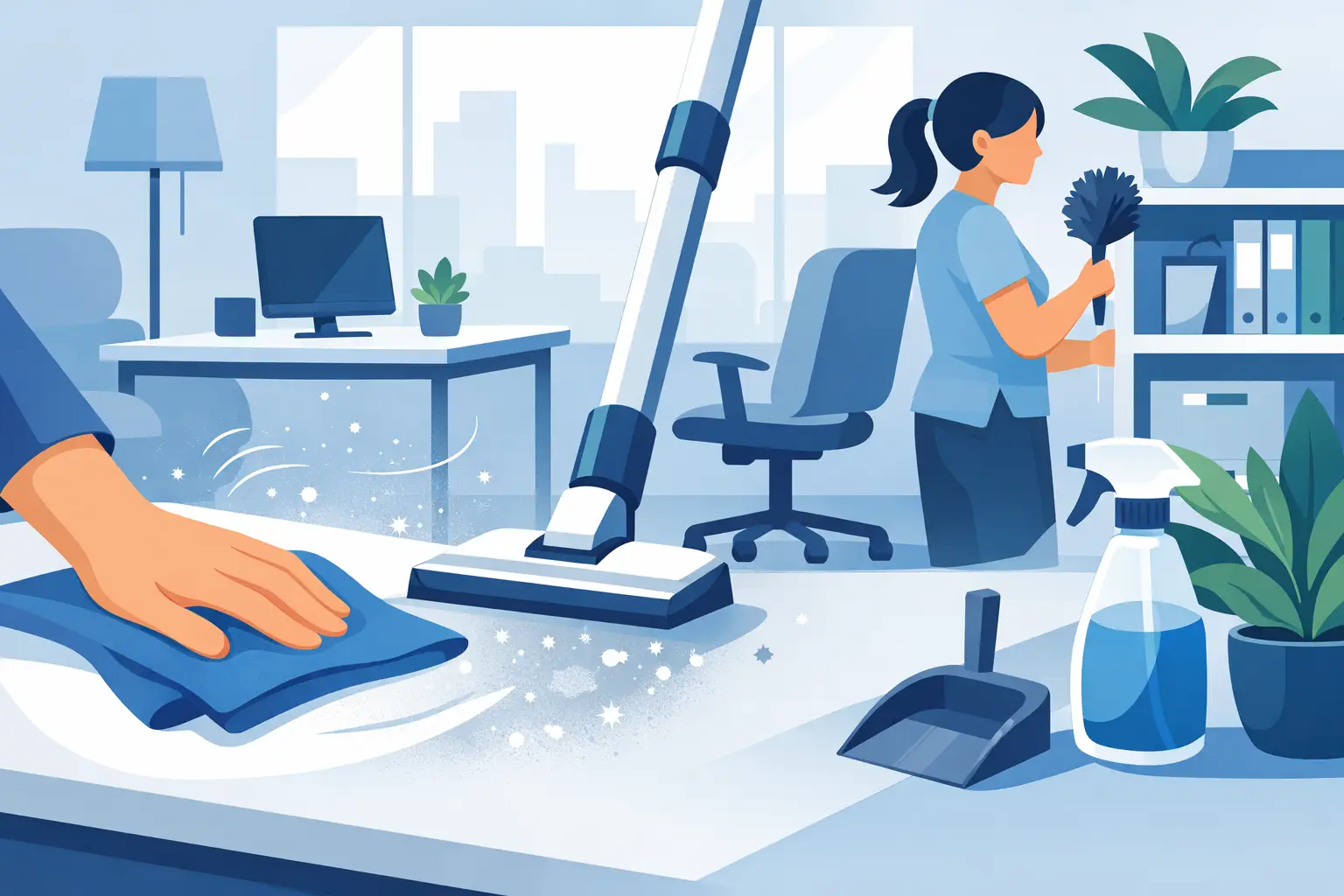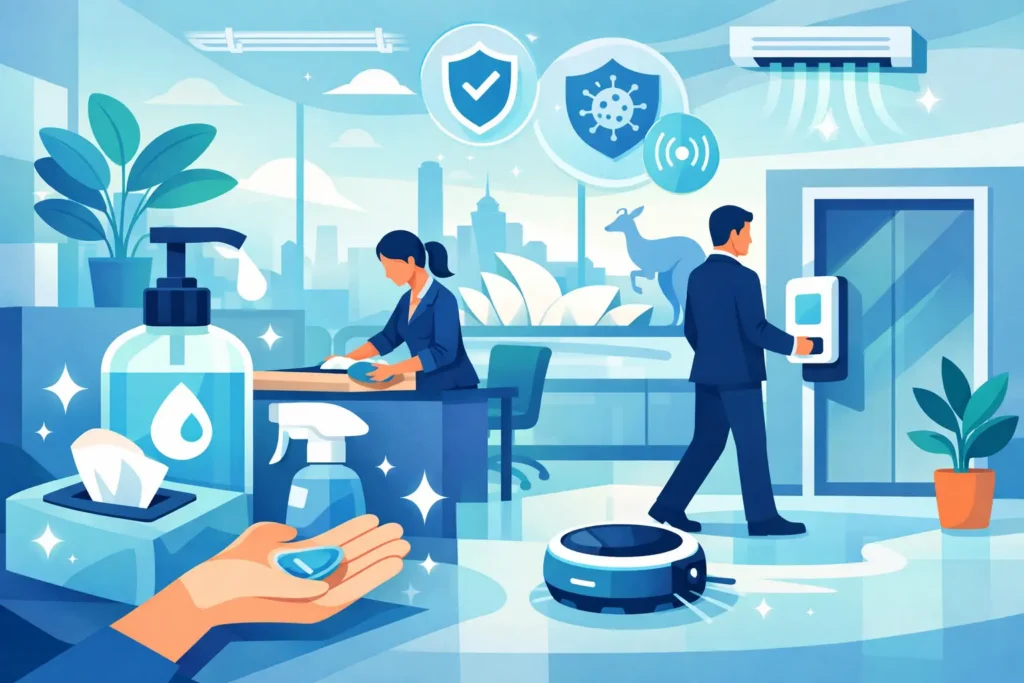
The workplace hygiene trends Australia is seeing are less about making a space smell strongly scented and more about creating visibly clean, safer environments people can trust. Employees, visitors and customers now notice the details: a dusty reception desk, fingerprints on a glass door, an empty soap dispenser or a bin that has not been emptied. These small signals shape confidence in a business.
For Adelaide workplaces, hygiene is also practical. It supports staff wellbeing, protects the presentation of the premises and helps teams focus on their work rather than chasing cleaning issues. The strongest approach is not a single deep clean once in a while. It is a clear, consistent cleaning plan built around how the workplace is actually used.
Workplace Hygiene Trends Australia Is Prioritising
Cleaning is becoming more visible
For years, much commercial cleaning happened after hours. That remains the right choice for many offices, retail sites and clinics, particularly where uninterrupted work is a priority. But businesses are increasingly adding daytime touch-up cleaning to their schedules.
A cleaner who can restock washroom supplies, remove rubbish, spot-clean entry glass and refresh high-traffic areas during the day gives staff and visitors reassurance that standards are being maintained. It is not about disrupting the workplace. It is about addressing the areas that quickly affect how clean a site feels.
The right balance depends on your operating hours, foot traffic and privacy requirements. A small office may only need an after-hours service plus a weekly daytime check. A busy medical practice, gym or hospitality venue may benefit from multiple hygiene checks across the day.
High-touch areas receive smarter attention
Desks are not always the highest-priority surfaces. Shared touchpoints often carry more use across a working day, especially in hybrid workplaces where different people rotate through the same rooms and equipment.
Door handles, lift buttons, light switches, shared kitchen appliances, reception counters, tapware, EFTPOS terminals and meeting-room controls all need considered cleaning. The trend is moving away from treating every surface exactly the same and towards concentrating effort where it makes the greatest difference.
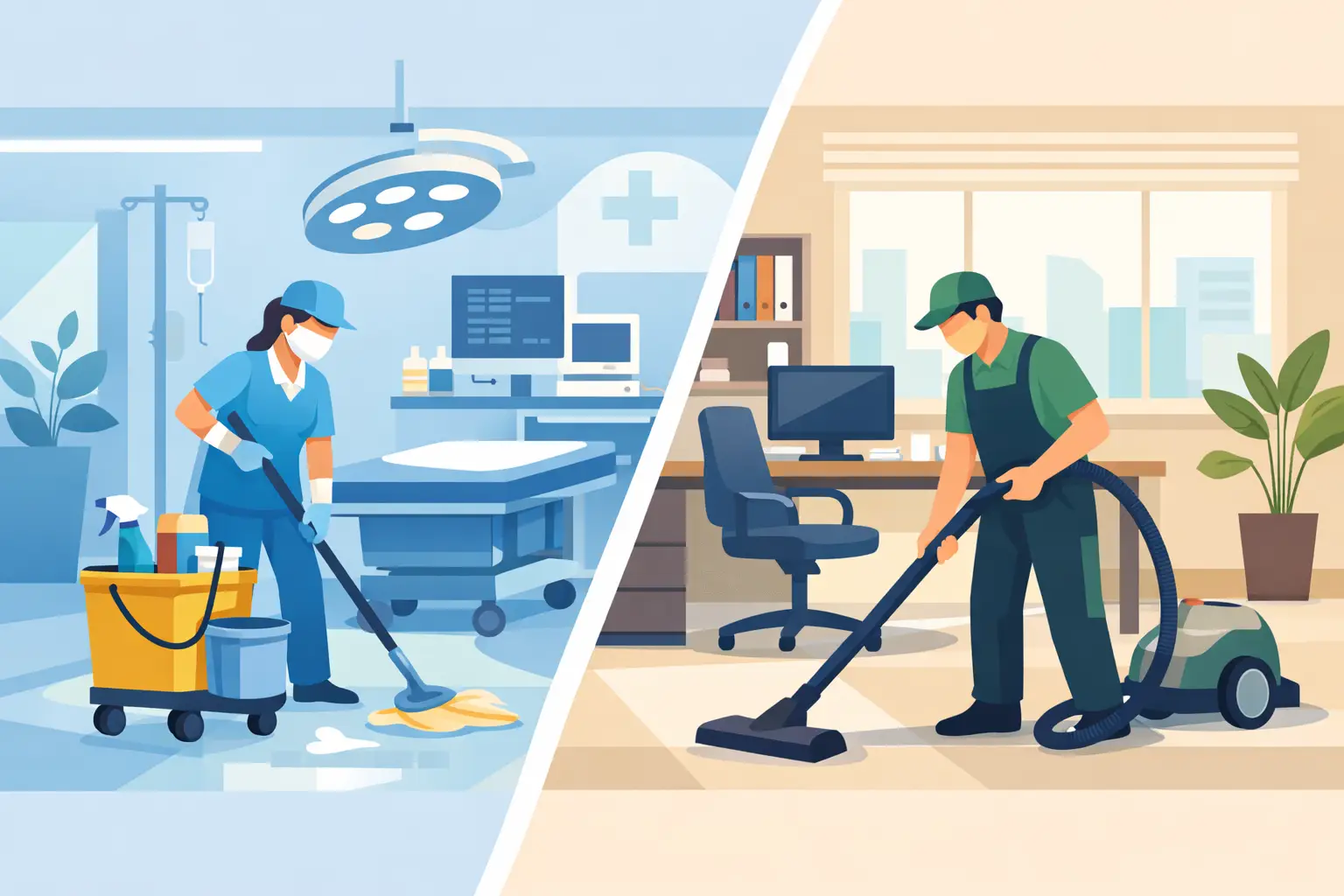
This does not mean every surface requires disinfecting at every visit. Cleaning removes dirt, grime and many contaminants. Disinfecting is a separate step and should be used where the setting, risk level or operating procedures call for it. In a clinic, aged care setting or high-traffic customer area, the approach will differ from a low-occupancy professional office. A good cleaning scope reflects those differences rather than applying a generic checklist.
Washrooms are treated as a service standard
A clean washroom is one of the clearest indicators of whether a workplace is managed well. It affects staff comfort, customer impressions and the willingness of people to use shared facilities without concern.
Current expectations go beyond mopping floors and emptying bins. Facilities need reliable soap, paper towel or hand-drying options, sanitary disposal, odour control, clean mirrors and attention to taps, flush buttons and door locks. Regular checks matter because washrooms can decline quickly between scheduled cleans.
For facility managers, this is where reporting and communication make a real difference. If supplies are low, an item is damaged or a recurring issue needs maintenance rather than cleaning, it should be identified promptly. Cleaning teams and site managers work best when there is a simple way to report and resolve these issues.
Indoor air quality is part of the conversation
Workplace hygiene now extends beyond surfaces. Poor ventilation, dust buildup and stale odours can make a space feel unclean even when floors and benches have been attended to. While cleaning cannot replace proper ventilation or HVAC maintenance, it contributes to a fresher and more comfortable workplace.
Regular dusting of accessible vents, ledges, blinds and high surfaces prevents buildup from circulating through busy areas. Vacuuming with quality equipment helps manage fine dust in carpeted offices, while periodic upholstery and carpet cleaning can improve the appearance and freshness of shared spaces.
This is particularly relevant after renovations, during dusty weather or in workplaces near main roads, construction activity or warehouses. It also matters for staff who experience allergies or sensitivities. The practical answer is usually a combination of building maintenance, suitable cleaning frequencies and a realistic plan for periodic deep cleaning.
Lower-impact products are expected, but performance still matters
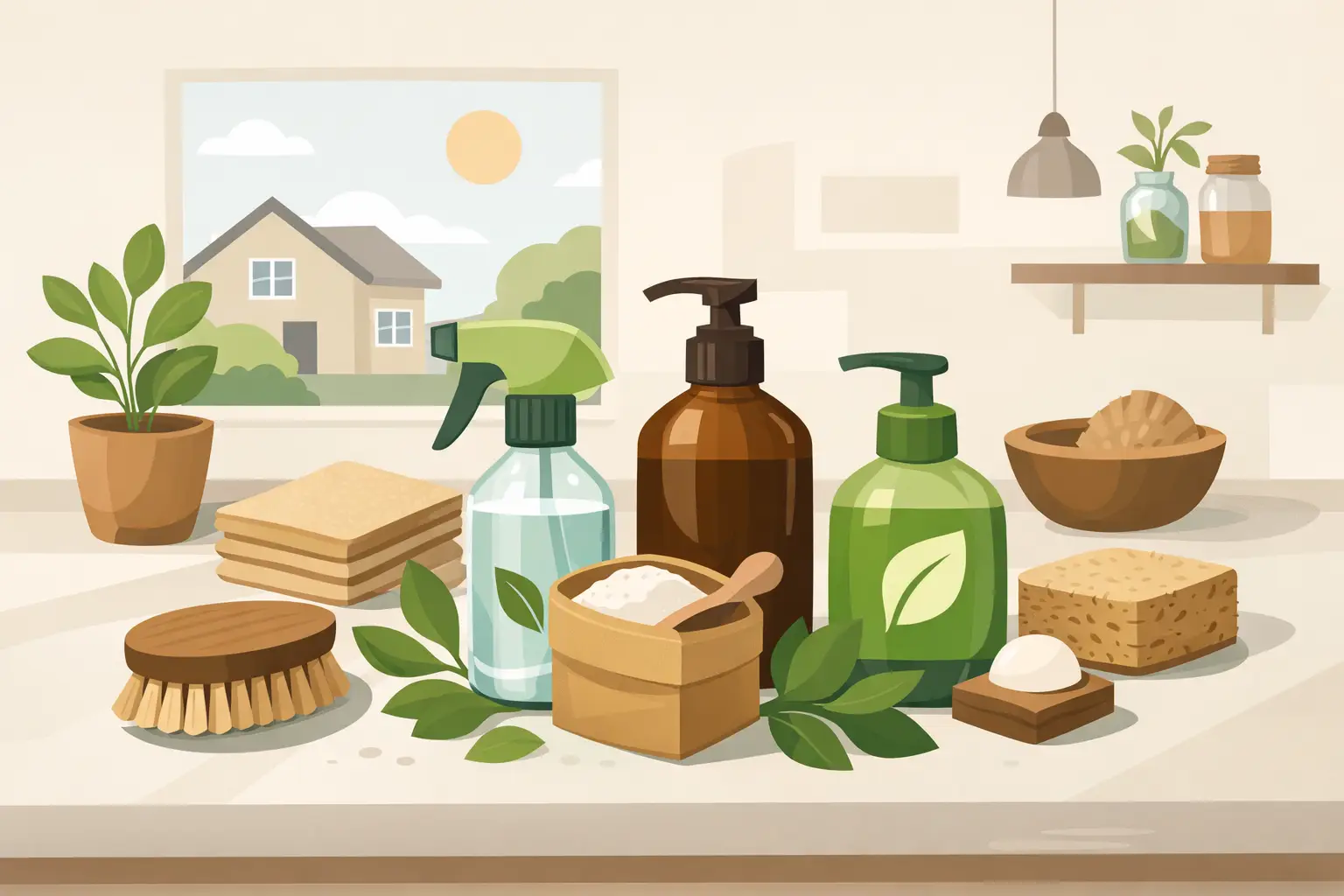
Many Australian businesses are choosing environmentally considerate cleaning products and methods. They want to reduce harsh chemical smells, minimise unnecessary product use and make better choices for staff, visitors and the environment.
That shift should not come at the expense of hygiene. The best product is one that suits the surface, works effectively and is used according to its directions. A low-impact product may be appropriate for routine office cleaning, while particular healthcare environments or contamination events may require a different approved solution.
Workplaces should also consider fragrance sensitivity. Strongly perfumed products can create discomfort for some staff and customers, particularly in enclosed offices, medical settings and education facilities. A professional cleaning provider can use products thoughtfully, rather than relying on scent to suggest cleanliness.
Hybrid work is changing cleaning schedules
Hybrid work has made many traditional cleaning schedules less efficient. Some offices are busy on Tuesday to Thursday but quiet at the start and end of the week. Meeting rooms may sit empty for days, then host back-to-back client sessions. Kitchen areas can experience sudden peaks when teams come together.
Rather than paying for the same service pattern regardless of occupancy, many workplaces are reviewing cleaning frequencies by zone. Entry areas, washrooms and kitchens may need consistent attention, while low-use offices and meeting rooms can be serviced according to actual demand.
This approach works only when expectations are documented. A clear scope should identify what is cleaned at every visit, what is completed weekly or monthly, and what requires a separate deep clean. It avoids confusion and gives managers a reliable basis for checking quality.
What a Modern Workplace Hygiene Plan Should Cover
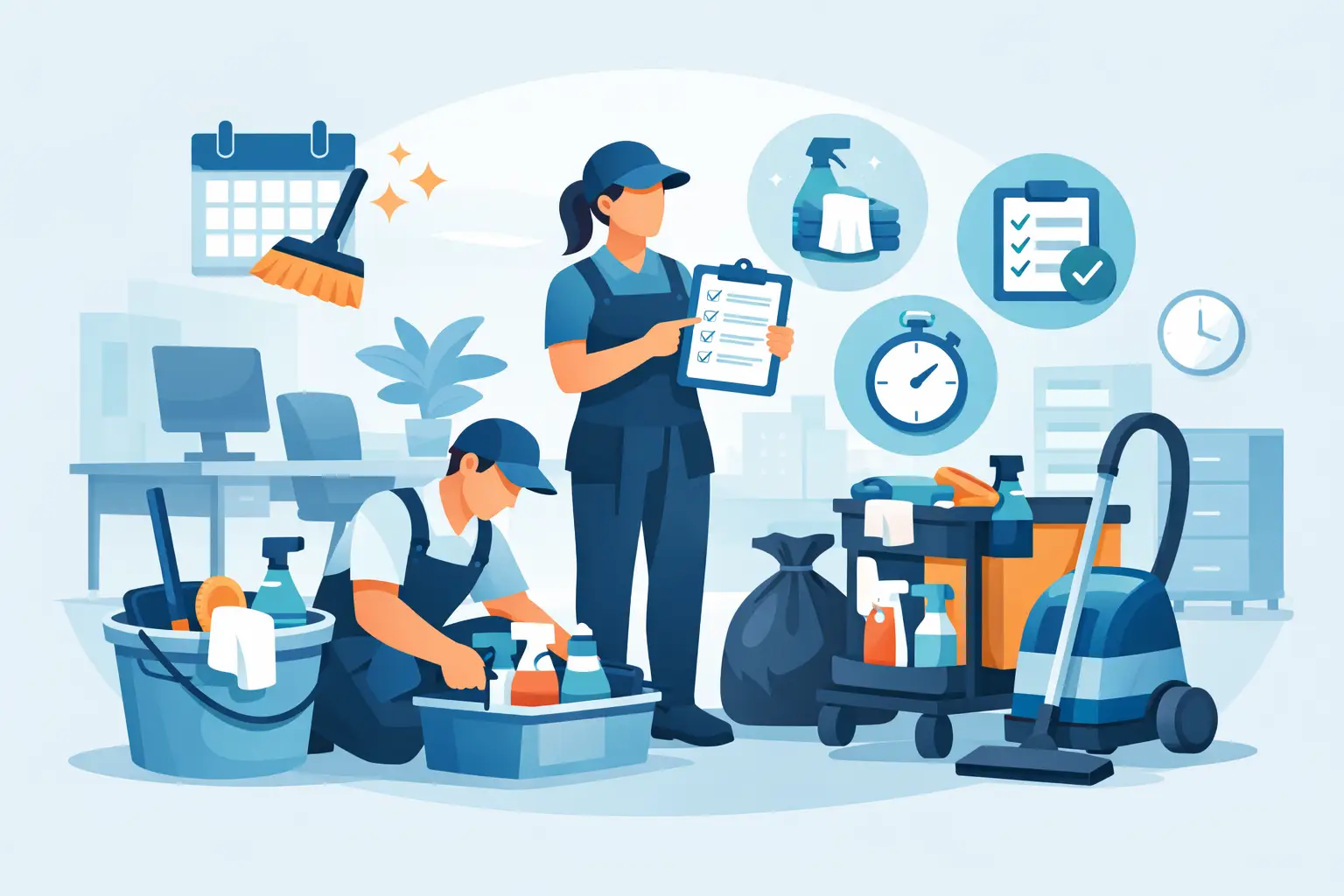
A practical plan starts with a walkthrough, not a one-size-fits-all quote. Consider who uses the site, when they use it, what areas are shared and whether the workplace has special hygiene requirements. A childcare centre, warehouse lunchroom, allied health clinic and corporate office may all need professional cleaning, but their priorities are not the same.
Most effective workplace hygiene plans account for five connected areas:
- daily presentation in entry points, work areas and shared spaces
- washroom cleaning, consumable checks and sanitary waste management
- targeted cleaning of high-touch surfaces
- kitchen and break-room hygiene, including appliances and rubbish removal
- scheduled detail work such as carpets, windows, upholstery, high dusting and floor care
The value is in the routine. When cleaners know the site, understand the agreed scope and have appropriate equipment, issues are less likely to become visible to staff or customers. It also makes it easier to adjust service when your business grows, relocates, hosts an event or experiences a temporary increase in foot traffic.
Accountability matters as much as effort
A workplace can be cleaned thoroughly one week and poorly the next if there is no consistent process. Businesses increasingly expect vetted staff, dependable scheduling, clear communication and an easy path to raise concerns. These are not extras. They are part of what makes a cleaning service dependable.
Ask potential providers how they manage site instructions, quality checks and feedback. Find out whether the team is trained for your type of premises and whether they can work around security, privacy and access requirements. For regulated or sensitive environments, experience in the relevant setting is particularly valuable.
Price still matters, but the cheapest quote can become expensive if standards slip, supplies run out or managers spend time repeatedly following up. Transparent pricing and a defined scope give you a better view of the service you are actually receiving.
Turning Trends Into Better Daily Standards
You do not need to redesign your whole cleaning program to respond to changing expectations. Start with the spaces people notice first: entrances, washrooms, kitchens and shared work areas. Then look at the points where your current schedule no longer matches how the workplace operates.
For some businesses, a revised checklist and better restocking process will be enough. For others, a more frequent service, periodic deep clean or industry-specific approach is the sensible next step. Spiffi Cleaning helps Adelaide workplaces put those practical standards in place with trained, police-checked teams and cleaning plans that suit the site.
A clean workplace should not be something staff have to think about. When hygiene is consistent, supplies are available and shared spaces are well cared for, people can simply arrive, get on with their day and feel confident in the environment around them.