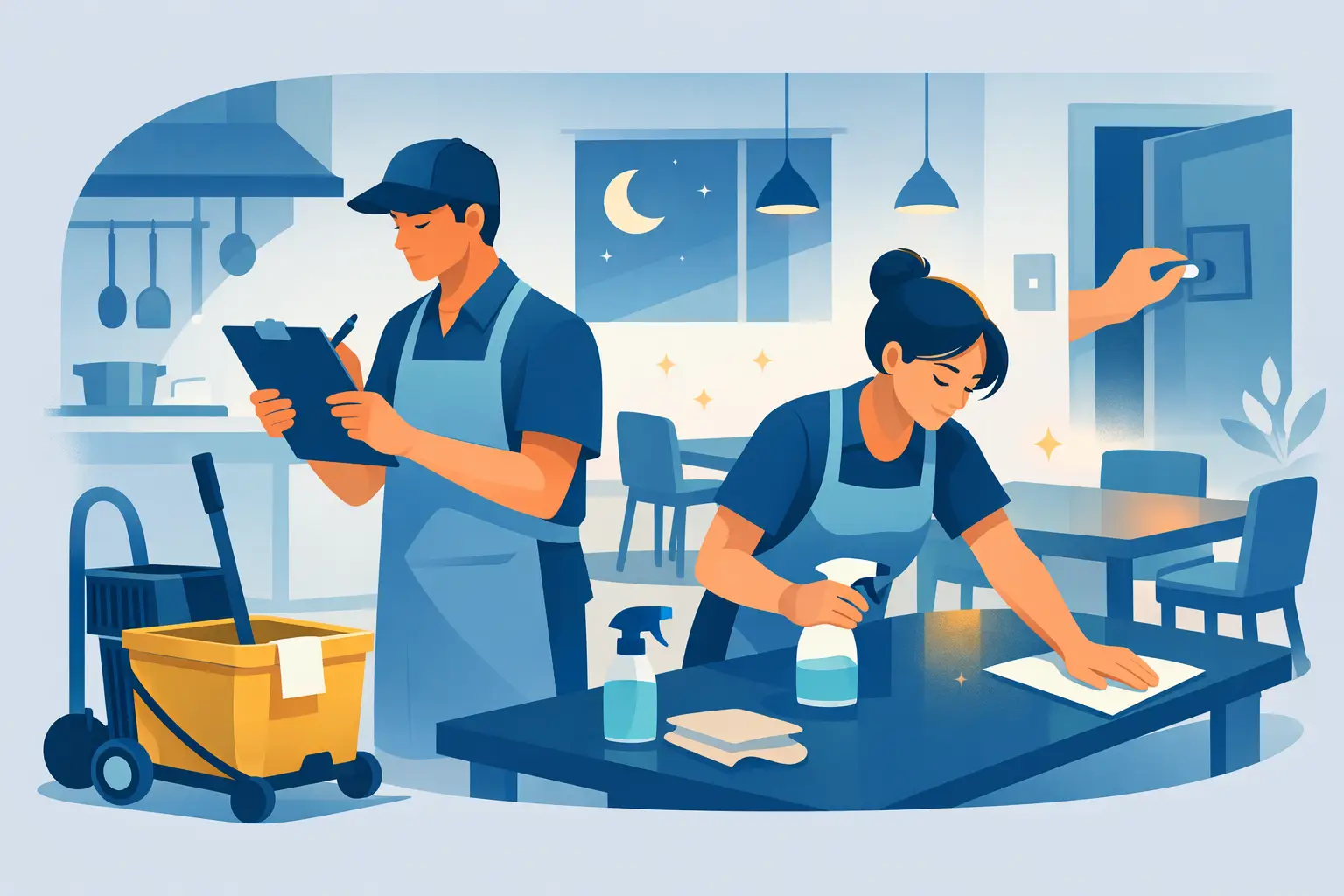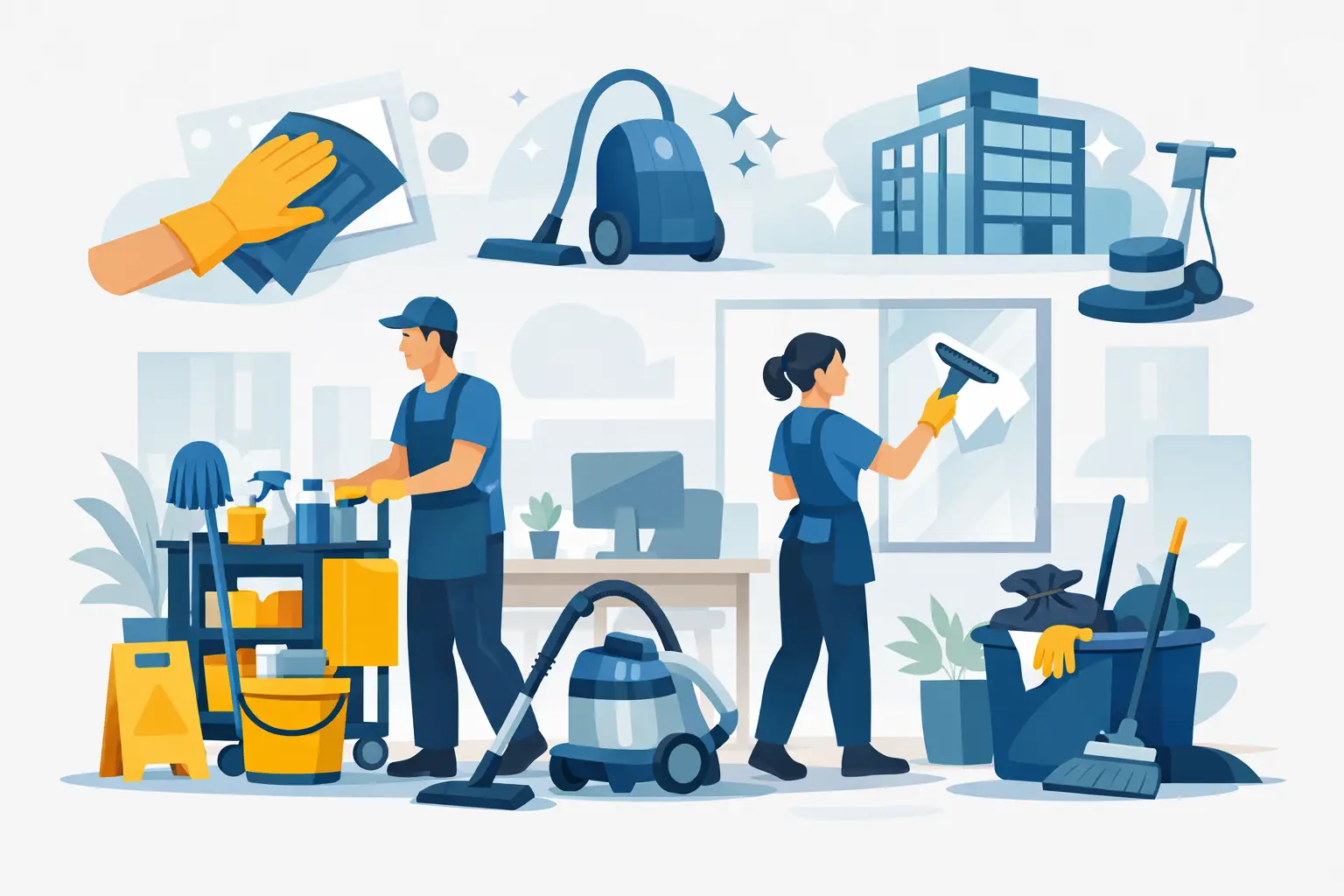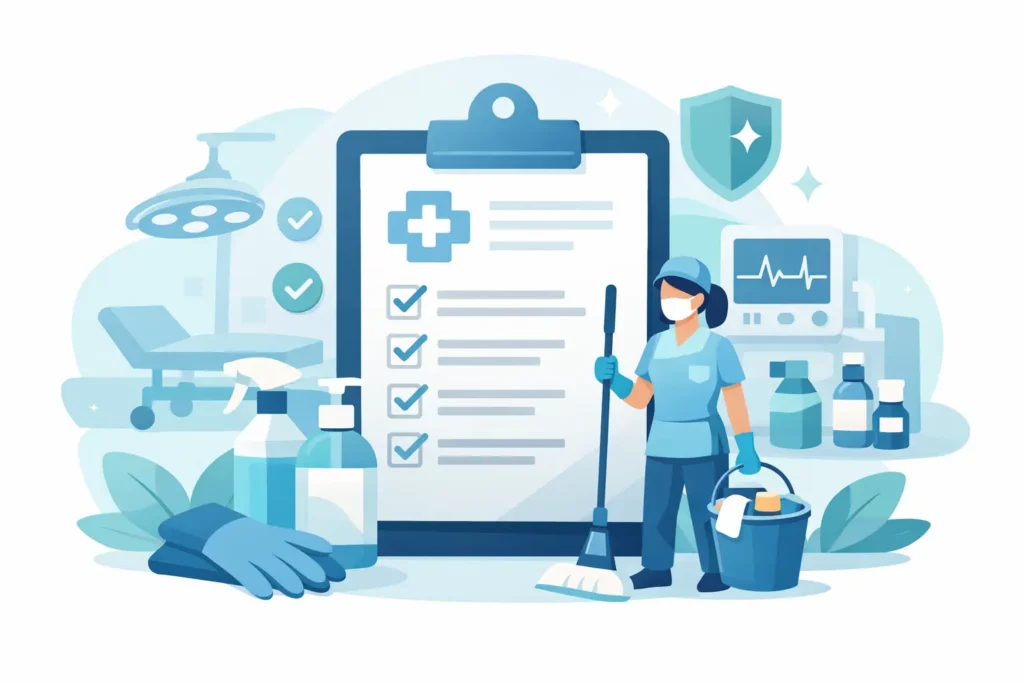
A missed bin change in a treatment room is not a small oversight. In a medical setting, little gaps in cleaning standards can quickly become compliance issues, patient concerns, or infection control risks. That is why a medical cleaning compliance checklist matters – it gives clinics, allied health practices, dental rooms and day procedure environments a practical way to keep standards consistent, visible and accountable.
For many operators, the challenge is not knowing that cleaning matters. The challenge is proving that the right tasks are being completed, at the right frequency, by the right people, using the right process. A checklist helps bridge that gap, but only if it reflects how healthcare spaces actually work.
What a medical cleaning compliance checklist should cover
A useful medical cleaning compliance checklist is not just a task sheet taped to a wall. It should support infection prevention, help staff follow repeatable processes, and create a record that stands up to internal reviews, accreditation requirements and day-to-day management.
At a minimum, the checklist should align with the type of facility, the level of patient contact, room usage, waste streams, and the products approved for the site. A GP clinic, physiotherapy practice and skin clinic may all be medical environments, but they do not carry identical cleaning risks. The checklist needs to reflect those differences.
Just as importantly, it should separate routine presentation cleaning from hygiene-critical cleaning. Vacuuming a waiting room and disinfecting a treatment bed are not equivalent tasks, and they should never be treated as if they are.
Risk areas that need close attention
High-touch surfaces are usually the first place to focus, and for good reason. Reception counters, door handles, EFTPOS machines, light switches, chair arms, tapware and shared pens can all become points of contact across dozens of people in a day. If these surfaces are not cleaned and disinfected to schedule, compliance can slip even when the premises look tidy.
Treatment and consult rooms need tighter control. Examination beds, stools, work benches, instrument trolleys and surrounding touchpoints often require cleaning between patients as well as more detailed scheduled cleaning throughout the day. The exact approach depends on the service being delivered, but the checklist should make timing and responsibility clear.
Bathrooms, staff rooms and waiting areas also deserve proper coverage. These spaces sometimes receive less attention because they are not clinical in the strictest sense, yet they still shape hygiene outcomes and patient confidence. A clean consult room does not fully offset a poorly maintained patient bathroom.
The difference between cleaning, disinfecting and documenting
One of the most common compliance problems is assuming that cleaning and disinfecting mean the same thing. They do not. Cleaning removes visible soil and contaminants. Disinfecting reduces harmful microorganisms on suitable surfaces when the correct product and contact time are used. A checklist should identify when each step is required rather than blending them into one vague instruction.
Documentation matters just as much as the task itself. In regulated settings, if there is no clear record, there may be no easy way to demonstrate that a process has been followed. That does not mean paperwork for the sake of paperwork. It means keeping practical records that show what was done, when it was done, by whom, and whether any issues were identified.
This is where many businesses benefit from a more structured approach. A cleaner may be doing the right work, but if records are inconsistent, management has a visibility problem. On the other hand, a beautifully completed log sheet means very little if staff have not actually followed the required method. Compliance depends on both execution and evidence.
Building a checklist that works in real conditions
The best checklists are specific enough to guide action but simple enough to be used properly under pressure. If the document is too broad, staff interpret tasks differently. If it is too detailed, it can become impractical and start getting skipped.
A strong checklist usually identifies each area, the required task, the frequency, the approved product or method, and the person responsible. It should also include a space for sign-off and issue reporting. For example, if a treatment room surface is damaged and can no longer be effectively sanitised, the checklist should allow that problem to be recorded and escalated rather than ignored.
It also helps to divide tasks by frequency. Some tasks need to be completed between patients. Others are daily, weekly or periodic. Grouping them this way reduces confusion and makes audits easier. It also gives managers a realistic way to monitor performance without relying on memory or verbal updates.
Medical cleaning compliance checklist essentials
Every site is different, but most medical environments should review their checklist against a core set of compliance areas. These include:
- High-touch surface cleaning and disinfection schedules
- Treatment room turnaround procedures
- Waiting room and reception cleaning frequencies
- Bathroom cleaning and consumable restocking
- Waste segregation, removal and bin cleaning
- Sharps and clinical waste handling protocols
- Laundry handling where applicable
- Colour-coded equipment use to prevent cross-contamination
- Product labelling, storage and Safety Data Sheet access
- Staff PPE requirements for specific tasks
- Cleaning record sign-off and issue reporting
- Periodic deep cleaning of less obvious surfaces and fixtures
This is the foundation, not the finish line. A compliance checklist should also reflect the site’s workflow. For instance, a busy Adelaide clinic with early starts, late finishes and multiple practitioners may need separate cleaning windows and handover checks to avoid tasks being missed during peak traffic.
Staff training is part of compliance
A checklist is only as reliable as the people using it. Even experienced cleaners need site-specific instruction because healthcare settings have different expectations from standard commercial spaces. Staff should understand not only what to do, but why it matters, which products to use, what dwell times apply, and what to report immediately.
Training should cover practical issues such as avoiding cross-contamination, changing cloths and mop heads correctly, wearing PPE as required, and responding to spills or contamination events. It should also address scope. If a cleaner is not authorised to manage a certain type of waste or biohazard issue, that boundary must be clear.
For facility managers, this is where outsourced cleaning can either reduce risk or create it. A qualified provider with trained, vetted staff and clear procedures can make compliance easier to maintain. A generic cleaning approach, even if well intentioned, may not be enough for a medical site.
Auditing the checklist, not just filing it away
A checklist should be reviewed regularly, not treated as a static document. Room usage changes. Services expand. Products get updated. Accreditation expectations shift. If the checklist no longer matches the reality of the site, compliance becomes harder to maintain.
Regular spot checks help reveal whether the process is working. Are signatures appearing at the right times? Are high-risk rooms consistently completed? Are the same issues showing up again and again? An audit should look at both the paperwork and the physical result.
There is also a practical balance to strike. More documentation is not always better. In some settings, overly complex systems create admin fatigue and reduce accuracy. The goal is to capture meaningful evidence while keeping the process usable for cleaning staff, supervisors and practice managers.
When to update your medical cleaning compliance checklist
If your clinic has added services, extended hours, changed floorplans, introduced new equipment, or experienced recurring hygiene issues, the checklist should be reviewed. The same applies after an infection control incident, an internal audit finding, or a change in outsourced cleaning arrangements.
It is also worth reviewing after growth. A smaller practice can often rely on informal oversight because staff notice problems quickly. Once the site gets busier, that visibility drops. More rooms, more patients and more team members usually mean more structure is needed.
For healthcare operators, peace of mind comes from knowing the standard is not left to chance. A good checklist supports consistency, but it also supports trust – with patients, staff, regulators and management alike. If your current system only tells you that cleaning should happen, not whether it happened properly, that is usually the clearest sign it is time to tighten the process.
The most effective medical cleaning compliance checklist is the one your team can follow every day without guesswork, shortcuts or blind spots.