A medical clinic can look tidy and still fall short on hygiene. Smudge-free glass, empty bins and vacuumed floors matter, but in healthcare settings the real standard is much higher. If you are working out how to clean medical clinics, the job starts with infection control, consistent processes and close attention to the surfaces people touch all day.
That is what makes clinic cleaning different from standard office cleaning. Patients move through waiting rooms, treatment rooms, toilets and reception areas with different health needs, and staff need spaces that support safe care. Cleaning has to protect people, not just improve presentation.
How to clean medical clinics without missing the basics
The first step in learning how to clean medical clinics is understanding that not every area carries the same risk. A reception desk, a consulting room and a staff kitchenette should not be cleaned in exactly the same way or in the same order. Lower-risk spaces can often be handled with general routine cleaning, while clinical areas need stricter methods, more frequent attention and products suited to healthcare environments.
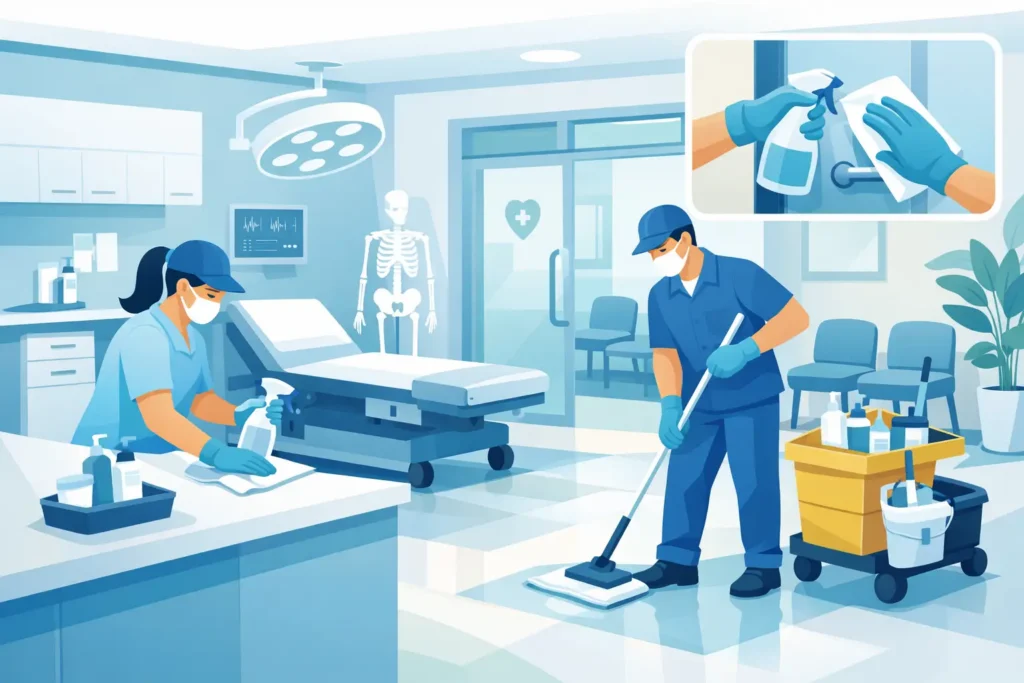
A practical cleaning plan usually starts by dividing the clinic into zones. Front-of-house areas such as entry points, waiting rooms and reception counters need regular cleaning because of heavy traffic and constant hand contact. Clinical spaces such as treatment rooms, consult rooms and pathology collection points need focused disinfection of touchpoints and equipment surrounds. Amenities, staff areas and back-of-house spaces also matter, but they should be cleaned in a way that avoids cross-contamination between cleaner and dirtier zones.
Order matters. In most cases, cleaning should move from cleaner areas to dirtier ones and from high surfaces to low surfaces. That reduces the chance of spreading contamination from toilets or waste areas into consulting spaces. It also helps teams work methodically rather than rushing from one task to another.
Start with a clinic-specific cleaning schedule
One-off effort will not keep a clinic safe. Reliable results come from a schedule that sets out what gets cleaned, how often, with which product and by whom. This is especially important for busy clinics where multiple staff members or contractors may be involved.
Daily cleaning usually covers waiting room seating, reception counters, door handles, light switches, EFTPOS machines, toilets, sinks, floors and rubbish removal. In treatment and consult rooms, examination beds, trolley handles, benches and any frequently touched surfaces need attention between patients or at scheduled intervals, depending on how the room is used.
Some items do not need constant disinfection, but they do need regular review. Skirting boards, vents, internal glass, blinds and low-traffic storage areas can move to a weekly or periodic schedule. The trade-off is simple: if everything is labelled urgent, important tasks can be missed. A strong plan separates critical daily hygiene tasks from broader presentation work.
Use the right products and the right contact time
A common mistake in clinic cleaning is assuming stronger means better. It depends on the surface, the product and the purpose. Some areas need detergent cleaning to remove visible soil first. Others require a disinfectant approved for healthcare use, applied correctly and left on the surface for the required contact time.
If a disinfectant is wiped away too quickly, it may not do the job. If the wrong chemical is used on sensitive surfaces, it can damage finishes, equipment surrounds or upholstery. That is why product knowledge matters just as much as effort.
Microfibre cloths and colour-coded systems are also worth using. They help separate toilets from clinical rooms and reduce the risk of carrying contamination around the site. Mops, cloths and cleaning heads should be changed regularly during the clean, not simply reused from room to room.
Focus on high-touch points first
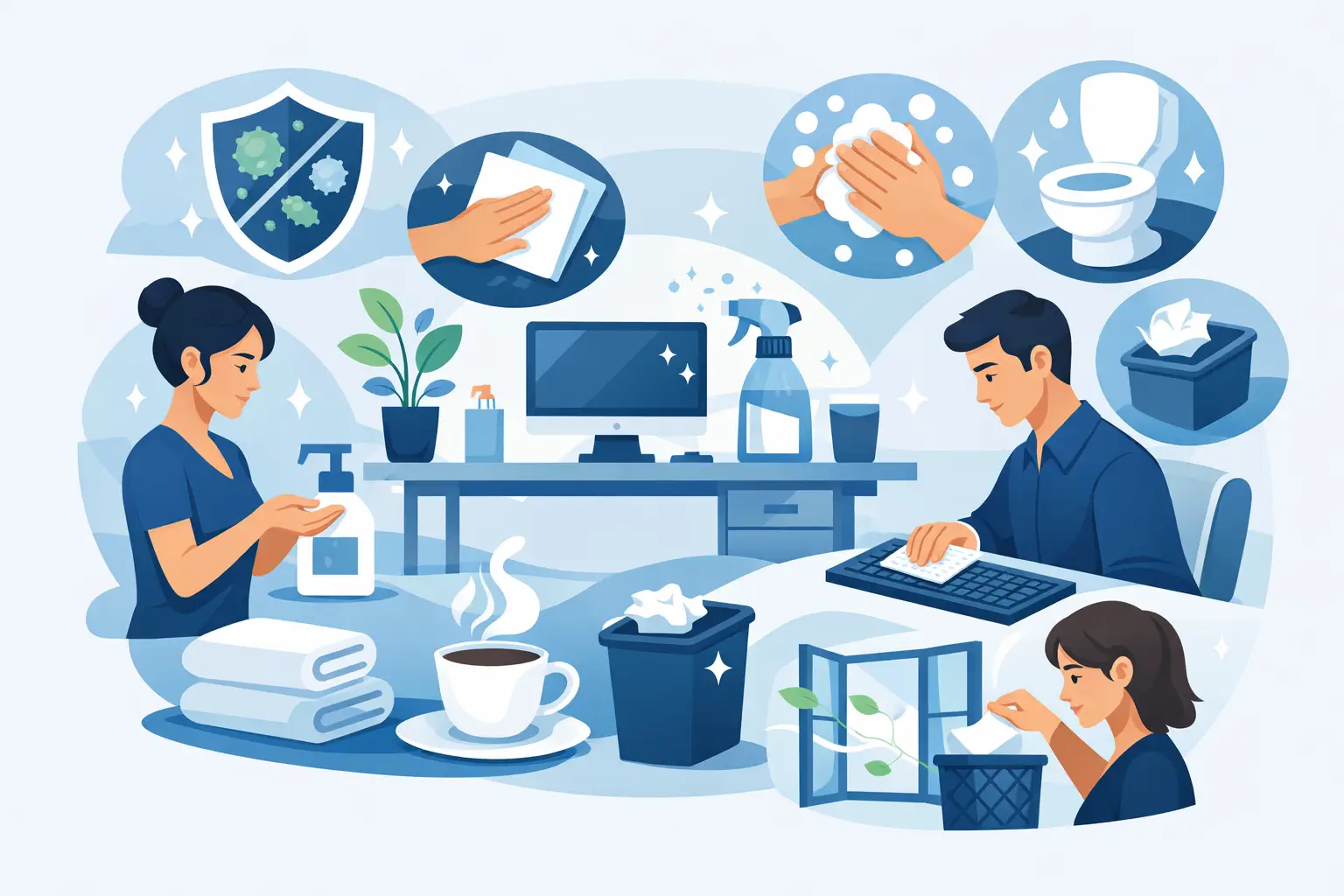
In most clinics, the biggest hygiene risk is not the floor. It is the surfaces touched repeatedly by staff, patients and visitors. These points collect contamination quickly and should sit at the centre of any cleaning routine.
That includes door handles, tap handles, armrests, reception counters, pens, clipboards, card machines, light switches, toilet flush buttons, handrails and shared seating. In treatment spaces, add bed rails, stool backs, drawer handles and work surfaces near patient contact.
This is where detail-driven cleaning pays off. A cleaner can spend too long perfecting a floor finish while missing the actual touchpoints that affect hygiene. In a medical environment, clean-looking is not the same as clinically sensible.
Treatment rooms need a stricter method
Treatment and consult rooms should be approached with a clear sequence. Remove rubbish and used consumables first. Clean any visible soil. Then disinfect relevant surfaces, allowing the product to remain in place for the required time. Replace liners, restock soap or paper products if required, and only then move to the floor.
Equipment itself may have manufacturer-specific cleaning instructions, so general cleaning staff should not guess. In many clinics, the safest approach is for staff to manage direct patient-care equipment while professional cleaners focus on surrounding surfaces, floors, bins, sinks and touchpoints. The exact split depends on the clinic, but clarity avoids mistakes.
Privacy matters too. Files, screens and benches can hold sensitive information, so cleaning in clinical rooms should be careful and controlled. Professionalism is not just about hygiene standards. It is also about respecting the way a medical practice operates.
Toilets and waiting areas shape patient confidence
Patients notice amenities quickly. A poorly maintained toilet or dusty waiting room affects trust, even if treatment rooms are spotless. These areas deserve more than a quick once-over.
Toilets should be cleaned and disinfected with clear separation of tools used in other parts of the clinic. Refill checks matter. Empty soap dispensers, missing paper towel and overflowing sanitary bins can create a poor experience and a genuine hygiene issue.
Waiting areas need a balance of presentation and infection control. Chairs should be wiped regularly, especially armrests and plastic or vinyl surfaces. Hard floors need frequent mopping, while carpets need vacuuming and periodic deep cleaning to manage dust and wear. If the clinic sees high patient volume, multiple touchpoint cleans through the day may be more appropriate than one larger clean after-hours.
Waste handling needs care, not shortcuts
General rubbish removal is straightforward only when bins are used correctly. In clinics, waste streams may include standard waste, sanitary waste and clinical waste. Cleaning teams should know what they are authorised to handle and what requires separate management under the clinic’s own protocols.
Bins should be emptied before they overflow, liners replaced carefully and external surfaces cleaned when soiled. Hands should be cleaned after bin handling, and gloves changed before moving back to patient-facing areas. Small shortcuts in waste handling can undo otherwise careful work.
Training and consistency matter as much as effort
A clinic does not need cleaning that feels different every visit. It needs repeatable standards. That is why training, checklists and supervision matter. A reliable cleaner should know not only what to do, but why the process matters in a healthcare setting.
This is also where outsourcing can make sense. For many Adelaide clinic managers, the challenge is not willingness to maintain standards. It is having enough time, structure and accountability to do it consistently while still running the practice. A professional team with vetted staff, clear scopes and quality checks can remove that pressure.
Spiffi Cleaning approaches medical and clinic cleaning with that same focus on reliability, detail and consistency, which is exactly what regulated workplaces need from a service partner.
When to clean during the day and after-hours
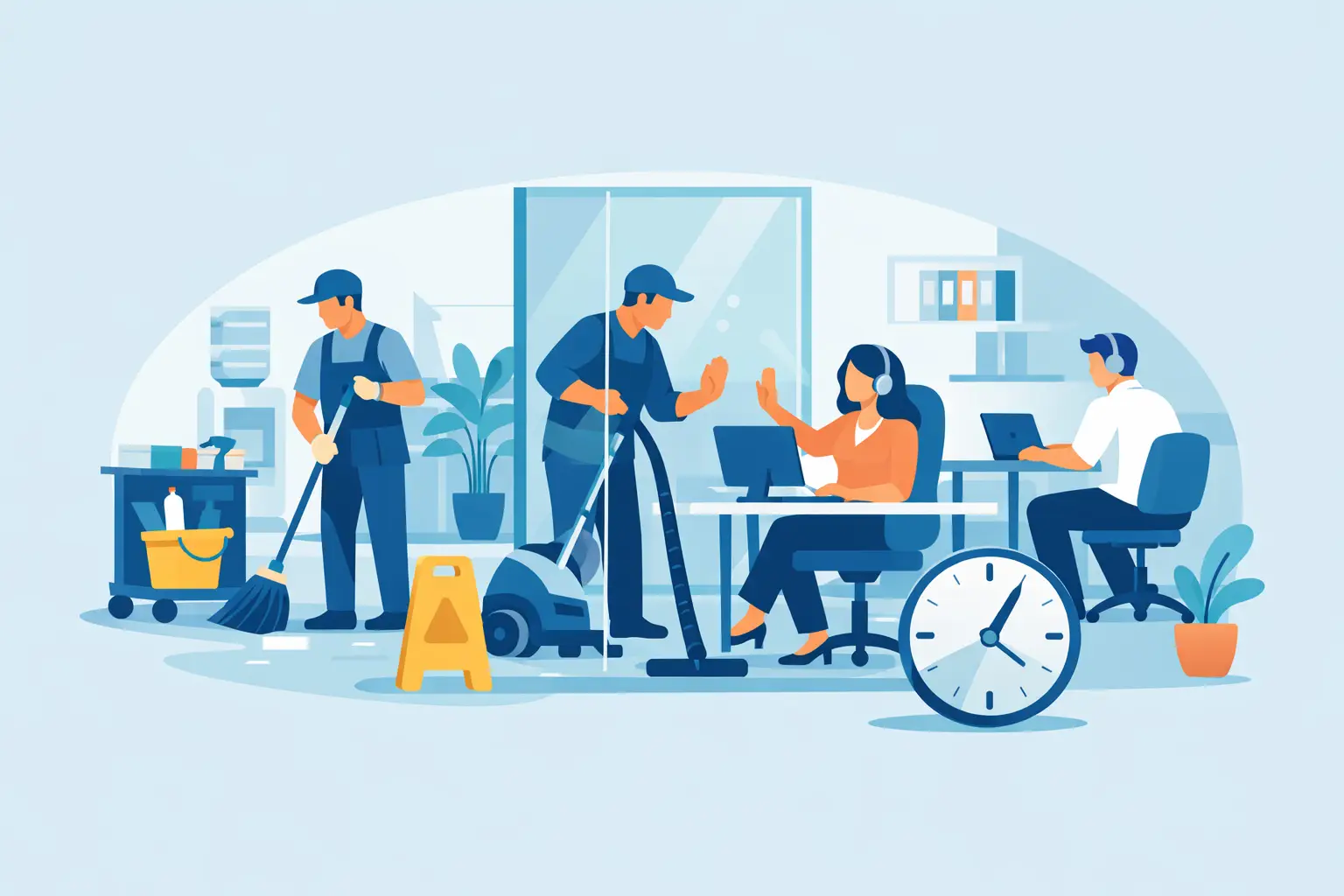
Timing depends on clinic traffic, room turnover and the type of services provided. Some clinics do best with a full after-hours clean and light daytime touchpoint support. Others need active cleaning throughout the day because toilets, waiting areas and treatment spaces turn over quickly.
There is no single perfect schedule. A small allied health clinic may only need a structured daily clean with periodic deep cleaning. A busy GP practice, skin clinic or specialist centre may need far more frequent attention. The right setup matches the clinic’s patient flow, not a generic template.
A final check should always be part of the process
Before finishing, walk the site the way a patient or practice manager would. Are the bins emptied, floors dry, toilets stocked, glass marked, chairs aligned and touchpoints addressed? Final checks are where small misses get caught before they become complaints.
Knowing how to clean medical clinics properly is really about building trust through routine. When the process is consistent, staff can focus on care, patients feel more confident in the space, and the clinic runs with fewer hygiene concerns in the background. That peace of mind is often the real value of a professional clean.