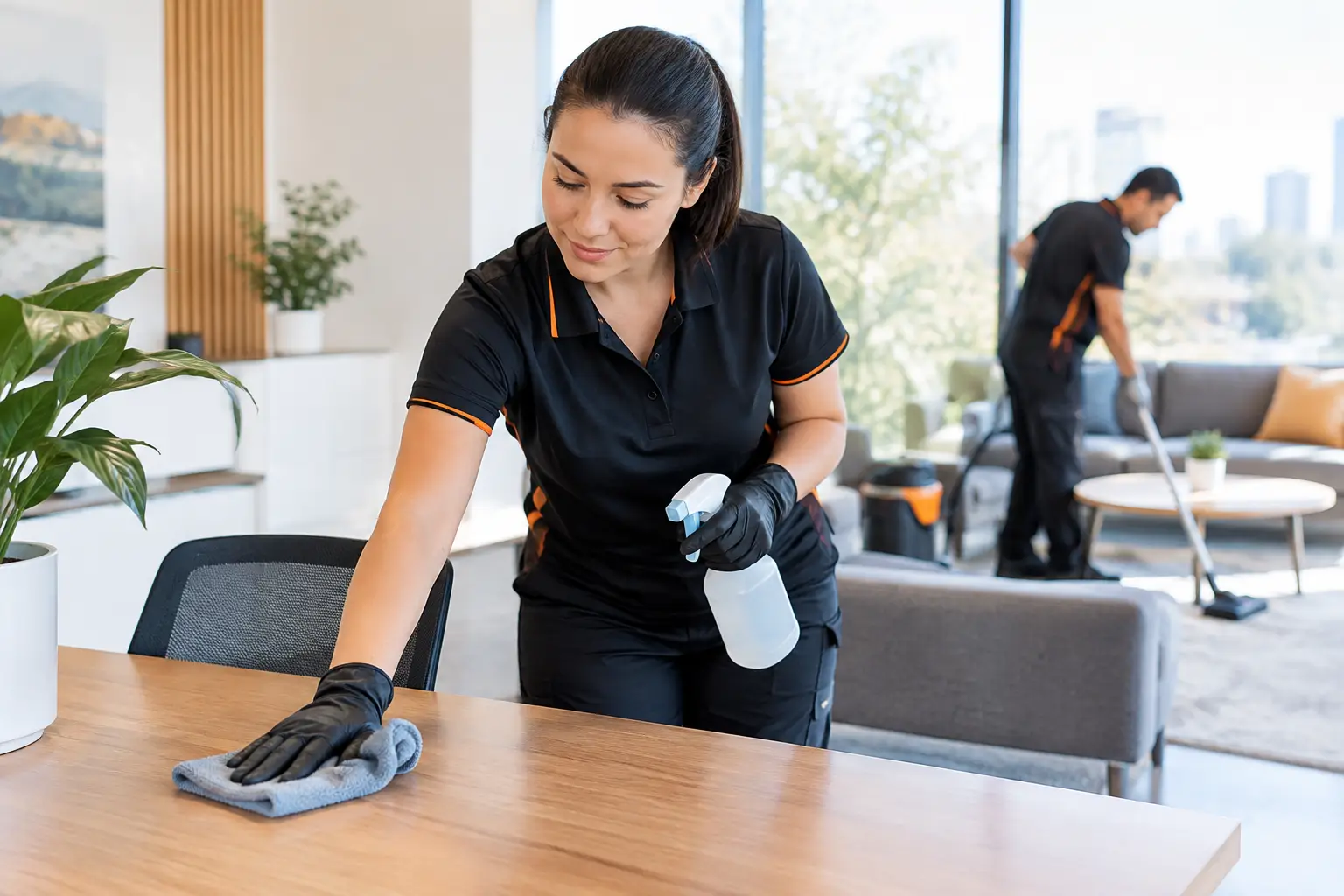
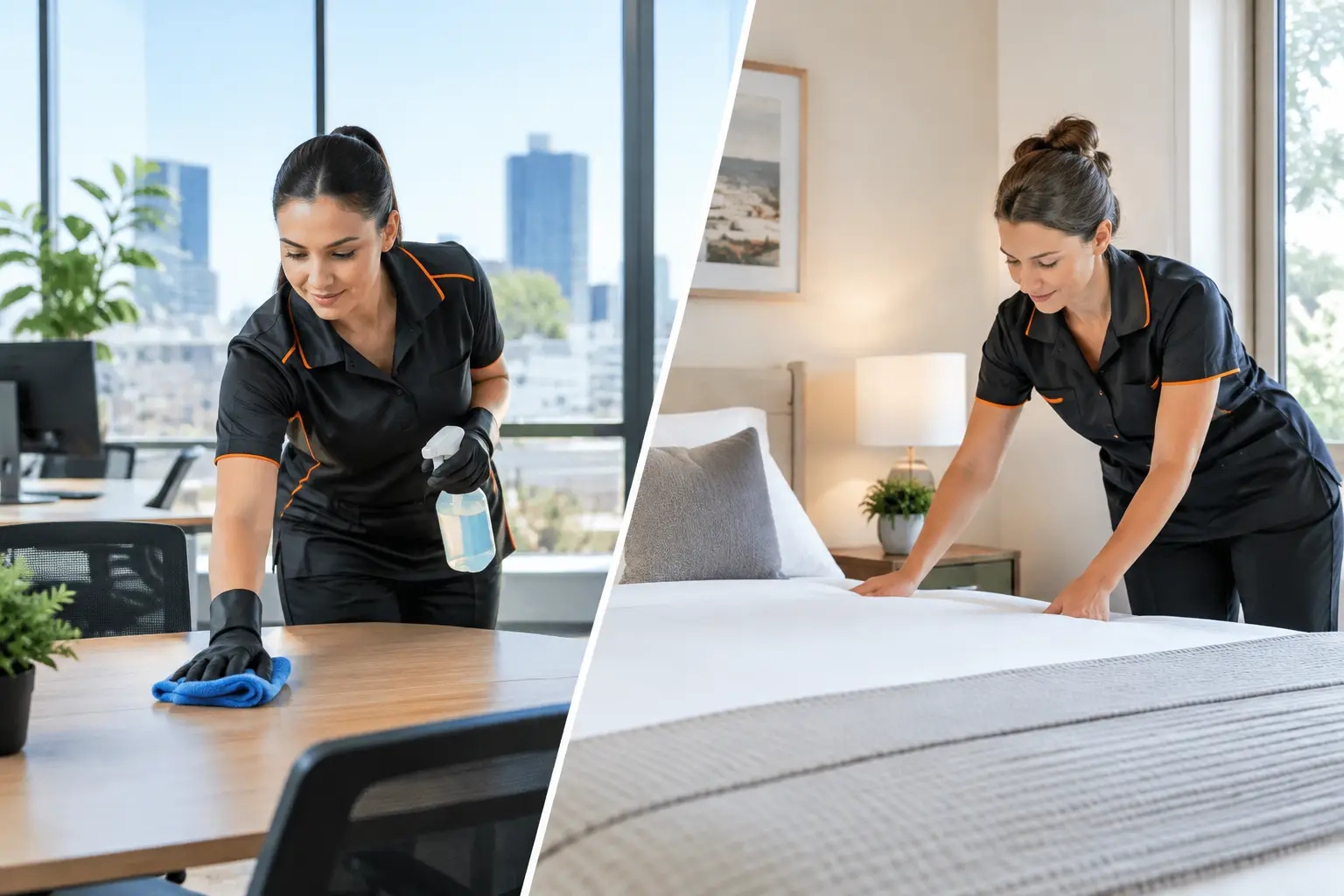
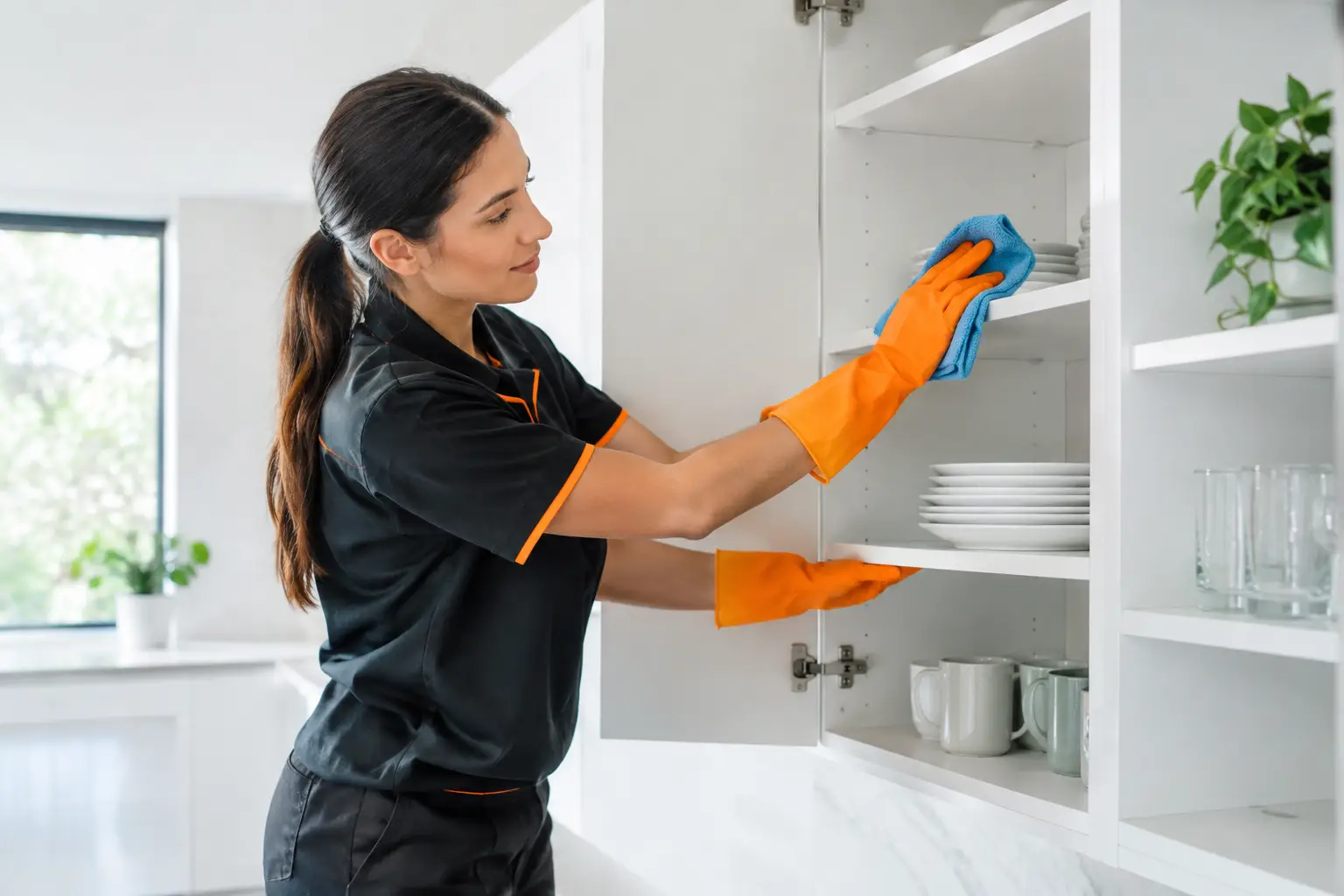
A professional clean should make your day easier, not create a last-minute scramble. The best way to prepare your home for cleaners is not to clean it yourself beforehand. It is to make the space accessible, clarify what matters most and put away anything private, fragile or potentially unsafe. Those few practical steps help your cleaners spend their time where it delivers the most value: creating a fresher, healthier and properly cared-for home.
Whether you have booked a regular house clean, a one-off deep clean or help before an inspection, a little preparation leads to clearer results and a smoother appointment.
Prepare your home for cleaners without doing their job
There is no need to vacuum, scrub bathrooms or wipe benches before a professional cleaner arrives. That is the service you are paying for. However, cleaners can work more efficiently when floors, benches and key surfaces are reasonably clear of everyday clutter.
Think of it this way: cleaning removes dirt, dust and grime. Decluttering decides where belongings live. When a dining table is covered in paperwork, craft supplies and charging cables, the cleaner must either move items carefully, clean around them or ask for direction. None of those options produces the same finish as an open, clear surface.
Before the appointment, take 10 to 20 minutes to put away loose items such as clothes, toys, mail, dishes, cosmetics and cables. You do not need to organise every cupboard or wardrobe. Focus on the rooms included in your booking and the surfaces you would most like to see clean.
If your home is particularly busy, choose priorities rather than trying to do everything. Clearing the kitchen bench, bathroom vanity, coffee table and bedroom floor can make a noticeable difference to the final result.
Let the cleaner know what matters most
Every household has a different definition of a clean home. One client may care most about spotless bathrooms and kitchen floors. Another may want pet hair removed from upholstery, fingerprints lifted from glass doors or careful attention to skirting boards.
Share your priorities before the clean begins, especially if the appointment is time-based or the property has areas needing extra work. Be specific where possible. Saying, “Please focus on the shower screen and oven exterior,” is more useful than saying, “The bathroom needs a good clean.”
It also helps to mention any areas that are not included. A closed study, storage room or nursery may be off limits, while an ensuite or balcony might be easy to miss unless it is clearly identified. Clear instructions protect your time and help the cleaning team meet your expectations.
For recurring cleaning, priorities can change from visit to visit. A quick note or message is usually enough. Perhaps the house is tidy but the floors need extra attention after a rainy week, or you have guests arriving and want the living areas looking their best.
Be realistic about deep-cleaning tasks
Some jobs take more time, equipment or specialist products than a standard clean allows. Built-up soap scum, greasy rangehood filters, interior ovens, mould concerns, high windows and post-renovation dust are common examples.
Mention these tasks when requesting a quote rather than assuming they can be added on arrival. This allows the cleaning provider to schedule enough time, send the right team and bring suitable equipment. It also avoids the disappointment of finding out that a heavily soiled area cannot be completed properly within the booked window.
Secure valuables, private documents and medication
Professional cleaners work carefully, but it is always sensible to put away valuable, sentimental and confidential items before anyone enters your home. This is about peace of mind, not distrust.
Store jewellery, cash, passports, personal documents, prescription medication and small electronics in a drawer, cupboard or room that will not need cleaning. If an item is fragile or has special significance, move it somewhere safe rather than asking a cleaner to work around it.
The same principle applies to confidential work papers, bank statements and personal mail. A clear desk is easier to clean, and it gives you confidence that sensitive information is not left in view.
If there is a display piece, artwork or appliance that needs particular care, point it out before the team starts. A short conversation can prevent confusion and help cleaners use the right approach.
Make access simple and safe
Reliable access is one of the most overlooked parts of a successful cleaning appointment. Confirm how the cleaner will enter, where they can park and whether there are any building rules that affect the visit.
For apartment buildings, this may mean arranging a fob, concierge access, lift booking or visitor parking. For homes with gates, make sure instructions are current and that the gate, doorbell or intercom can be used. If you will not be home, provide the agreed entry method in advance and ensure the cleaner knows how to lock up when finished.
A few other practical checks can make a real difference:
- Keep hallways, stairs and main work areas free from trip hazards.
- Ensure electricity and running water are available.
- Let the team know about parking restrictions, steep driveways or difficult access.
- Open curtains or blinds if you would like natural light in the rooms being cleaned.
- Identify any areas with leaks, loose tiles, damaged power points or other safety concerns.
In Adelaide, summer heat can also affect access and comfort. If the home will be closed up during a hot day, consider leaving ventilation or air conditioning available where practical. Cleaners working safely and comfortably can maintain better attention to detail.
Plan for pets and children
Most cleaners are comfortable working in family homes, but pets and young children can make the visit less predictable. Let the company know in advance if you have dogs, cats or other animals, particularly if they may be nervous around unfamiliar people.
Some pets are happiest in the backyard, a separate room or with a family member while cleaning is underway. This keeps them calm and prevents them from walking over freshly mopped floors or getting underfoot while equipment is in use. If your pet has any behavioural triggers, such as fear of vacuum cleaners, include that in your instructions.
For children, it is usually easiest to schedule the clean around naps, school hours or an outing where possible. If you will be home, a clear play area away from the rooms being cleaned helps everyone move safely and keeps the appointment on track.
Consider your cleaning products and sensitivities
A professional cleaning service should use suitable products and equipment for the task, but your household may have specific needs. Tell the team beforehand if anyone has allergies, asthma, sensitivities to fragrance or concerns about particular ingredients.
The same applies to surfaces that need special treatment. Natural stone, unsealed timber, delicate finishes and certain stainless-steel surfaces can be damaged by the wrong product or abrasive tool. If you know a bench, floor or fixture has special care requirements, flag it early.
Eco-friendly products can be a good choice for many homes, especially where children, pets or sensitive household members are present. Still, “eco-friendly” does not mean every product is right for every material. Clear information about your home helps cleaners make sensible product choices.
Decide whether to stay or head out
There is no single right answer. Staying home can be useful for a first visit, a deep clean or a property with detailed instructions. You can answer questions quickly and show the cleaner any areas of concern.
Heading out can be more convenient for busy households and may give the team space to work through the home without interruptions. If you leave, make sure contact details are available in case a question arises. It is also helpful to confirm whether cleaners should call, text or proceed according to your written instructions if something unexpected comes up.
For a regular service, many clients settle into a simple routine: secure access, a short priority note and confidence that the work will be completed to the agreed standard. Spiffi Cleaning’s trained, police-checked staff and satisfaction guarantee are designed to make that routine easier to trust.
Check the result while details are fresh
At the end of the visit, take a quick walk through the completed areas if you are home. You are not looking for faults or conducting an inspection worthy of a real estate handover. You are simply checking that priorities were understood and asking any questions while the visit is still fresh.
If something needs attention, raise it promptly and clearly. Reputable cleaning providers want the opportunity to understand the issue and make it right. For future appointments, feedback is equally useful when things went well. Letting your cleaner know that the bathroom finish, presentation of the kitchen or care around a particular surface was appreciated helps build a consistent service.
A prepared home is not a perfectly tidy home. It is a home where the people cleaning can access what matters, work safely and focus their skill on the details that make your space feel genuinely refreshed. Put away what is personal, communicate what is important, then leave the cleaning to the professionals.