Some homes never look truly messy, but they still feel off. You notice it in the dusty skirting boards, the splash marks near the sink, the bathroom mirror that is never quite clear, and the floors that seem gritty again a day after vacuuming. That is where a weekly house cleaning checklist helps. It turns cleaning from a catch-up job into a simple routine that keeps your home consistently presentable, hygienic and easier to manage.
The key is not doing everything every day. A good weekly routine focuses on the tasks that make the biggest visible and practical difference, while leaving deep cleaning jobs for a separate schedule. For busy households, working professionals, tenants and Airbnb hosts, that balance matters. You want a home that feels looked after without spending your whole weekend chasing crumbs and wiping surfaces.
What a weekly house cleaning checklist should actually cover
A weekly house cleaning checklist works best when it reflects how people really live. It should cover hygiene, presentation and maintenance, not perfection. That means targeting the rooms that collect the most traffic, moisture, food residue and dust.
In most homes, the weekly essentials are the kitchen, bathrooms, floors, general dusting and a quick reset of visible clutter. If you have kids, pets, guests or a packed work schedule, you may need to place more emphasis on entryways, living areas and touchpoints such as handles, switches and remotes. If your home is quieter, your checklist can stay lighter.
The point is consistency. When weekly tasks are handled properly, the whole house stays under control and larger cleans become faster, cheaper and far less stressful.
Kitchen tasks that keep the whole house feeling clean
The kitchen is usually the room that dates the fastest. Even if the rest of the house is tidy, a greasy cooktop or marked benchtop can make everything feel neglected.
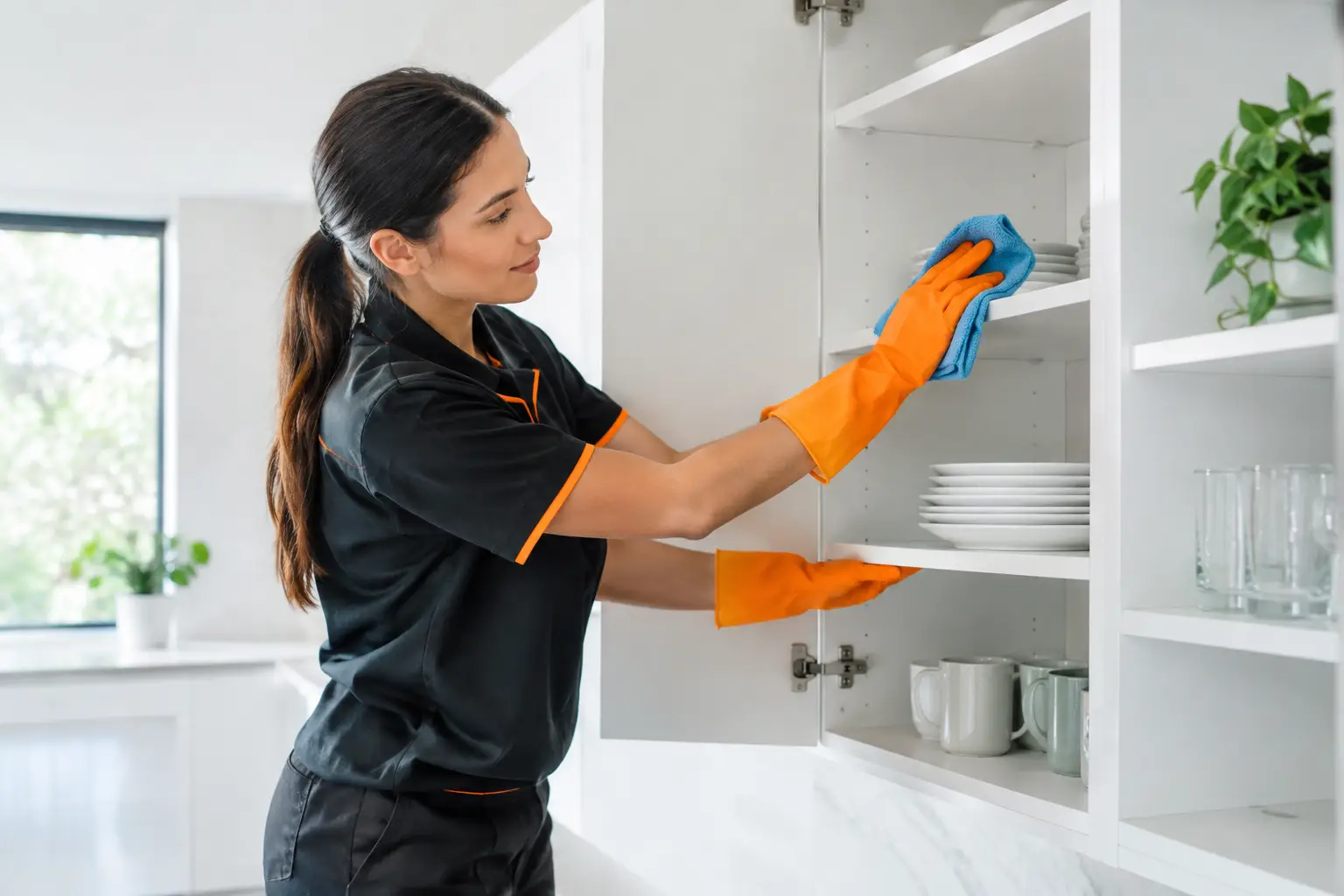
Your weekly kitchen clean should include wiping benchtops, splashbacks, cupboard fronts and appliance exteriors. The sink needs more than a rinse. It should be scrubbed properly, including around the drain and taps, where grime builds up quickly. The stovetop should be degreased, and the microwave wiped inside and out.
Floors matter here more than in almost any other room. Crumbs, spills and tracked-in dirt collect fast, so a proper vacuum and mop makes a visible difference. It is also worth checking the fridge for expired food and giving handles a quick sanitise. These small jobs reduce odours and stop the kitchen from becoming harder to reset later in the week.
Bathrooms need more than a quick wipe
Bathrooms are where hygiene matters most, but they are also easy to neglect because the mess builds gradually. Soap scum, toothpaste splatter, hair and water marks can creep up before you notice how much they affect the look of the room.
A solid weekly bathroom clean should include the toilet, shower, bath, vanity, sink, taps and mirrors. Surfaces should be cleaned and disinfected where appropriate, especially in family homes or shared households. Glass screens and tiles benefit from a proper wipe to prevent soap buildup. If you leave them too long, what could have been a quick clean becomes a much bigger scrub.
It also helps to empty the bathroom bin, replace towels if needed and mop the floor properly, especially around the toilet and vanity where residue tends to gather. If ventilation is poor, keep an eye on mould-prone corners and grout. Weekly attention can stop minor issues from becoming a more expensive problem.
Living areas: focus on dust, floors and reset points
Living rooms and shared spaces do not always need intense cleaning each week, but they do need regular attention. These are the rooms people see first, and they tend to collect a bit of everything – dust, pet hair, snack crumbs, fingerprints and general clutter.
Dusting should focus on obvious surfaces such as coffee tables, TV units, shelving, lamp bases and skirting boards where needed. You do not have to move every piece of furniture each week, but visible surfaces should be kept clear and clean.
Vacuuming is usually the biggest win in living areas, especially if you have rugs, kids or pets. Hard floors should also be mopped if they are marked or dull. Straightening cushions, folding throws and clearing stray items can make the space look refreshed in minutes. This is one of the best examples of effort versus payoff. A short reset can noticeably lift the whole home.
Bedrooms should feel calm, not dusty
Bedroom cleaning is often lighter, but it still matters. A room can look tidy while quietly collecting dust on bedside tables, under the bed and along skirting boards.
Each week, make the bed properly, dust accessible surfaces and vacuum floors, including under the edges of beds if possible. If the room has mirrored wardrobes or glass, wipe obvious marks. Empty small bins and deal with clothing on chairs or floors before it starts turning into clutter.
Linen changes do not have to happen on the same day as every other task, but fresh sheets are usually worth including in the weekly rhythm. For allergy sufferers, this can make a real difference to comfort and sleep quality.
The often-missed tasks that strengthen a weekly house cleaning checklist
A weekly house cleaning checklist is most useful when it includes the jobs people commonly forget. These are not major tasks, but they improve hygiene and help your home hold its clean appearance for longer.
Light switches, door handles, stair rails and remote controls are touched constantly and rarely cleaned unless they are written down. Entry areas also deserve attention because they carry dirt from outside into the rest of the house. A quick vacuum around the front door and a wipe of the inside of the door can stop grime spreading further.
Bins are another one. Taking rubbish out is one thing, but wiping the bin itself prevents lingering smells. Spot-cleaning fingerprints from glass doors, wiping marks from walls and checking corners for cobwebs can also lift the standard of the whole home without adding much time.
How to make the checklist realistic
The best checklist is not the most detailed one. It is the one you will actually follow.
If your week is packed, split tasks across two or three short sessions instead of saving everything for Saturday. For example, bathrooms on Wednesday, kitchen on Thursday, and floors plus dusting on the weekend. If you prefer one set cleaning block, keep your products and equipment together so you are not wasting time walking back and forth.
It also helps to separate weekly cleaning from deep cleaning. Oven interiors, inside windows, detailed grout work, carpet shampooing and full cupboard organisation do not usually belong on a weekly list. Adding too much creates friction, and once the routine feels unrealistic, it is easier to postpone the whole thing.
There is also an it depends factor. A single-person apartment may need a lighter checklist than a busy family home in the suburbs. A property being prepared for rental inspections or guest stays may need a more presentation-focused version. The structure can stay the same, but the intensity should match the space.
When it makes sense to bring in professional help
Some households are happy to manage a weekly routine themselves. Others simply do not have the time, energy or consistency to stay on top of it. That does not mean the standard has to drop.
Professional cleaning works well when the home needs reliable upkeep, not just emergency catch-ups. It is especially useful for families juggling work and school runs, tenants wanting to stay inspection-ready, and property owners who need presentation to stay sharp. A trained cleaner will usually move faster, notice detail others miss and apply a structured system that keeps standards consistent from week to week.
That reliability matters. A checklist is only useful if it gets done properly and regularly. For many Adelaide households, outsourcing weekly cleaning is less about luxury and more about protecting time, reducing stress and keeping the home in good order without the last-minute rush. That is exactly where a professional team such as Spiffi Cleaning can make life simpler.
A simple weekly rhythm is better than a perfect plan
A clean home does not come from one big effort every few weeks. It comes from repeating the right tasks often enough that nothing has time to get out of hand. Your checklist should support that rhythm, not fight it.
If you keep it focused on kitchens, bathrooms, floors, dust, clutter and high-touch areas, you will cover most of what makes a home feel clean. Start there, adjust for your household, and let consistency do the heavy lifting. A manageable routine always beats an ambitious one that never gets finished.