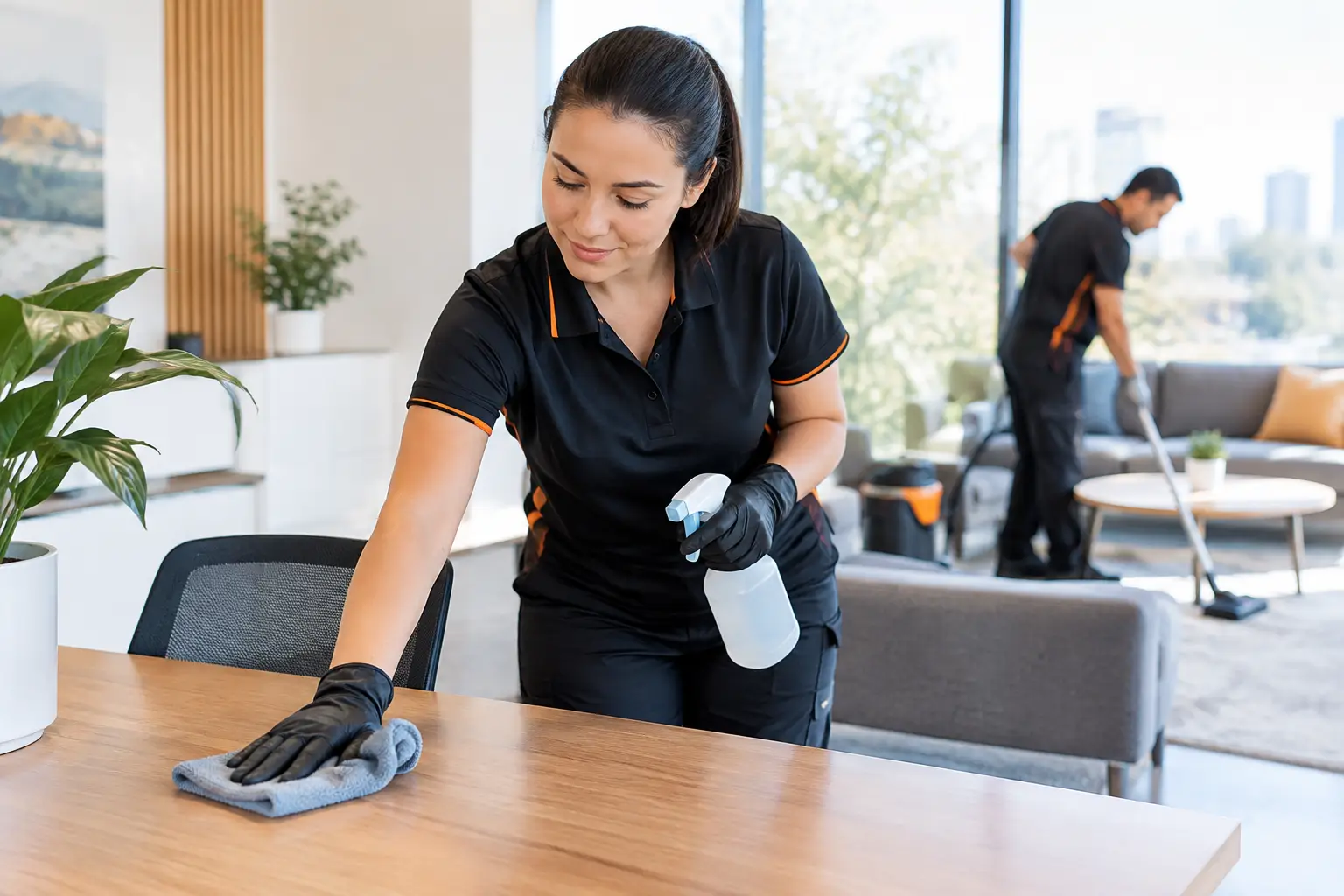
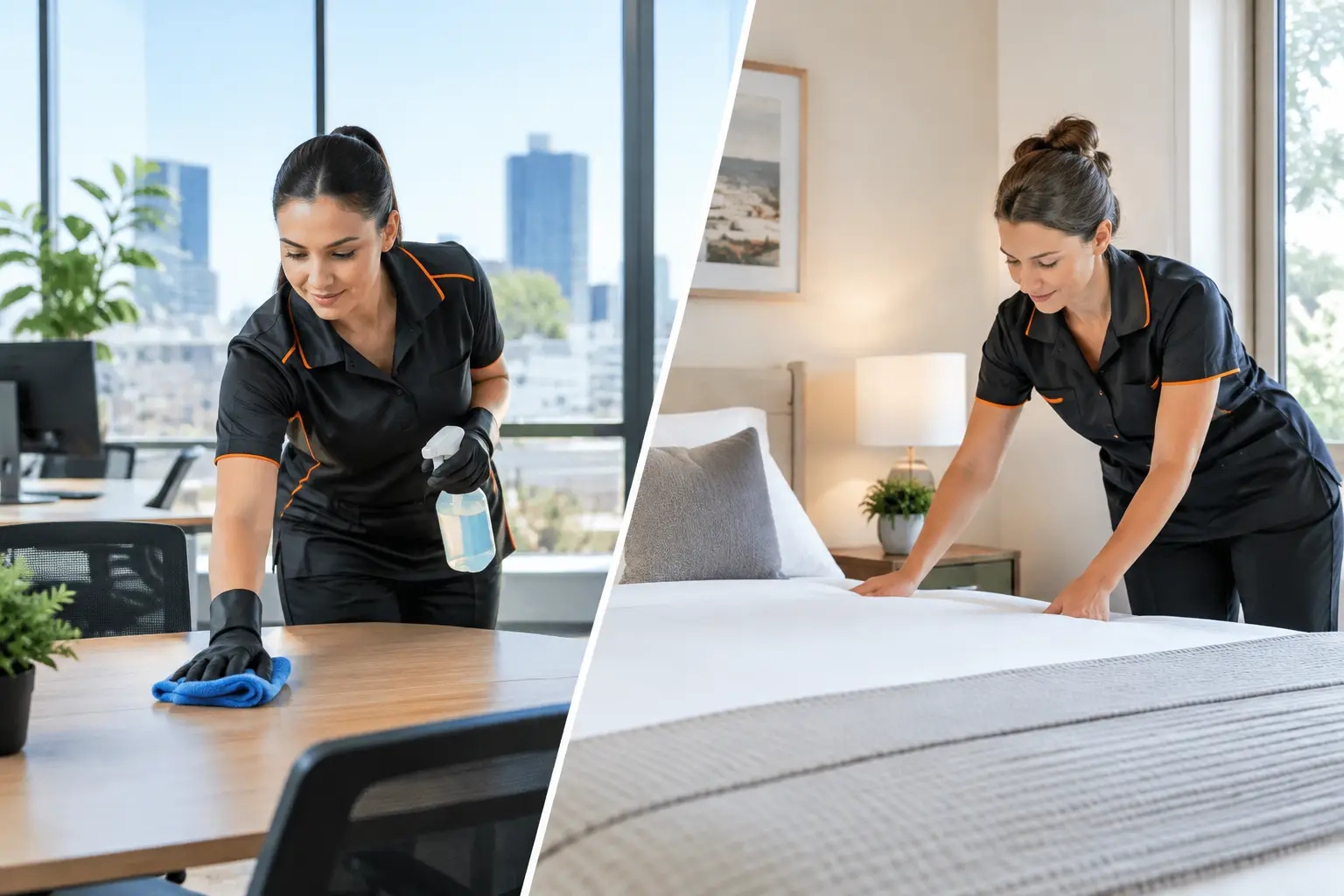
A cleaner can do their best work in an office that is ready for them. That does not mean you need to deep clean before the professionals arrive. It means setting up the space so nothing slows the job down, sensitive items stay protected, and the team can clean thoroughly without constant interruptions. If you are wondering how to prepare office cleaning, the good news is that a few simple steps make a noticeable difference.
For office managers and business owners, preparation is less about effort and more about control. A well-prepared office helps protect documents, reduces health and safety risks, and makes it easier to get a consistent result every visit. It also saves time, which matters if you are booking regular cleaning around staff hours or client-facing operations.
Why office cleaning preparation matters
When an office is cluttered, locked off, or still in full use, cleaners have to work around obstacles. That often leads to missed surfaces, delays, or extra back-and-forth on the day. Preparing the site properly allows the cleaning team to focus on what they are there to do – cleaning high-touch points, floors, shared areas, bathrooms, kitchens, and workstations to a professional standard.
There is also a practical side to it. Offices contain confidential paperwork, personal devices, chargers, and all sorts of small items that can be misplaced if desks are overloaded. A tidy, organised environment reduces the chance of confusion and helps everyone know what should be cleaned, what should be avoided, and what needs special handling.
How to prepare office cleaning before the team arrives
The best approach is to think in zones. Reception, workstations, meeting rooms, kitchens, bathrooms, and storage areas all have different needs. You do not need a long, complicated process, but you do need a clear one.
Clear desks and shared surfaces
If staff leave loose papers, coffee cups, food containers, cables, and personal items spread across desks, those surfaces cannot be cleaned properly. Ask employees to remove or neatly stack essential items before the scheduled clean. Wiping around objects is never as effective as cleaning a clear surface.
This is especially important for hot desks, boardrooms, and reception counters. These areas collect fingerprints, dust, crumbs, and germs quickly because they are used by multiple people throughout the day. A cleared surface means a more hygienic finish and a more presentable office the next morning.
Secure confidential and valuable items
Most professional cleaning teams are trained, vetted, and respectful of client spaces, but secure handling of sensitive items should still be part of your office process. Lock away confidential files, financial records, keys, petty cash, and portable electronics if they do not need to be left out.
This is not about mistrust. It is about good site management. Clear boundaries protect your business, your staff, and the cleaning team as well.
Empty obvious rubbish and remove food
You do not need to do the cleaner’s job for them, but there is value in removing old food from desks, fridges, and meeting rooms before a scheduled clean. Forgotten leftovers create odours and can make kitchen and bin areas harder to sanitise properly.
If your office produces a large amount of packaging or day-to-day rubbish, let the cleaners know what should be taken and what should stay. Recycling systems vary from one workplace to the next, and clear instructions help avoid contamination between waste streams.
Make access simple
One of the biggest causes of delay is access. If the cleaner cannot enter the building, alarmed areas, bathrooms, store rooms, or key office zones, the quality of the clean suffers straight away. Confirm entry instructions in advance and make sure any keys, passes, or alarm codes are ready.
If cleaning happens after hours, check that lifts, lights, and security settings allow safe movement through the site. In multi-tenant buildings, it is worth confirming whether access to shared amenities needs separate approval.
Communicate what matters most
A good cleaning service will usually work from a scope, but office managers should still flag the priorities for each visit. Some workplaces care most about bathrooms and kitchens. Others need spotless meeting rooms before clients arrive, or extra attention on touchpoints during flu season.
Point out high-priority areas
If there are problem spots, say so early. Maybe the kitchenette floor gets greasy by Friday, the front entry tracks in dust, or one bathroom gets heavier use than the others. Cleaners can adjust their workflow when they know what the real pressure points are.
This is particularly useful in larger offices where not every room is used equally. A blanket approach sounds efficient, but targeted cleaning often delivers better value.
Mention surfaces or materials that need care
Not every surface should be treated the same way. Timber desks, specialty flooring, glass partitions, stone benchtops, and electronic equipment all require the right products and methods. If your office has delicate finishes or recently installed fit-out elements, mention them before the first clean.
The same goes for areas where hygiene is more sensitive, such as medical consulting rooms, staff lunchrooms, or shared phone booths. The cleaning plan should match the way the space is used.
Prepare your team, not just the space
Office cleaning works best when staff know what is expected of them. Even a reliable cleaning provider will struggle to maintain standards if employees leave the office in a different state every day.
A simple internal routine helps. Staff should know whether to clear desks, label personal mugs, put chairs up, store away loose cords, or empty lockers in advance of a periodic deep clean. These do not need to be big rules. They just need to be consistent.
If your office uses recurring cleaning, it can help to nominate one contact person. That gives the cleaning team a clear line of communication for access issues, schedule changes, and special requests. It also makes accountability much easier if something needs follow-up.
Timing can affect cleaning quality
When thinking about how to prepare office cleaning, timing matters almost as much as setup. Cleaning during business hours may be fine for some workplaces, especially if the job is light and the office is spread out. In a busy office, though, after-hours cleaning often allows a more thorough result with less disruption.
There is a trade-off. After-hours cleaning is quieter and more efficient, but it requires stronger access procedures and trust in your provider. Daytime cleaning gives you more visibility and easier communication, yet cleaners may need to work around meetings, calls, and staff movement.
The best option depends on your layout, your security requirements, and how client-facing the office is. A small professional suite may be easy to clean late afternoon. A larger site with constant foot traffic may need a mix of daytime touch-ups and scheduled after-hours cleaning.
Don’t forget kitchens, bathrooms, and shared touchpoints
These are the spaces that shape how clean an office feels. Even if workstations look neat, a grubby sink, full bin, or marked bathroom can drag down the whole environment.
Before the cleaner arrives, check that sinks are not full of dishes unless washing up is part of the agreed service. Make sure hand soap, paper towel, and toilet paper storage is accessible if restocking is included. Shared appliances such as microwaves and fridges may also need a quick check for spills or expired food.
Touchpoints deserve extra attention in any office with regular staff attendance or visitors. Door handles, lift buttons, taps, switch plates, and meeting room remotes are easy to overlook, but they matter for both hygiene and presentation.
For regular cleaning, review and refine
Preparing for a one-off office clean is relatively simple. Preparing for ongoing cleaning is about building a system that works without daily effort. After the first few visits, review what is going well and what keeps getting in the way.
If desks are still too cluttered, set a clearer staff expectation. If access is awkward, update the handover process. If certain areas are always missed, it may be a scope issue rather than a performance issue. Good results usually come from clear instructions, realistic timing, and a provider that follows through consistently.
For businesses in Adelaide, this matters even more during busy periods, property transitions, or seasonal spikes in dust and foot traffic. A dependable cleaning routine supports staff wellbeing, protects your presentation, and reduces the stress of last-minute fixes before visitors or inspections.
Spiffi Cleaning works with offices that want that process to feel straightforward rather than time-consuming. The cleaner should not need to guess what matters on your site.
A well-prepared office is easier to clean, safer to manage, and far more likely to stay consistently presentable. Set the space up properly, communicate clearly, and your cleaning service can deliver the standard your workplace needs – every time.