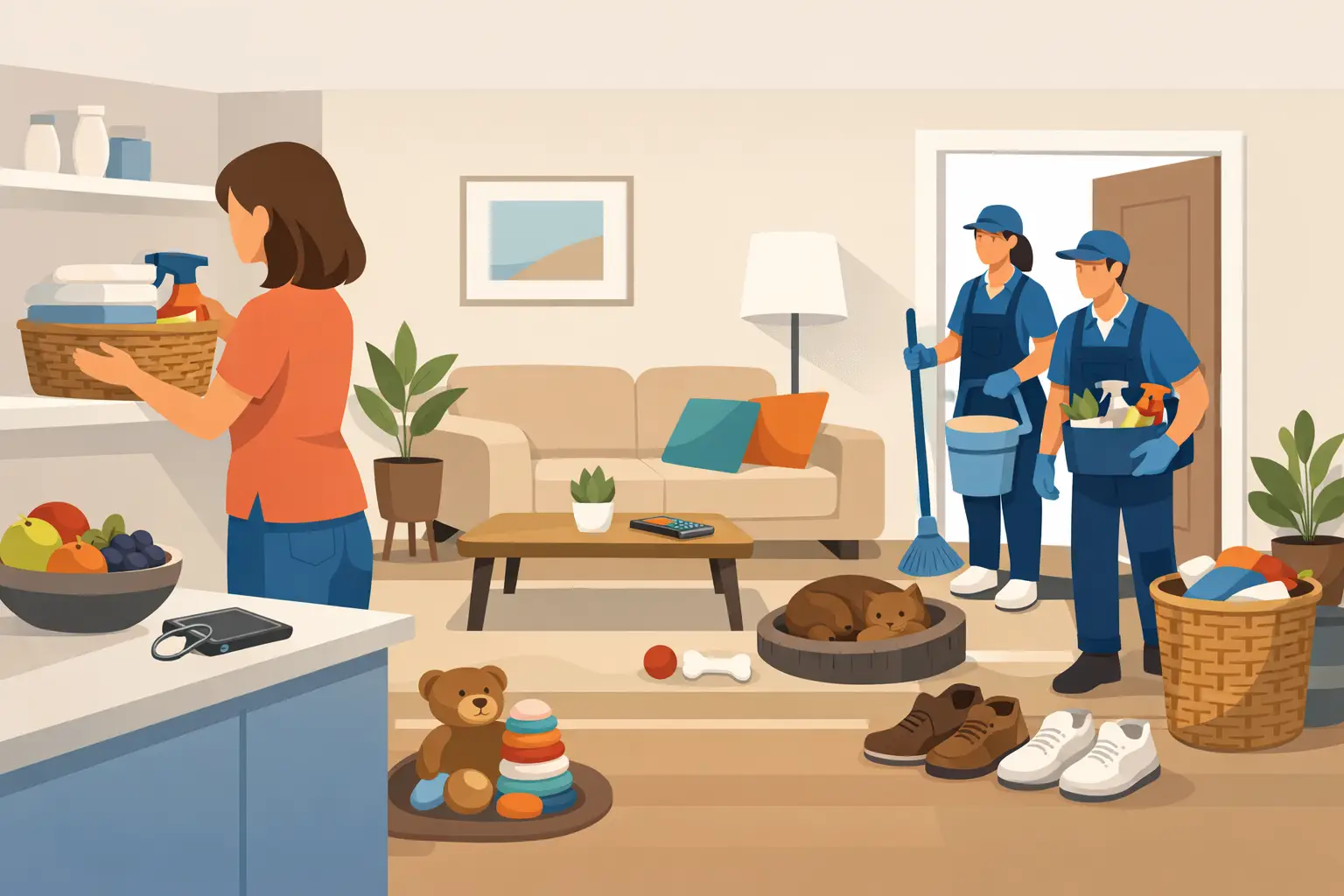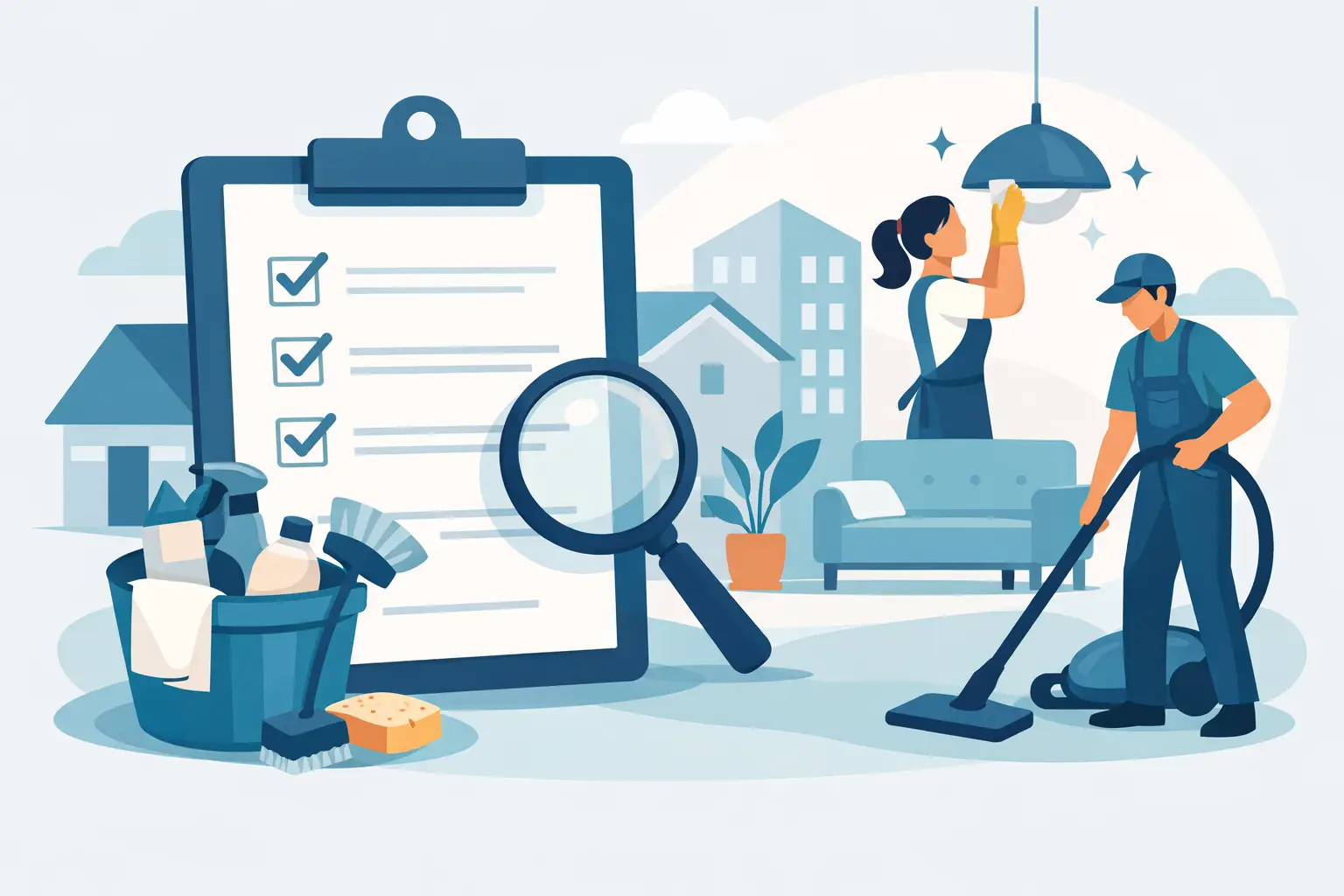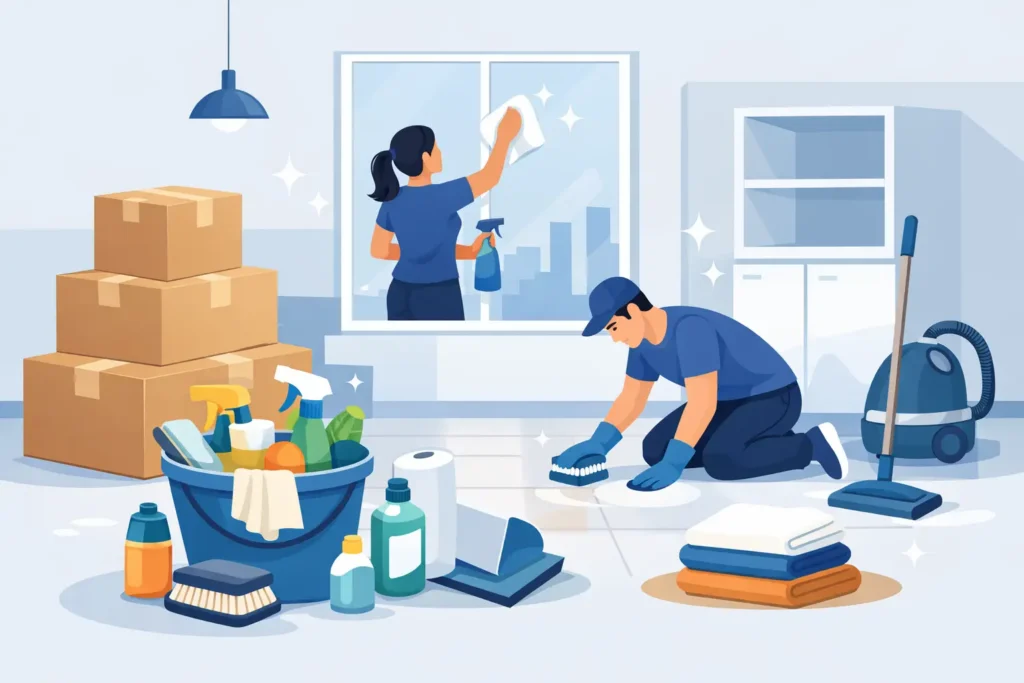
That final week before handing back the keys is where small cleaning misses turn into bond deductions. The best move out cleaning tips are not about scrubbing harder. They are about cleaning in the right order, focusing on inspection hotspots, and leaving the property looking consistently well cared for.
If you are moving out of a rental in Adelaide, or preparing a property for new tenants, the pressure is usually the same. You need a clean home, limited time, and no surprises at inspection. A rushed surface clean rarely gets the job done. A structured approach does.
Why move out cleaning feels bigger than a normal clean
A regular weekly clean is about presentation. End-of-lease cleaning is about detail, condition, and proof that the property has been returned in good order. That changes the standard completely.
Property managers and landlords tend to notice the same things every time. Grease in the kitchen, soap scum in the bathroom, dust on skirting boards, marks on walls, and crumbs or debris inside cupboards all stand out because they suggest the clean was rushed. Even a tidy-looking home can fail inspection if those overlooked areas are not addressed properly.
The other challenge is timing. Moving creates clutter, fatigue, and competing priorities. If the removalists are booked, utilities are being switched over, and keys need to be returned by a set time, cleaning often gets squeezed into whatever hours are left. That is why process matters more than motivation.
Best move out cleaning tips for a faster, better result
1. Empty the property first
This is the tip that saves the most time. Clean after the furniture, boxes, and personal items are gone, not before. Once the property is empty, you can see dust lines, marks, stains, and forgotten rubbish clearly. It also means you are not cleaning the same area twice.
Trying to work around stacked boxes usually leads to missed corners and patchy results. If you need to do any pre-packing cleaning, keep it limited to obvious build-up such as the oven or shower screen.
2. Start high and finish low
Dust falls. That sounds obvious, but it is one of the main reasons people redo rooms unnecessarily. Start with ceilings, vents, tops of cupboards, shelves, blinds, and window tracks before moving to benches, skirting boards, and floors.
This order helps you avoid vacuuming or mopping, then knocking dust straight back onto freshly cleaned surfaces. In a move out clean, efficiency comes from avoiding rework.
3. Prioritise kitchen grease and bathroom build-up
Most final inspections are won or lost in the kitchen and bathrooms. These rooms take the longest because the dirt is usually bonded to surfaces rather than sitting loosely on top.
In the kitchen, focus on the cooktop, splashback, rangehood, oven, cupboard fronts, and inside cupboards and drawers. Grease tends to spread further than people realise, particularly around handles and overhead cabinetry. In the bathroom, deal with soap scum, grout discolouration, taps, mirrors, screens, and the area around the toilet base.
If time is tight, put your effort here first. A spotless bedroom with a grimy oven will not balance things out.
4. Use the right product for the surface
One all-purpose spray can get you through a general tidy-up, but it is not always enough for an end-of-lease clean. Grease, limescale, glass smears, stainless steel streaks, and built-up soap residue all respond better to the right product and the right cloth.
That said, stronger is not always better. Some surfaces can be damaged by harsh chemicals or abrasive scrubbing, especially stone, certain laminates, and older fittings. If you are unsure, test a small hidden area first. A mark caused by the wrong cleaner can be more expensive than the dirt you were trying to remove.
5. Let products dwell before wiping
One of the most practical cleaning habits is giving products time to work. Spray, apply, or soak where needed, then move to another task for a few minutes before wiping or scrubbing. This is especially useful in showers, ovens, toilets, and on greasy kitchen surfaces.
People often waste energy scrubbing immediately when the better option is to let the chemistry do some of the work. It saves time and usually gives a more even finish.
The inspection hotspots people forget
A property can look clean at first glance and still attract a callback because of the details. These are the areas worth checking before you consider the job finished.
Walls, switches and handles
Finger marks around light switches, door frames, and handles are easy to miss because they blend into daily life. During inspection, they stand out. Spot clean marks carefully, especially around high-touch areas. Not every wall mark will come off, and aggressive scrubbing can remove paint, so take a measured approach.
Skirting boards and corners
Dust collects along skirting boards and in room corners, particularly in bedrooms and living areas that have been partially emptied for days. These details signal whether the clean was thorough or surface level.
Cupboards, wardrobes and drawers
Inspectors often open storage spaces. That means crumbs, dust, hair, and sticky residue inside cabinets matter. Wipe shelves, door edges, tracks, and handles. In the kitchen, do not forget the area under the sink.
Windows and tracks
Glass matters, but tracks often matter more. Dirty tracks filled with dust, insects, and grime are a common miss in move out cleans. If the windows are accessible, clean both the glass and the frames. If they are not safely reachable, do not take risks. It is better to address what you can properly than leave avoidable damage or injury.
Floors after everything else
Vacuuming and mopping should be the final step, not the opening move. By the end of the clean, debris from every other task ends up on the floor. Finish with edges, corners, under built-ins, and behind doors.
A realistic room-by-room approach
If the whole property feels overwhelming, break it into zones and complete each room to inspection standard before moving on. That helps maintain momentum and reduces the chance of forgetting half-finished areas.
In bedrooms and living areas, the focus is usually dust, marks, cobwebs, wardrobe interiors, and floors. In kitchens and laundries, it is appliances, cabinetry, sinks, taps, splashbacks, and built-up residue. In bathrooms, it is scale, soap scum, glass, grout, and sanitation. This may sound simple, but the key is consistency. A few polished surfaces cannot compensate for one obviously neglected room.
It also helps to do a final walkthrough in daylight. Artificial lighting hides streaks on glass, dust on ledges, and marks on walls. Natural light shows the finish more honestly.
When DIY works and when it does not
Some move out cleans are manageable without professional help. If the property has been well maintained, the tenancy was short, and there are no major problem areas, a DIY clean can be enough if you allow the time.
But there are situations where doing it yourself becomes risky. Ovens with heavy grease, bathrooms with long-term scale build-up, large family homes, tight handover windows, and properties that need to be presentation-ready for leasing straight away all require more time and labour than many people expect. The cost trade-off is simple. Paying for a professional clean can be cheaper than losing part of a bond or delaying a handover.
For property managers and busy households, reliability matters as much as the clean itself. Clear scope, punctual attendance, and a team that knows what inspections typically pick up can make the whole process easier. That is where a detail-driven service helps, especially when time is short and the standard needs to be consistent.
How to avoid last-minute cleaning stress
The best way to reduce pressure is to treat move out cleaning like a project, not a single task. Lock in your moving date, plan when the property will be empty, gather the right supplies early, and allow more time than you think you need. Almost every rushed clean starts with an optimistic timeline.
If you are arranging cleaners, book as soon as your dates are firm, particularly during busy rental periods. If you are doing it yourself, aim to finish with enough time for a calm final check rather than a frantic dash before key return.
For Adelaide tenants, landlords, and property managers, the most effective move out clean is the one that leaves no obvious questions behind. Clean methodically, focus on the areas that inspections actually target, and do not let visible surfaces distract you from the details. If the property feels fresh, looks consistent, and holds up under a close look, you have done the job properly.