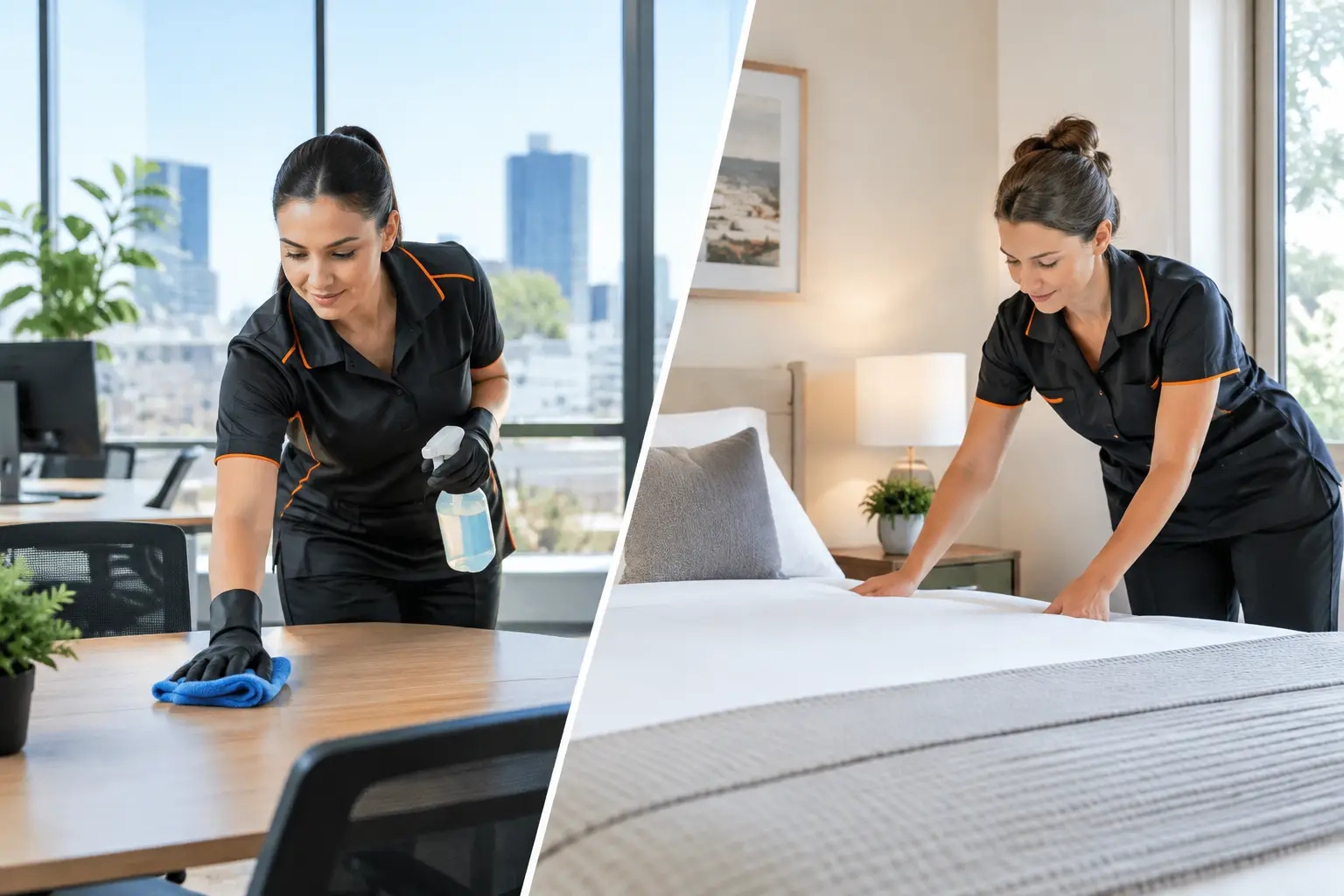
The final walkthrough can be a tense moment: your belongings are gone, the keys are nearly due, and every mark on a wall or crumb in a cupboard suddenly feels significant. This end of lease cleaning guide helps Adelaide tenants focus on the work that matters most, prepare for a smoother inspection and give their bond the best possible chance of being returned without delays.
End-of-lease cleaning is not about making a home look lived-in and tidy. It is about returning it in a condition that reasonably reflects the start of the tenancy, allowing for fair wear and tear. A clean property also makes the handover easier for the next tenant, agent and owner.
What your agent will assess at handover
Start with the documents you already have. Your entry condition report, lease agreement and any cleaning requirements supplied by the property manager are more useful than a generic online checklist. They show the baseline condition of the home and may identify specific inclusions, such as window cleaning, carpet cleaning or pest treatment.
Take fresh, well-lit photos before the final inspection. Photograph each room, inside cupboards, appliances, bathrooms, outdoor areas and any pre-existing damage. These records cannot replace cleaning, but they provide a clear reference if there is a question about the property’s condition later.
Be realistic about the distinction between cleaning and damage. Dust, grease, soap residue and food spills need to be removed. Faded paint, worn carpet paths, ageing sealant and fixtures that have failed through normal use may not be cleaning issues. If you are unsure, raise the concern with your property manager before handover rather than attempting a rushed repair that makes the problem worse.
End of lease cleaning guide: plan before you scrub
A rushed clean usually misses the areas that inspectors notice first. Set aside enough time to clean after furniture has been removed, when you can reach skirting boards, wardrobes and the space behind appliances. For a small, well-maintained unit, that may be a full day. Larger homes, properties with pets or homes with built-up kitchen and bathroom grime can take considerably longer.
Read any requirements for professional services early. Some leases or agents request receipts for carpet steam cleaning or pest control, particularly where pets have been kept. Do not assume this applies to every tenancy, but do not leave it until the day keys are due. Book qualified providers early and keep invoices ready to send if requested.
Work from dry areas to wet areas, and from high surfaces to low. Start with ceiling corners, vents, light fittings and walls, then move to benches, cupboards and floors. This prevents dust and debris from settling on surfaces you have already cleaned. Use products suited to the surface, especially on natural stone, timber, stainless steel and painted finishes. Strong chemicals may remove grime, but they can also dull a surface or damage sealant.
Clean room by room, not by product
Moving methodically through each room is more reliable than carrying one spray bottle through the whole property. Once a room is complete, close the door or make a note so it is not overlooked during the final rush.
- Kitchen: Degrease the cooktop, rangehood filters, splashback, oven, trays and racks. Clean inside every cupboard and drawer, including handles and edges. Pull out movable appliances where practical, then remove food crumbs and grease from the floor, wall and bench areas behind them. Empty and wipe the dishwasher filter, microwave and refrigerator if they are included with the property.
- Bathroom and laundry: Remove soap scum from shower screens, tiles, taps and drains. Pay close attention to mould around silicone, grout and window frames. Clean the toilet thoroughly, including the base, hinges and exterior, then wipe vanity drawers, mirrors, exhaust fans and laundry troughs. Check that drains are clear of hair and lint.
- Bedrooms and living areas: Vacuum carpets slowly, including edges and inside wardrobes. Wipe skirting boards, door frames, switches, power points and window sills. Remove cobwebs from corners and dust ceiling fans carefully. Spot-clean walls only with a suitable method, as aggressive scrubbing can leave visible patches or strip paint.
- Windows and tracks: Clean glass on both accessible sides, then vacuum or wipe window tracks, flyscreens and sills. Window tracks often hold a surprising amount of dust, dead insects and grit. If exterior windows are high or difficult to reach safely, arrange professional window cleaning rather than taking risks with ladders.
- Outdoor areas: Sweep balconies, patios, paths and the garage. Remove personal items, rubbish and pet waste, and clear leaves from accessible drains. Mow, edge or weed gardens only where this is part of your tenancy responsibility. Take care not to alter established gardens or use chemicals that may harm plants.
The details that commonly hold up a bond
Most end-of-lease cleaning disputes are not caused by one dramatic problem. They come from small areas that are easily missed when the property looks clean at a glance. Oven grease, rangehood filters, shower screens, dusty blinds, flyscreens, skirting boards and cupboard interiors regularly need a second look.
Odours deserve the same attention. Empty bins, remove food from the fridge and wipe internal surfaces, including seals and drawers. Open windows while cleaning where possible, particularly after using bathroom products. Air freshener may mask a smell briefly, but it will not resolve the source of odours from rubbish, drains, pets or damp fabric.
Carpets require a considered approach. Vacuuming is essential, but it is not the same as steam cleaning. If a professional carpet clean is required, schedule it after removalists have finished and before the inspection. Avoid walking across damp carpet, and allow enough drying time. For stains, test any treatment in a hidden area first. Some old stains cannot be safely removed without specialist treatment, and excessive rubbing can cause permanent damage.
DIY or professional end-of-lease cleaning?
A DIY clean can work well when the property has been consistently maintained, you have sufficient time and you are comfortable handling detailed work. It may also be the practical choice if you are staying local and can return to address any minor feedback from the agent.
Professional help is often worthwhile when time is tight, the property is large, there is heavy grease or mould buildup, or you are relocating out of Adelaide. It can also reduce the pressure of coordinating carpet, window and general cleaning around removalists. The key is to choose a provider with clear scope, trained staff and a satisfaction process, rather than selecting solely on the lowest quote.
If you use a cleaning service, provide the property manager’s checklist and advise of any areas that need extra attention. Confirm what is included before the booking, especially oven cleaning, wall marks, blinds, exterior windows, carpet cleaning and outdoor work. A professional clean is not a substitute for removing all belongings and rubbish, so make sure the property is empty and accessible before the team arrives.
Spiffi Cleaning provides detail-focused move-out cleaning for tenants who want a reliable, inspection-ready result without spending their final days in the property scrubbing cupboards and shower screens.
Prepare for the final inspection
On handover day, do one slow walk through with the lights on. Open every cupboard, drawer and wardrobe. Check the oven, dishwasher, fridge space, laundry, bins, garage and letterbox. Flush toilets, run taps briefly and make sure no cleaning cloths, keys or personal items have been left behind.
Take a final set of photos after cleaning, then return keys according to the agent’s instructions. Keep copies of cleaning receipts, invoices and communication until the bond has been finalised. If the agent identifies an issue, ask for clear details and photos so you can understand what needs to be addressed.
A calm, methodical handover starts days before the inspection. Give yourself enough time, clean to the condition report rather than guesswork, and bring in experienced help when the workload is more than your move allows.