A clean office is not simply a nicer place to work. It affects how staff feel at their desks, how visitors judge your business and how easily germs, dust and clutter can build up in shared spaces. This Adelaide office cleaning requirements guide helps office managers, business owners and facilities teams set standards that are practical, consistent and suited to their workplace.
Cleaning requirements are rarely identical from one office to the next. A small professional practice with six staff has different priorities from a busy multi-storey workplace, customer-facing showroom or office with kitchens, shower facilities and high visitor traffic. The right plan starts with the risks and routines inside your premises, then puts clear responsibilities around them.
Adelaide Office Cleaning Requirements: Start With Your Workplace
Before choosing a cleaning frequency or provider, walk through the office as staff and visitors use it. Look beyond visible dust. Note where people touch surfaces, where waste accumulates, where food is prepared and where a poor standard would interrupt work or create an unprofessional impression.
For most offices, cleaning requirements should cover workstations and shared desks, meeting rooms, reception, kitchens or tea points, bathrooms, corridors, lifts, entry areas and rubbish removal. Windows, internal glass, carpets, upholstery and high dusting may sit on a less frequent schedule, but should still be part of the scope.
The details depend on your operation. A reception area that sees clients all day may need attention daily, while a back-office meeting room used twice a week may not. Hybrid work can also change the pattern. Fewer people in the office on some days does not remove the need for cleaning, but it may allow the schedule to focus on peak attendance days and shared facilities.
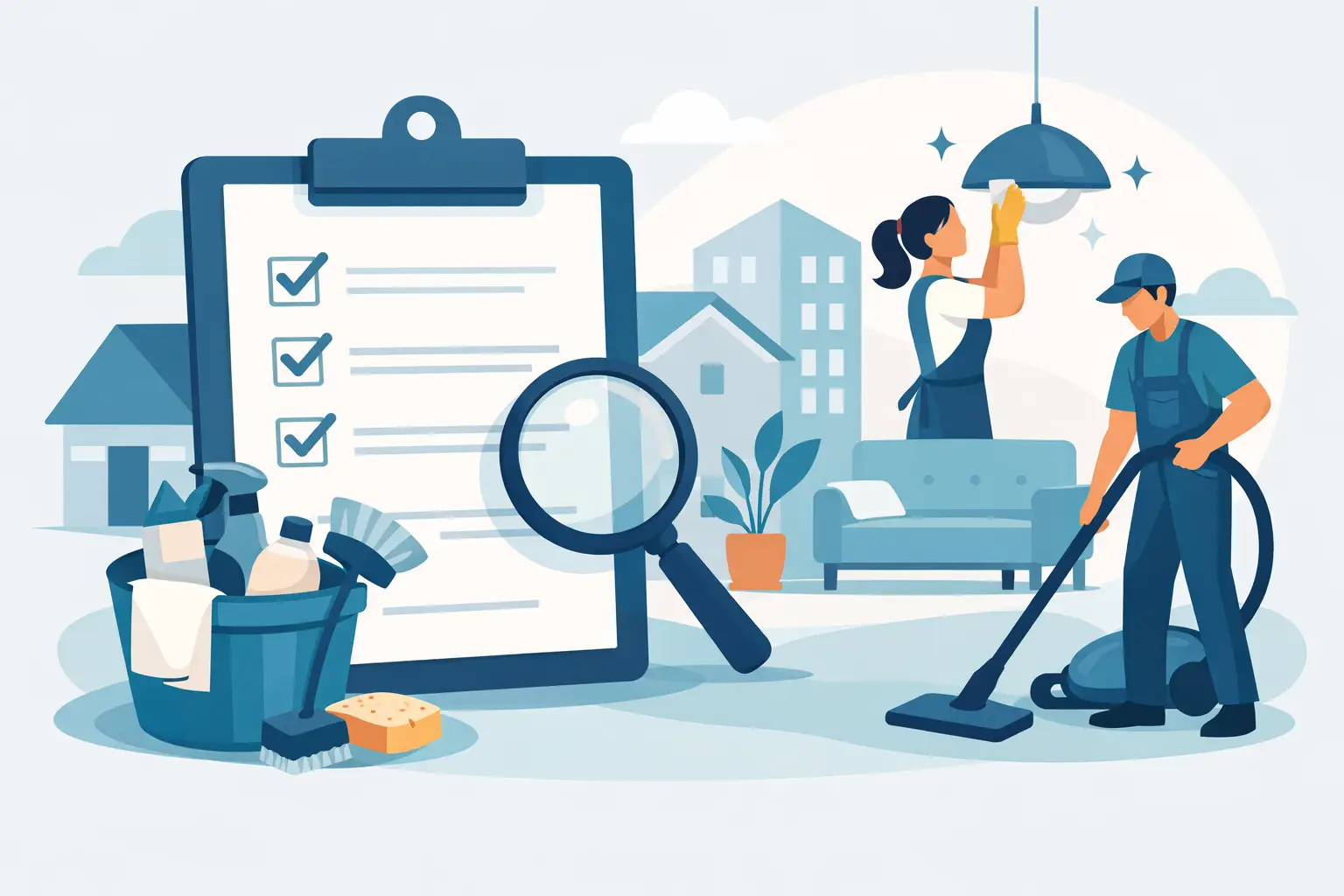
A useful scope records each area, the required task, the frequency and the expected finish. “Clean kitchen” is open to interpretation. “Wipe and disinfect bench tops, clean sink and tapware, remove rubbish, wipe appliance exteriors and mop floor” is measurable.
Meet Your Health, Safety and Hygiene Duties
Employers and people managing workplaces have duties under South Australian work health and safety laws to provide a workplace that is safe, so far as is reasonably practicable. Cleaning is one part of meeting that responsibility. It helps control common risks such as slips, poor indoor hygiene, pest attraction, mould and unsafe waste handling.
This does not mean every office needs a hospital-style cleaning programme. The standard should be proportionate to the risk. A general office may need thorough routine cleaning and targeted disinfection of high-touch points. A medical clinic, aged care setting or workplace with food preparation has more stringent hygiene controls and may require specialised products, procedures and staff training.
Bathrooms deserve particular attention. They should be cleaned often enough to remain sanitary throughout normal operating hours, with supplies such as soap, toilet paper and hand-drying materials checked and replenished. Floors must be left dry or clearly signed while drying to reduce slip risks.
Kitchens and lunchrooms also need a clear division of responsibility. A cleaner can maintain floors, benches, sinks and waste areas, but staff should still wash their own dishes, label food and remove spoiled items from fridges. When no one owns these everyday habits, even a well-cleaned kitchen can quickly become unpleasant.
Use Products and Methods That Suit the Task
Cleaning and disinfecting are not the same job. Cleaning removes dirt, grease and residue. Disinfecting uses an appropriate product and contact time to reduce germs on surfaces. In most office environments, routine cleaning plus disinfection of frequently touched shared surfaces is a sensible approach.
High-touch points often include door handles, lift buttons, light switches, tap handles, fridge handles, shared phones, printer controls, meeting-room remotes and reception counters. The required frequency depends on use. A busy customer-facing entry may need touchpoint cleaning more than once a day, whereas a low-traffic office may not.
Products should be fit for purpose and used according to their instructions. Stronger chemicals are not automatically better. Incorrect products can damage screens, stone surfaces, timber finishes or sensitive equipment, and poor handling can create respiratory or skin risks. Eco-friendly products can be a good choice where they still meet the hygiene standard required for the surface and setting.
Set a Schedule That Holds Up in Real Life
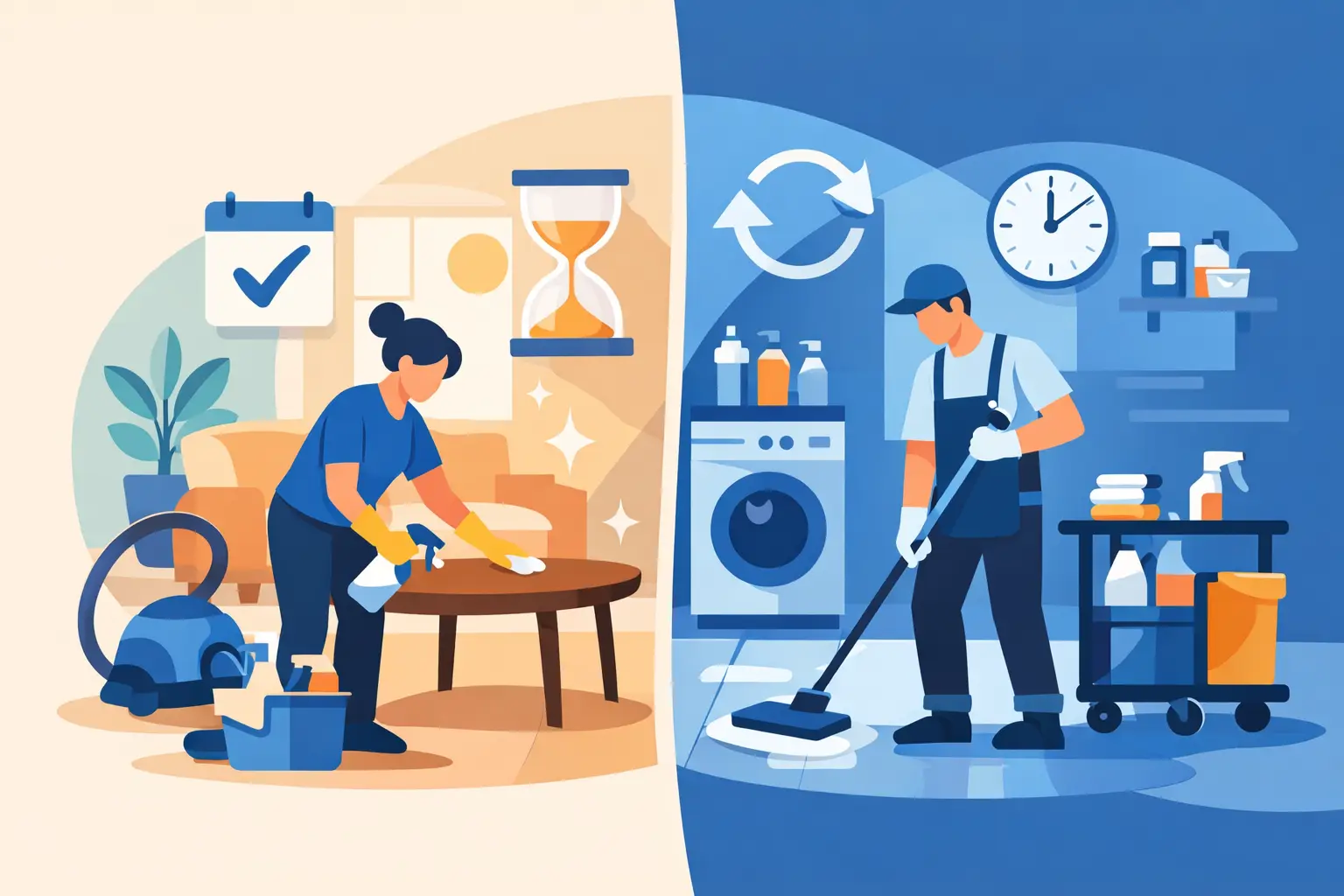
A reliable office cleaning schedule separates daily tasks from periodic work. This avoids the common problem of a cleaner doing visible basics while less obvious jobs, such as skirting boards, vents, internal glass or carpet edges, are overlooked for months.
Daily or each-service tasks typically include vacuuming or mopping traffic areas, emptying bins, cleaning bathrooms, maintaining kitchens, wiping shared surfaces and tidying reception and meeting spaces. Depending on foot traffic, some offices need service every weekday, while smaller teams may be well served by two or three visits per week.
Weekly and monthly tasks can cover detailed dusting, spot-cleaning walls and doors, cleaning internal glass, wiping chair bases, sanitising bins and removing built-up grime around fixtures. Periodic work may include carpet steam cleaning, upholstery cleaning, high dusting, external or difficult-access window cleaning and deep cleans after events, fit-outs or illness outbreaks.
The best frequency is not always the cheapest option on paper. Reducing visits can lower the invoice, but may lead to overflowing bins, neglected bathrooms, complaints from staff or a rushed catch-up clean later. On the other hand, paying for daily full cleans in a lightly used office may not be necessary. A site assessment helps match the service to actual use rather than guesswork.
Make Security and Access Part of the Requirement
Office cleaning often happens before opening, after closing or while teams are working quietly at their desks. That makes security, conduct and communication as important as the cleaning checklist.
Your provider should be clear about who will access the premises, how keys, alarm codes or swipe cards are managed, and what happens if a cleaner cannot attend. Police-checked staff, documented access procedures and a consistent team can provide greater peace of mind, particularly where client files, devices or confidential information are present.
Agree on practical site rules before the first service. These may include restricted rooms, alarm instructions, visitor sign-in processes, parking arrangements, waste collection points and procedures for incidents such as spills, damage or lost property. If cleaners work outside business hours, nominate one contact who can respond to urgent access or safety questions.
A professional cleaner should also use suitable equipment, maintain safe chemical storage and display wet-floor signage when needed. Cords, vacuums and trolleys should never block emergency exits, stairs or walkways.
Build Quality Checks Into the Service
A checklist matters, but it is not enough on its own. Office cleaning stays consistent when there is an easy way to inspect results, raise concerns and have issues corrected promptly.
Ask for a written scope that states inclusions, frequency, exclusions and any add-on services. It should also make clear whether consumables such as bin liners, soap and paper products are supplied by your business or managed by the cleaner. Transparent quoting prevents surprises and makes it easier to compare providers fairly.
For larger offices, a site-specific checklist and periodic supervisor inspection are worthwhile. For smaller workplaces, a short monthly review with the cleaner may be enough. The goal is not to create unnecessary administration. It is to identify patterns early, such as bathrooms running low on supplies, a meeting room being missed or carpet marks needing specialist treatment.
When choosing a provider, look for accountability as well as price. Trained, vetted staff, clear arrival windows, appropriate insurance, quality equipment and a genuine re-clean process are signs that a service is designed for consistency. Spiffi Cleaning approaches office cleaning with this kind of practical, detail-focused structure, helping businesses maintain a professional standard without adding another daily task to the office manager’s list.
When an Office Needs More Than Routine Cleaning
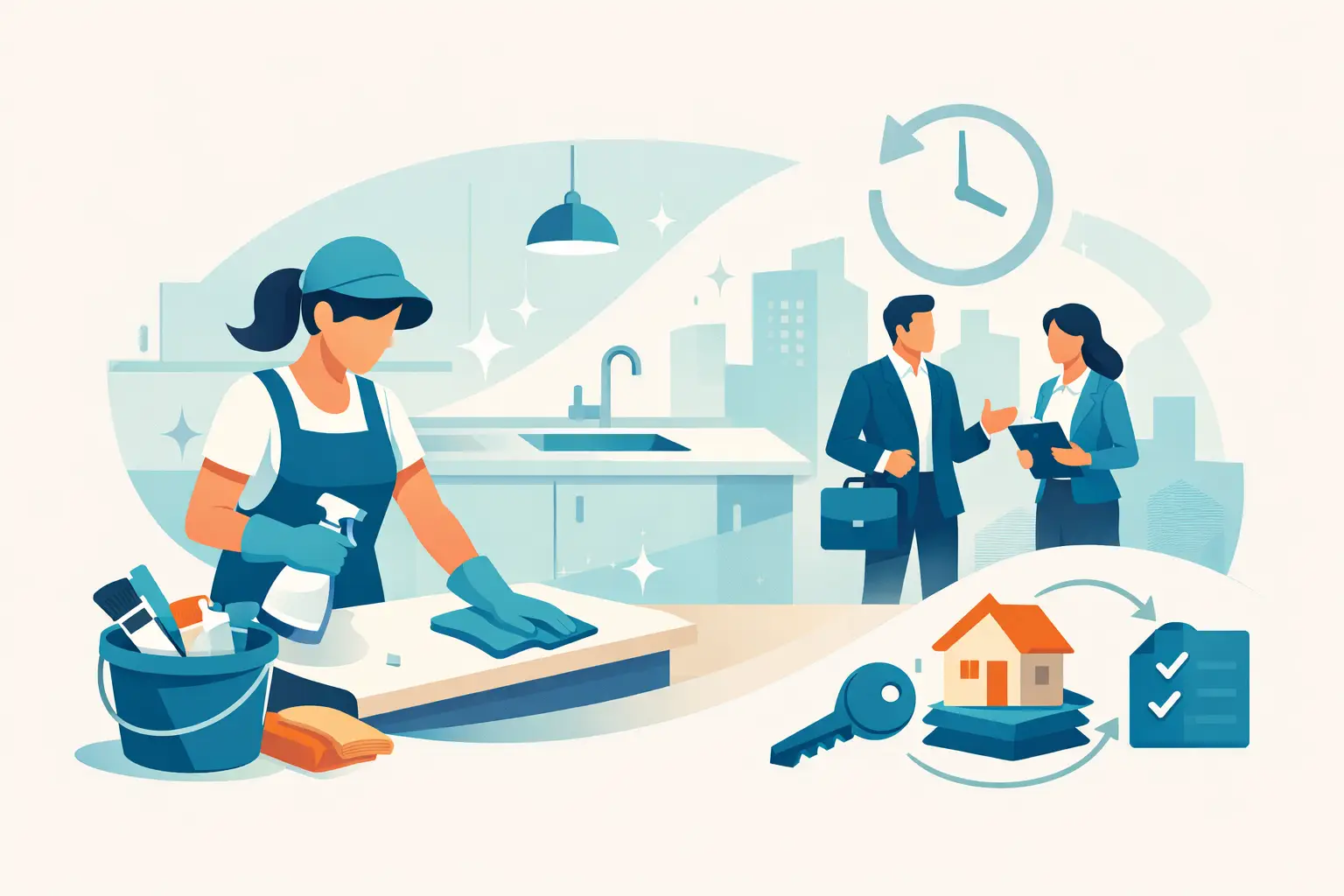
Routine service keeps a workplace presentable, but certain situations call for a deeper or specialised clean. Post-construction dust can settle into vents, frames and carpet fibres. A move into a new tenancy may reveal grime left behind by previous occupants. Water leaks, mould, pest activity and illness-related concerns need a prompt response that addresses the source as well as the visible mess.
Medical and clinic settings require their own cleaning protocols, including careful attention to treatment areas, touchpoints, waste streams and infection-control expectations. Do not assume a standard office package covers these needs. Be specific about the type of premises so the cleaning plan, products and staff capability can be matched correctly.
A well-run cleaning service should make the office feel quietly cared for. Staff should notice clean bathrooms, fresh shared spaces and clear floors without having to chase missed tasks. Set the standard clearly, review it occasionally and choose a partner who treats your premises with the same care you expect from your own team.