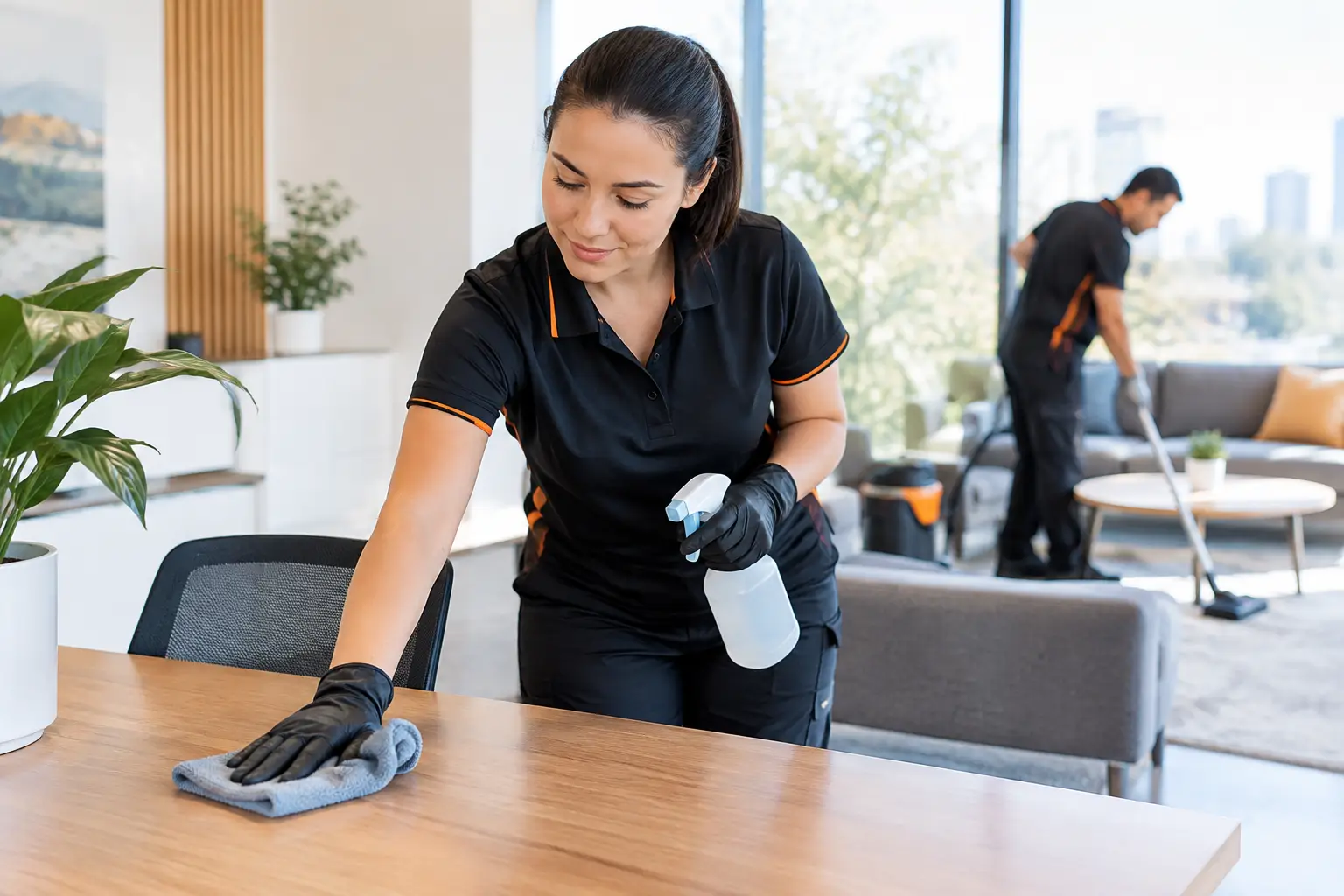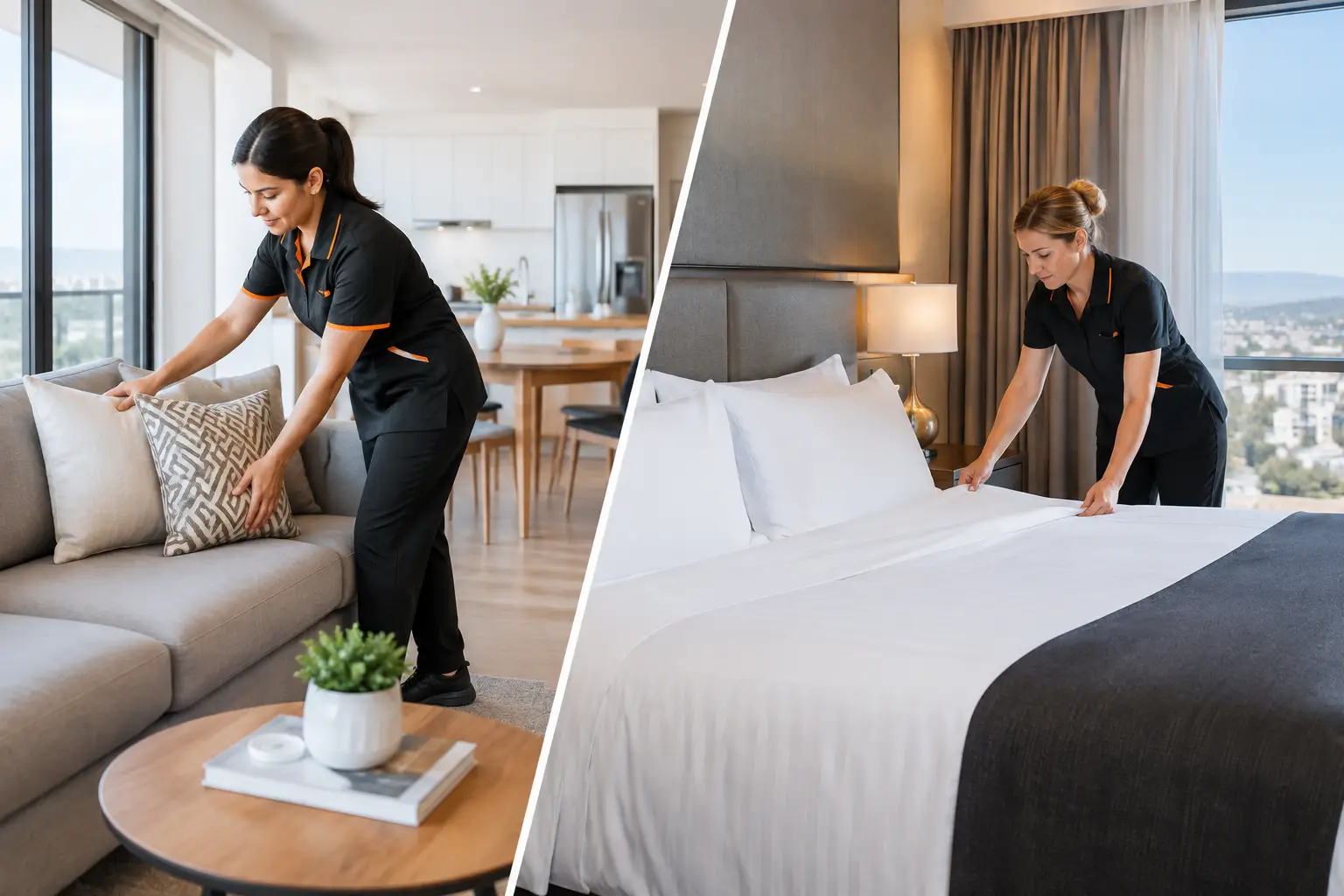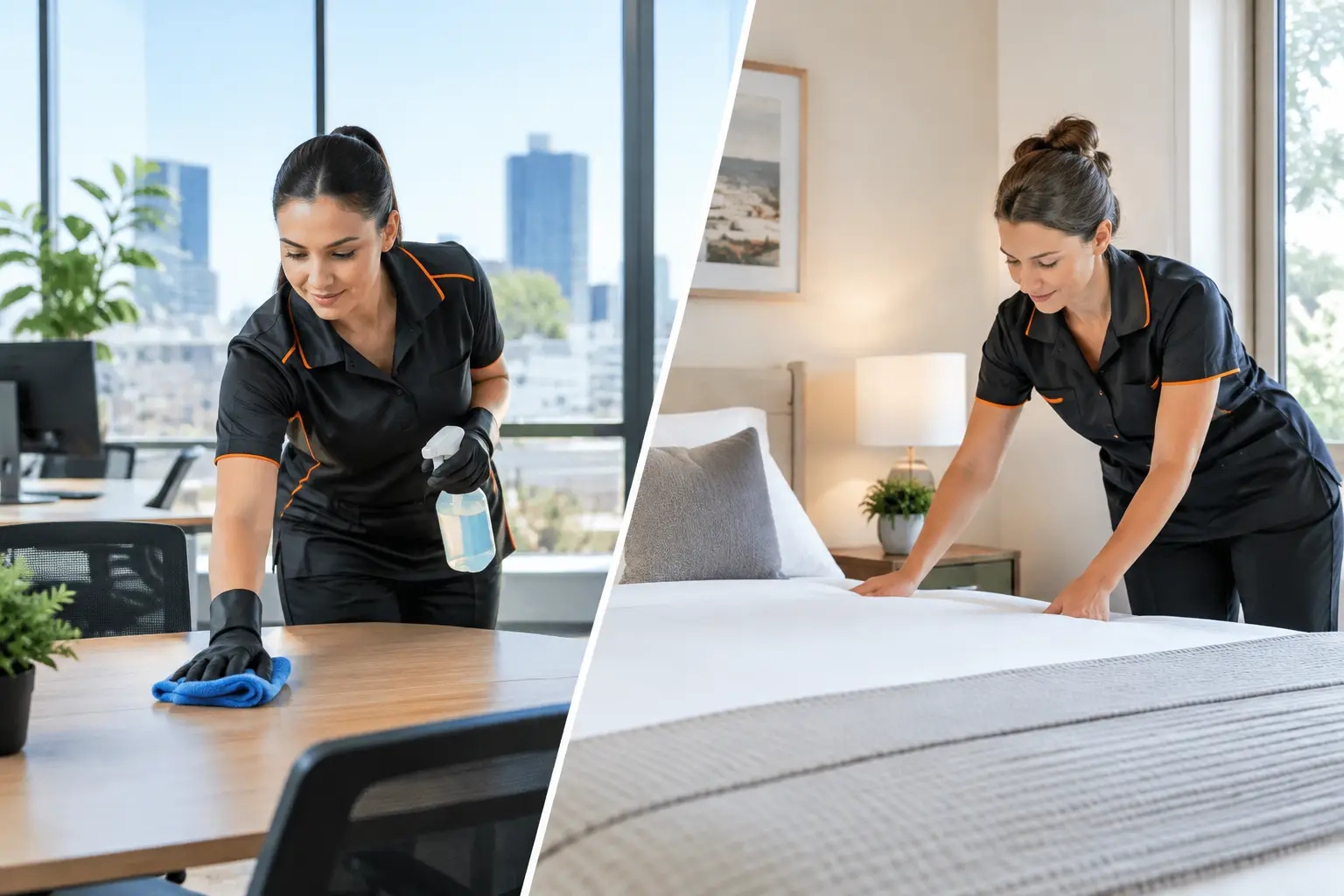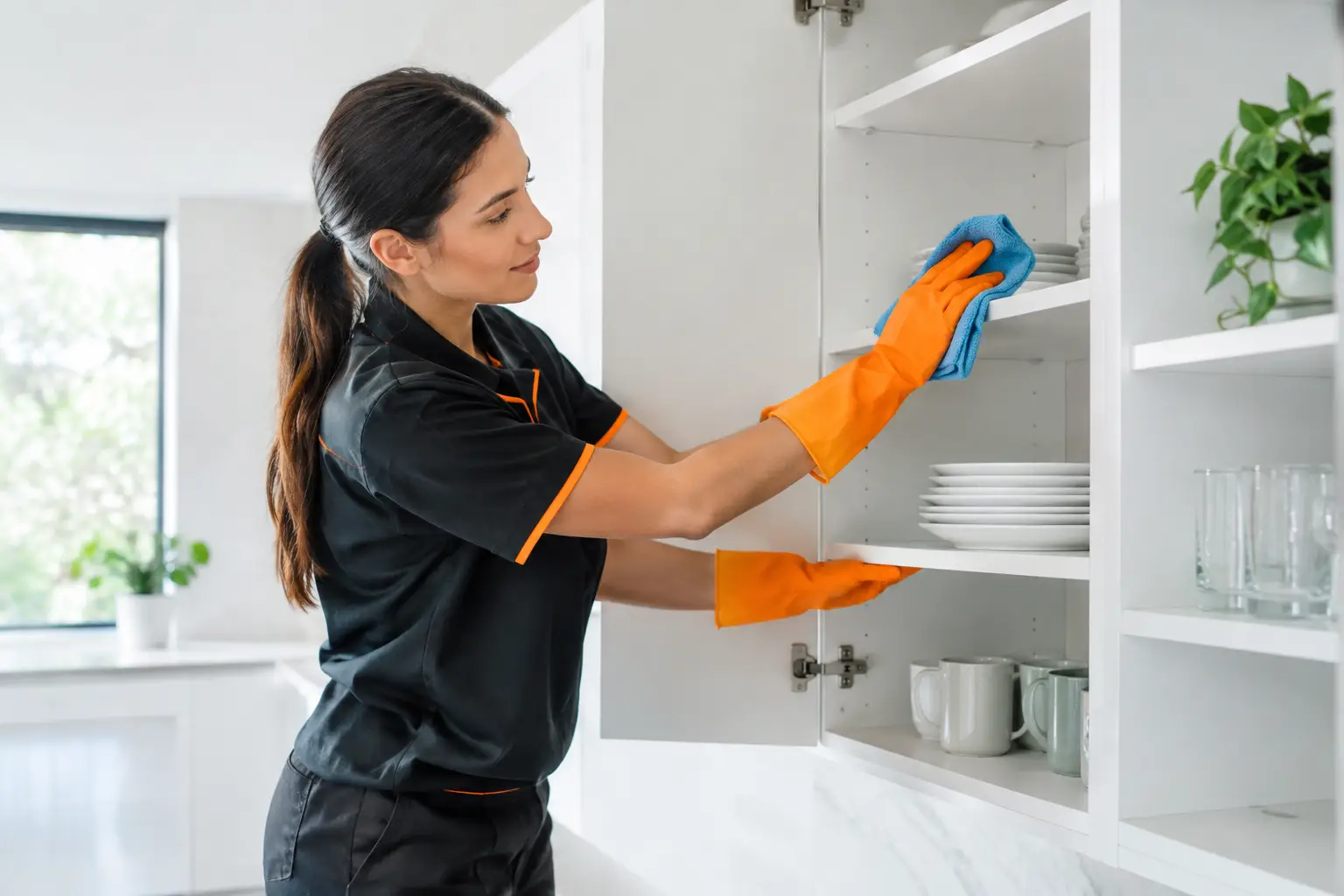
A guest may never comment on a freshly cleaned handrail, spotless toilet cubicle or fingerprint-free front door. They will notice when those things are missed. In hospitality, cleanliness is part of the experience from the moment someone walks in. This hospitality cleaning guide is built for venue managers who need practical routines that hold up during busy service, late finishes and changing staff.
A clean venue does more than look presentable. It helps guests feel comfortable, supports staff pride and gives managers fewer complaints to chase. The key is not simply cleaning more often. It is having a clear plan for the right areas, at the right time, with someone accountable for the result.
Start with the guest journey
The best cleaning plan follows the path a guest takes through your venue. Walk through the front entrance as if you were arriving for the first time. Look at the glass, door handles, flooring, signs, counters and seating from their point of view. These are the details that set expectations before a guest has ordered, checked in or spoken to a staff member.
From there, move through bathrooms, dining or waiting areas, corridors, lifts, function spaces and outdoor entry points. Back-of-house areas matter too, but they need a different cleaning schedule because guests do not see them in the same way.
This walk-through helps separate jobs into three practical groups: tasks needed throughout the day, tasks completed after service, and deeper work scheduled weekly or monthly. Without that split, teams often focus on what is obvious while dust, build-up and missed touchpoints slowly become a problem.
Build a hospitality cleaning guide around frequency
A useful hospitality cleaning guide should be specific enough that a new staff member can follow it without guessing. “Clean bathrooms” is too vague. A better instruction sets the standard: remove rubbish, replenish supplies, clean and disinfect high-touch points, wipe partitions, clean basins and taps, check floors, and record completion.
During service: protect the first impression
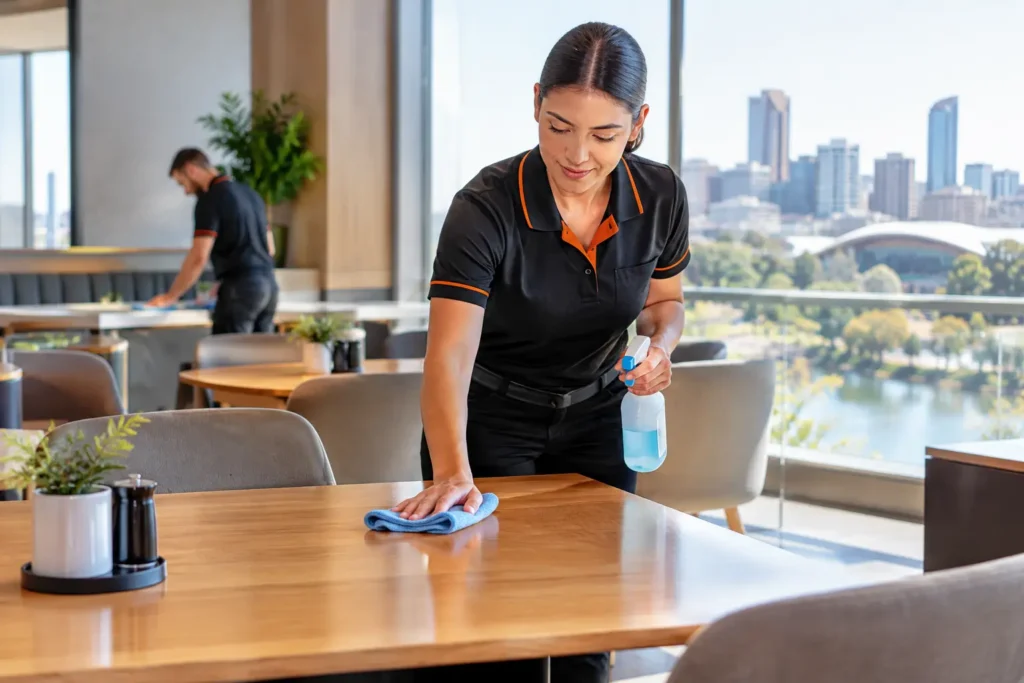
During operating hours, staff need short, repeatable checks that do not disrupt guests. Entrance glass, tables, benches, menus, counters, payment terminals, door handles and bathroom touchpoints may need attention several times a day. The right frequency depends on foot traffic, weather and the type of venue.
For example, a quiet boutique accommodation site may need periodic checks, while a busy café or function venue may need a visible floor and bathroom check every hour. Do not set a schedule that looks good on paper but cannot be completed during peak periods. Assign the task to a role and allow enough time to do it properly.
After service: reset the venue properly
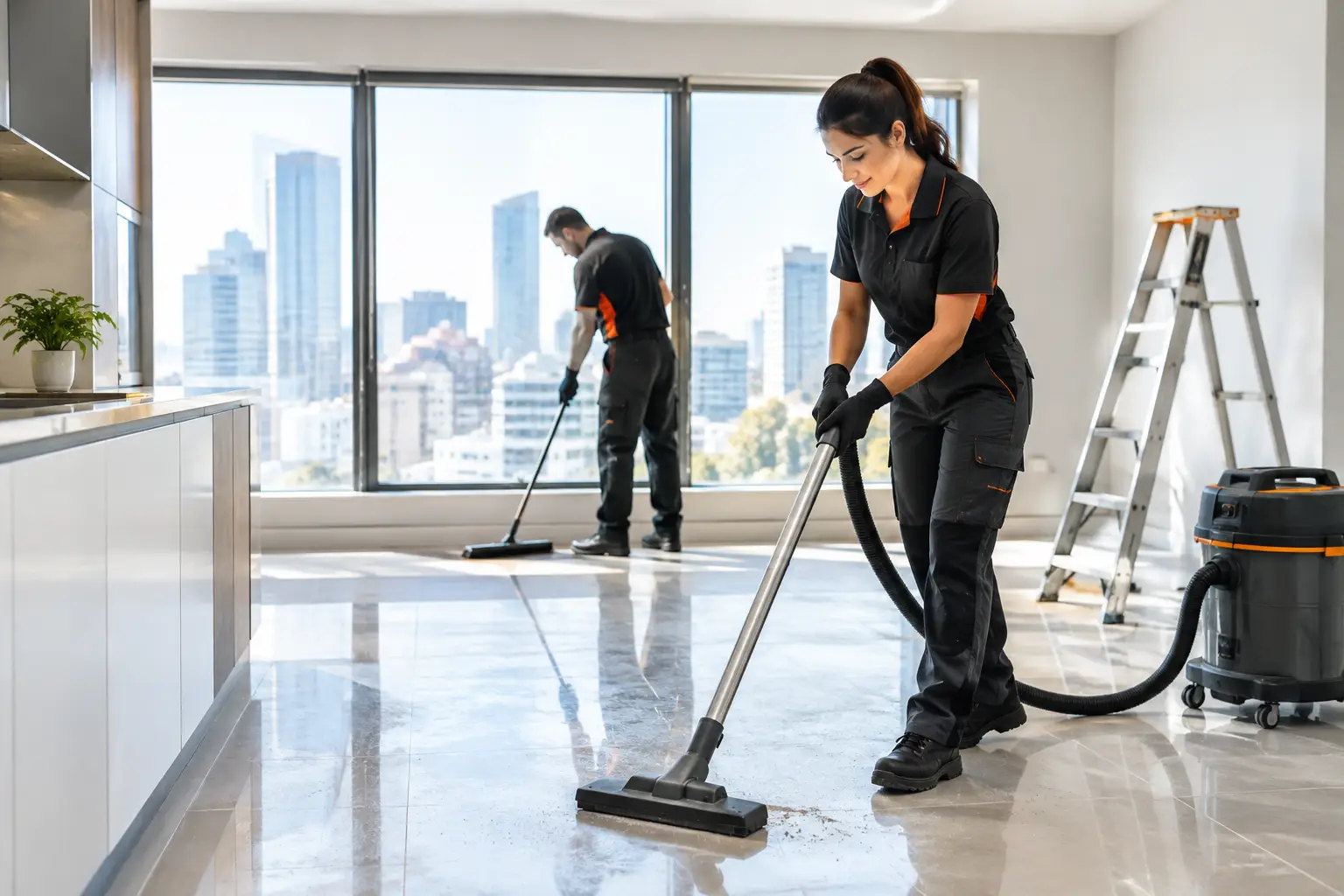
End-of-day cleaning is where standards are either protected or allowed to slip. Floors need more than a quick pass if spills, tracked-in dirt or food debris have built up. Tables, chairs, skirting, ledges and bins should be checked, not assumed clean because the main surfaces have been wiped.
Bathrooms should be fully reset, with supplies replenished for the next shift. Cleaning cloths and mop heads need to be changed or laundered according to their use. Reusing soiled equipment across different areas is an easy way to spread dirt and odour rather than remove it.
In many Adelaide venues, after-hours commercial cleaning is the most practical option. It gives cleaners space to work safely and thoroughly without moving around customers or interrupting staff as they close down.
Weekly and periodic work: deal with what daily cleaning misses
Daily cleaning maintains presentation. Periodic cleaning prevents the gradual decline that guests notice over time. This includes detailed cleaning of grout, lower walls, chair legs, vents, light switches, high ledges, upholstery, windows and hard-to-reach corners.
The exact cycle will vary. A waterfront venue can face salt residue on glass and exterior surfaces. A busy inner-city site may deal with dust, footpath grime and heavy use of common areas. Carpeted spaces may require regular vacuuming plus scheduled deep cleaning to remove embedded soil. Hard floors may need machine scrubbing or polishing at intervals based on wear.
Give bathrooms their own standard
Bathrooms are often where guests decide whether a venue is genuinely clean. They should never be treated as a quick add-on at the end of a shift. The standard needs to cover appearance, odour and supplies.
A bathroom can look tidy but still feel neglected if bins are full, taps are marked, soap dispensers are empty or floors are damp around basins. Conversely, harsh fragrance is not a substitute for cleaning. It can make guests wonder what is being covered up.
Use a simple checklist for each bathroom visit. Check toilet paper, hand soap, paper towel or hand dryers, bins, basins, mirrors, taps, door locks and floors. Keep records where appropriate, especially in venues with high visitor numbers or shared facilities. A signed checklist is useful only if staff are supported to act when they find a problem.
Keep food and guest areas separate
Cleaning equipment should be organised by area and purpose. Colour-coded cloths and mop heads are a straightforward way to reduce mix-ups between bathrooms, kitchens, service areas and general floors. Store equipment clean, dry and away from food or guest supplies.
For food service spaces, follow your venue’s food safety procedures and use products appropriate for the surface and task. Cleaning removes visible soil. Sanitising is a separate step where required. Staff should understand the difference, including the contact time a product needs to work. Rushing the process can leave surfaces looking clean without meeting the intended hygiene standard.
Be careful with product choice. Strong chemicals are not always the best answer, particularly around guests, sensitive surfaces or enclosed spaces. Eco-friendly products can be a sensible option when they are selected for the job and used correctly. The focus should be effective cleaning, clear safety information and a result staff can maintain.
Make cleaning easy to manage
The most reliable hospitality cleaning systems are not complicated. They make expectations visible. A daily schedule, a site-specific checklist and a clear escalation process will usually achieve more than a long policy document stored in a drawer.
Each task should state who is responsible, when it is due and what “done” looks like. If there is a spill, leak, broken dispenser or recurring odour, staff need to know who to tell and how quickly it will be addressed. This matters just as much when an external cleaning provider is involved.
A good provider should conduct regular quality checks, communicate early if access is an issue and use consistent, trained staff wherever possible. For venues that hold keys, alarm codes or operate outside normal hours, security and trust are part of the service. Police-checked staff, clear access procedures and a reliable point of contact give managers confidence that the work will be completed without creating another job for the team.
Train for standards, not just tasks
A checklist cannot replace practical training. Show staff what a properly cleaned surface looks like, where grime commonly collects and how to avoid cross-contamination. Encourage them to report issues rather than hide them. A missed mark on a mirror is easy to fix. A pattern of missed areas needs a conversation about process, time or equipment.
Managers should also inspect at different times. A venue can look excellent at opening and still fall below standard after a busy lunch, event or wet afternoon. Short inspections during real operating conditions reveal whether the schedule is working.
Take photos of recurring issues where useful, especially before and after periodic cleaning. They make it easier to set expectations with staff or contractors and help track whether changes are improving the result.
Review the plan when the venue changes
Cleaning requirements shift with seasons, functions, renovations, staffing changes and increased trade. A routine that worked six months ago may no longer match the site. Review the plan after a major event, a complaint trend or a change in layout.
Ask a simple question: where are guests most likely to notice a drop in standards? Start there, then work back through the cleaning schedule. The aim is not perfection for its own sake. It is a venue that feels cared for every time guests arrive, while your staff can focus on providing good service rather than catching up on preventable cleaning issues.
For Adelaide hospitality operators, a clear routine and a dependable cleaning partner can turn cleaning from a daily worry into one less thing to manage.