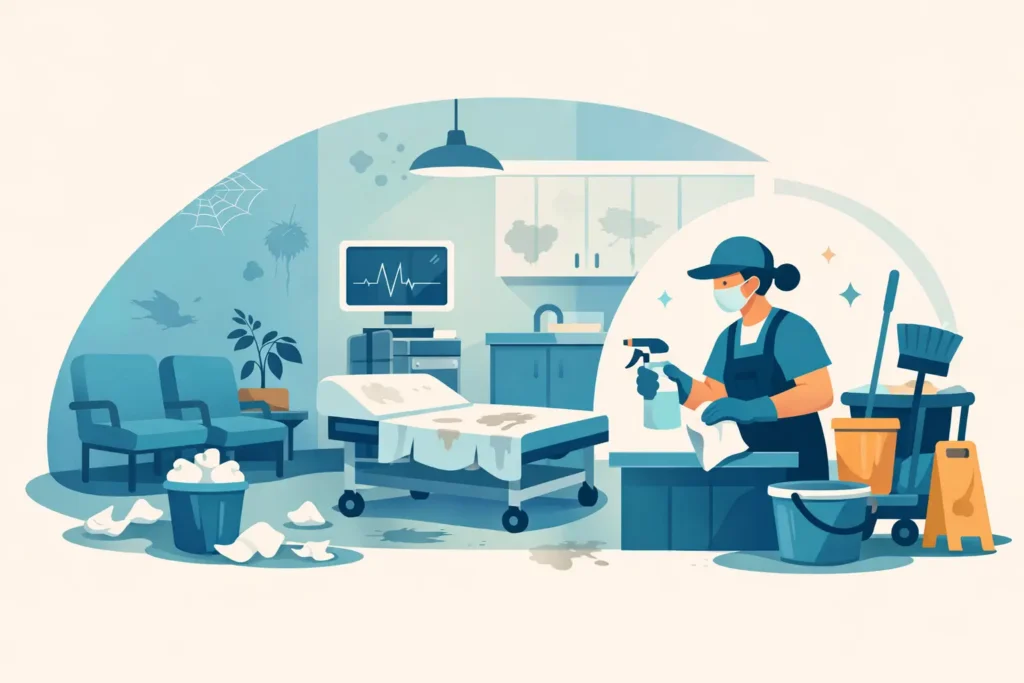
A smudge on the reception counter, a full clinical waste bin or a stale smell in the waiting room might seem minor during a busy day. Yet these are often the top signs your clinic needs cleaning more thoroughly or more often. For patients, cleanliness is not a background detail. It shapes whether they feel safe, respected and comfortable from the moment they walk through the door.
In a medical, dental, allied health or specialist practice, cleaning supports more than presentation. It helps maintain hygienic shared spaces, protects your team’s working environment and gives patients confidence in the care they are about to receive. Here are the signs worth acting on before they become part of your clinic’s reputation.
1. Your reception area looks tired between cleans
Reception is where patients form their first impression. Fingerprints on glass doors, dust on brochure stands, marks around the EFTPOS terminal or rubbish near chairs can make a well-run clinic feel neglected. This is especially noticeable in high-traffic practices where parents, patients, couriers and staff move through the space all day.
A weekly clean may be enough for a quiet consulting room, but it will not necessarily suit a busy reception area. The right frequency depends on patient volume, opening hours, the type of services you provide and the weather. Adelaide’s wet winter days can quickly bring in dirt, leaves and moisture from footpaths, while dry periods can leave dust on floors and surfaces.
2. High-touch surfaces are visibly marked or inconsistently cleaned
Door handles, lift buttons, chair arms, reception counters, payment terminals, light switches and shared pens are touched constantly. When these surfaces look marked, sticky or dull, it suggests they may not be receiving consistent attention.
Visible residue is not the only concern. A surface can look clean while still being missed in the daily routine. A professional clinic cleaning schedule should clearly identify high-touch points and set out how often they are cleaned and disinfected using products suitable for the surface and setting. This creates accountability rather than relying on someone remembering at the end of a long shift.
3. There are odours that staff have stopped noticing
Persistent odours are one of the clearest signs that routine cleaning is not reaching the source. The cause may be rubbish bins, bathrooms, carpet spills, damp mops, upholstery, air-conditioning vents or a neglected kitchenette. Staff can become used to a smell over time, but patients who enter the clinic for the first time will notice it immediately.
Air fresheners can temporarily cover an odour, but they do not resolve it. The practical answer is to identify the source, clean it properly and review whether bins, floors or amenities need more frequent servicing. In some cases, a periodic deep clean is needed alongside regular maintenance cleaning.
4. Bathrooms are not consistently fresh and stocked
Patients often judge a healthcare facility by its amenities. An empty soap dispenser, overflowing sanitary bin, damp floor, stained grout or low toilet paper can undermine confidence quickly. It can also create inconvenience and safety issues for patients and staff.
Bathrooms need more than a quick wipe-down. They require attention to fixtures, taps, dispensers, handles, floors, mirrors, partitions and hard-to-reach edges. Cleaning should also be paired with restocking, so the room is functional as well as presentable. If staff are regularly topping up supplies or handling bathroom cleaning between appointments, your current arrangement may not be adequate.
5. Floors show dirt, scuffs or residue before the day ends
Floors carry the evidence of a busy clinic. Rainwater, dirt, hair, mobility aids, pram wheels and foot traffic can quickly leave tiles and vinyl looking dull. In carpeted waiting rooms, small marks and accumulated dust can make the entire space feel less hygienic, even when the furniture and benchtops are orderly.
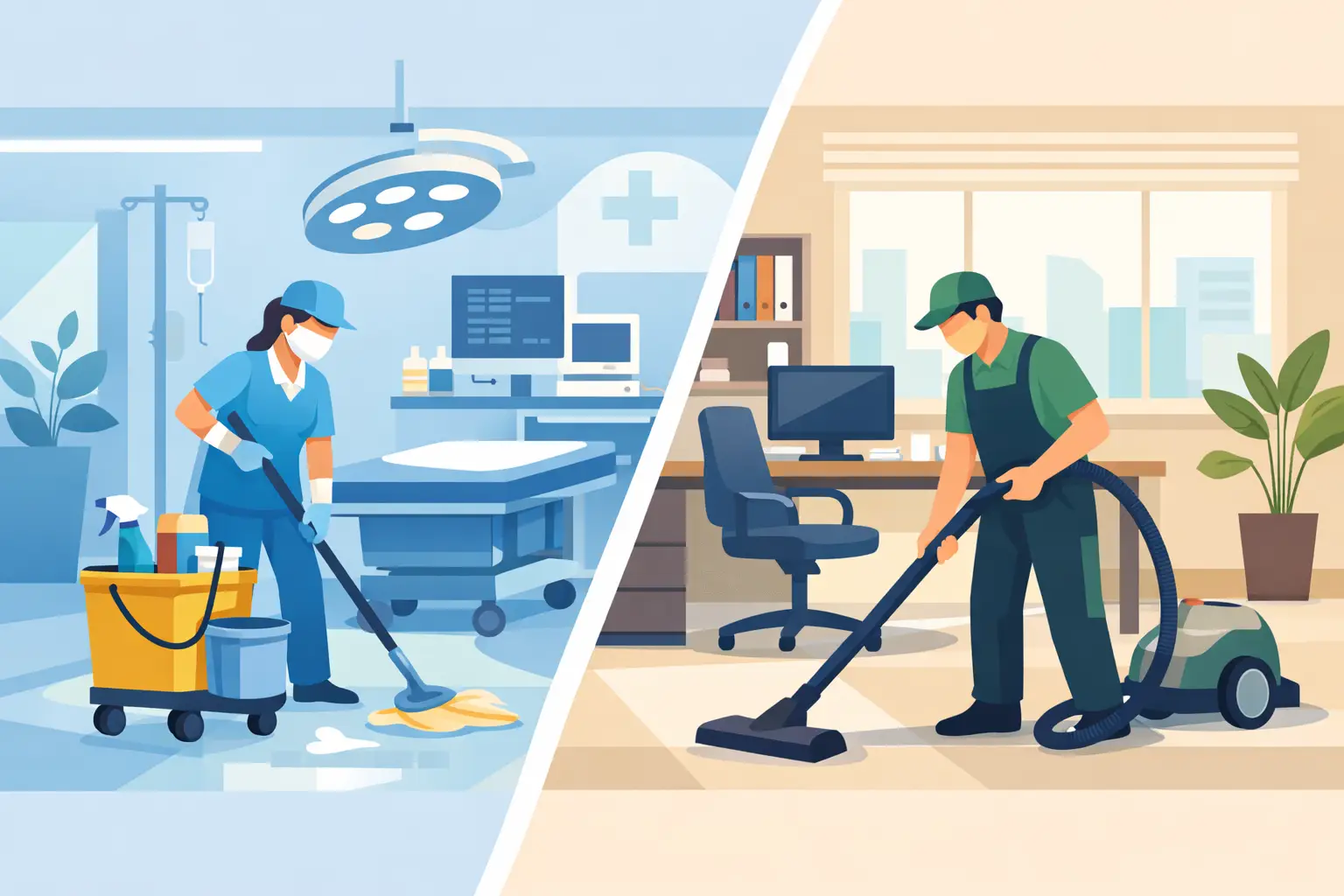
The solution is not always simply mopping more often. Different floor types need appropriate equipment and products to avoid leaving streaks, slippery residue or damage. Entryways may need extra attention, while consulting rooms can require a quieter, after-hours service. A cleaner who understands commercial and medical environments will tailor the method to the space rather than using one approach everywhere.
6. Consulting rooms are clean on the surface but neglected in the details
A room can appear tidy while dust gathers behind equipment, along skirting boards, under examination beds or around power points. These overlooked details build up gradually and are easy to miss when cleaning is rushed or limited to obvious areas.
Look closely at chair bases, window sills, blinds, vents, keyboard areas and corners near cabinetry. If these areas are dusty or marked, it may be time to add detailed cleaning tasks to the schedule. The same applies to treatment rooms, although their cleaning requirements should always align with your clinical protocols, manufacturer guidance and internal infection-control procedures.
7. Rubbish removal is disrupting staff or patient flow
Bins should never become a task your clinical or reception team has to manage when they should be focused on patients. Overflowing general rubbish, food waste left overnight or incorrectly handled waste can affect hygiene, odours and workplace efficiency.
A reliable cleaning plan defines which bins are emptied, when this happens and how liners are replaced. Clinics with high patient turnover may need daily attention, while smaller practices may need a different cadence. Clinical and sharps waste must be managed through the appropriate approved waste processes, not treated as ordinary office rubbish.
8. Your team is spending too much time cleaning
Staff helping with small tasks is normal. Staff routinely cleaning bathrooms, vacuuming waiting rooms, removing stains or chasing supplies is a warning sign. It can lead to inconsistent results, frustration and reduced time for patient care, administration and clinical preparation.
Outsourcing to a trained cleaning team gives your staff clearer boundaries and a dependable standard. It also means the work can be scheduled around appointments, whether that is after hours, early morning or at a suitable quieter time. For clinics with strict access requirements, vetted staff and controlled key procedures provide further peace of mind.
9. Patient feedback mentions cleanliness, even indirectly
Patients may not always say that a clinic is dirty. Instead, they might refer to an untidy waiting room, a bathroom that needed attention, dust on a chair or an unpleasant smell. A drop in online reviews, recurring comments to reception or complaints from tenants in a shared medical building should be taken seriously.
One isolated issue can happen in any workplace. A pattern indicates that the cleaning scope, frequency or quality checks need review. Addressing the concern promptly matters because cleanliness is closely tied to perceived professionalism. Patients should feel reassured by their surroundings, not distracted by them.
10. Your current cleaner has no clear scope or quality check
If you cannot easily answer what is cleaned, how often, with which products and who checks the outcome, your clinic is working without a reliable cleaning system. A vague arrangement can be inexpensive upfront, but it often leads to missed tasks, inconsistent standards and time spent following up.
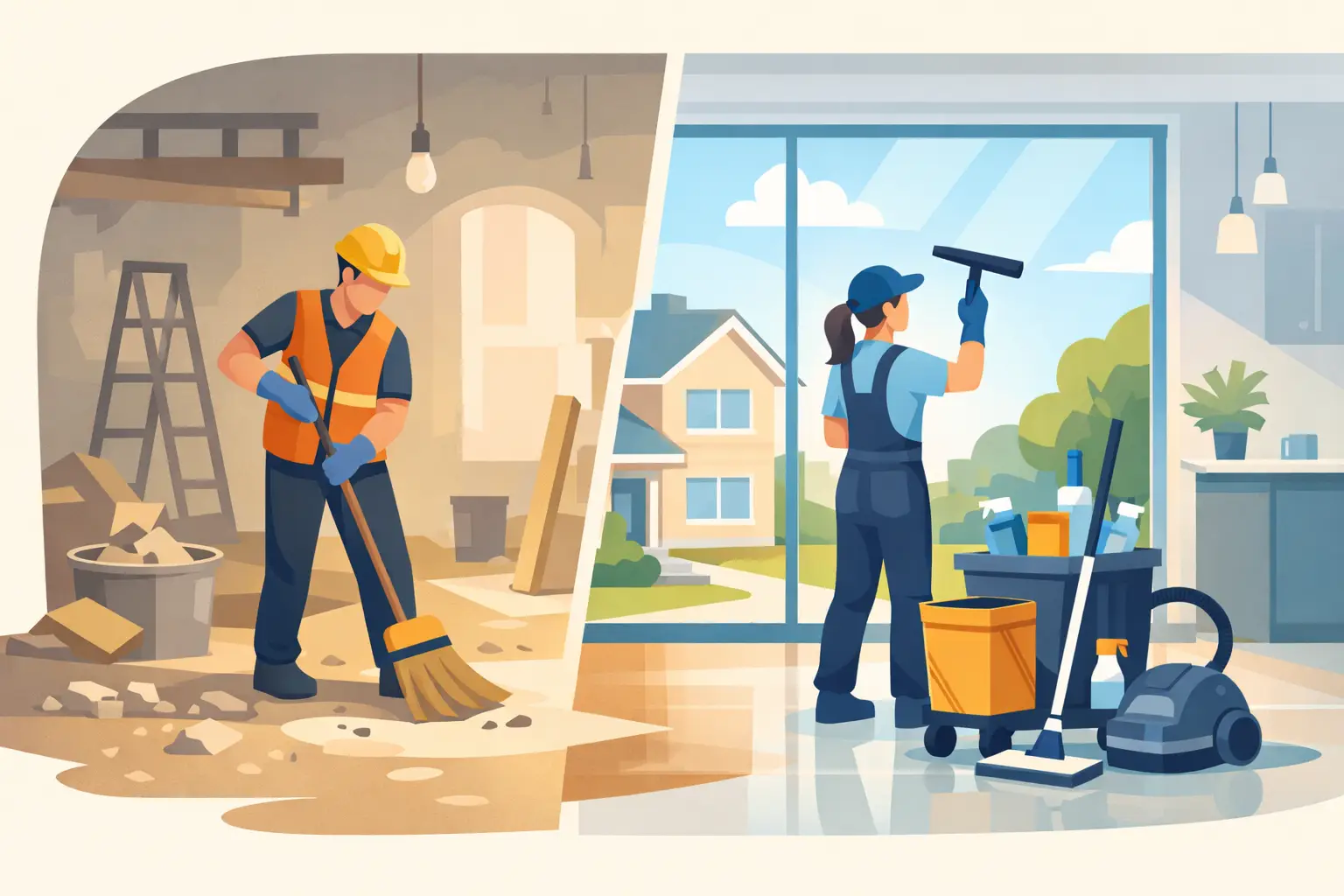
A better service agreement is clear about routine tasks, periodic deep-cleaning needs, access arrangements and communication. It should allow for practical changes too. A clinic may need extra attention during flu season, after building works, before an accreditation visit or when patient numbers increase.
What a dependable clinic cleaning plan looks like
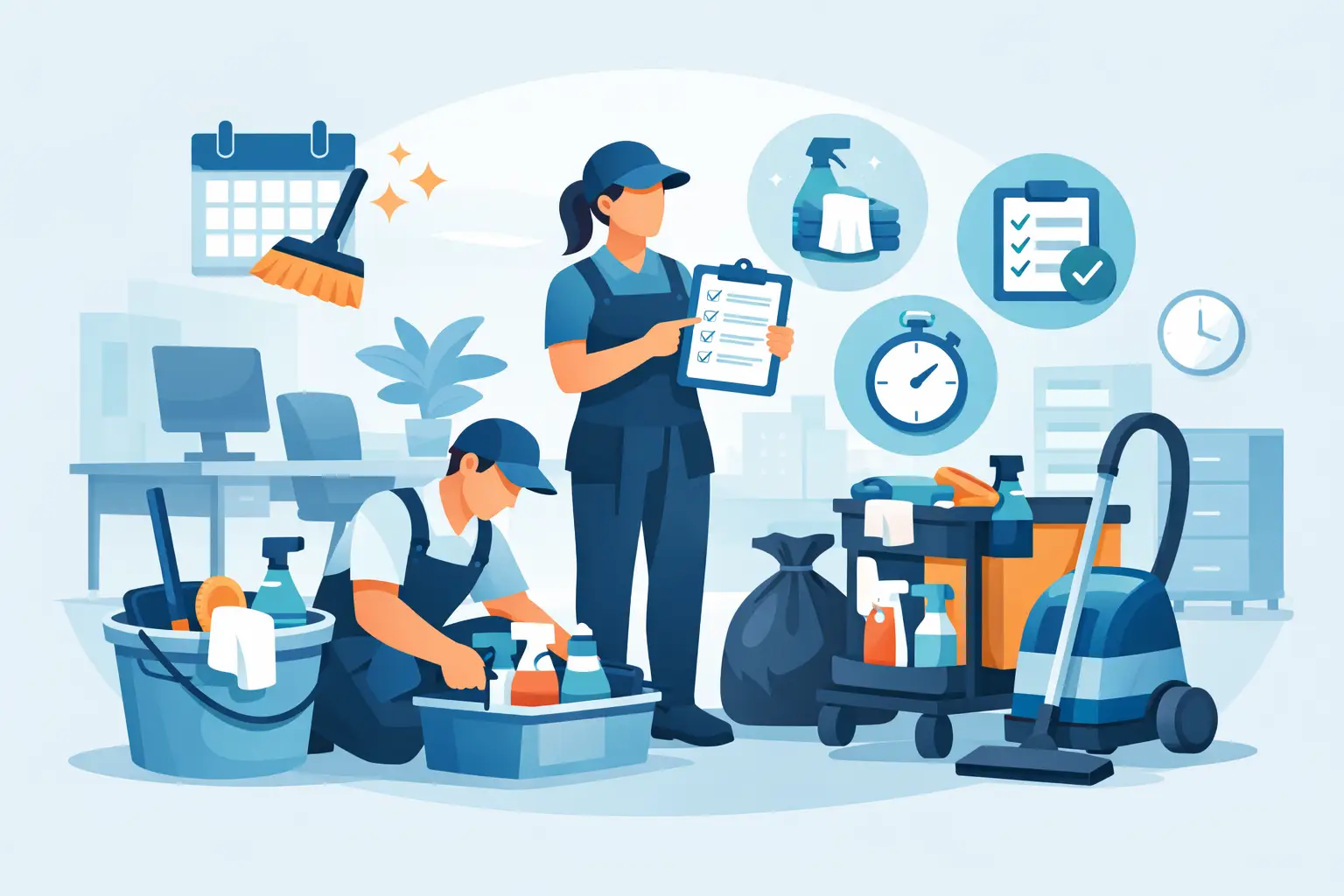
The best cleaning plan is not necessarily the most frequent one. It is the one that matches your clinic’s actual risks, foot traffic and operating hours. Start with a walkthrough of patient areas, staff rooms, consulting rooms, bathrooms, entrances and storage spaces. From there, separate daily priorities from weekly detail work and periodic deep cleaning.
For example, high-touch surfaces, bins, bathrooms and entry areas may require frequent servicing, while carpet care, internal glass, upholstery and detailed edge work may be scheduled less often. Clear checklists and regular communication make it easier to maintain standards as your clinic changes.
Spiffi Cleaning provides professional cleaning support for Adelaide clinics that need reliable scheduling, trained and police-checked staff, quality-focused service and a result you can confidently present to patients. The aim is simple: a clean clinic should feel effortless for your team and reassuring for every person who walks in.
A clean environment will not replace excellent clinical care, but it gives that care the setting it deserves. When the small details are consistently handled, your staff can focus on their work and your patients can focus on getting well.