A late checkout, an early arrival and a message asking for fresh towels can turn a profitable Airbnb booking into a rushed afternoon. Knowing how to manage Airbnb cleaning is not simply about making a property look tidy. It is about creating a dependable turnover system that protects guest reviews, keeps your calendar moving and gives you confidence that every room is ready.
For hosts, cleanliness is one of the most visible parts of the guest experience. Guests may overlook a minor inconvenience, but they will notice dust on a bedside table, hair in a shower drain or a kitchen bin that has not been emptied. A consistent approach helps prevent those small details from becoming poor ratings, refund requests or last-minute stress.
Start with a clear turnover standard
The first step is deciding what “guest-ready” means for your property. A basic clean between bookings is rarely enough. Each turnover should return the home to the same clean, welcoming condition a guest expects on arrival, regardless of whether the previous stay was two nights or two weeks.
Your standard should cover cleaning, linen, restocking, maintenance checks and presentation. These are related tasks, but they are not identical. Cleaning removes dirt and sanitises key surfaces. Restocking ensures guests have the essentials. A presentation check makes the property feel intentionally prepared rather than merely empty.
Write the standard down before you need it. This makes it easier to train a cleaner, brief a co-host or complete the work yourself without relying on memory. It also gives you a practical way to investigate a guest complaint. Instead of guessing what may have been missed, you can check the process against the expected result.
How to manage Airbnb cleaning around your booking calendar
The calendar should drive the cleaning schedule, not the other way around. Review check-out and check-in times each week, then identify short turnaround windows before they become a problem. If one guest leaves at 10 am and the next arrives at 2 pm, your cleaner needs enough access, time and supplies to complete the job properly.
Avoid assuming every clean will take the same amount of time. A one-bedroom apartment after a quiet weekend may be straightforward, while a family booking can involve more laundry, more rubbish and more wear in the kitchen and bathroom. Build a buffer into your schedule wherever possible, particularly around public holidays, event weekends and peak travel periods in Adelaide.
Clear communication matters as much as timing. Confirm the booking details with your cleaner or team as soon as a reservation is made, then send a final confirmation before the turnover. Include the property address, access instructions, departure and arrival times, guest numbers, any special requests and any known issues from the previous stay.
If guests have not checked out on time, have a defined response. A polite message, followed by a call if necessary, can protect the cleaning window. It is also wise to have a contingency plan for delayed access, damaged linen or an unexpected maintenance issue. A reliable system anticipates problems rather than hoping they do not occur.
Use a room-by-room checklist
A checklist turns quality into something repeatable. It is particularly useful when more than one person cleans the property, because it reduces the chance that everyone assumes someone else has completed a task.
Break the list into rooms and make each task specific. “Clean bathroom” is vague. “Disinfect toilet, basin, tapware and shower controls; remove hair from drains; polish mirror; replace toilet paper; check soap dispenser” is measurable.
The following final checks are worth including on every turnover:
- All rubbish and recycling have been removed, and bins have clean liners.
- Beds are freshly made with stain-free linen and pillows are neatly arranged.
- Bathrooms are dry, sanitised and stocked with the agreed essentials.
- Kitchen benches, appliances and crockery are clean, with no food left behind.
- Floors are vacuumed or mopped, and high-touch surfaces such as handles, remotes and switches are wiped.
Keep the checklist practical. A luxury property may require styled cushions, folded towels and a carefully arranged welcome area, while a compact unit may need a faster, more functional standard. The key is consistency with what your listing promises.
Separate cleaning from linen and restocking
Linen can be the task that slows an Airbnb turnover down most. If towels are washed and dried on site, a single delayed load can put the entire schedule behind. Consider how many complete linen sets you need to cover back-to-back bookings, laundry delays and damaged items.
For many hosts, having at least two or three full sets per bed makes turnover far easier. One set is on the bed, one is being laundered and one is ready to use. Store each set together and label it by room size where possible. It saves time and avoids a scramble for matching sheets just before guests arrive.
Restocking also needs its own system. Keep a secure supply cupboard with toilet paper, bin liners, dishwashing tablets, hand soap, tea, coffee and other agreed guest essentials. Set minimum stock levels so supplies are ordered before they run out, not when a cleaner discovers the last roll of toilet paper is gone.
Be careful not to overstock the property. Too many consumables can encourage waste, create clutter and make it harder to notice what has been used. Provide enough for a comfortable start to the stay, then align any extra supplies with your house rules and booking length.
Build quality checks into every clean
A completed checklist is useful, but it should not be the final step. The best Airbnb cleaning systems include a quick inspection before the property is locked up. This can be done by the cleaner, a co-host or the host, depending on the arrangement.
Focus on what a guest sees first: the entry, floors, bathroom, bed, kitchen and overall smell of the property. Open curtains or blinds as appropriate, switch on a few lights and look at the space from the guest’s point of view. A room can be technically clean but still feel unprepared if cushions are scattered, a light globe is out or fingerprints remain on glass doors.
Photos are valuable for remote hosts and properties with multiple cleaners. A small set of timestamped images of made beds, bathrooms, kitchen benches and living areas provides accountability and helps confirm the property was ready before check-in. It can also document pre-existing damage if a later dispute arises.
Do not use heavily scented products to mask odours. A clean, neutral-smelling space is usually more reassuring for guests, especially those with sensitivities. If there is a persistent smell, find the source. It may be rubbish, damp towels, a blocked drain, food in the fridge or a ventilation issue that needs maintenance rather than more fragrance.
Decide when to clean yourself and when to outsource
Managing cleaning yourself can make sense when you have one property nearby, flexible time and a manageable booking schedule. It gives you direct control over presentation and lets you spot maintenance issues early. The trade-off is that hosting can quickly become demanding when bookings increase or check-outs happen during work hours, weekends and holidays.
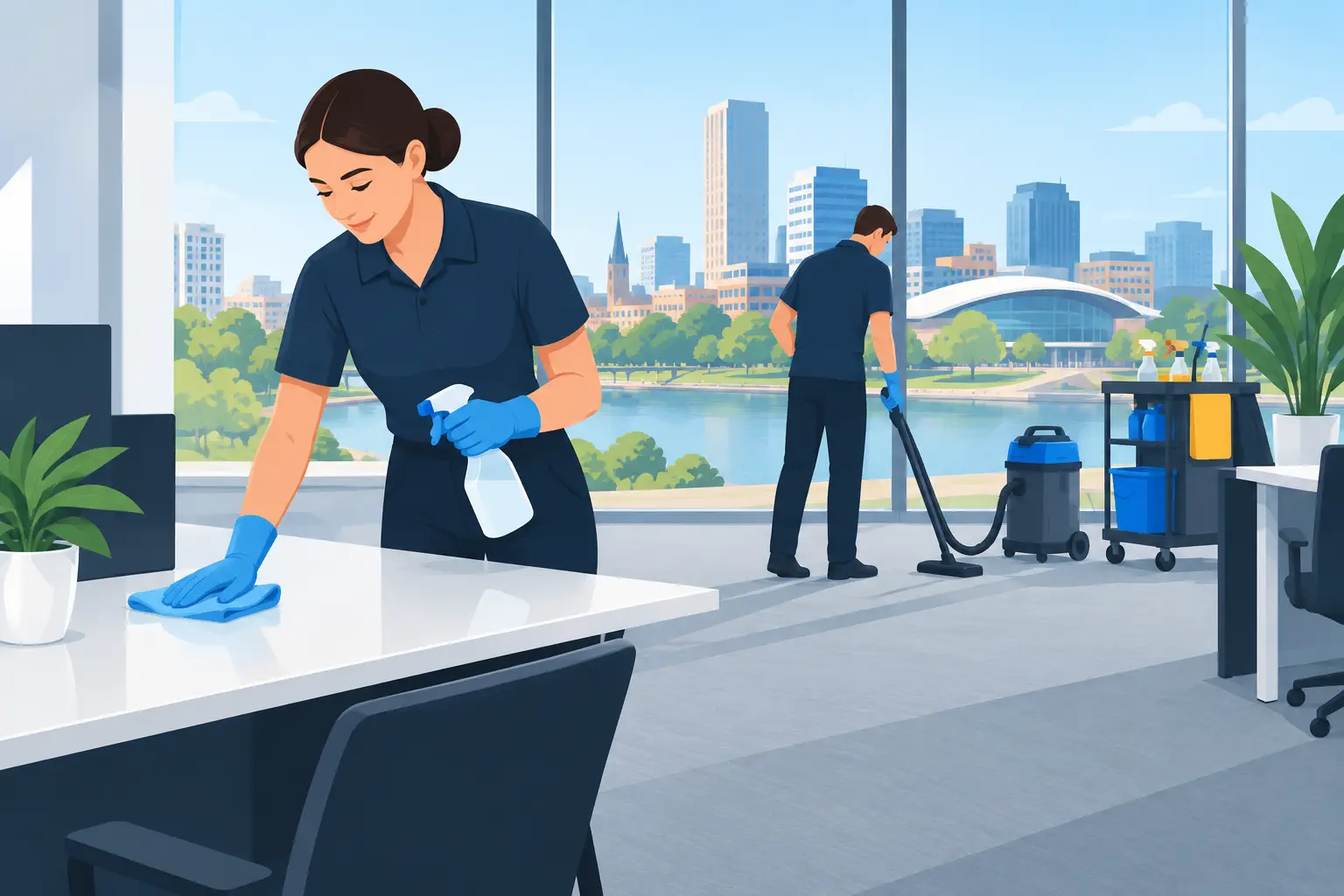
Outsourcing to a professional Airbnb cleaning service gives you capacity and consistency, provided the service understands turnover work. Ask how they manage short notice bookings, whether staff follow a property-specific checklist, how quality is checked and what happens if something is missed. Price matters, but the cheapest option can become expensive if it leads to poor reviews, cancelled bookings or repeated re-cleans.
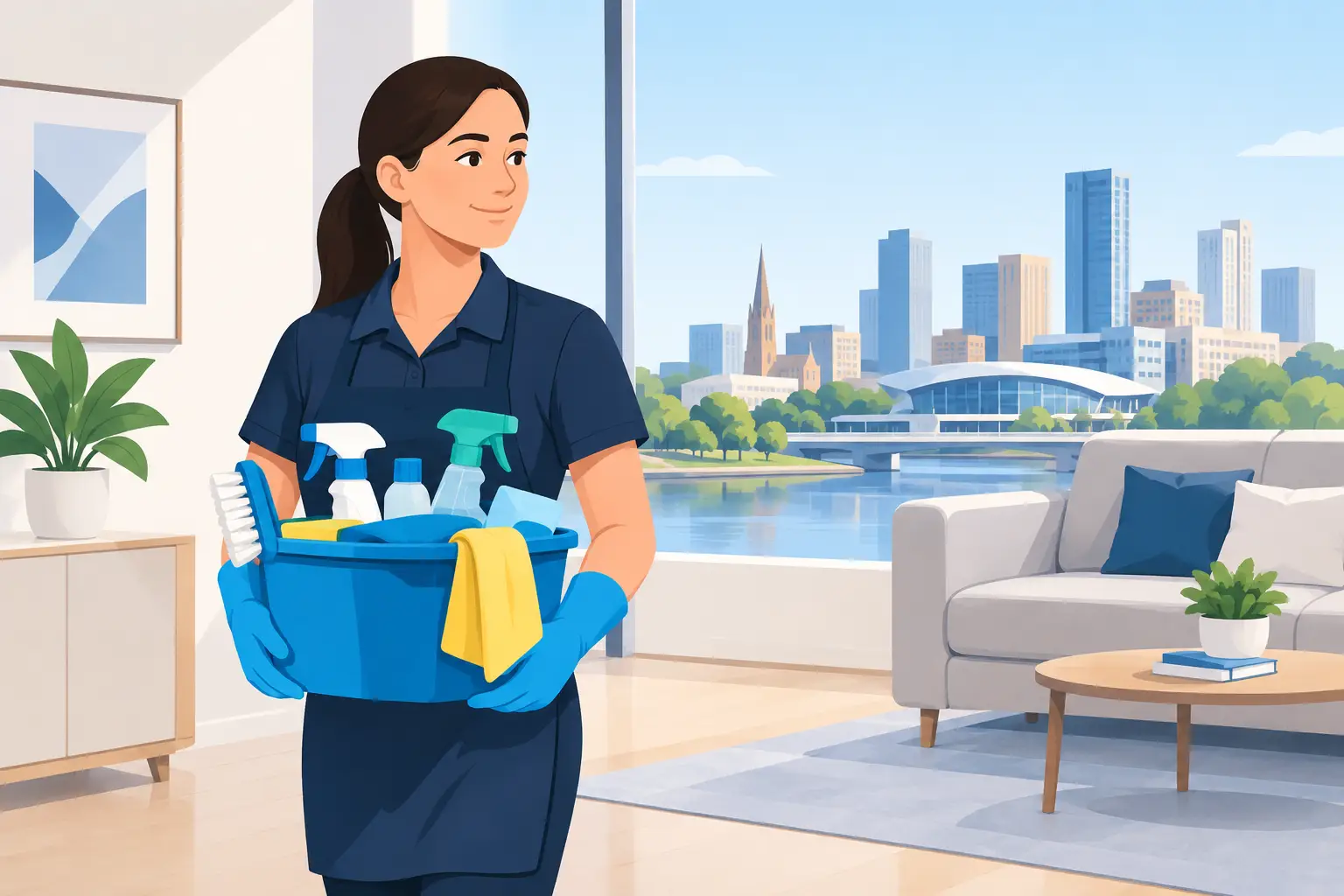
A professional team is particularly helpful if you manage multiple properties, live outside the area or need dependable cover when you are away. For Adelaide hosts, Spiffi Cleaning can provide detail-focused Airbnb and rental cleaning with trained, police-checked staff and flexible scheduling, helping properties stay ready between guests.
Whether you clean in-house or outsource, appoint one person as the main point of contact. They should be able to approve schedule changes, answer questions about supplies and make decisions when an issue is found. Unclear responsibility is where small problems tend to become delayed check-ins.
Plan for exceptions, not just normal stays
Most turnovers are routine. The challenging ones are where your system proves its value. Keep basic contingency supplies available for stains, broken glasses, flat batteries, spare light globes and minor guest damage. For larger issues, have the contact details of a plumber, electrician, locksmith or property manager ready before you need them.
Set a clear policy for conditions that require extra work. Excessive mess, smoking residue, pet hair where pets are not permitted, party-related rubbish or damage may need additional cleaning time and documentation. Take photographs before cleaning where appropriate, communicate calmly and follow the platform’s established process for claims.
It also helps to schedule periodic deeper cleaning. Turnover cleans maintain presentation, but they may not address built-up grime in ovens, rangehoods, grout, skirting boards, windows, upholstery or behind furniture. The right frequency depends on occupancy, guest type and property size, though a regular deep clean protects the standard that routine turnovers rely on.
A well-managed clean should feel invisible to the arriving guest. They should walk into a fresh, orderly property, find what they need and begin their stay without noticing the work that happened a few hours earlier. That quiet confidence is what keeps an Airbnb operation running well – and gives hosts more time to focus on the experience they want guests to remember.