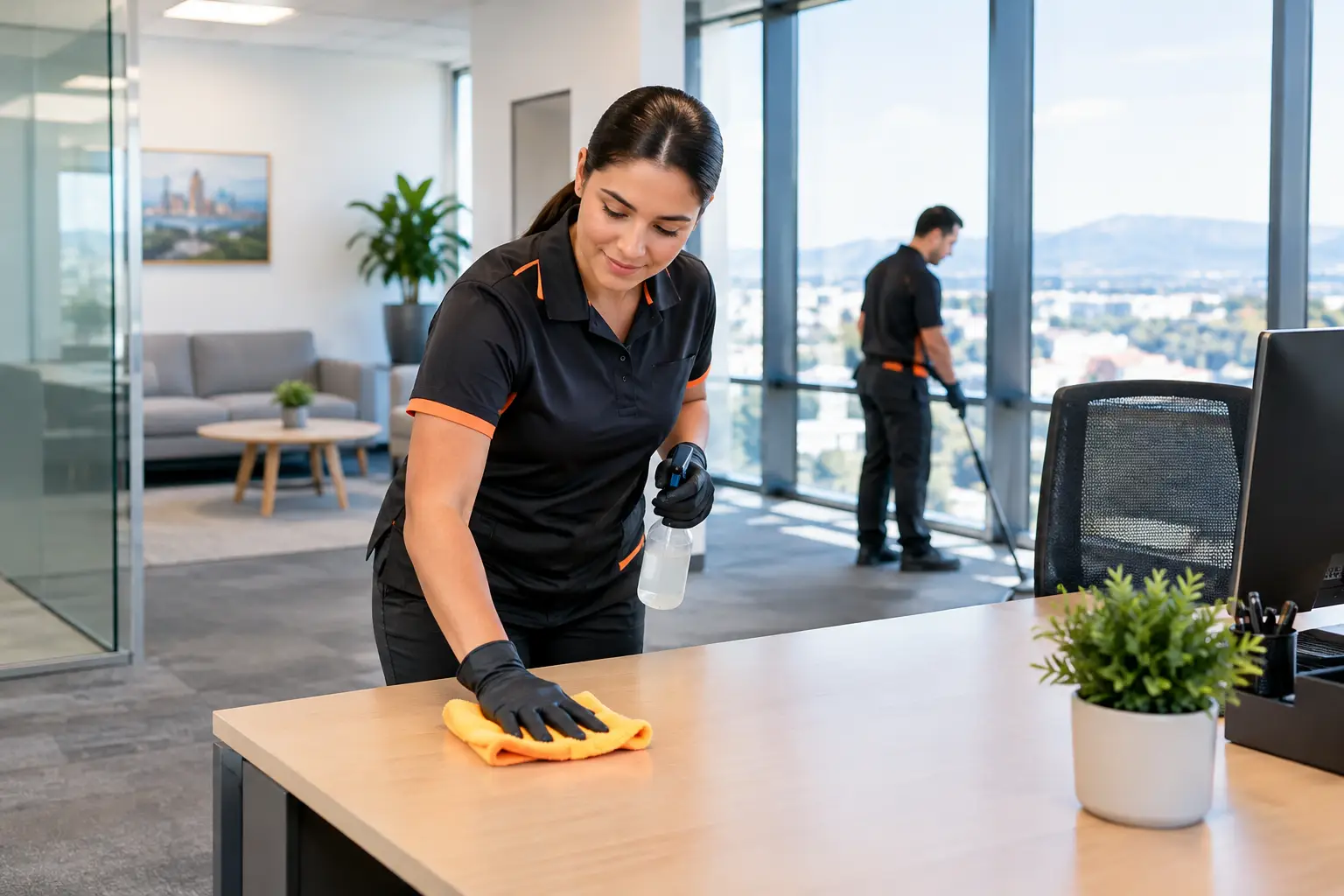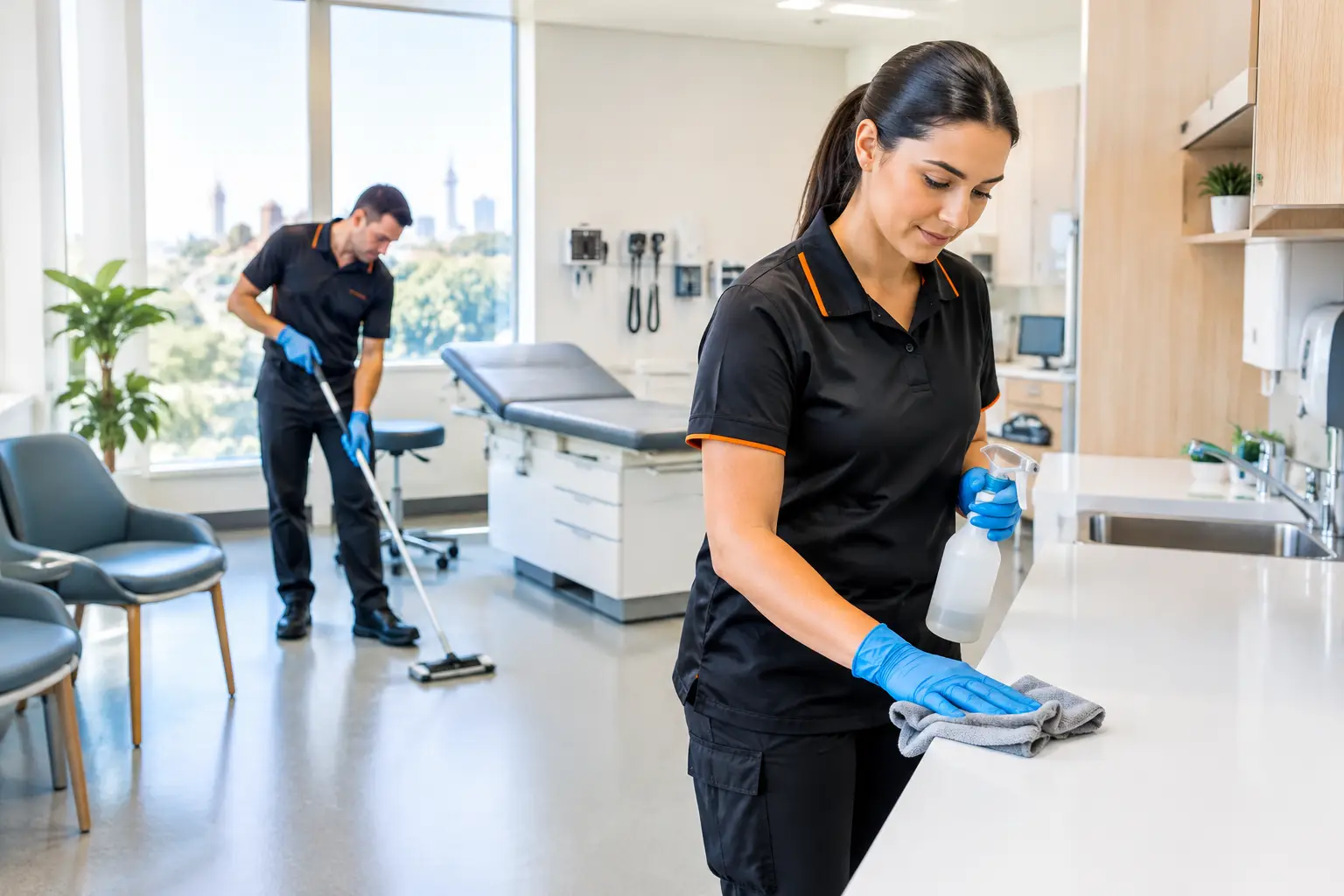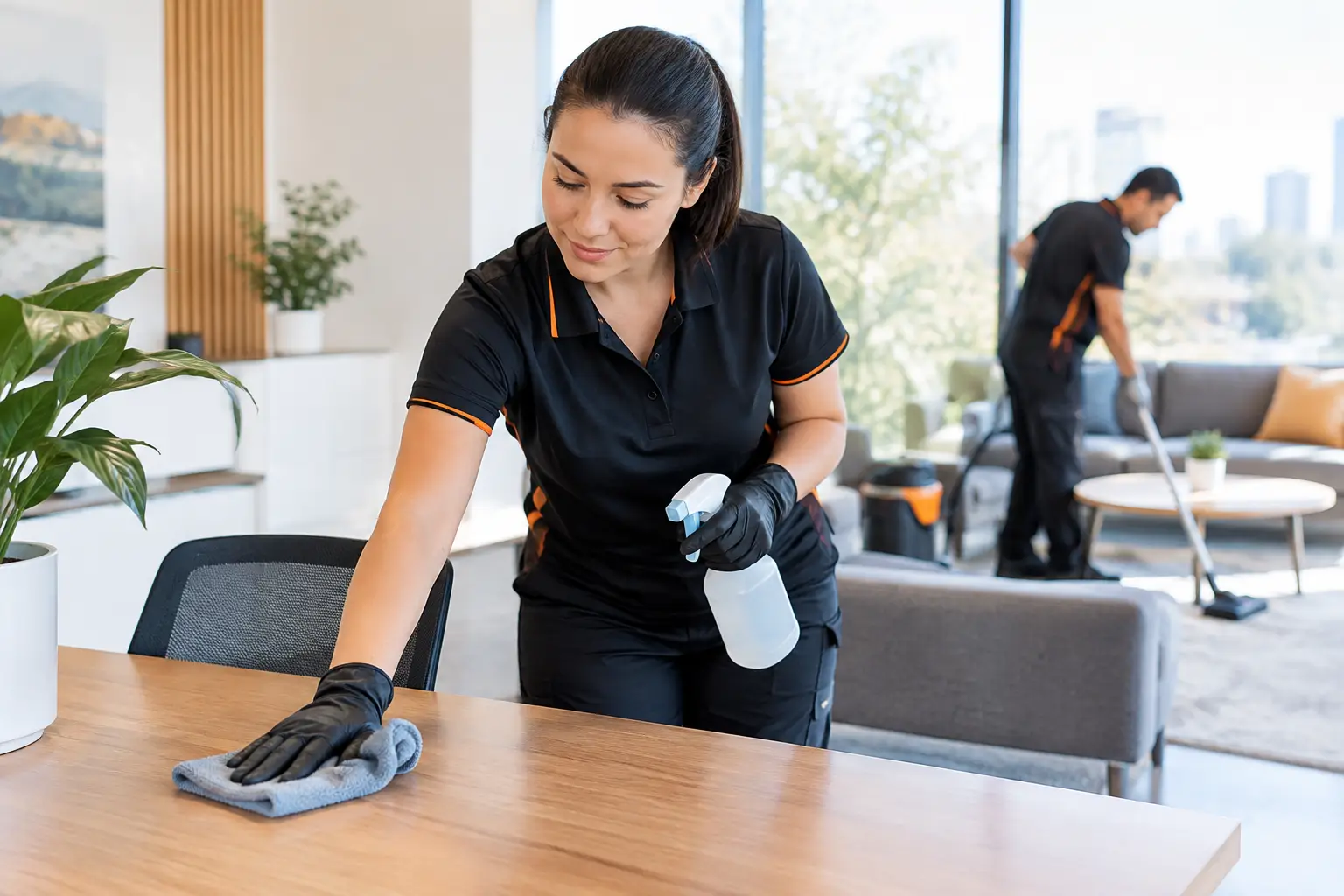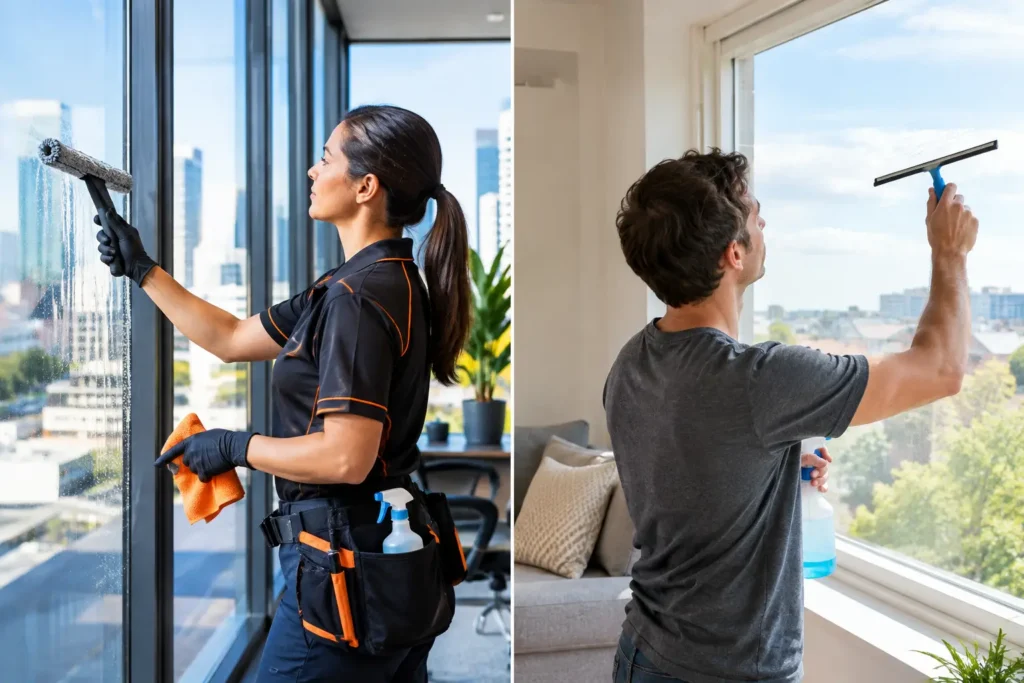
A streaky front window can make an otherwise tidy office look overlooked. In a clinic, fingerprints around the entry and dusty glass partitions can affect how patients feel before they reach reception. Professional versus DIY window cleaning is not simply a question of who has a squeegee. It is about safety, time, presentation and whether the result is reliable enough for the property you manage.
For some ground-level windows at home, doing the job yourself is perfectly reasonable. For busy workplaces, medical centres, rental properties or buildings with difficult access, professional cleaning often removes far more than dirt. It removes a task from an already full list.
Professional versus DIY window cleaning: the real difference
DIY window cleaning usually means a bucket, glass cleaner, a cloth and a spare hour. It can work well on accessible interior glass, small bathroom windows and single-storey home windows that are easy to reach from the ground. The cost is low, and you can clean a mark as soon as you notice it.
The downside is consistency. Paper towels and household sprays can leave lint, smears or residue, especially in direct Adelaide sun. A dirty squeegee blade can create lines across the pane. Hard-water spotting, built-up dust around tracks and greasy fingerprints near handles also take more than a quick wipe to remove properly.
Professional window cleaners use purpose-built tools, clean water, suitable detergents and methods designed to leave glass clear rather than merely less dirty. Just as importantly, they work to a planned scope. That might include internal windows, external glass, entry doors, glass partitions, frames, sills and tracks, depending on the property’s needs.
For a business, that repeatable process matters. Staff and visitors should not have to point out the same missed corners each month.
When DIY window cleaning makes sense
There is no need to call in a professional for every small mark. DIY is a sensible choice when the glass is low, accessible and lightly soiled. A homeowner may prefer to clean a kitchen window after cooking, or an office receptionist may wipe fingerprints from a glass door between scheduled cleans.
DIY is also useful for quick touch-ups. If rain has splashed mud onto a ground-floor pane before an important meeting, a careful clean can improve the appearance straight away.
The key word is accessible. If you need to lean out of a window, climb onto a ledge, use an unstable ladder or work near a busy car park or footpath, the task has moved beyond a simple household job. Saving money is not a good trade-off if someone can fall or the property can be damaged.
DIY can also become less economical than it first appears. Someone still needs to buy supplies, set aside time, manage ladders, clean up drips and redo the windows when streaks show after the glass dries. For a small office with several glass walls, that can interrupt a staff member’s work for longer than expected.
Where professional cleaning earns its place
Professional window cleaning is most useful where presentation, hygiene and access all matter. This includes office entries, meeting room glass, shopfronts, clinic windows, high internal glass, rental turnovers and homes with multi-storey or awkwardly placed windows.
A clearer finish and better attention to detail
Glass rarely gets dirty in one obvious way. There may be dust on the outside, hand marks inside, cobwebs around frames and grime settled in tracks. A professional cleaner is equipped to deal with the whole window area, not just the centre of the pane.
This makes a noticeable difference in client-facing spaces. Clean glass lets more natural light into reception areas and meeting rooms. It also helps the rest of your cleaning standard look intentional. Freshly vacuumed floors and wiped desks lose some of their impact when the windows are cloudy.
Safer work at height and around the property
Ladders, wet surfaces and glass are not a casual combination. Commercial properties may also have landscaping, uneven ground, parked vehicles, pedestrian access and restricted areas to consider.
A professional service should assess access before starting and use appropriate equipment for the job. That does not mean every window requires complex machinery. It means the method matches the height, surface and site conditions, rather than asking an employee or property owner to take a risk with a domestic ladder.
Less disruption to staff, patients and tenants
For offices and medical centres, timing is often as valuable as the clean itself. Window cleaning during a busy reception period can create noise, wet floors and unnecessary movement through shared areas. The same applies to rental inspections and Airbnb changeovers, where several jobs need to happen in a tight window.
A reliable provider can schedule work around your operating hours and coordinate it with regular cleaning. After-hours or quieter-period service may be the better option for a practice, particularly where privacy and patient comfort are priorities.
The costs people do not always count
Comparing professional versus DIY window cleaning only by the invoice or the bottle of glass spray misses the full picture. The real cost includes labour, supplies, equipment, rework, safety and the value of your own time.
If an office manager spends two hours cleaning entry glass, they are not following up maintenance, assisting staff or handling the work that keeps the site running. If the result needs a second attempt, the task takes even longer. If a staff member is asked to clean high windows without suitable equipment, the risk is harder to justify.
Professional cleaning is not automatically the right choice for every property or every visit. A small home may only need occasional assistance, while a high-traffic workplace may benefit from a regular schedule. The best option depends on how visible the windows are, how quickly they become marked and whether access is straightforward.
What a dependable window cleaning service should include
Before booking, be clear about what you need cleaned. “Windows” can mean very different things from one property to another. Ask whether the quote covers internal and external glass, frames, sills, tracks, glass doors and partitions. If there are skylights, high windows, security screens or difficult access points, mention them early.
For commercial sites, communication should be simple. You should know when the team will attend, which areas will be accessed and who to contact if requirements change. Consistent, police-checked staff can be particularly reassuring for offices and clinics where security, confidentiality and professional conduct matter.
It is also reasonable to ask how the provider handles concerns. A cleaning company that stands behind its work should make it easy to report a missed area and arrange a prompt re-clean where needed. The goal is not just clean windows on the day. It is confidence that the standard will be maintained.
Choosing the right cleaning frequency
Frequency should reflect the building, not a generic timetable. A quiet upstairs office may only need periodic window cleaning. A street-facing premises near traffic, construction activity or coastal salt air may need more regular attention. Glass entrance doors and internal partitions can need touch-ups more often because hands, bags and trolleys leave marks quickly.
Medical and allied health practices often benefit from planned cleaning that keeps reception glass and consultation-area partitions presentable without disrupting appointments. Landlords and property managers may prefer window cleaning before inspections, photographs or tenant changeovers. Households often book it alongside a deep clean, move-out clean or seasonal reset.
Spiffi Cleaning can help Adelaide businesses and households set a practical scope based on the property, access and the finish they expect. The aim is straightforward: clear glass, tidy surrounds and one less maintenance job to chase.
A practical way to decide
Choose DIY when the windows are low, safe to reach and only need a light touch-up. Choose professional cleaning when height, access, time pressure or a consistently polished result is involved. For many properties, a mix works best: staff handle the occasional fingerprint, while a professional takes care of the full clean on a sensible schedule.
Clean windows are a small detail that people notice without always naming it. When the glass is clear, the entry feels cared for, the space feels brighter and your team can focus on what they are there to do.