A cleaner can leave a place looking tidy once and still be unreliable. What makes a cleaner reliable is what happens week after week: they arrive when expected, clean the areas that matter, communicate early when something changes, and leave you without a new problem to manage.
For an Adelaide office, clinic or managed property, that consistency has real value. Staff start work in a presentable space. Patients walk into a clean waiting room. Bins are emptied, touchpoints are attended to and bathrooms are properly checked. You are not chasing updates, buying emergency supplies or wondering whether tonight’s clean will happen.
What makes a cleaner reliable in practice?
Reliability is not a vague promise. It shows up in simple, repeatable habits. A dependable cleaning provider has clear systems for scheduling, site access, quality checks and communication. Their team knows the site, understands the scope of work and takes responsibility when something needs attention.
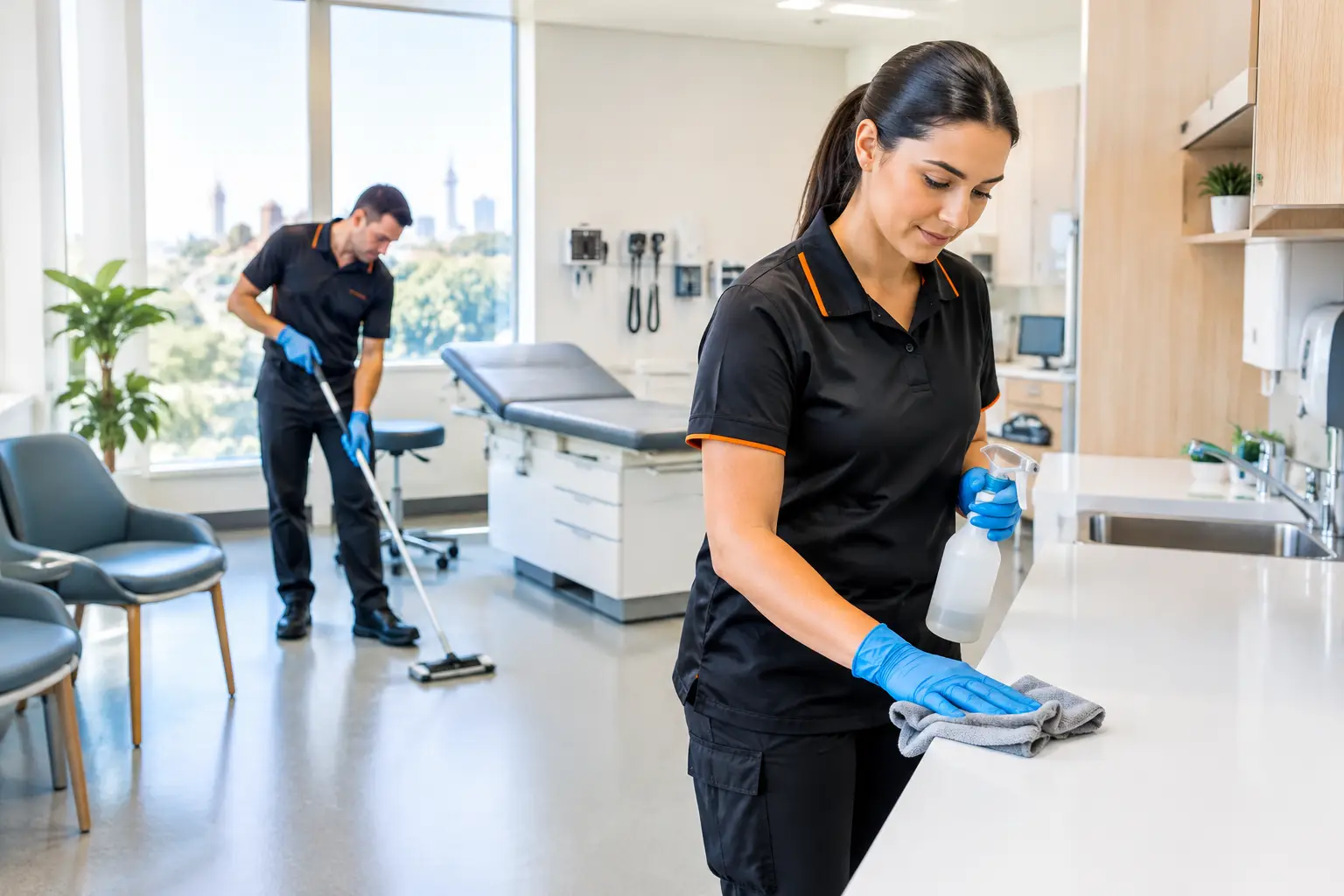
The best fit also depends on your premises. A small professional office may need discreet after-hours cleaning and dependable rubbish removal. A medical centre may need closer attention to waiting areas, consultation rooms, washrooms and high-touch surfaces. A rental property may need quick, well-documented turnaround cleaning between tenants or guests.
Here are the signs worth looking for before you commit to a regular cleaner.
1. They turn up consistently
The first test is the simplest. Do they arrive on the agreed day and at the agreed time? If cleaning is scheduled after hours, can you trust that the work will be completed before staff, tenants or patients return?
A reliable provider plans for ordinary disruptions. Staff take leave, vehicles need servicing and busy periods happen. What matters is whether the company has enough trained cover and a proper handover process, rather than cancelling at short notice or sending someone in with no knowledge of the site.
Consistency also means keeping the same cleaning schedule without making you follow up each week. You should not have to notice a missed clean before it becomes urgent.
2. They communicate before small issues become big ones
Good cleaners do not disappear once the quote is accepted. They confirm the scope, explain access arrangements and make it easy to raise a concern. If a cleaner is delayed, a key is missing or consumables are running low, you should hear about it promptly.
For office managers and practice managers, one clear point of contact makes a difference. You need someone who can answer a question, act on feedback and confirm what has been done. Messages should be straightforward, not a chain of vague promises.
Communication works both ways. A reliable cleaner will ask sensible questions at the start: which rooms are private, what time the site must be ready, where supplies are stored, and whether there are areas needing extra care. That attention early on prevents avoidable mistakes later.
3. Their staff are trained and suitable for the site
A cleaning company is only as reliable as the people entering your premises. For commercial sites, particularly medical and professional settings, it is reasonable to ask how cleaners are recruited, trained and supervised.
Police-checked staff provide an added level of reassurance where cleaners have access to offices, files, equipment or keys. Training matters just as much. A cleaner should understand safe product use, colour-coded equipment where required, proper handling of rubbish, and the difference between a quick wipe and a properly cleaned surface.
The aim is not to make the cleaner invisible. It is to make their presence professional and low disruption. They should respect confidential spaces, follow site rules and leave rooms ready for the next day.
4. They clean to an agreed scope, not to guesswork
Missed areas are one of the most common reasons clients change cleaners. The kitchen bench may look fine, but the bathroom bins are overlooked. Floors are vacuumed, but fingerprints remain on entry glass. A treatment room is serviced, but the waiting area is not reset properly.
Reliable cleaning begins with a clear scope. It should set out the rooms included, the tasks expected, the cleaning frequency and any periodic work such as internal windows, detailed dusting or deeper bathroom cleaning. This gives both sides a practical standard to work from.
A checklist can help, but it is not a substitute for judgement. Cleaners should notice when a bin needs changing early, a spill needs attention or an entrance needs an extra pass after wet weather. Detail-focused work means following the plan while responding to the condition of the space.
5. They have quality checks and stand behind the work
Even experienced cleaners can miss something. The reliable difference is what happens next. A professional provider welcomes reasonable feedback, investigates the issue and returns to fix it where needed.
Ask how quality is monitored. It may involve supervisor visits, site inspections, client check-ins or a process for reporting recurring issues. There is a trade-off here: the lowest quote may allow very little time for supervision, training or return visits. That can look economical until standards slip and you are spending time managing the service yourself.
A satisfaction guarantee with a free re-clean is useful because it puts accountability behind the promise. It should not be needed often, but it shows the provider is prepared to make things right.
6. They use appropriate equipment and products
Reliable results require more than effort. Commercial-grade vacuums, well-maintained mops, clean cloths and suitable products all affect the finish and hygiene of a workplace.
Eco-friendly products can be a sensible choice for offices, homes and clinics when they are selected for the task. However, “eco-friendly” should not be used as a vague label. Ask whether the products are suitable for the surfaces in your premises and whether the team knows how to use them correctly.
Professional equipment also helps cleaners work efficiently. That matters when work is done after hours and the building needs to be ready by morning. Fast work is not a problem if it is thorough. Rushed work that leaves behind dust, streaks or unemptied bins is.
7. They respect security and access procedures
Handing over keys, alarm codes or access cards requires trust. A reliable cleaner has a clear method for managing access and follows the instructions you provide. They do not leave doors unsecured, share codes casually or treat private areas as an afterthought.
This is especially relevant for medical centres, offices with sensitive documents, and properties cleaned outside business hours. Discuss who holds keys, what happens if an alarm is triggered, and who to contact if there is an access issue. The right provider will see these questions as normal, not inconvenient.
Security is also about care for the site. Equipment should be packed away safely, lights and air conditioning handled as instructed, and any damage or hazard reported promptly.
8. Their quote is clear and their service is flexible
A dependable cleaner does not need to be the cheapest option. They do need to be clear about what you are receiving. A transparent quote should match the agreed scope and explain any work that falls outside the regular service.
Flexibility matters too. Your office may need a change of schedule during a busy period. A clinic may need cleaning outside patient hours. A property manager may need a fast turnaround after tenants leave. A reliable company will be honest about what it can accommodate and will confirm changes rather than assuming.
Spiffi Cleaning works this way because dependable cleaning is built around the details clients do not want to chase: trained, police-checked staff, flexible scheduling, clear scopes and a willingness to return if the result is not right.
A reliable cleaner should reduce your workload
The real measure is how much mental space the service gives back. When the cleaner is reliable, you stop checking bathrooms before visitors arrive, sending reminder messages after hours or fielding complaints about the kitchen and reception area.
Start with the practical questions. Who will clean the site? How is cover arranged? What is included each visit? How are keys handled? What happens if an area is missed? The answers will tell you far more than a polished sales pitch. Choose the team that gives you confidence that the job will be done properly when you are not there to watch it.