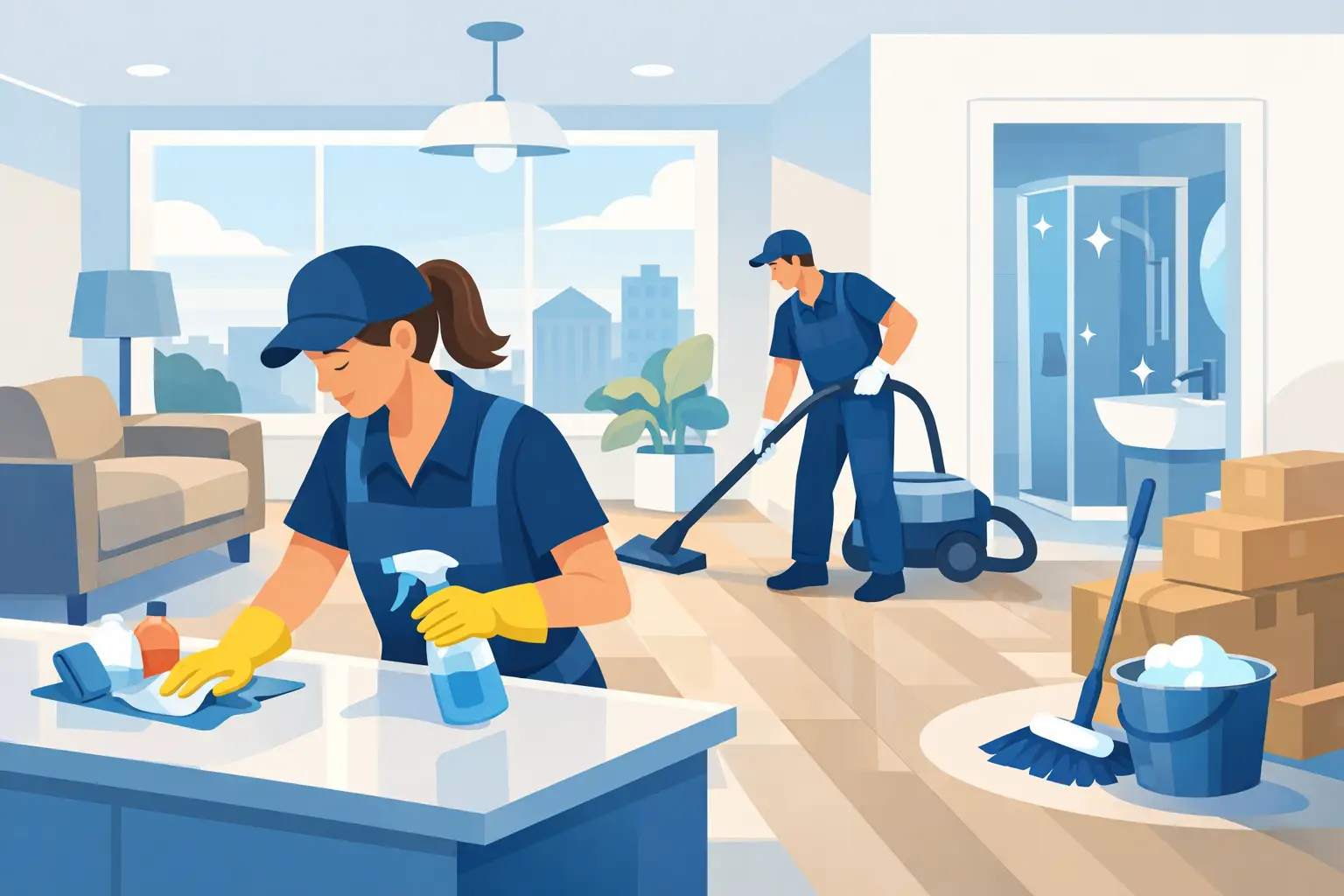
When a resident notices a sticky handrail, a family spots dust in a room corner, or staff lose time chasing basic hygiene issues, confidence drops fast. In aged care, cleaning is not just about presentation. Aged care cleaning Adelaide providers deliver has a direct effect on safety, comfort, infection control and the day-to-day experience of residents, staff and visitors.
Why aged care cleaning in Adelaide needs a higher standard
Aged care environments are different from standard commercial sites. Residents may have reduced immunity, mobility limitations, respiratory sensitivities or cognitive conditions that make their surroundings more significant and more vulnerable to lapses in hygiene. What passes as acceptable in a general office simply does not hold up in a residential care setting.
That means cleaning has to be consistent, not occasional. High-touch points need attention throughout the day, not just during one nightly pass. Bathrooms need a sharper eye for hygiene and slip risks. Shared spaces need to feel fresh and orderly without becoming disruptive or clinical. The goal is to support a clean, dignified environment where residents feel comfortable and staff can focus on care.
In Adelaide, facilities also need a provider that understands local expectations around reliability, communication and accountability. If cleaners are late, under-trained or constantly changing, the strain lands on facility managers and care teams straight away.
What good aged care cleaning Adelaide facilities should expect
A proper aged care cleaning service is built on routine, detail and trust. It is not enough to empty bins, run a mop over the floor and move on. The service has to be structured so that cleaning outcomes are repeatable across shifts, wings and common areas.
Daily work usually includes resident rooms, ensuites, dining spaces, staff amenities, reception areas, hallways and touchpoints such as door handles, rails, light switches and lift buttons. Periodic work might include deep bathroom detailing, floor care, internal glass cleaning and more intensive disinfection in higher-risk areas.
Just as important is how the work is done. Staff should be trained, police-checked and comfortable working in sensitive environments. Products should be effective but suitable for people who may be affected by harsh odours or residues. Equipment needs to be maintained properly so it supports hygiene rather than spreading contamination from one area to the next.
A provider should also be able to work around the rhythm of the facility. Morning routines, meal services, visiting hours and clinical activities all affect when and how cleaning can happen. Good planning reduces disruption while keeping standards high.
Cleaning for hygiene, safety and dignity
In aged care, hygiene is the obvious priority, but it is not the only one. Safety and dignity matter just as much.
A damp floor left too long near a bathroom can become a fall risk. A cluttered or poorly cleaned room can affect a resident’s comfort and sense of independence. Strong chemical smells may upset residents with respiratory concerns or sensory sensitivity. Even small oversights can change how safe a facility feels.
This is why experienced cleaners pay attention to more than surface appearance. They look at the practical risks around them. They notice whether a bathroom is not just clean, but dry and safe to re-enter. They understand that a resident room is someone’s home, not just another area on a checklist. That mindset makes a visible difference.
There is also a balance to strike. Some facilities need a heavier focus on infection control during illness outbreaks or seasonal pressure periods. Others may need more attention on presentation before audits, family visits or occupancy changes. The best service adjusts to those needs without losing consistency in the basics.
The operational side matters more than most people think
Many cleaning problems in aged care start before a mop touches the floor. They come from poor systems – unclear scopes, missed communication, inconsistent staffing or vague quality control.
Facility managers and operators usually need more than a cleaner. They need a service partner that turns up on time, follows site protocols and keeps standards steady week after week. That includes transparent quoting, clear inclusions, practical scheduling and a fast response when something changes.
If a resident room needs urgent attention, if there has been an infection control concern, or if an inspection is coming up, delays create pressure very quickly. Same-day or next-day support can make a real difference in those moments. So can a satisfaction guarantee backed by action, not excuses.
This is where a professional, detail-driven provider stands apart from a low-cost operator. A cheaper rate can look appealing on paper, but if standards slip, staff spend time following up issues, complaints increase and confidence erodes. In aged care, inconsistency is expensive in ways that do not always show on the invoice.
What to look for in an aged care cleaning provider
A facility should expect a provider to be clear about staff vetting, training and supervision. Police-checked teams are a basic trust requirement in sensitive environments. So is a consistent approach to site induction, safe chemical handling and cross-contamination control.
It also helps to ask how quality is monitored. Some providers talk confidently at the quoting stage but struggle to maintain standards once the work begins. A more reliable service will explain how tasks are tracked, how issues are escalated and what happens if something is missed.
Flexibility matters too. Aged care sites rarely run on a simple nine-to-five pattern. Cleaning may need to happen early, after hours or around changing operational demands. The provider should be able to adapt without creating confusion for onsite teams.
And while eco-friendly products are not the only consideration, they are often a smart one. In residential care settings, lower-residue and thoughtfully selected products can support indoor comfort while still meeting hygiene expectations. It depends on the area, the resident profile and the cleaning task, but a one-size-fits-all chemical approach is rarely ideal.
Why consistency builds trust
Residents, families and staff notice consistency. They notice when bathrooms are always fresh, bins are always managed, floors are always presentable and common areas always feel cared for. They also notice when standards bounce around depending on the day or the cleaner on shift.
Trust in an aged care setting is built from repetition. When cleaning is done properly every time, it becomes part of the background in the best possible way. People stop worrying about hygiene because the environment feels reliably clean and well managed.
That trust supports the whole facility. Staff can stay focused on residents instead of chasing maintenance-style issues. Families feel reassured when they visit. Operators have fewer reactive problems to solve. Cleanliness does not replace quality care, but it strongly shapes how that care is experienced.
For that reason, many Adelaide facilities prefer a provider with broad operational capability rather than a narrow one-service offer. A team that can handle regular cleaning, deeper periodic work and responsive support when needed is easier to manage and usually more dependable over time.
A practical approach for Adelaide facilities
For most sites, the best starting point is a clear assessment of what the facility actually needs. That includes traffic levels, resident acuity, room numbers, shared spaces, bathroom volumes, infection control priorities and preferred cleaning times. From there, the scope can be built around daily essentials and scheduled deeper work.
Not every facility needs the same frequency or intensity. A smaller residence may need a different routine from a larger multi-wing site. A facility with high visitor traffic may put more emphasis on entrances, waiting areas and amenities. A site managing health-related risks may need tighter protocols in specific zones. Good cleaning plans reflect those differences instead of forcing every space into the same pattern.
For Adelaide operators looking for a reliable service partner, this is where experience and structure matter. A company such as Spiffi Cleaning brings value when it combines vetted staff, transparent quoting, flexible scheduling and a genuine quality guarantee with the discipline required in regulated and sensitive environments.
Aged care cleaning should make life easier for everyone inside the building. When the standards are right, the facility feels safer, calmer and more professional – and that peace of mind is never a small thing.