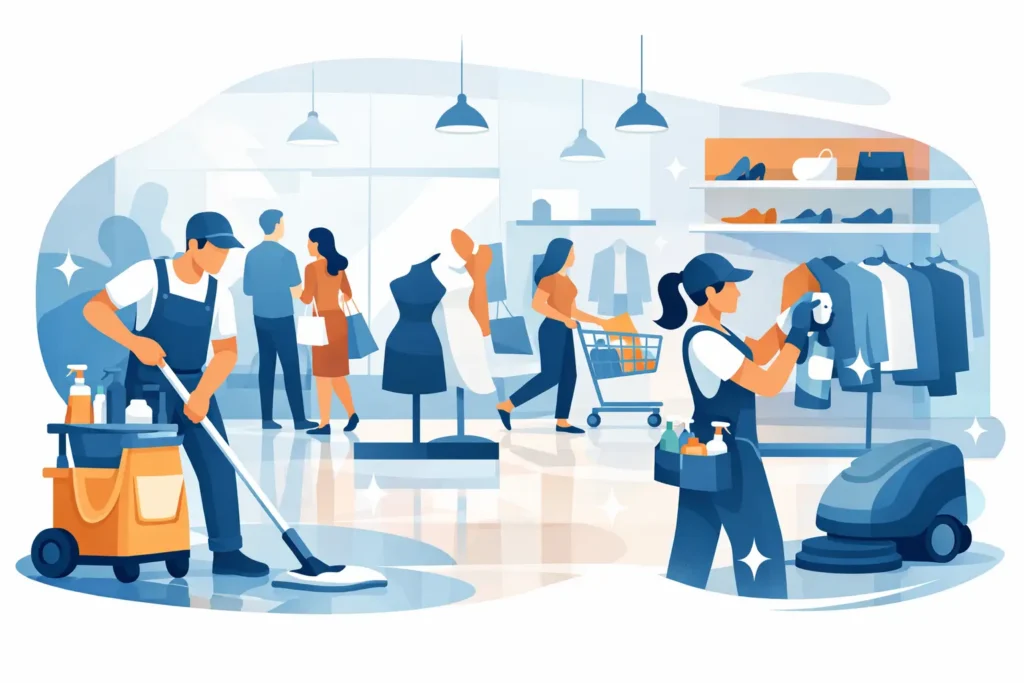
A smudged shopfront, dusty shelves and marked floors do more than look untidy – they quietly chip away at customer confidence. In retail, presentation is part of the product. That is why retail store cleaning services matter well beyond basic upkeep. They support first impressions, protect staff and customers, and help stores stay ready for trade without distracting your team from selling.
For retailers in Adelaide, cleaning needs can vary wildly from one site to the next. A boutique clothing store has different pressure points to a supermarket, pharmacy or electronics retailer. Foot traffic, trading hours, flooring type, fitting rooms, stock layout and compliance expectations all shape what good cleaning looks like. The best service is not the cheapest item on a quote. It is the one that fits your store, your schedule and your standards.
What retail store cleaning services should actually cover
A proper retail clean is about more than a quick vacuum and emptying the bins. High-touch surfaces need regular sanitising. Entry glass needs to stay clear and streak-free. Floors need to look presentable and remain safe under constant foot traffic. Shelving, counters, service desks, change rooms and staff areas all need attention, but not always at the same frequency.
In a well-run schedule, cleaning is built around how the store operates. Front-of-house areas are prioritised for appearance and hygiene, while back-of-house spaces support staff wellbeing and day-to-day organisation. Toilets, lunchrooms and stockrooms often get neglected when cleaning is handled casually in-house, even though they affect morale and cleanliness standards just as much.
For many retail businesses, this means a mix of daily maintenance and periodic deeper work. Daily cleaning keeps the store looking fresh. Deep cleaning handles the build-up that gradually dulls the customer experience, such as grime in corners, marks on skirting, dust around displays and residue on glass.
Why presentation affects more than appearance
Customers make decisions fast. Before they assess pricing, range or service, they notice whether the store feels clean. A polished retail space suggests care, professionalism and consistency. If a store looks neglected, people can assume the same about the products or the business behind them.
There is also a practical side. Clean floors reduce slip risks. Sanitised counters and EFTPOS areas support hygiene. Well-maintained amenities matter for both customers and staff. In beauty, food-adjacent and health-related retail settings, cleanliness can be especially sensitive because trust is tied closely to perceived hygiene.
Even staff performance is affected. It is easier for teams to work efficiently in a clean, organised environment. They spend less time wiping down neglected surfaces, dealing with overflowing rubbish or apologising for messy presentation. That leaves more focus for service, stock and sales.
The difference between in-house cleaning and professional support
Some retailers rely on staff to tidy at the end of a shift. That can work for light touch-ups, but it rarely delivers consistent cleaning standards. Retail staff are hired to serve customers, replenish stock and keep the floor running. Cleaning often gets rushed, missed or done unevenly across shifts.
Professional retail store cleaning services bring structure and accountability. Tasks are scheduled properly, completed by trained cleaners and checked against a clear scope. That matters if you manage multiple sites or need confidence that the same standard will be met week after week.
There is a cost trade-off, of course. Outsourcing is an investment, and not every store needs the same level of frequency. But when you factor in staff time, presentation risk and the inconsistency of ad hoc cleaning, professional support often makes commercial sense. It also reduces the burden on store managers who would otherwise need to chase cleaning issues internally.
How scheduling should work in a live retail environment
Retail does not stop for cleaning, so timing matters. Early morning, after-hours and low-traffic periods are usually best, but the right schedule depends on your trading pattern. A busy CBD store may need daily pre-open attention, while a suburban speciality retailer might only need several visits a week plus regular deep cleaning.
Flexibility is important. Seasonal peaks, promotions and catalogue events can increase foot traffic and create more mess in a short time. Wet weather can bring in mud and moisture. End-of-financial-year sales and Christmas trading often put extra pressure on floors, glass and amenities.
A reliable provider plans around that reality instead of applying a fixed checklist to every site. Some stores need more frequent floor care. Others need extra focus on fitting rooms, mirrors or entry points. If your cleaner cannot adapt to those operational details, the service will start to feel like another problem to manage.
Key areas that should never be overlooked
Floors usually carry the biggest visual load. Scuffs, dust, debris and staining show up quickly in high-traffic retail spaces, especially under bright lighting. Different surfaces need different treatment, whether that is vacuuming carpet, mopping hard floors or using specialised equipment for more intensive maintenance.
Glass is close behind. Shopfront windows, internal glass, display cabinets and mirrors attract fingerprints and dust throughout the day. Clean glass sharpens the whole look of the store and helps merchandise stand out.
Then there are the less obvious areas customers still notice. Change rooms should feel fresh and hygienic. Counters and payment areas need frequent sanitising. Door handles, baskets, trolleys, handrails and lift buttons are all high-contact points. Staff kitchens and toilets may be out of sight, but they should never be treated as optional.
Choosing retail store cleaning services for long-term reliability
When comparing providers, consistency matters more than promises. A polished sales pitch means little if the cleaner arrives late, rotates unfamiliar staff or misses basic details. Retail businesses need a service partner who is dependable, easy to deal with and clear about what is included.
Look for vetted, trained staff, transparent quoting and a scope that matches how your site operates. If you run a fashion store, presentation detail may be the priority. If you manage a larger retail tenancy, floor care, amenities and safety may carry more weight. A good provider will ask the right questions before recommending a plan.
It also helps to choose a team that can respond quickly when needs change. Spills, emergency cleans, special events and inspection prep do come up. Same-day or next-day support can make a real difference when retail timelines are tight.
For Adelaide businesses, local service has practical value too. A local team usually understands the pace of the area, common retail property expectations and the importance of showing up on time. If support is needed, you want clear communication and fast action, not a call centre runaround.
What a well-managed cleaning service looks like day to day
The best cleaning arrangements are almost invisible. The store opens looking ready. The floors are clean, the glass is clear, the bins are managed and the amenities are fresh. Managers are not chasing updates or redoing missed tasks. Staff are not left picking up the slack.
That level of consistency usually comes from simple things done well – a clear scope, dependable attendance, trained cleaners and quality control that does not disappear after the first week. Eco-friendly products, commercial-grade equipment and satisfaction guarantees also matter, especially for businesses that want a professional standard without harsh chemical residue or unnecessary disruption.
For some retailers, a one-off deep clean is enough to reset the store before moving to regular maintenance. For others, recurring service is the only practical way to stay on top of hygiene and presentation. It depends on traffic, store size and internal capacity. The right answer is rarely one-size-fits-all.
If you are reviewing your current setup, start with the friction points. Are floors losing their finish too quickly? Are staff toilets being missed? Is the shopfront letting the store down by midday? Those signs usually point to a cleaning plan that is too generic, too infrequent or too poorly managed.
A clean retail environment should support the way your business trades. It should make customers feel comfortable, help staff work efficiently and remove one more task from your plate. When retail store cleaning services are planned properly, cleaning stops being a daily worry and becomes part of how your store stays ready to perform.