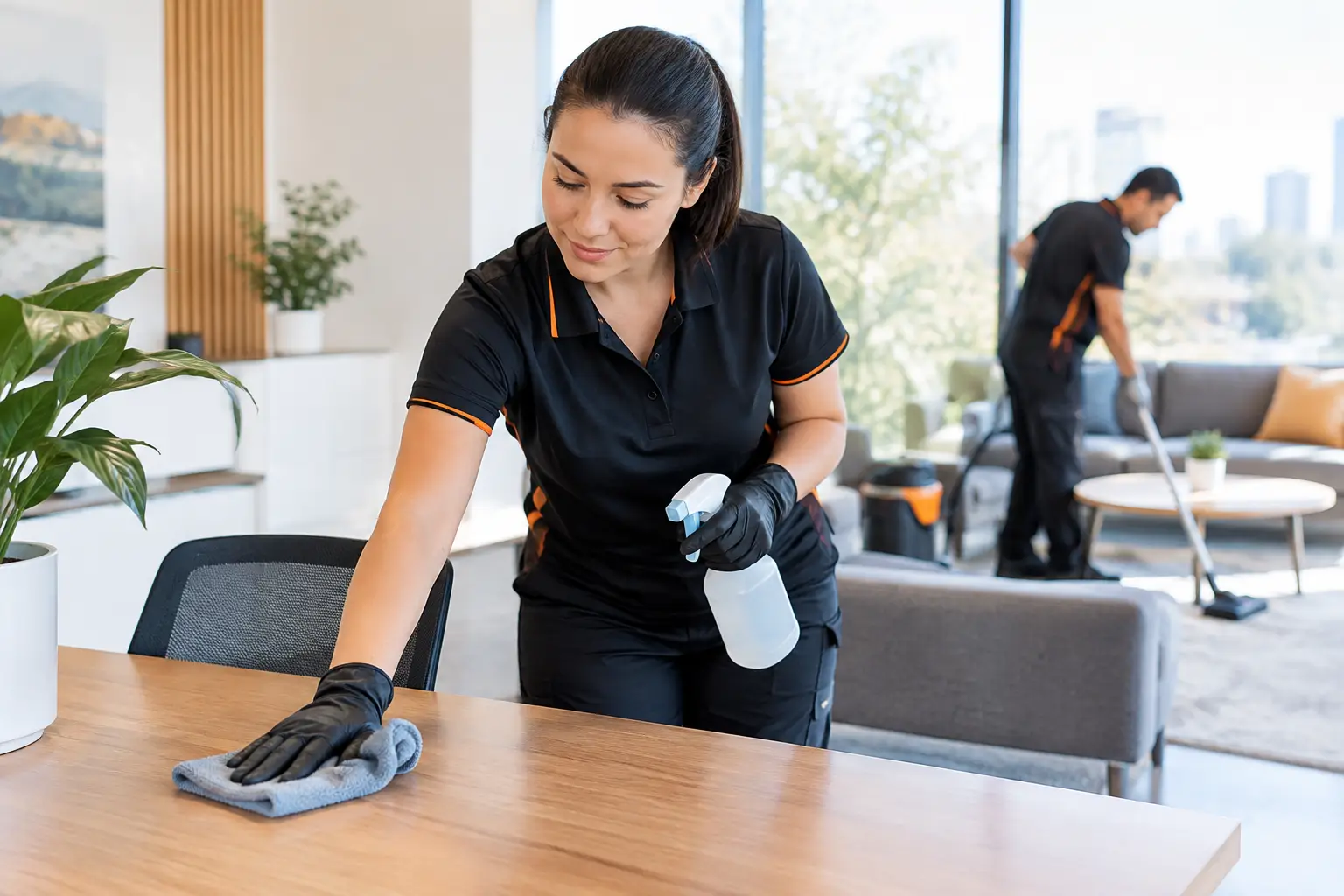
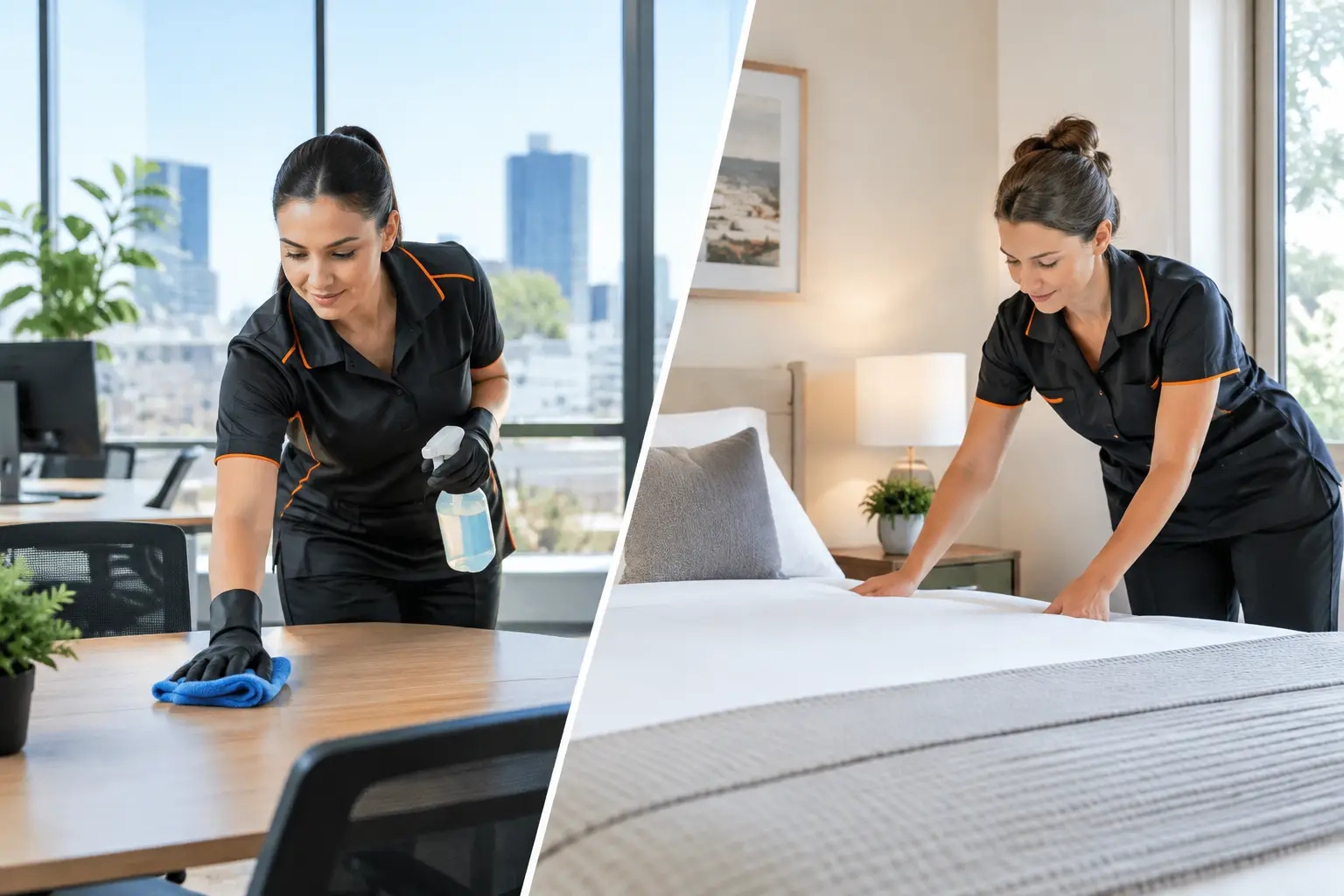
A quick wipe-down can keep a space looking presentable, but it cannot always deal with the grime building up behind taps, under furniture, inside cupboards and along skirting boards. If you are wondering when should you book deep cleaning, the answer is usually when regular cleaning is no longer bringing the home or workplace back to the standard you expect.
Deep cleaning is not only for visibly dirty properties. It is a practical reset for busy households, rentals, guest accommodation and commercial sites where hygiene, presentation or a major change in routine calls for more than the weekly clean. The right timing can prevent a manageable job becoming an overwhelming one.
What makes deep cleaning different?
Regular cleaning maintains the surfaces you use every day. It usually covers vacuuming, mopping, bathrooms, kitchen benches, dusting and rubbish removal. Deep cleaning goes further into the places that are easy to miss or postpone: built-up soap scum, rangehood grease, tile grout, internal cabinets, detailed bathroom fixtures, skirting boards, door frames and hard-to-reach corners.
The exact scope depends on the property and its condition. A family home after a busy school term needs a different approach from an office with high foot traffic or a rental preparing for a final inspection. That is why a clear, itemised quote matters. It sets realistic expectations about what will be cleaned and allows enough time for detail work.
When should you book deep cleaning? Key signs to watch for
You do not need to wait until the place feels out of control. In fact, booking earlier is often more efficient, less stressful and easier on surfaces that have accumulated grease, mineral deposits or dust over time.
One of the clearest signs is that the usual clean no longer makes a visible difference. You might mop the floor and still notice dull patches, clean the bathroom and find water marks returning straight away, or wipe the kitchen only to see grease around handles and splashbacks. These are common signs that built-up residue needs a more thorough treatment.
Persistent odours are another trigger. Smells around bins, drains, upholstered furniture, carpets, fridges or staff kitchens can linger even when the room appears clean. A deep clean helps remove the source of odours rather than simply masking them with fragrance.
It is also worth booking when dust seems to reappear immediately. Dust settling on blinds, ceiling fans, vents, ledges and behind furniture can affect how fresh a room feels, particularly for households with allergies or workplaces where clients and staff expect a tidy environment.
Consider a deep clean if you notice any of the following:
- Soap scum, mould marks or discolouration that routine bathroom cleaning will not shift.
- Grease on kitchen cupboards, splashbacks, ovens or rangehood filters.
- Dirty grout, stained floors or neglected edges around rooms.
- Dust, pet hair or crumbs collecting under beds, lounges and large furniture.
- A property that looks tidy at first glance but does not feel genuinely clean.
Book around life events, not just a cleaning schedule
Some of the best times to arrange deep cleaning are before or after a significant event. Planning around these moments means the service supports a real outcome, whether that is a smooth handover, a healthier reset or a stronger first impression.
Before moving in or handing back a rental
An empty home makes it easier to access floors, cupboards and areas behind appliances. Booking a deep clean before moving in lets you unpack into a clean space, especially if the previous condition is uncertain. It is also useful after renovations or minor repair work, when fine dust can settle well beyond the room where work was carried out.
For tenants, a detailed clean before a final inspection can reduce last-minute pressure. End-of-lease cleaning requirements vary, and a deep clean is not a guarantee that every property manager will have identical expectations. However, addressing kitchens, bathrooms, floors, inside cupboards and marks in high-use areas gives you a far better starting point for a confident handover.
Before hosting guests or welcoming family
If you are preparing for a milestone birthday, holiday gathering, houseguest stay or open home, deep cleaning can take care of the jobs visitors notice without being asked. Bathrooms, entryways, kitchen surfaces, windows and floors tend to make the strongest impression.
Book a few days ahead rather than the night before. This gives you time to put personal items away, complete any small repairs and enjoy the result instead of rushing through preparation.
After illness, renovations or a demanding season
After a household illness, a particularly busy period at work or months of putting off the heavier jobs, a full reset can make daily cleaning easier again. It is not a substitute for specialist infection-control procedures where these are required, particularly in medical or aged care settings. But for ordinary homes and workplaces, a thorough clean helps restore order and hygiene after a disruptive period.
Post-renovation cleaning is another clear case. Builder dust is fine, persistent and often settles on surfaces long after the trades have left. It needs careful removal from ledges, fittings, floors and detailed areas before the property is ready to use.
How often is deep cleaning needed?
For many Adelaide households, every six to 12 months is a sensible guide. Homes with young children, pets, smokers, frequent entertaining or allergy concerns may benefit from a deep clean every three to six months. Smaller households with a consistent weekly cleaning routine may only need one annually.
Commercial timing depends more on use than the calendar. A quiet office may need periodic deep cleaning alongside regular services, while gyms, hospitality venues, clinics, schools and high-traffic retail sites may require detailed work much more often. Shared kitchens, bathrooms, entry points and touch surfaces are usually the first areas to show wear.
Airbnb hosts and property managers should think in terms of turnover and property standards. Regular turnover cleaning keeps a property guest-ready, while scheduled deep cleaning protects the long-term presentation of bathrooms, kitchens, upholstery, windows and high-touch fixtures. Waiting until a guest mentions cleanliness can cost more than acting before the issue becomes visible.
Choose the right time of day
A deep clean takes longer than a standard service because it is designed to be detailed. For homes, choose a time when cleaners can work with reasonable access to bathrooms, kitchens and living areas. Being out of the house is often convenient, but it is not always necessary if access and priorities are agreed in advance.
For offices and commercial spaces, early morning, evening or weekend appointments can minimise interruption. The best option depends on your operating hours, security requirements and whether staff, customers or patients will be present. Businesses should also allow time for floors and cleaned areas to dry before the next shift begins.
Prepare without overdoing it
You do not need to clean before a professional deep clean. That defeats the point. A little preparation does help the team spend more time on the detailed work you are booking them for.
Clear personal items from benches, bathroom vanities and floors where possible. Put away valuables, arrange access to parking and let the cleaner know about delicate surfaces, pets, allergies, access restrictions or areas requiring special attention. If the oven, internal fridge, balcony, windows or upholstery are priorities, confirm these before the appointment rather than assuming they are included.
For commercial premises, provide relevant site instructions, alarm or key arrangements, and a contact person who can answer questions. In clinics, schools and regulated environments, discuss any hygiene protocols, approved products and timing constraints before work begins.
Do not wait for the clean-up to become urgent
Deep cleaning works best as planned maintenance, not an emergency response to a property that has become difficult to manage. It protects the appearance of your space, makes routine cleaning more effective and removes a sizeable job from your weekend.
Whether you are preparing a rental, resetting a busy family home or keeping a workplace presentation-ready, choose a time when the clean can support what comes next. A professional team such as Spiffi Cleaning can help define the right scope, schedule the service around your routine and leave you with a space that feels properly cared for.