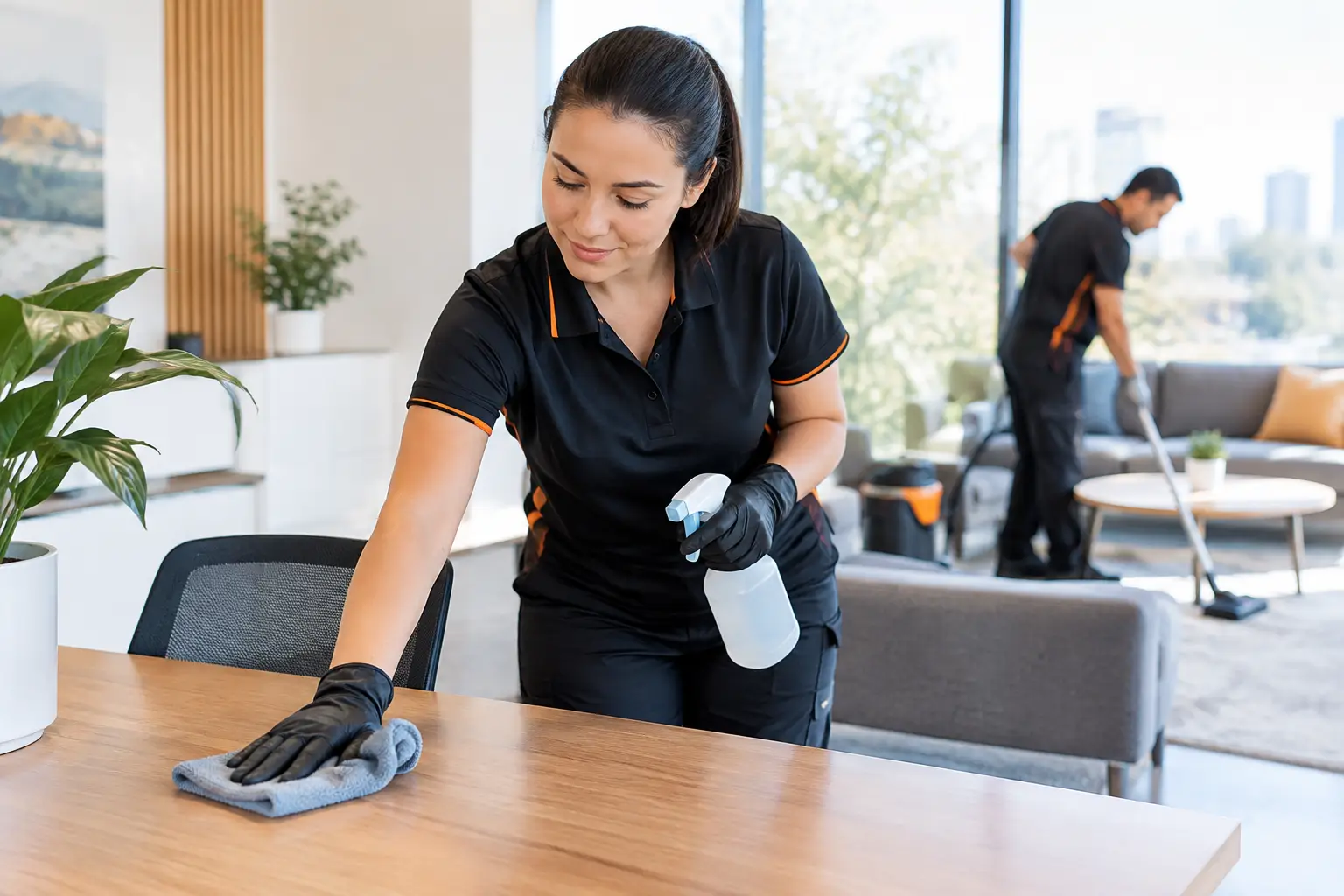
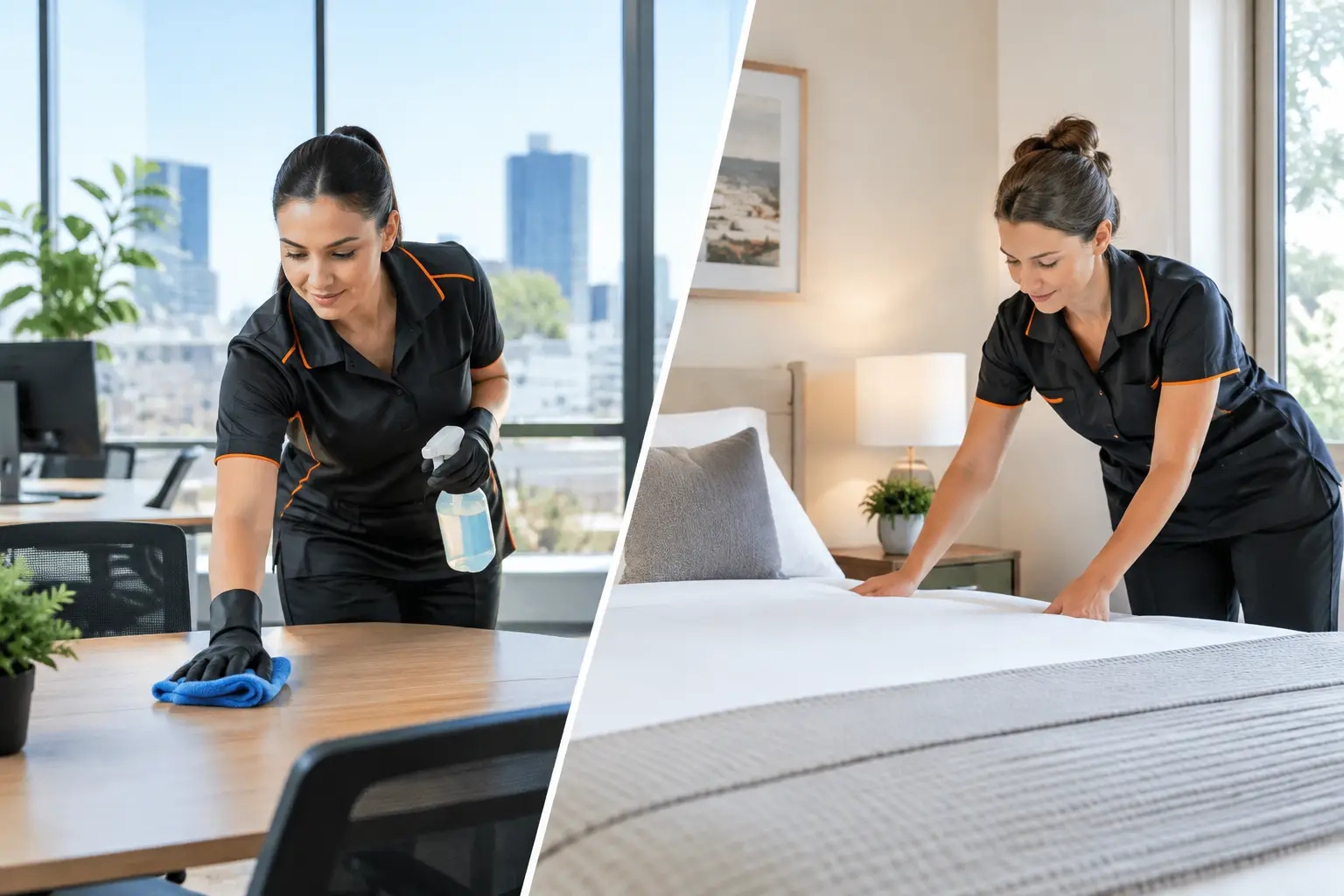
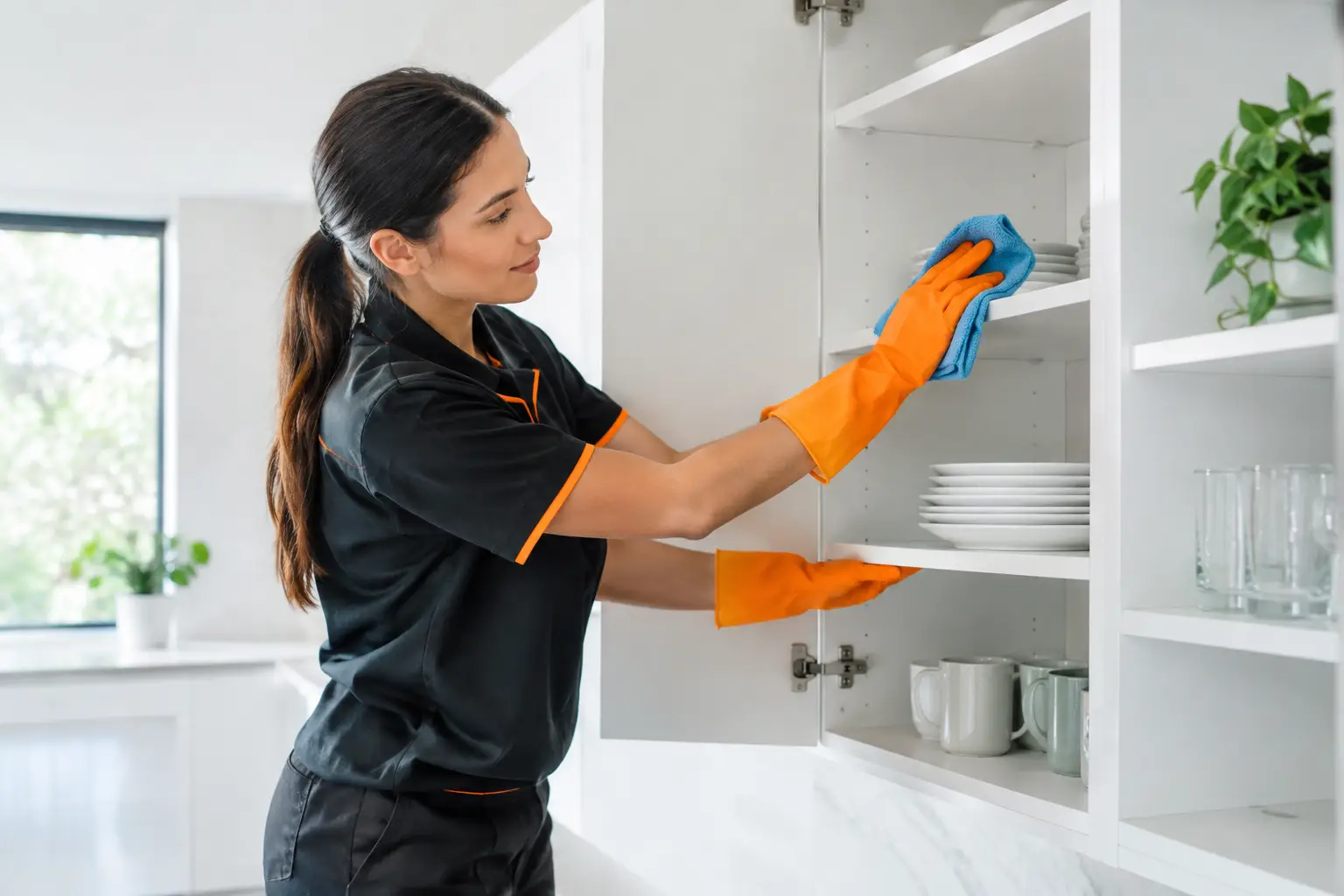
A final inspection can turn on details that are easy to miss: grease behind the cooktop knobs, soap residue along a shower screen, dust on a ceiling-fan blade or crumbs trapped in a drawer. Rental property cleaning standards are not about making a lived-in home look brand new. They are about returning it in a reasonably clean condition that reflects the property’s condition at the start of the tenancy, allowing for fair wear and tear.
For tenants, that standard protects the bond and reduces stressful back-and-forth with an agent. For landlords and property managers, it creates a clear baseline for the next occupant and keeps turnaround time under control. The most reliable approach is not simply to clean harder. It is to clean methodically, document the result and deal with the areas inspections regularly reveal.
What rental property cleaning standards actually mean
There is no single cleaning checklist that applies identically to every rental. The lease, entry condition report, property manager’s requirements and the condition of the home at move-in all matter. A furnished Airbnb-style rental, for example, has different presentation needs from an unfurnished long-term tenancy. Likewise, a home handed over after a renovation may require targeted dust removal beyond ordinary end-of-lease cleaning.
The practical benchmark is straightforward: the property should be clean, hygienic and ready for its next use, without tenant-caused dirt, rubbish or neglected buildup. Surfaces, appliances, bathrooms, floors, windows and outdoor areas should receive attention where they were part of the tenant’s responsibility.
Fair wear and tear is different. Faded paint from sunlight, worn carpet in a high-traffic path and ageing grout are not cleaning failures. A heavily stained oven, mould caused by poor ventilation practices, greasy rangehood filters or pet hair throughout the property may be. The distinction can depend on the evidence, which is why before-and-after photos and a careful review of the entry report are worth the time.
Start with the condition report, not the cleaning cupboard
The entry condition report is the best guide to the finish expected at handover. Compare each room with the notes and photos from the start of the tenancy before deciding what needs cleaning, repair or discussion with the property manager.
This prevents two common problems. The first is spending hours trying to restore an existing mark that was already documented. The second is overlooking something that seemed minor at move-in but has become noticeably worse, such as a stained blind or greasy splashback.
Take fresh photos once each room is completed. Photograph inside the oven, fridge, cupboards and wardrobes, as well as wider shots of bathrooms, floors and outdoor spaces. Good records do not replace a proper clean, but they provide useful clarity if there is a question after keys are returned.
The rooms that need the closest attention
Kitchen: clean beyond the visible surfaces
Kitchens are one of the most frequent causes of re-clean requests because grease travels further than expected. Wiping the benchtop is only the beginning. Inspect the cooktop, oven interior, trays, racks, rangehood, filters, splashback, cupboard fronts and handles. Pull out removable shelves and drawers where practical, then remove crumbs and sticky residue from the tracks and corners.
The dishwasher filter, sink drain, tapware and the space around appliances also deserve attention. If the property includes a refrigerator, clean the shelves, seals, drawers and exterior, then leave it empty and switched off only if the managing agent has instructed that. Avoid harsh products on delicate stone, timber or stainless-steel finishes. The right product and a clean microfibre cloth usually achieve a better result than aggressive scrubbing.
Bathroom and laundry: hygiene plus presentation
A bathroom can look clean while still failing inspection because of soap scum, hair, scale or mould. Focus on shower screens and tracks, tiles, grout, taps, toilet base, vanity drawers, mirrors, exhaust fan covers and floor edges. Rinse away cleaning residue after treating the shower, as leftover product can leave streaks or make surfaces look dull.
Mould needs sensible handling. Light surface mould may be cleaned with an appropriate product, ventilation and protective equipment. Recurring mould, damaged silicone or signs of a water leak should be reported rather than concealed. Cleaning cannot solve a maintenance issue, and strong chemicals used incorrectly can damage finishes or create a safety risk.
In the laundry, clear lint from the dryer filter where applicable, wipe down the tub and taps, and check behind and beside machines for dust, lint and small items.
Living areas and bedrooms: work from high to low
Dust falls, so start with ceiling fans, vents, light fittings, blinds, skirting boards and window tracks before vacuuming or mopping. Wipe switches, door handles and wardrobe shelves, then inspect walls for removable marks. Spot cleaning can help, but over-scrubbing painted walls may leave a more visible patch than the mark itself.
Floors should be vacuumed thoroughly, including corners, under accessible furniture and along edges. Hard floors need the correct cleaner and a lightly damp mop rather than excessive water. If carpet cleaning is required under the lease, or has been requested because of pets or stains, arrange it early enough for the carpet to dry before the final inspection. A damp carpet can hold odour and make a freshly cleaned room look unfinished.
Windows, outdoor spaces and rubbish
Window cleaning is often assessed from both sides. Clean internal glass, tracks and sills, and attend to accessible external panes where this is safely possible and within the tenancy obligation. Do not take risks with elevated windows or difficult access. Professional equipment and trained staff are the safer choice when the job cannot be completed securely from ground level.
Balconies, courtyards, letterboxes, garages and bins are easy to leave until last, then rush. Remove all personal items and rubbish, sweep outdoor areas, clear visible cobwebs and tidy garden areas only to the level specified in the agreement. Do not make major changes to a garden without approval.
A smarter process for a cleaner handover
End-of-lease cleaning becomes difficult when it is treated as one large, last-minute task. Start a few days ahead, particularly where carpet cleaning, rubbish removal, wall repairs or outdoor work are involved. Clean rooms from top to bottom and from the furthest point towards the exit, so completed areas are not tracked through again.
Before handing back the keys, complete one slow inspection with the lights on and cupboards open. Look from the perspective of someone seeing the property for the first time. Check for fingerprints on glass, hair in drains, dust on ledges, food in cupboards and items left in storage areas. These small checks often make the difference between a clean that looks acceptable and one that feels inspection-ready.
If you are a landlord or property manager, provide expectations early and in writing. A room-by-room scope is more useful than a vague request for a “professional clean”. It gives tenants a fair target and makes follow-up work easier to identify. It is also wise to schedule the final inspection after any carpet or specialist cleaning has had time to settle and dry.
When professional cleaning is the practical option
A professional clean is particularly useful when time is tight, the property is large, there is heavy kitchen or bathroom buildup, or the handover involves multiple services such as windows and carpet care. It can also reduce coordination pressure for property managers handling a short vacancy window between tenancies.
The value is in a defined scope and accountable result, not just a cleaner appearance on the day. Ask what is included, whether the team will address common inspection points, how concerns are handled and whether a re-clean is available if an agreed item is missed. At Spiffi Cleaning, trained and police-checked teams use professional equipment and can support Adelaide tenants, landlords and managers with detail-focused rental cleaning when a dependable turnaround matters.
A property handover is easier when no one has to guess what “clean” means. Match the original condition report, allow for genuine wear, pay attention to the overlooked areas and leave enough time for a final check. That gives the next occupant a better start and gives everyone involved fewer reasons to reopen the conversation.