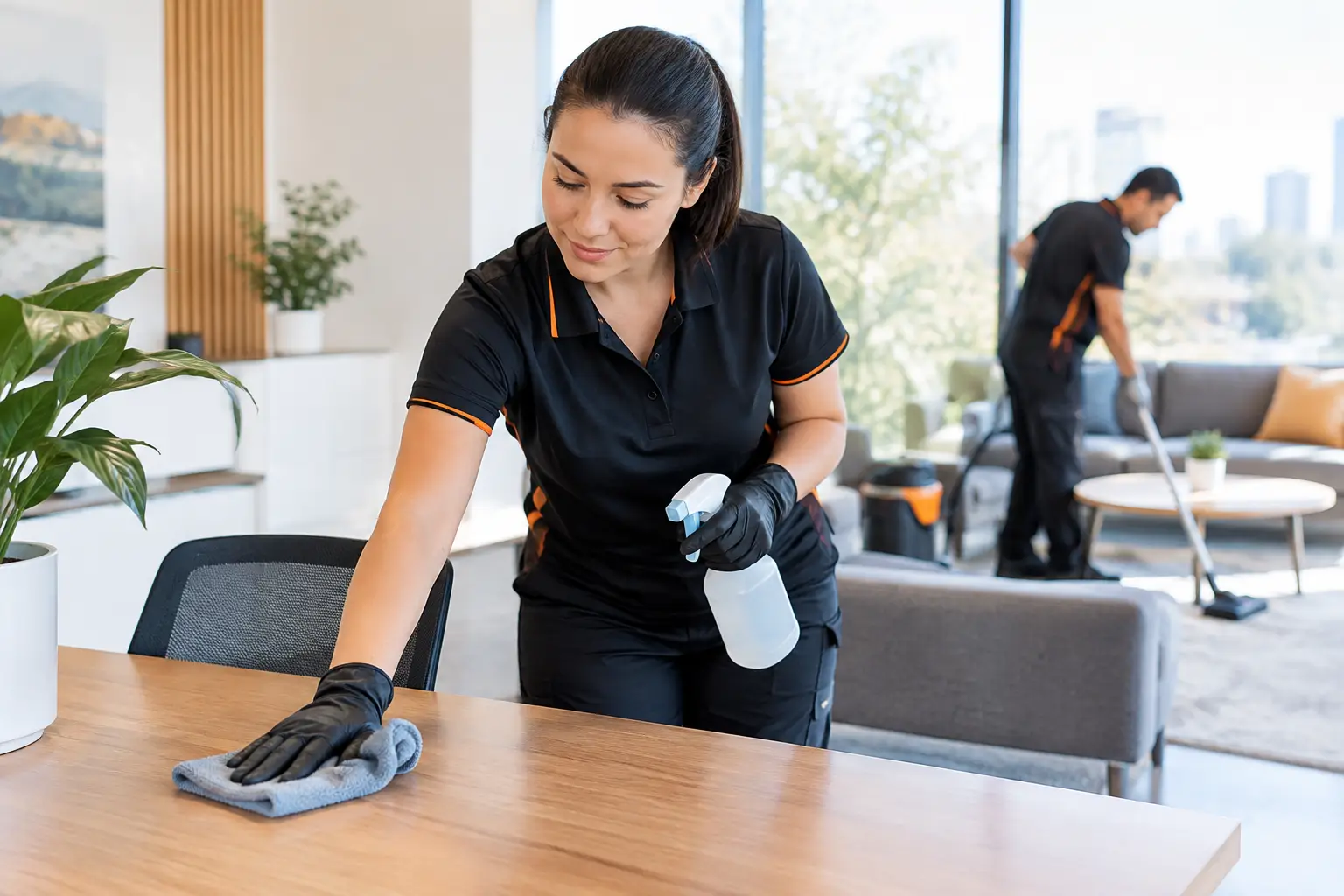
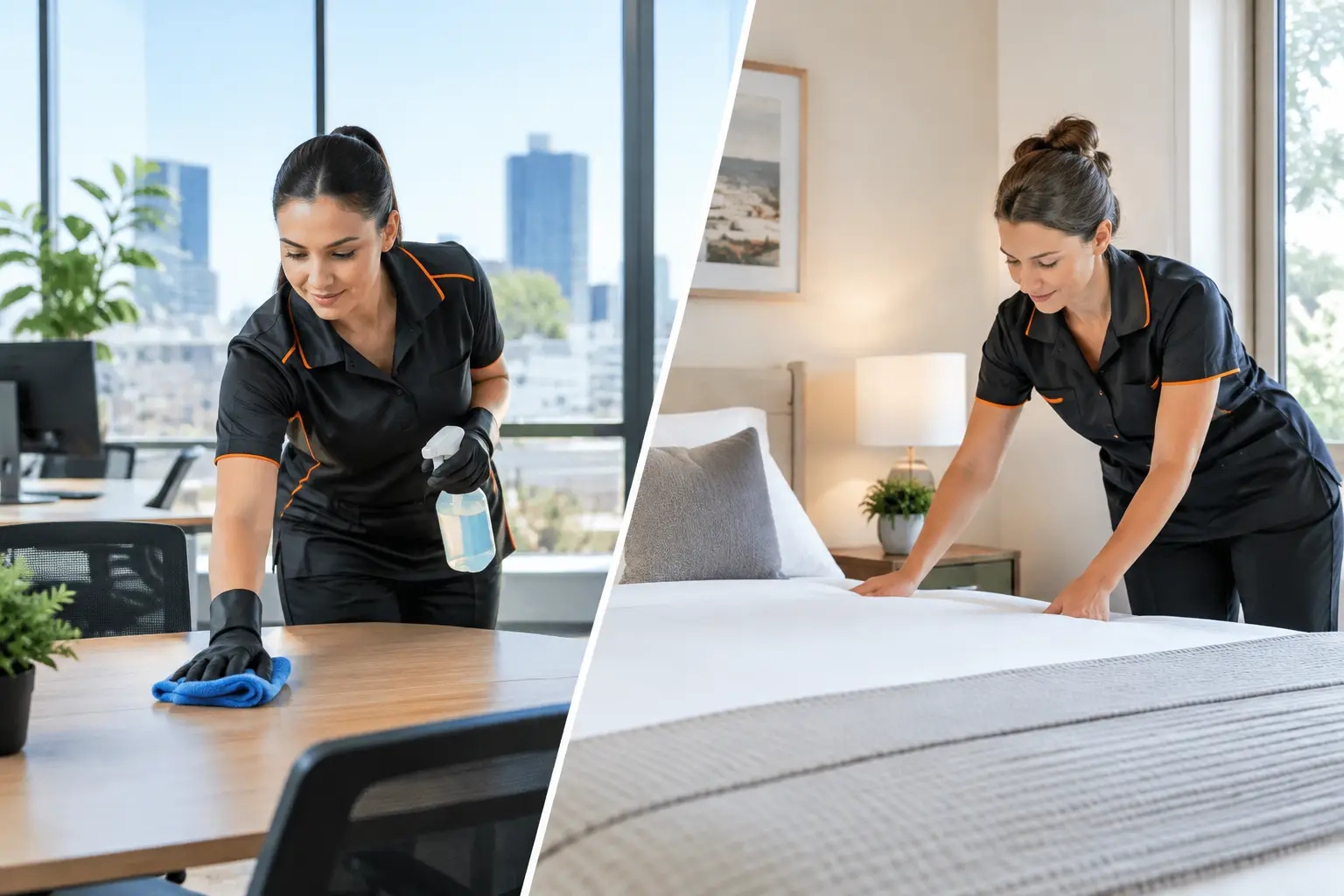
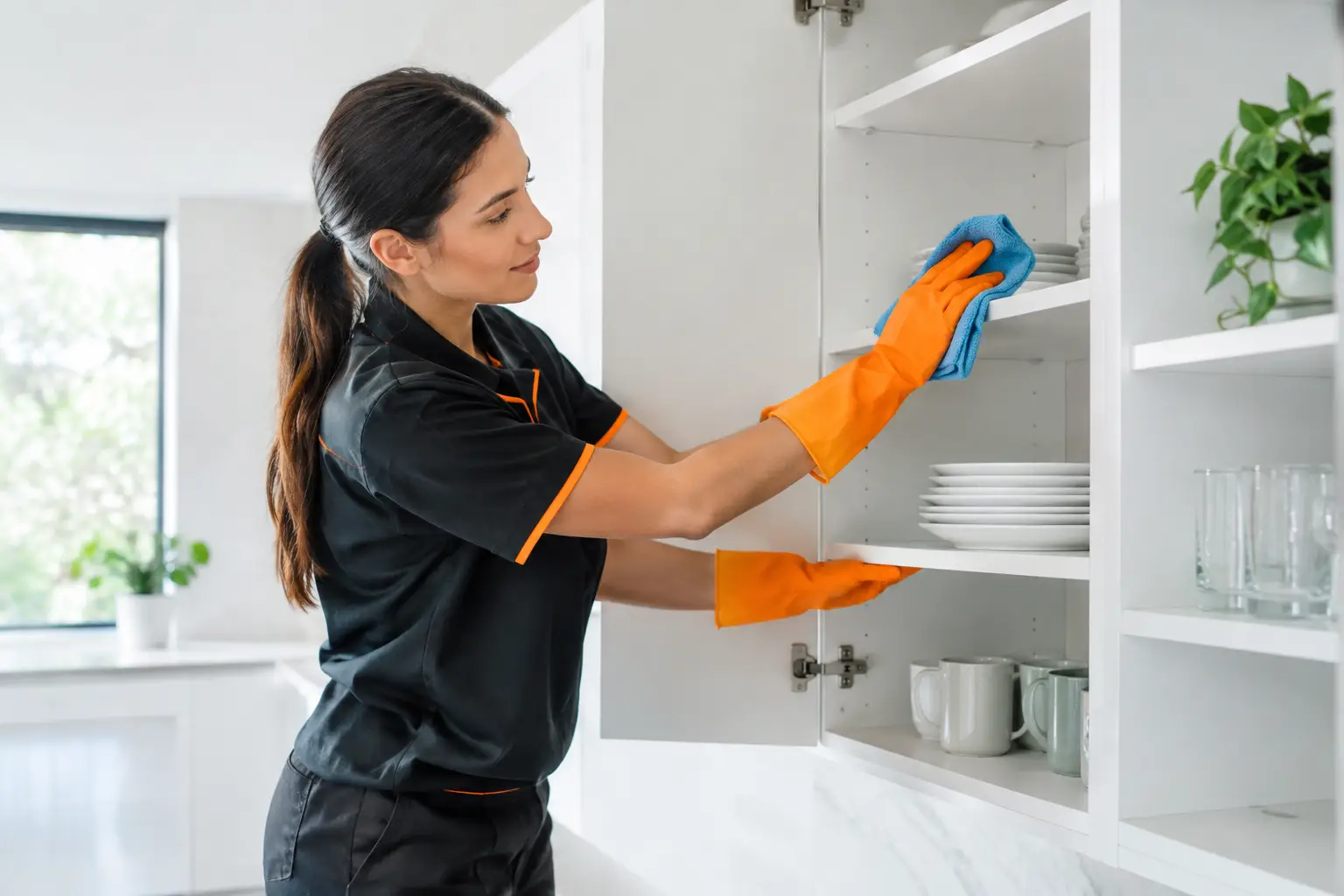
A product that smells sharply of bleach can feel like proof that a surface is clean. But scent is not a hygiene standard, and neither is a green label. When comparing eco cleaning products versus chemical cleaners, the best choice comes down to the surface, the soil, the people using the space and the level of sanitation required.
For a busy Adelaide household, office or rental property, the goal is straightforward: a clean, healthy space without unnecessary residue, damage or disruption. Eco-friendly products can be highly effective for routine cleaning, while targeted chemical products still have a role in certain high-risk or heavily soiled settings. Knowing the difference helps you make a practical decision rather than choosing based on marketing alone.
Eco Cleaning Products Versus Chemical Cleaners: The Real Difference
The term “chemical cleaner” is often used to describe conventional products containing synthetic ingredients, including solvents, surfactants, fragrances, bleaches, acids and disinfectants. In reality, every cleaning product is made of chemicals, including water, vinegar and plant-based ingredients. The useful distinction is between products formulated to reduce environmental and human exposure concerns, and stronger conventional formulations designed for specific cleaning or disinfection tasks.
Eco cleaning products commonly use biodegradable ingredients, lower-impact surfactants and reduced or no added fragrance. Many are formulated without chlorine bleach, ammonia, phosphates or harsh solvents. Their packaging may also use recycled materials or concentrates that reduce plastic and transport waste.
Conventional cleaners are not automatically poor choices. A properly selected, correctly diluted product can remove grease, mineral deposits, mould staining or pathogens efficiently. The issue is whether the strength and formulation are necessary for the task, and whether it is being used safely.
A mild all-purpose product is usually sufficient for wiping kitchen benches, dusting workstations and maintaining sealed floors. A neglected oven, heavily soiled shower screen or post-construction site may need a more specialised approach. In medical clinics, aged care settings and food preparation areas, cleaning may also need to be followed by a suitable disinfectant according to the site’s hygiene procedures.
Cleaning and Disinfecting Are Not the Same Job
This is where many cleaning decisions go wrong. Cleaning removes visible dirt, oils, crumbs and a large proportion of microbes from a surface. Disinfecting uses a product designed to kill or inactivate particular microorganisms, but it generally works best after the surface has been cleaned first.
An eco product may be an excellent everyday cleaner without being a hospital-grade disinfectant. Conversely, reaching for disinfectant on every surface, every day, can leave residues, irritate skin and respiratory systems, and add cost without improving outcomes.
For homes and standard offices, thorough routine cleaning of high-touch areas such as door handles, taps, light switches and shared equipment is often the foundation of good hygiene. During illness outbreaks, in clinical environments or where a contract specifies disinfection, use an approved product for the required contact time. Wiping it away immediately may mean it cannot do its job.
The practical standard is simple: clean first, then disinfect only where the setting, risk assessment or product instructions call for it.
Where Eco Products Perform Well
Modern eco-friendly products are not limited to weak sprays with a citrus scent. Good-quality options can handle daily grime, fingerprints, dust, soap residue and light kitchen grease effectively. They are particularly well suited to recurring domestic cleans, office cleaning and guest-ready presentation for Airbnb properties.
Their main benefits are often felt by the people in the space. Low-fragrance formulations can be more comfortable for staff, children, guests and customers who are sensitive to strong smells. They can also reduce the chance of harsh residues on regularly touched surfaces when used as directed.
Eco products are a sensible fit for regular cleaning of sealed hard floors, desks, mirrors, general bathroom surfaces and routine kitchen maintenance. They are also valuable where cleaning occurs during business hours, as a less intrusive smell helps offices, retail spaces and shared buildings remain comfortable for occupants.
Environmental benefits depend on the full product, not just a single claim on the label. Concentrated formulas, refill systems, biodegradable ingredients and accurate dilution all reduce waste. Using the right amount matters: overusing even an eco product wastes money and can leave streaks or residue.
When Stronger Chemical Cleaners Are the Better Tool
There are situations where a conventional or specialist product is the responsible choice. Heavy grease in commercial kitchens, soap scale and calcium build-up in bathrooms, rust marks, mould treatment and end-of-lease problem areas can require chemistry that a gentle all-purpose cleaner cannot provide quickly or reliably.
Post-construction cleaning is another example. Fine building dust, adhesive residues, grout haze and paint splatters often need product-specific removal methods. Using a general eco spray on these soils can lead to repeated scrubbing, wasted labour and an inconsistent finish. The more sustainable outcome is sometimes the product that removes the problem properly the first time, with controlled use and correct disposal.
High-risk settings also require a more disciplined approach. Medical and clinic cleaning, aged care environments and some food-service areas may have documented infection-control requirements. In these cases, product selection must be guided by the type of surface, the required pathogen claim, safety data and the facility’s cleaning plan. “Natural” is not a substitute for compliance.
The key is targeted use. Strong products should solve a defined problem, not become the default for every desk, floor or bathroom surface.
Safety Depends on Product Choice and Process
A product is only as safe as the way it is used. Eco-labelled cleaners can still irritate eyes or skin, particularly when concentrated. Acid-based products can damage natural stone, and some essential-oil ingredients may trigger sensitivities. Conventional products carry their own risks, especially when mixed, over-applied or used in poorly ventilated rooms.
Never mix cleaning products. In particular, bleach can react dangerously with ammonia, acids and other common ingredients. Keep products in their original labelled containers, follow dilution instructions and ensure staff are trained in the correct method for each task.
For professional premises, clear procedures protect everyone. This includes using suitable gloves or other personal protective equipment where required, displaying wet-floor signage, allowing adequate ventilation and storing products securely away from public areas. A cleaning provider should also understand which products are suitable for delicate materials such as timber, stone, stainless steel, glass and upholstery.
At Spiffi Cleaning, product selection is approached as part of the service, not as an afterthought. The aim is to use eco-friendly options for suitable day-to-day work while applying specialised products carefully where the job, surface or hygiene requirement calls for them.
Look Beyond the Front Label
Terms such as “green”, “natural” and “non-toxic” can be useful, but they do not tell the full story. A credible product should provide clear directions, ingredient or safety information, dilution guidance and defined uses. For a commercial site, it should also fit within the organisation’s safety and hygiene requirements.
Ask practical questions before choosing a product or provider. What needs to be removed? Is the surface porous, delicate or high-touch? Will children, clients, patients or pets be nearby? Does the area require cleaning only, or documented disinfection? How often will the task be repeated?
The answers shape the right solution. A family home may prioritise low-fragrance, low-residue routine products. A property manager preparing for an inspection may need effective spot treatments for marks, scale and grease. An office manager may want eco-conscious daily cleaning but a clear disinfection process for shared amenities. A clinic needs products and procedures that support its infection-control obligations.
Better Results Come From Method, Not Just the Bottle
The product matters, but the process often matters more. Allowing a degreaser time to work, using clean microfibre cloths, changing mop water regularly and working from cleaner areas to dirtier ones all improve results. So does using separate equipment for bathrooms, kitchens and general areas to reduce cross-contamination.
For regular services, consistency is what keeps problems from becoming expensive deep-cleaning jobs. Dust, body oils, soap residue and kitchen grease are easier to remove when they are dealt with routinely. This reduces the need for aggressive products later and helps preserve surfaces over time.
The most responsible cleaning plan is rarely all eco or all conventional. It is a considered mix: effective low-impact products for everyday maintenance, specialised chemistry for genuine problem areas, and trained people who know how to use both safely. That approach keeps spaces looking their best while giving occupants the clean, comfortable environment they expect.