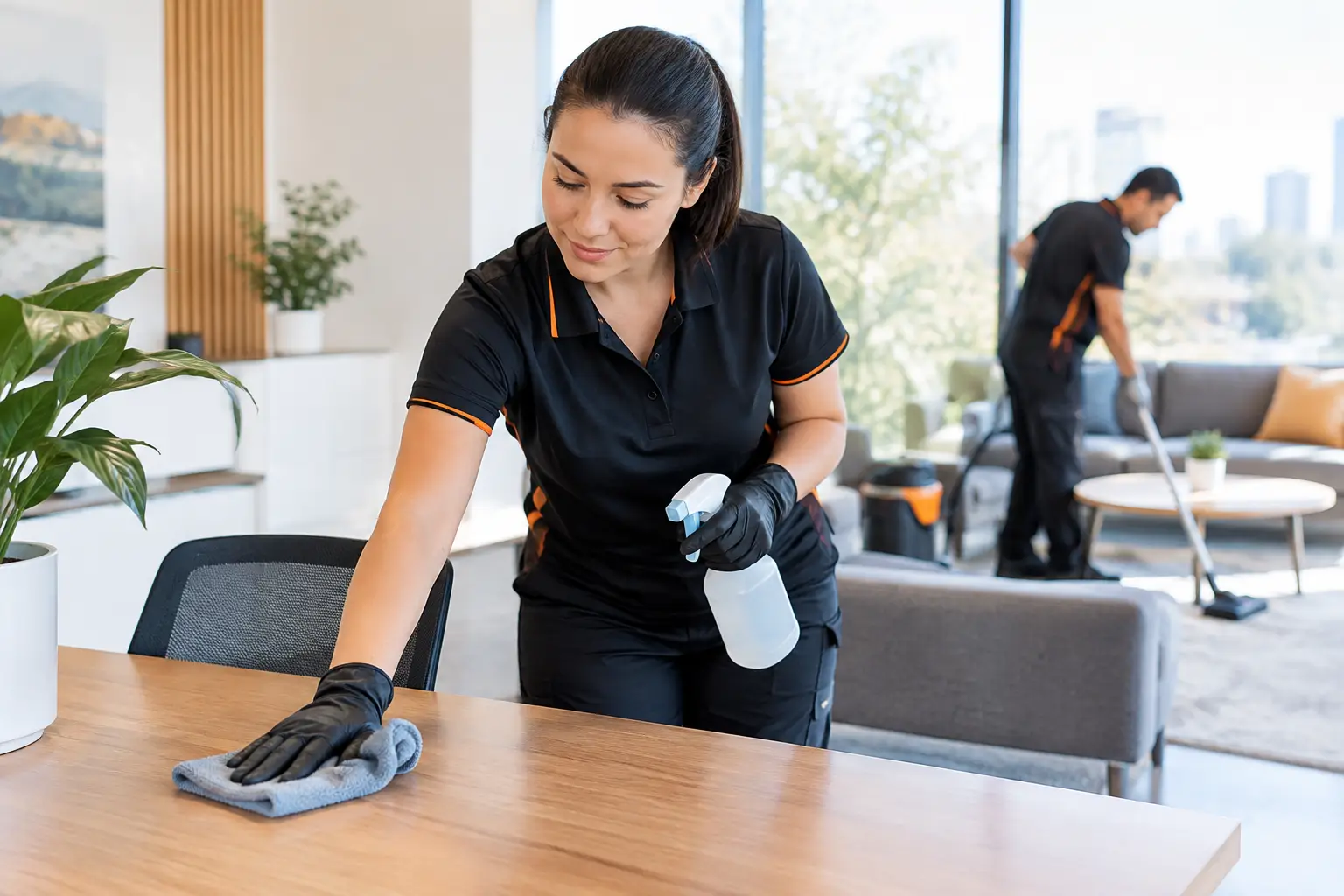
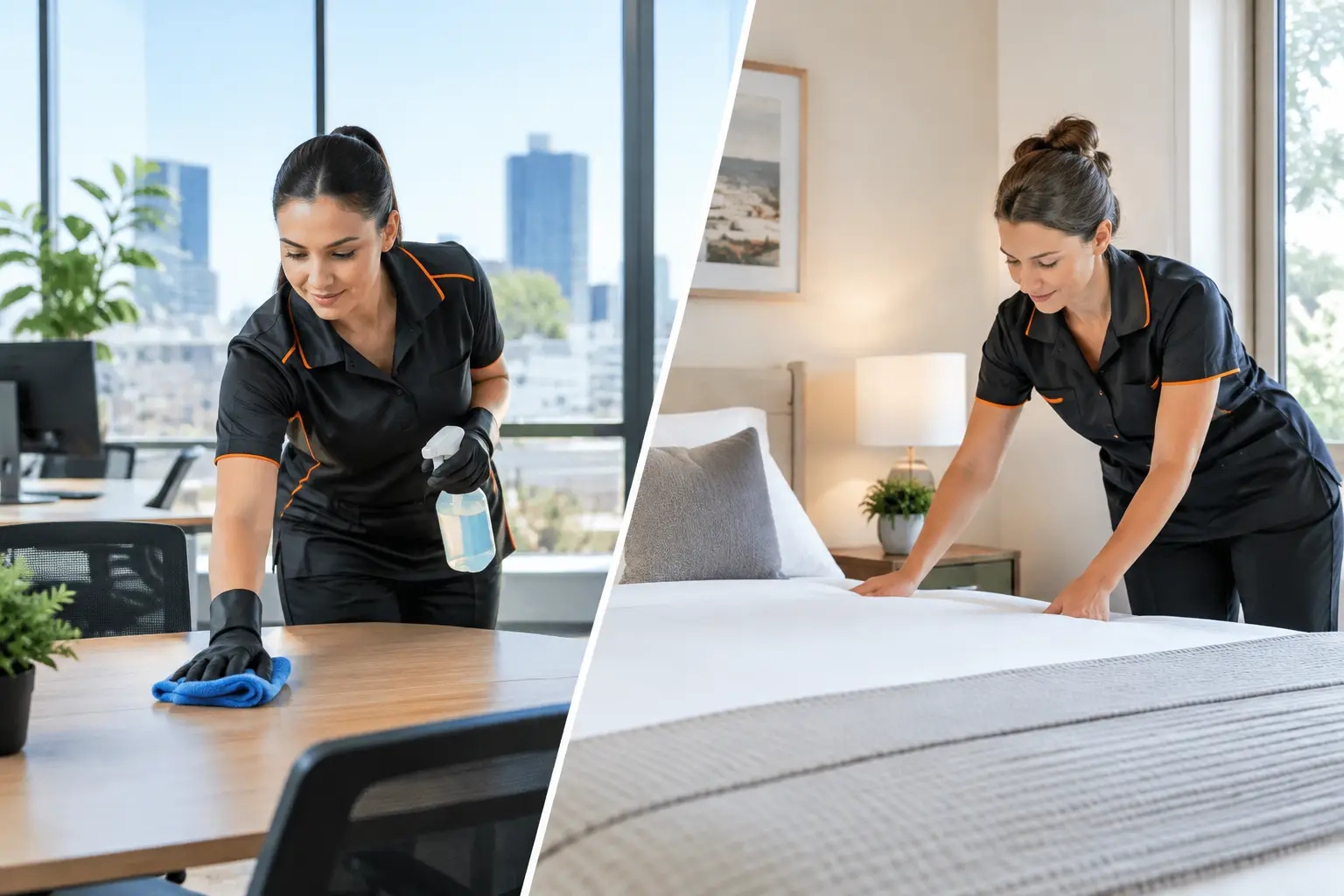
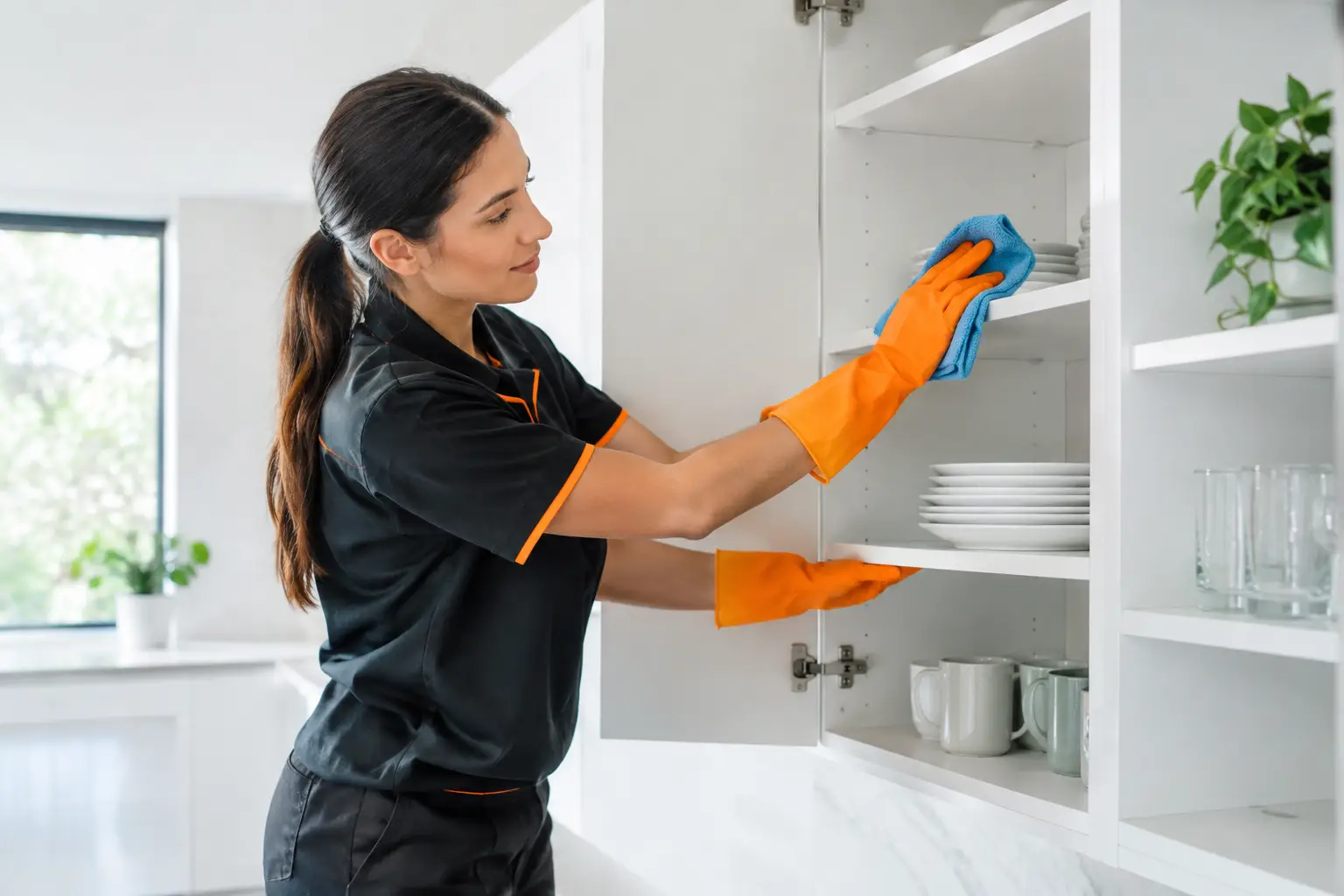
A missed clean in a home is frustrating. A missed clean in a workplace can mean staff complaints, hygiene risks, a poor first impression, or extra pressure on your team to fix it themselves. That is why a commercial cleaning services guide matters – not as a checklist for ticking boxes, but as a practical way to choose a provider that keeps your site presentable, compliant and easy to run.
Commercial cleaning is often treated like a background task until something goes wrong. Overflowing bins, grubby amenities, dusty reception areas and inconsistent bathroom cleaning are usually the first signs. The bigger issue is not the dust itself. It is the lack of a reliable system behind the service.
What commercial cleaning actually covers
Commercial cleaning is broader than many businesses expect. For some sites, it means standard office upkeep such as vacuuming, mopping, wiping desks, cleaning kitchens and restrooms, and removing rubbish. For others, it includes industry-specific work such as medical cleaning, high-touchpoint disinfection, window cleaning, post-construction cleans, or scheduled deep cleaning.
The right scope depends on how your space is used. A small office with a handful of staff does not need the same cleaning plan as a busy clinic, gym or hospitality venue. Foot traffic, shared facilities, operating hours and compliance requirements all shape the service.
This is where many businesses get caught out. They compare quotes without comparing the actual inclusions. One provider may price for a light maintenance clean, while another has allowed for consumable checks, touchpoint sanitising and more detailed amenities cleaning. The cheaper quote can quickly become the more expensive one if standards slip and issues need to be fixed later.
A commercial cleaning services guide to choosing the right scope
The best starting point is not price. It is risk and usage. Ask what would cause the biggest problem if it were cleaned poorly or inconsistently. In an office, that might be bathrooms and kitchens. In retail, it may be glass, floors and customer-facing areas. In a medical setting, treatment rooms and infection-control-sensitive surfaces take priority.
Cleaning frequency also needs to match reality. Daily cleaning is common for high-use sites, but not every task needs to happen every day. Some areas need attention each visit, while others can be handled weekly, fortnightly or monthly. A good provider will help separate routine cleaning from periodic work so you are not paying daily rates for tasks that only need occasional attention.
There is also a difference between appearance and hygiene. A workspace can look tidy while still falling short on sanitation. That matters in clinics, childcare settings, gyms and shared offices where touchpoints and amenities need a more disciplined cleaning routine. A professional service should be able to explain not just what is cleaned, but how and how often.
What to look for in a provider
Reliability matters more than sales language. A commercial cleaner should be able to show clear processes, trained staff and a straightforward scope of work. If the communication is vague before the job starts, it usually does not improve once the service is underway.
Look closely at staffing standards. Businesses should know who is entering their premises, especially after hours or in sensitive environments. Trained, police-checked staff provide a level of confidence that matters for offices, clinics, schools and managed properties. Consistency matters too. Constant staff changes can lead to missed details, confusion around site requirements and variable results.
Equipment and products are another area worth checking. Not every commercial space should be cleaned the same way. Eco-friendly products may be a priority for some workplaces, while specialised disinfectants or equipment may be needed in healthcare, hospitality or construction-related settings. The provider should match the tools to the site, not force every client into the same process.
It also helps to ask how issues are handled. Even good cleaning companies can have the occasional miss. What separates a professional operator is the response – fast communication, clear accountability and a willingness to rectify problems properly. A satisfaction guarantee or free re-clean policy shows confidence, but only if the company actually follows through.
Questions worth asking before you accept a quote
A good quote should tell you more than the total. It should outline what is included, how often each task is completed, whether the cleaner supplies equipment and products, and how access and security are managed.
Ask who supervises quality, how replacements are handled if regular staff are unavailable, and whether the service can scale if your needs change. If you manage multiple properties or a growing business, flexibility is not a bonus. It is part of choosing a provider that can support you long term.
It is also sensible to ask whether the business handles one-off and specialist work. A regular office clean is one thing. An after-renovation clean, a move-out clean, or a same or next-day urgent booking is another. Working with a provider that can cover routine cleaning and occasional larger jobs can save a lot of admin later.
Why industry experience changes the outcome
Commercial cleaning is not a single category. Different sectors have different expectations, and those expectations affect everything from scheduling to reporting.
Offices usually need quiet, efficient service that keeps workspaces presentable without disrupting staff. Medical and clinic cleaning requires stricter processes, careful handling of sensitive areas and a stronger focus on hygiene. Retail cleaning is often about presentation and customer experience, with floors, entry glass and amenities shaping first impressions. Warehouses and industrial spaces may need practical floor care, dust management and flexible access around operations.
That does not mean you need a giant contractor for every site. It means you need a company that understands your environment and can build a cleaning plan around it. Local businesses often do this well when they combine responsive service with structured systems. In Adelaide, for example, many businesses want the accountability of a local provider without sacrificing professionalism, documentation or consistency.
The real trade-off between cheap and dependable
Every business has a budget. But low-cost cleaning often comes with hidden compromises – rushed visits, vague scopes, undertrained staff or poor follow-up when problems arise. Those issues rarely stay confined to cleaning. They show up as complaints, internal time spent chasing fixes, and a workplace that never quite feels looked after.
That said, the most expensive quote is not automatically the best either. Some businesses pay for an oversized service package when they really need a sharper routine with clearer priorities. The goal is not to buy the most cleaning. It is to buy the right cleaning, delivered consistently.
A dependable service should feel predictable. You should know when the cleaners are coming, what is being done, and who to contact if something changes. That kind of clarity reduces friction for office managers, property managers and business owners who already have enough moving parts to deal with.
Signs your current cleaning setup is not working
Sometimes the problem is obvious. Staff are raising hygiene concerns, bathrooms are not being restocked properly, or dust builds up despite regular attendance. Other times, the warning signs are subtler. Cleaning tasks keep shifting onto your receptionist or site team. Standards vary depending on who attended. Small issues linger because nobody seems to own them.
If your current provider is hard to reach, unclear on inclusions, or frequently inconsistent, it may be time to review the arrangement. Commercial cleaning should remove hassle, not create another layer of follow-up.
For businesses that need consistency, flexible scheduling and clear accountability, a professional operator like Spiffi Cleaning can make that process simpler by combining trained staff, transparent quoting and service guarantees with a practical understanding of how commercial sites actually run.
A better way to think about cleaning support
Cleaning is not just about appearance. It supports staff wellbeing, customer confidence and the day-to-day functioning of the site. When it is done properly, people barely notice it. They simply walk into a space that feels fresh, hygienic and under control.
That is the benchmark worth aiming for. Not a flashy promise, and not the cheapest number on a quote sheet, but a service that turns up, follows through and gives you one less thing to worry about.