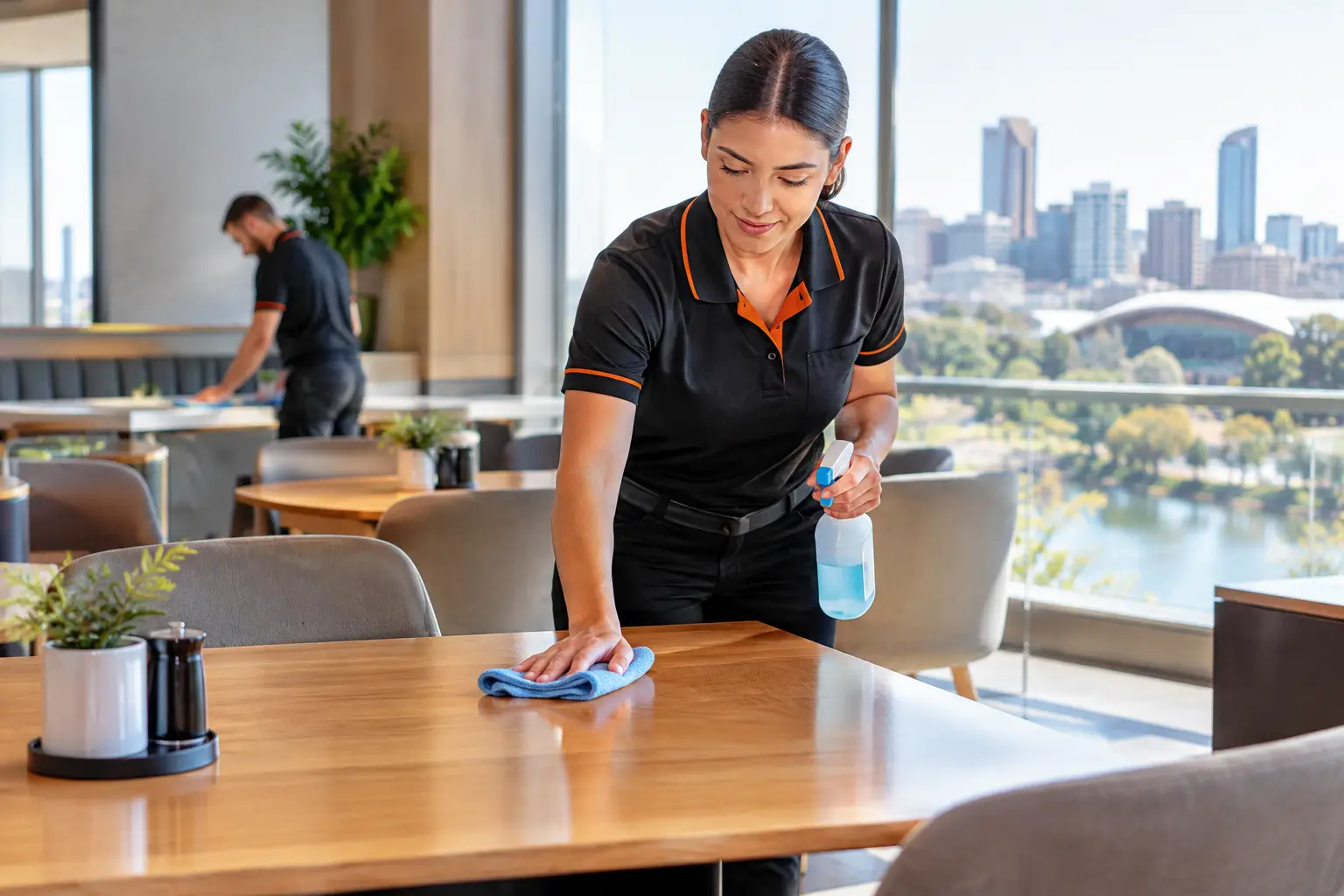
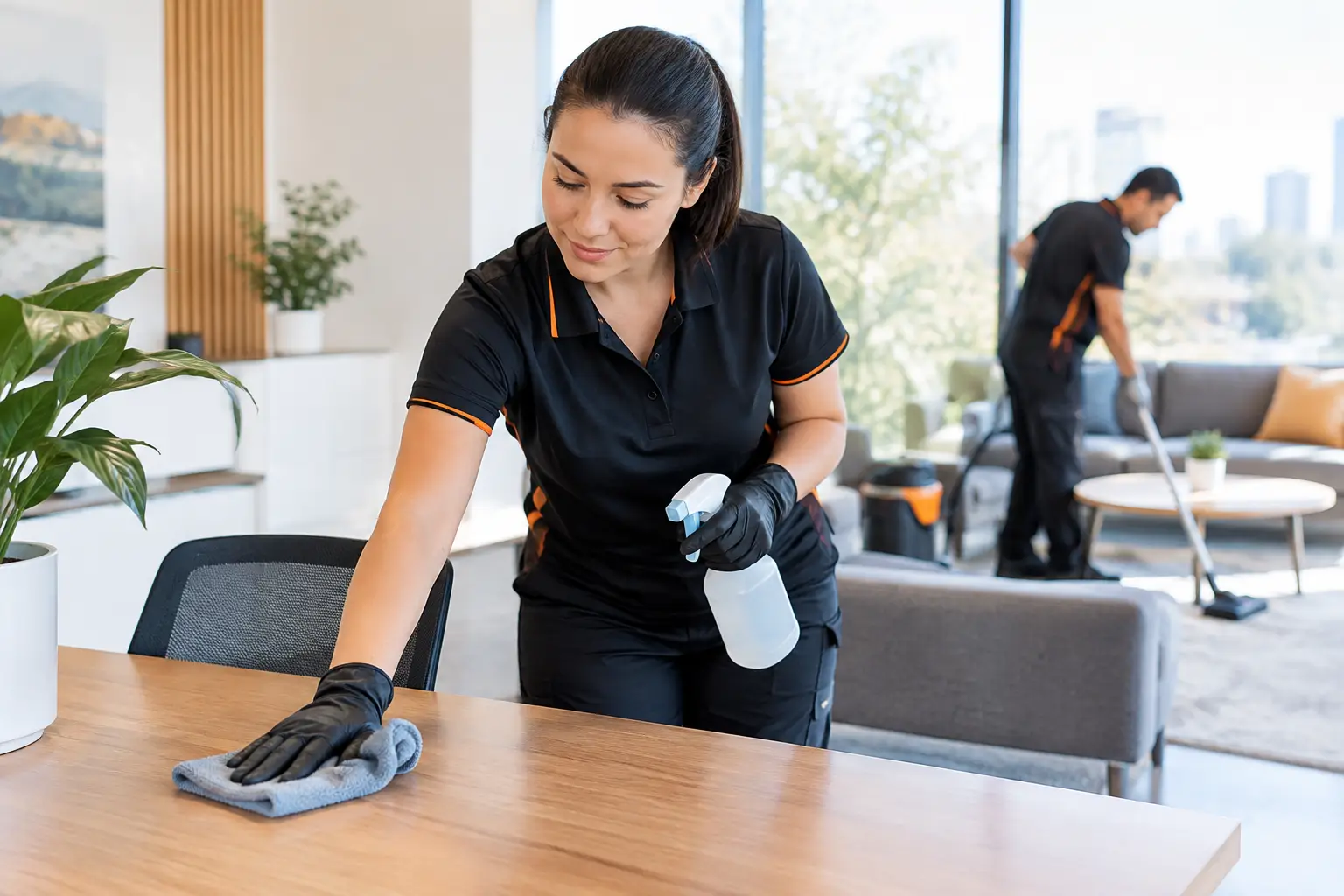
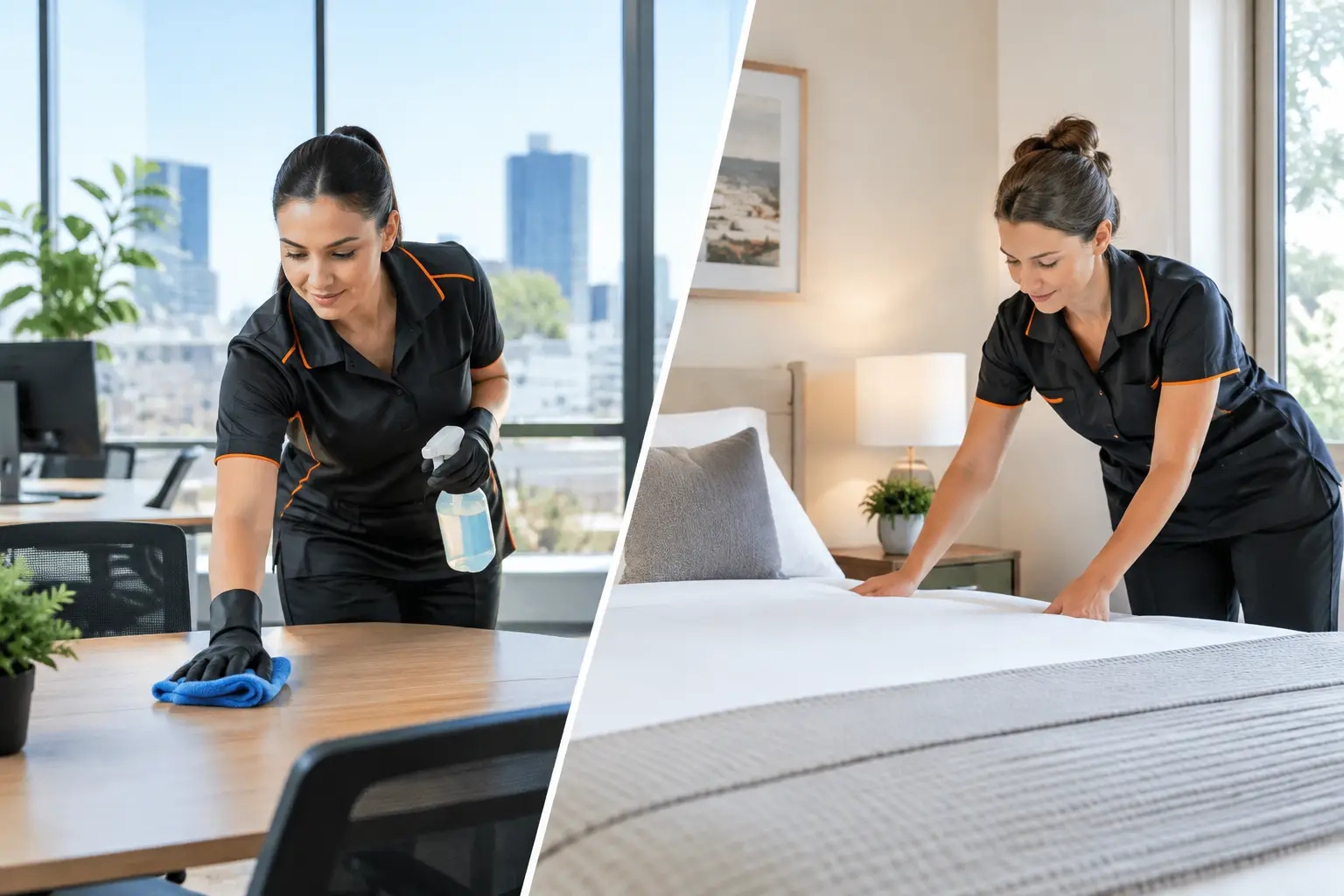
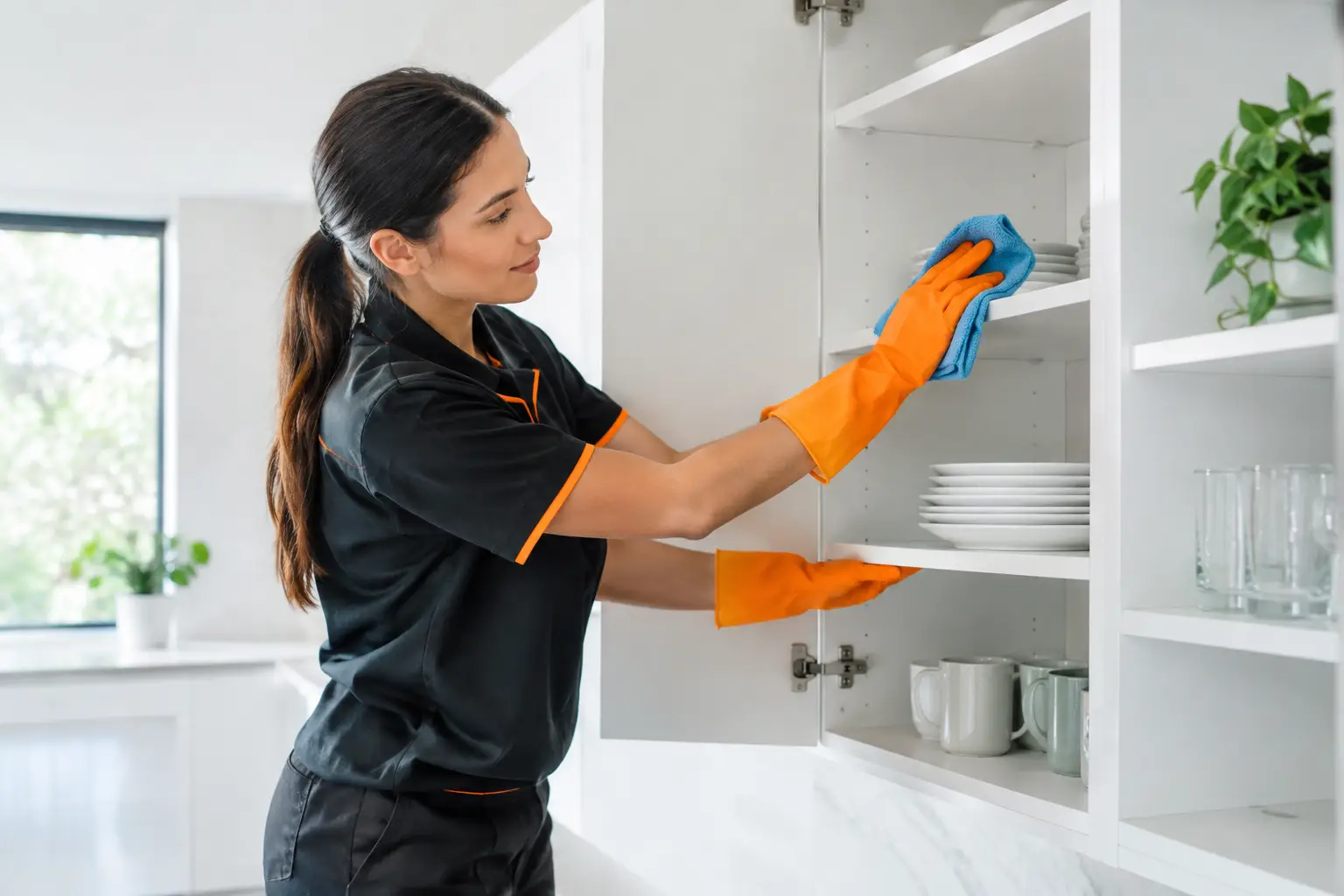
The condition of your workplace is noticed before a meeting begins, a customer asks for help or a staff member starts their shift. Commercial cleaning is not simply about emptying bins and making floors shine. Done properly, it protects hygiene, supports productivity and helps your business present itself with confidence every day.
For Adelaide businesses, the right cleaning arrangement should feel easy to manage. You need clear communication, dependable cleaners, a scope that suits the site and standards that do not slip when your schedule gets busy.
What commercial cleaning should achieve
A clean workplace makes a practical difference to the people using it. Staff can work in a more comfortable environment, visitors see a professional operation and managers spend less time following up preventable issues. In client-facing spaces, small details matter: clean glass at the entry, fresh bathrooms, orderly reception areas and floors free from visible marks.
The hygiene benefit matters just as much. High-touch surfaces, shared kitchens and washrooms can quickly become problem areas when cleaning is irregular or rushed. A consistent service helps reduce the build-up of dust, grime and germs in the places people use most.
The exact priorities will vary. An office may need attention on workstations, meeting rooms and amenities, while a gym requires frequent sanitising of equipment and change rooms. A medical clinic needs stricter procedures, carefully selected products and a cleaning team that understands the importance of infection control. Good commercial cleaning starts by recognising these differences rather than applying one generic checklist to every site.
Commercial cleaning for different workplaces
Offices and professional spaces
Office cleaning is often planned outside business hours so teams can arrive to a fresh, organised workplace. Regular tasks usually include vacuuming and mopping floors, cleaning bathrooms and kitchens, removing rubbish, dusting accessible surfaces and cleaning common touchpoints such as door handles and switches.
However, the best frequency depends on foot traffic and how the office is used. A small office with a few staff may be well served by weekly cleaning. A larger workplace with shared desks, frequent visitors and busy amenities may need cleaning several times a week or every day. Periodic deep cleaning can then address carpets, internal glass, detailed high dusting and other areas outside the routine scope.
Medical, clinic and care environments
Cleaning in healthcare settings requires more than a tidy appearance. It calls for careful processes, appropriate disinfectants and reliable attention to treatment rooms, waiting areas, bathrooms and frequently touched surfaces. Cleaning schedules may need to align with patient appointments, operating hours and the requirements of the facility.
This is one area where choosing on price alone can create unnecessary risk. Ask how cleaners are trained, what products and equipment are used, and how the provider separates tasks or areas to prevent cross-contamination. Clear procedures are essential when the people using the space may be vulnerable.
Retail, hospitality and customer-facing sites
Customers quickly notice dirty windows, marked floors, dusty shelves and untidy bathrooms. For retailers, cafés, showrooms and hospitality venues, cleaning supports the experience you are trying to deliver. It can also help protect surfaces that receive heavy daily use.
Cleaning may need to happen before opening, after closing or between service periods. Flexibility is valuable, but it should not mean inconsistency. A clear schedule and agreed quality standard ensure the work is completed properly, even when trading hours change or the site is especially busy.
Warehouses, schools and larger facilities
Larger sites often have varied cleaning needs within the same premises. There may be offices, staff lunchrooms, bathrooms, entry areas, classrooms, storage zones or workshop spaces. These areas should not all receive the same treatment or frequency.
A practical site assessment helps identify high-traffic zones, safety concerns and areas where specialised equipment may be needed. For example, a warehouse may require regular floor care around entryways and amenities, while a school needs close attention to classrooms, shared surfaces and bathroom hygiene. The goal is a plan that works with your operations rather than disrupting them.
Choosing the right cleaning schedule
There is no universal answer to how often a business should be cleaned. The right schedule depends on the number of people on site, visitor traffic, the nature of the work and the level of hygiene expected in your industry.
Daily cleaning is often suitable for busy offices, medical clinics, hospitality venues, gyms and high-traffic retail sites. Weekly service can be effective for lower-traffic professional offices or small businesses with limited shared spaces. Some businesses combine regular cleaning with periodic deep cleans, window cleaning or carpet cleaning to maintain a consistently high standard over time.
Rather than choosing a frequency based only on budget, consider what happens between visits. If bathrooms become untidy, bins overflow or floors look marked before the next clean, the schedule is likely too light. If areas remain in good condition and your team is comfortable, the arrangement may be appropriate. Reviewing the plan after the first few weeks is a sensible way to make sure it matches real use of the space.
What to look for in a cleaning provider
A reliable provider should make accountability clear from the beginning. You should know what is included, when cleaners will attend, who to contact if something changes and how quality concerns are handled. Vague scopes often lead to missed expectations, especially when a site has particular requirements.
Look for trained, police-checked staff, appropriate insurance and equipment suited to commercial work. Eco-friendly products can also be a worthwhile consideration, particularly in workplaces with staff, patients, children or customers present throughout the day. The product matters, but correct use matters too. A professional team knows which surfaces need cleaning, which need disinfecting and which products are safe for the material being treated.
Consistency comes from systems as well as good people. Site checklists, quality checks and clear handover notes help make sure important tasks are not forgotten. This is especially useful where multiple cleaners attend, the site has several areas or the work is completed after hours.
It is also worth asking how the provider responds if something is not right. A satisfaction guarantee and a straightforward re-clean process show that quality is taken seriously. Problems can happen, but they should be resolved promptly and without making your team chase answers.
A clear scope prevents surprises
Before service begins, walk through the premises and discuss what needs attention. Include practical details such as access arrangements, alarm procedures, sensitive areas, preferred cleaning times and where consumables are stored. If your site has fragile displays, confidential documents, patient records or specialist equipment, these should be identified from the outset.
The scope should distinguish between routine tasks and occasional services. Routine work might cover bathrooms, kitchens, floors, rubbish removal and common areas. Extras such as internal windows, carpet steam cleaning, high dusting, post-construction cleaning or detailed appliance cleaning can be scheduled when needed. This approach keeps quotes transparent and avoids assuming that every task is included in a standard visit.
For property managers and facility operators, a documented scope is particularly useful. It creates a clear reference point across tenancies, sites and service periods, making it easier to review performance and adjust requirements as occupancy changes.
Make cleaning part of smooth operations
The most effective commercial cleaning is planned around your business, not added as an afterthought. Set a regular communication point with your provider, especially during the first month. Let them know about events, staff increases, renovations, seasonal busy periods or changes to site access before they become last-minute problems.
Staff can help maintain the standard between visits by keeping personal work areas manageable and reporting spills or damage promptly. That does not replace professional cleaning. It simply means the cleaning team can focus their time where it delivers the greatest value instead of working around avoidable clutter.
For businesses that need dependable support across offices, clinics, hospitality venues and other commercial spaces, Spiffi Cleaning provides trained, police-checked teams, flexible scheduling and clear service expectations. The aim is simple: a clean site that is ready for the people who rely on it.
A well-kept workplace sends a quiet but powerful message that your business is organised, considered and ready to look after staff and customers. Choose a cleaning plan that reflects how your site actually operates, then give it the consistency needed to keep that standard visible every day.