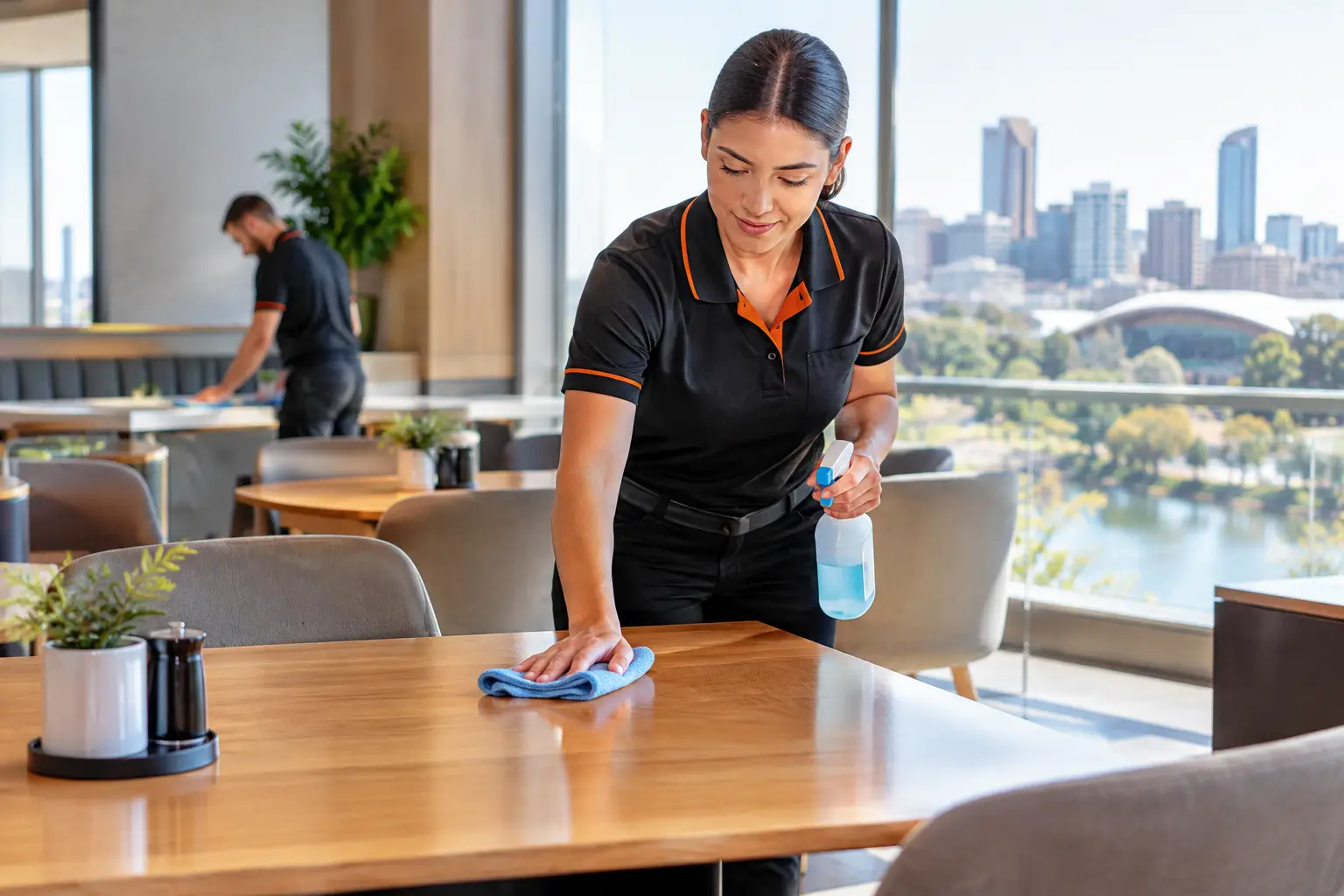
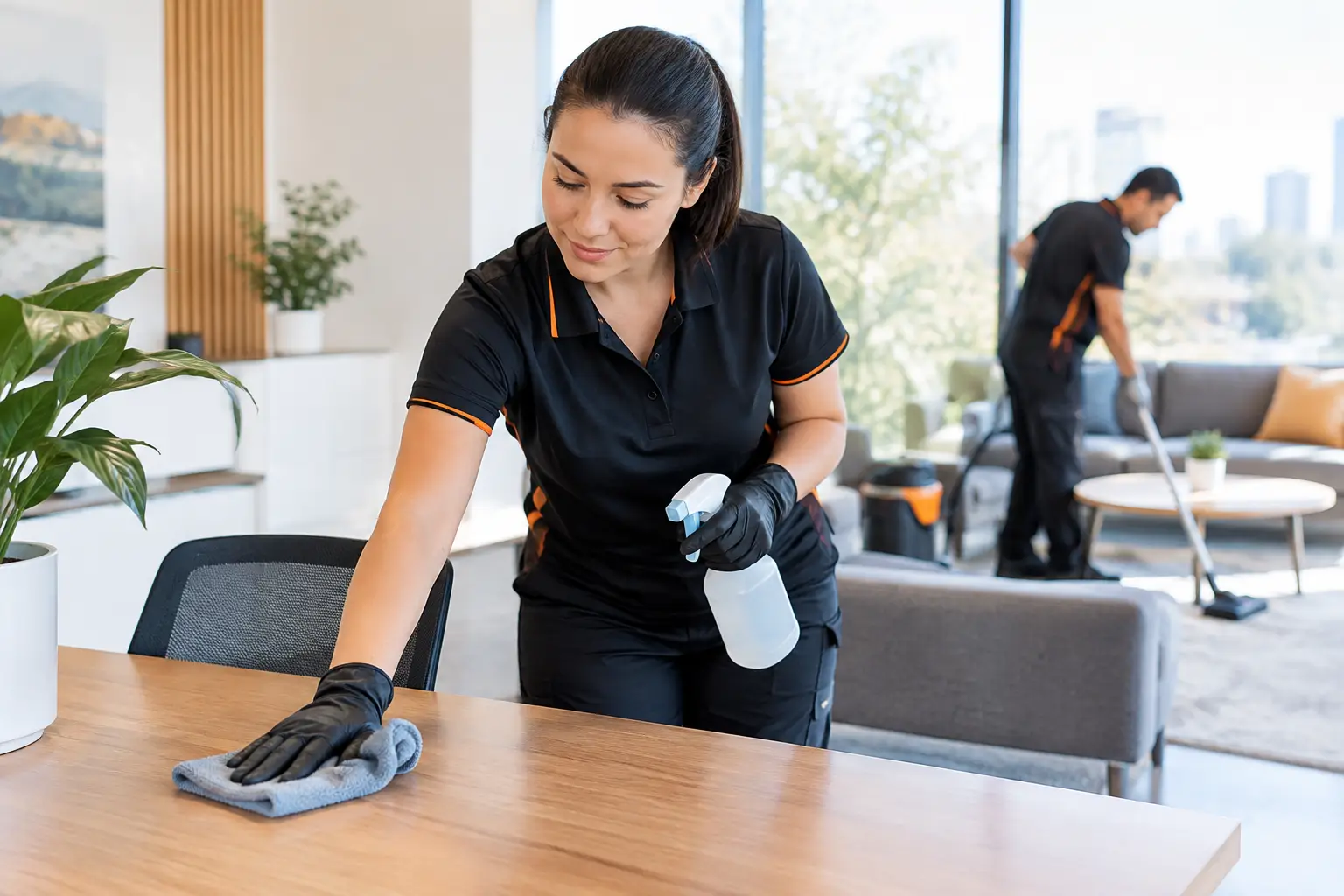
A 10 am checkout and a 2 pm check-in leave little room for missed details. Airbnb cleaning for fast turnovers is not simply about working faster. It is about following a reliable reset process that makes each guest feel they are the first person to stay in the property.
For Adelaide hosts and property managers, a fast turnover needs to protect two things at once: the next guest’s first impression and the property’s long-term condition. Fresh linen, clean bathrooms and clear communication matter, but so do the less obvious details such as checking for damage, restocking essentials and reporting maintenance issues before they become a guest complaint.
Why fast turnovers need a set process
A short booking gap can put pressure on anyone managing a holiday rental. Without a clear cleaning checklist, it is easy to focus on visible jobs and overlook the areas guests notice once they settle in: crumbs in the cutlery drawer, hair in the shower drain, dusty bedside tables or a bin that has not been emptied.
A structured turnover process creates consistency across every booking. It also makes it easier to coordinate cleaners, linen services, maintenance trades and check-in arrangements. The goal is not to rush through the property. It is to complete the right tasks in the right order, with enough time for a final quality check.
This matters for reviews. Guests may forgive a compact room or an older bathroom, but they rarely overlook poor cleanliness. A well-presented property supports stronger ratings, repeat bookings and fewer messages asking for replacements or refunds.
Start with a turnover-ready property
The easiest way to improve a turnaround is to set the property up for cleaning before the booking calendar gets busy. Storage should be practical, supplies should have a known place and furnishings should be easy to wipe down and inspect.
Keep a labelled owner’s cupboard for replacement consumables, spare linen and essential cleaning products. This prevents the cleaner from having to search through kitchen cupboards or make an unexpected trip to buy toilet paper between guests. A par level for each item is useful. For example, decide the minimum number of towels, toilet rolls, coffee pods and rubbish bags that must remain after every clean, then restock back to that amount.
Choose durable, easy-care items where possible. White towels can be bleached or professionally laundered, but they may require more frequent replacement. Dark towels can hide marks, yet guests may still expect them to feel fresh and spotless. There is no single right choice, but consistency in quality is essential.
A practical Airbnb cleaning for fast turnovers checklist
The cleaning sequence should reduce backtracking. Start by airing the property, switching on lights and checking for obvious damage or forgotten belongings. Strip beds and collect used towels first, then remove rubbish and begin the laundry process. This clears the way for cleaning and gives you time to identify stains or missing linen.
Next, work from high areas to low areas and from clean rooms towards the dirtier zones. Dust and wipe surfaces before vacuuming or mopping floors. In kitchens, clean and sanitise the benchtops, sink, cooktop, splashback, microwave and the inside of the fridge as needed. Check cupboards and drawers for food left behind, crumbs and sticky handles.
Bathrooms require particular attention because they strongly influence guest perceptions. Clean and disinfect the toilet, shower, taps, vanity, mirror and floor. Remove hair from drains and corners, polish fixtures and replace used amenities. A bathroom can be hygienic but still look unfinished if there are water marks on the mirror or residue around the taps.
In bedrooms and living spaces, make beds neatly, wipe all touchpoints, inspect upholstered furniture and vacuum under cushions where practical. Reset the room so it looks intentional, not merely cleaned. Straighten blinds, arrange cushions, check lamps and remotes, and ensure air-conditioning controls are accessible.
Before leaving, complete a final walk-through from the perspective of a guest arriving with luggage. Check the entry, scent, temperature, lights, Wi-Fi information and key or lockbox instructions. Take clear photos where required, especially if damage, excessive mess or missing items need to be documented for the host.
The details that cause the most guest complaints
Many turnover problems are small but preventable. A professional clean can still lead to a poor guest experience if the property has no hand soap, the coffee machine has old pods inside or the remote control has flat batteries.
Focus on the details that are handled, opened or used immediately. These include door handles, switches, remotes, kitchen drawer pulls, hairdryers, kettle handles and fridge shelves. They need cleaning, but they also need a quick function check.
Linens deserve the same care. Fresh sheets and towels should be fully dry, free from marks and folded or presented consistently. A damp towel or rushed bed make can undermine an otherwise excellent clean. If your booking schedule is tight, keeping multiple complete linen sets is usually more efficient than waiting for laundry to finish before the next check-in.
Build realistic timing into your calendar
Not every property can be reset to the same schedule. A studio apartment with minimal cooking facilities may be ready quickly, while a large family home with several bathrooms, outdoor areas and frequent back-to-back bookings needs more time and more hands.
Build a buffer into check-in arrangements whenever possible. An early check-in can be a valuable guest perk, but promising it automatically puts the turnover at risk. It is better to offer early arrival only once the property has been inspected and confirmed ready.
The condition of the departing booking also affects timing. Most guests leave a property in reasonable order, but a long stay, a group booking or a family holiday may need a deeper reset. Your cleaner should be able to flag when the property requires extra attention, rather than being expected to complete a deep clean within a standard turnover window.
Communication keeps the turnover moving
Fast turnovers depend on more than cleaning skill. Hosts, cleaners and property managers need a clear way to communicate booking changes, access arrangements, urgent maintenance and supplies that are running low.
Provide accurate check-out and check-in times, along with entry instructions and parking information. If there is a lockbox, make sure the code works and that the key is returned after each clean. For apartment buildings, clarify loading access, lift requirements and rubbish disposal rules. These practical details can save significant time on a busy day.
A simple post-clean report adds accountability. It can confirm that the property was cleaned, linen was changed, supplies were restocked and any issues were identified. Photos are particularly helpful for recording accidental damage, poor guest departure condition or maintenance concerns such as a leaking tap, faulty smoke alarm or broken blind.
When to use a professional turnover cleaner
Managing cleaning yourself may work for a single property with generous booking gaps. It becomes harder when you have back-to-back stays, live some distance away or manage multiple listings. The cost of professional support needs to be weighed against lost time, late check-ins and the risk of a review affected by an overlooked detail.
A trained turnover cleaner brings a repeatable system, suitable equipment and an objective eye. They should understand the difference between a quick tidy and a guest-ready reset, including hygiene standards, presentation and property checks. For hosts who need reliable support in Adelaide, Spiffi Cleaning can coordinate professional Airbnb and rental cleaning with clear communication, vetted staff and quality-focused service.
The best turnover is the one your guest never has to think about. They open the door to a clean, welcoming space, find what they need and begin their stay with confidence. That quiet sense of order is what turns a fast reset into a better hosting experience.